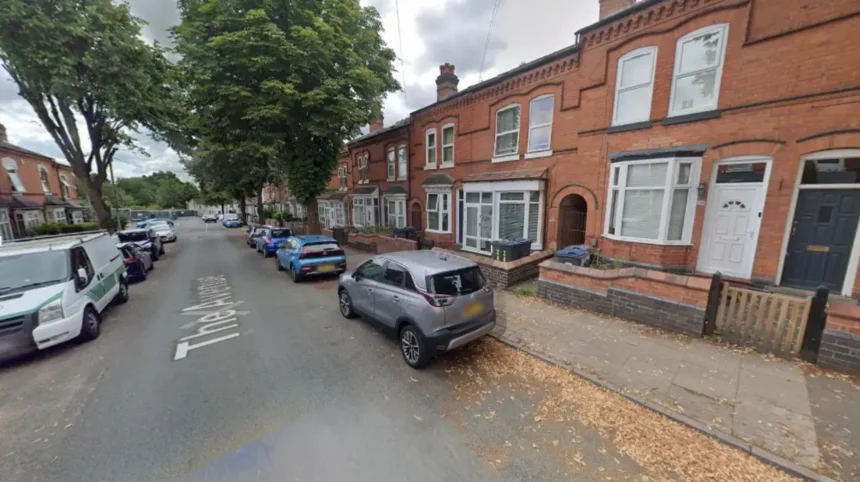
Urban growth potential represents the structural likelihood of real estate appreciation and economic expansion driven by targeted capital investments, infrastructure upgrades, population shifts, and commercial developments. Identifying these zones requires analyzing specific municipal indicators, employment metrics, and urban planning frameworks.
- Which Infrastructure Projects Signal Property Value Growth in Birmingham?
- How Do Demographic Trends Highlight Emerging Birmingham Property Hotspots?
- What Role Does Planning Permission Data Play in Assessing Future Value?
- How Can Rental Yield Trends Identify Undervalued Investment Zones?
- What Are the Key Economic Metrics for Evaluating Local Neighborhoods?
- Which areas in Birmingham offer the highest property investment yields?
- How does the HS2 rail project impact property prices in Birmingham?
- What indicators show a neighborhood is undergoing regeneration?
- Is Birmingham city centre better for capital growth or rental yield?
- Why is graduate retention important for Birmingham real estate?
The structural expansion of urban property markets relies on sustained capital deployment and demographic migration into specific districts.
Local authority planning frameworks, such as the Big City Plan in Birmingham, dictate long-term spatial transformation by designating master planning zones for high-density mixed-use development. Municipal infrastructure projects act as primary catalysts for capital appreciation across regional urban ecosystems.
Transport interconnectivity drives residential demand by lowering commuter travel times to central business districts and major employment hubs. Capital appreciation accelerates in locations where infrastructure projects, such as High Speed 2 at Curzon Street, reduce travel times and integrate secondary zones into core economic hubs. Accessibility to high-speed rail, light rail networks, and major motorway junctions increases commercial desirability and drives up land values.
Demographic inflow, specifically the migration of skilled professionals and university graduates, establishes the fundamental demand base for housing. High graduate retention rates, supported by institutions like the University of Birmingham and Birmingham City University, foster long-term tenant demand in central and suburban neighborhoods. High employment growth in knowledge-intensive sectors, such as financial technology, healthcare, and digital media, sustains upward pressure on residential property yields and values.
Commercial capital investments, public sector heritage restorations, and private development pipelines signal systemic urban renewal. When master-planned developments deliver modern amenities, public spaces, and corporate offices, localized asset valuations rise reliably across adjacent secondary property markets.
Which Infrastructure Projects Signal Property Value Growth in Birmingham?
Major transport and regeneration projects signal future property appreciation by improving local connectivity, attracting commercial capital, and increasing residential land values. Major rail expansions, light rail networks, and urban master plans serve as primary catalysts for property value appreciation.
Infrastructure-led capital growth in Birmingham centers on large-scale public transport initiatives and master-planned urban renewals. The High Speed 2 rail terminus at Curzon Street in Eastside represents a major transport infrastructure investment. This rail hub reduces travel times to London to 42 minutes, attracting major corporate occupiers and driving residential capital appreciation across Eastside and Digbeth.
The West Midlands Metro expansion extends light rail transit across key commercial and residential corridors. The Eastside Metro extension connects the Bullring and Grand Central directly to Digbeth, improving transit accessibility across former industrial districts. Improved transit connectivity historically correlates with an immediate increase in localized housing valuations along completed transport routes.
The £1.9 billion Birmingham Smithfield master plan transforms 42 hectares of city center land into a public venue, market, and residential district. This project delivers over 3,000 modern homes, retail space, and public parks, increasing land valuations throughout south-central Birmingham. Surrounding residential developments benefit directly from this massive municipal expenditure.
The Perry Barr regeneration scheme demonstrates post-event municipal capital deployment following the 2022 Commonwealth Games. Supported by £700 million in public investment, Perry Barr features updated rail station infrastructure, modern bus rapid transit corridors, and over 1,000 new residential units. These public transport upgrades strengthen connectivity to the central business district.
How Do Demographic Trends Highlight Emerging Birmingham Property Hotspots?
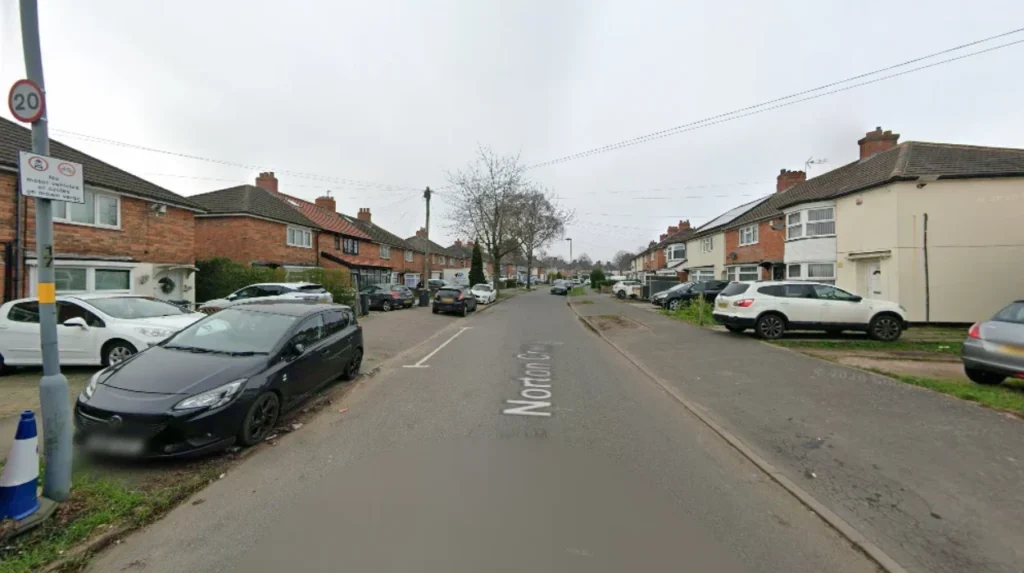
Analyzing demographic trends highlights emerging property hotspots by identifying population growth, graduate retention rates, and employment shifts across specific suburban districts. Population age distributions, household income growth, and tenant profiles indicate rising demand for high-density housing.
Demographic shifts across Birmingham create clear geographic patterns of residential demand and property growth. Birmingham possesses one of the youngest demographic profiles in Europe, with over 40 percent of its total population aged under 25. This young demographic creates strong baseline demand for urban rental housing and entry-level homeownership options.
Graduate retention rates from local higher education institutions fuel continuous population growth within inner-ring suburbs. The University of Birmingham, Aston University, and Birmingham City University educate over 80,000 students annually, supplying a steady stream of skilled talent to regional employers. Retained graduates prefer mixed-use, walkable neighborhoods with easy access to employment hubs, driving residential expansion in Digbeth and the Jewellery Quarter.
Corporate relocation programs accelerate household income growth and alter tenant demand profiles across central districts. Major financial services institutions, technology firms, and professional services practices have expanded operations in Paradise Birmingham and Colmore Row. Higher-income professional tenants seek premium residential developments in adjacent urban districts like Edgbaston and the Jewellery Quarter.
Suburban demographic shifts show increasing domestic migration from London into outer Birmingham boroughs. Affordability gaps between South East and West Midlands property markets attract young families and hybrid workers to well-connected suburban hubs. Suburban areas such as Erdington, Selly Oak, and Longbridge experience rising buyer competition due to direct rail commuting links to the city centre.
What Role Does Planning Permission Data Play in Assessing Future Value?
Planning permission data reveals future property growth by providing clear visibility into upcoming residential supply, commercial expansion, and local council development priorities. Tracking planning applications allows investors to identify changing density patterns and municipal zoning goals.
Municipal planning registers managed by Birmingham City Council offer verifiable data regarding future real estate supply and commercial investment pipelines. Tracking planning application submissions, site approvals, and development completions helps analysts evaluate land conversion rates. A high concentration of approved planning permissions indicates private capital confidence and municipal commitment to targeted urban regeneration.
High volumes of approved residential units in low-density industrial zones mark early-stage gentrification cycles. For instance, planning permissions granted across Digbeth for brownfield conversions signal a structural transformation from industrial usage to high-density mixed-use residential quarters. Monitoring changes in municipal zoning maps enables early identification of major residential redevelopments.
Sustained approvals for commercial and retail floor space indicate rising localized employment capacity. Mixed-use developments combining corporate office space with ground-floor commercial amenities attract long-term capital. Commercial developments such as Paradise Birmingham demonstrate how large-scale planning approvals generate broader economic activity across surrounding residential properties.
Disproportionate supply approvals relative to local population growth can expose markets to short-term oversupply risks. Evaluating housing delivery metrics against municipal target allocations prevents overconcentration in saturated build-to-rent sectors. Steady planning approvals balanced with planned infrastructure ensure sustained long-term capital growth.
How Can Rental Yield Trends Identify Undervalued Investment Zones?
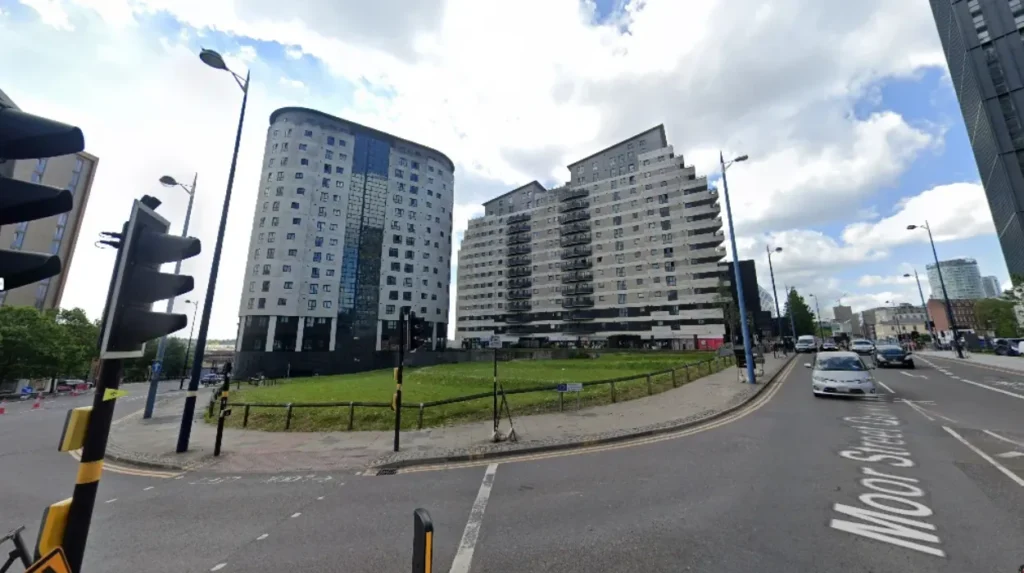
Evaluating rental yield trends helps identify undervalued investment zones by highlighting markets where tenant demand outpaces initial property purchase prices. High rental yields typically signal emerging growth areas before significant capital appreciation occurs.
Rental yield metrics calculate gross annual rental income relative to total property purchase prices across defined postal sectors. Yield analysis identifies market inefficiencies where tenant demand outpaces current capital asset valuations. Analyzing yield compression and expansion cycles across Birmingham districts reveals strategic market entry points.
Outer-ring suburbs with lower entry prices frequently deliver higher initial gross rental yields. Districts like Erdington and Perry Barr generate gross yields between 6.0 percent and 7.5 percent due to lower residential property acquisition costs. These areas offer strong cash-flow fundamentals while ongoing public investment gradually drives capital appreciation.
Central urban districts deliver lower initial rental yields alongside higher long-term capital preservation and resale liquidity. Prime city centre developments around Colmore Row and Broad Street yield between 5.0 percent and 6.0 percent, supported by consistent professional tenant demand. Digbeth offers a balanced growth profile, delivering gross yields between 5.5 percent and 7.0 percent alongside high capital growth potential driven by HS2 infrastructure.
Student housing corridors maintain elevated rental yields driven by persistent tenant occupancy rates. Selly Oak delivers consistent gross yields between 6.0 percent and 8.0 percent due to direct proximity to the University of Birmingham campus. Continuous student demand maintains stability across economic downturns.
What Are the Key Economic Metrics for Evaluating Local Neighborhoods?
Key economic metrics for evaluating local neighborhoods include average median household income, employment growth rates, corporate capital investments, and local housing stock transaction liquidity. Tracking these data points helps quantify market stability and growth velocity.
Local economic analysis requires measuring underlying income trends, business investment statistics, and real estate market liquidity metrics. Tracking local economic indicators reduces reliance on speculative assumptions and establishes a clear framework for identifying stable capital growth markets.
Median household income growth directly limits long-term residential property prices and rental rates. Neighborhoods with rising average household earnings support sustained growth in capital valuations and rental rates without exceeding local affordability thresholds. Census data highlights above-average income growth across professional hubs like Edgbaston and Solihull.
Local employment sector diversity reduces economic volatility across residential property markets. Regional economies reliant on a single employer face higher downside risks during sector contractions. Birmingham benefits from a broad employment base spanning financial services, healthcare, software engineering, and advanced manufacturing sectors.
Property market liquidity metrics, such as average days on market and transaction volumes, indicate overall demand strength. Rapid sales velocity and low inventory levels signal strong end-user demand and constrained local housing supply. Suburban markets like Kings Heath and Moseley show persistent liquidity driven by strong family home buyer demand.
Which areas in Birmingham offer the highest property investment yields?
Outer suburban areas like Erdington and Perry Barr deliver some of the highest gross rental yields in Birmingham, ranging between 6.0 percent and 7.5 percent. Lower initial entry prices combined with strong tenant demand from local working professionals drive these elevated income returns.
How does the HS2 rail project impact property prices in Birmingham?
HS2 significantly increases property demand and capital growth around the Eastside and Curzon Street station precincts. Lower commuter travel times to London attract international investors and major corporate occupiers, driving up residential asset valuations.
What indicators show a neighborhood is undergoing regeneration?
Key regeneration indicators include public infrastructure spending, approved high-density planning permissions, commercial business investments, and updated transport links. Early-stage brownfield conversions and historical building restorations also mark initial gentrification phases.
Is Birmingham city centre better for capital growth or rental yield?
Birmingham city centre delivers strong capital preservation and consistent liquidity, with rental yields averaging between 5.0 percent and 6.0 percent. Suburban and fringe regeneration zones provide higher initial yields, whereas central districts offer greater long-term market stability.
Why is graduate retention important for Birmingham real estate?
High graduate retention provides a reliable tenant base for modern urban apartments and entry-level suburban housing. Skilled university graduates entering professional employment sustain continuous tenant demand and support local rental rate expansion.