The top Birmingham experiences every visitor should try at least once include exploring the historic canal network, visiting the Jewellery Quarter, touring Cadbury World, admiring modern architecture at the Library of Birmingham, and dining in the famous Balti Triangle region.
Birmingham serves as the second-largest city in the United Kingdom, located in the West Midlands region. The urban settlement developed during the Industrial Revolution into an international engineering powerhouse. Modern Birmingham features a diverse landscape containing historic waterways, restored industrial heritage sites, and massive modern retail centers. Visitors encounter cultural institutions, green spaces, and distinct food districts across the urban footprint.
The city holds over thirty-five miles of navigable canals, which exceeds the canal mileage found within Venice. The local economy relies on tourism, higher education, financial services, and retail commerce. Over forty million people visit the West Midlands region annually for cultural excursions. Exploring the city provides insight into British industrial history and contemporary multicultural society. The municipality preserves key structural milestones while constantly updating public infrastructure.
Historic districts showcase structural preservation alongside commercial innovation. Urban regeneration projects transformed neglected industrial spaces into modern cultural destinations. Public transportation networks connect central rail stations directly to surrounding suburban attractions. Broad demographic diversity enriches the local arts, literature, and culinary environments. Understanding these landmarks allows travelers to navigate the architectural evolution of central England.
How Can You Explore the Historic Birmingham Canals?
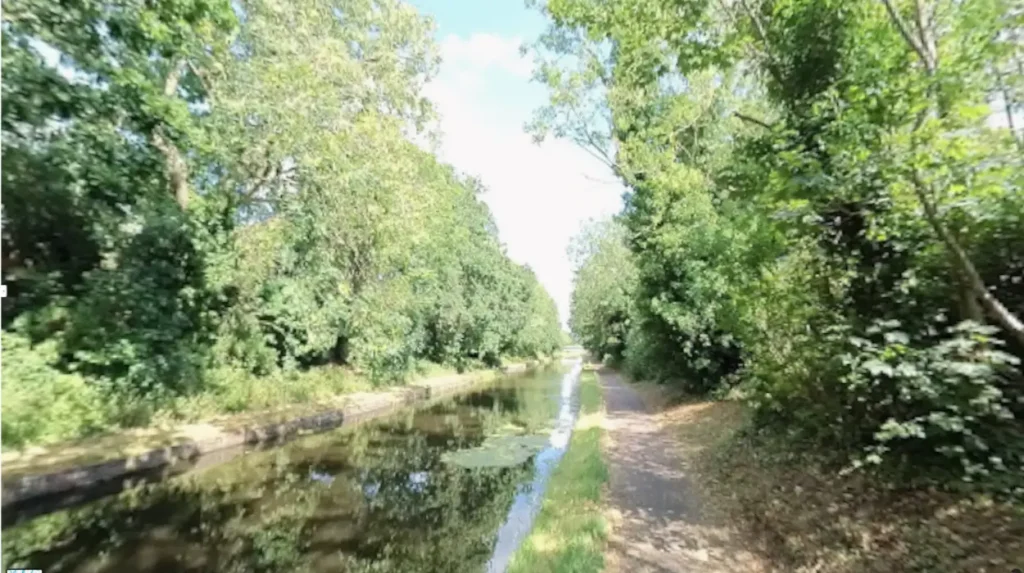
You can explore the historic Birmingham canals by walking the preserved towpaths starting at Gas Street Basin, booking a narrowboat cruise, or renting a self-drive electric boat to navigate the interconnected West Midlands waterways safely and efficiently.
The Birmingham canal network originated during the eighteenth century to transport coal, iron, and manufactured goods across England. James Brindley designed the initial route of the Birmingham Canal Navigations, which officially opened in the year 1769. Gas Street Basin marks the central junction where the Worcester and Birmingham Canal meets the Birmingham Canal Navigations Main Line. The area features traditional cast-iron bridges, historical brick warehouses, and restored narrowboats docked along brick pavements.
Walking along the towpaths provides direct access to retail, dining, and cultural precincts like Brindleyplace and the Mailbox. Narrowboat operators offer guided tours explaining how heavy industrial products moved through lock systems. Electric boat rentals allow visitors to pilot vessels independently without previous maritime experience. Canal maintenance falls under the supervision of the Canal and River Trust charity organisation. The waterways support local biodiversity by acting as urban wildlife corridors for birds, fish, and aquatic plants.
The historic canal network highlights the transition of the city from heavy manufacturing to recreational tourism. Historical conservation efforts ensure that original lock mechanisms and brickwork remain intact for educational purposes. Navigating these waters reveals hidden structural perspectives of the urban center unavailable from standard roads. Waterfront commercial developments drive foot traffic to local businesses along the banks. Waterway preservation balances ecological management with municipal economic regeneration.
Why Should Visitors Explore the Historic Jewellery Quarter?
Visitors should explore the historic Jewellery Quarter because it produces forty percent of all British jewellery, contains over two hundred listed buildings, and offers authentic insights into classic industrial craftsmanship through interactive historical museums.
The Jewellery Quarter occupies a dedicated conservation area situated northwest of the central business district. The neighborhood emerged as an industrial hub during the mid-eighteenth century due to high demand for metal buttons, toys, and belt buckles. By the year 1850, hundreds of specialized workshops operated within converted residential terraces. The region retains its original street grid, featuring historic factories, Victorian clock towers, and independent retail storefronts.
The Museum of the Jewellery Quarter preserves the intact workshop of Smith and Pepper, which closed in 1981. Visitors observe original tools, stamps, and machinery left exactly as workers abandoned them. Master jewellers continue to manufacture bespoke engagement rings, fine ornaments, and precious metal items using traditional techniques. The Assay Office Birmingham, established by an Act of Parliament in 1773, tests and hallmarks precious metal products. St Pauls Square presents the last remaining Georgian square in the city, centered on a historic church.
The area demonstrates how specialized manufacturing clusters maintain global competitiveness across multiple centuries. Historical preservation laws protect the unique structural character of the workshop buildings. Commercial activity supports independent artisans, small retail shops, and specialized gemologists. Tourism in the quarter generates sustainable revenue while maintaining intangible cultural heritage. Urban planning controls prevent disruptive developments inside the heritage boundary.
What Makes Cadbury World a Must-Visit Experience?
Cadbury World is a must-visit experience because it details the historical development of Quaker chocolate manufacturing, offers interactive confectionery demonstrations, and provides immersive family entertainment directly on the historic Bournville manufacturing estate.
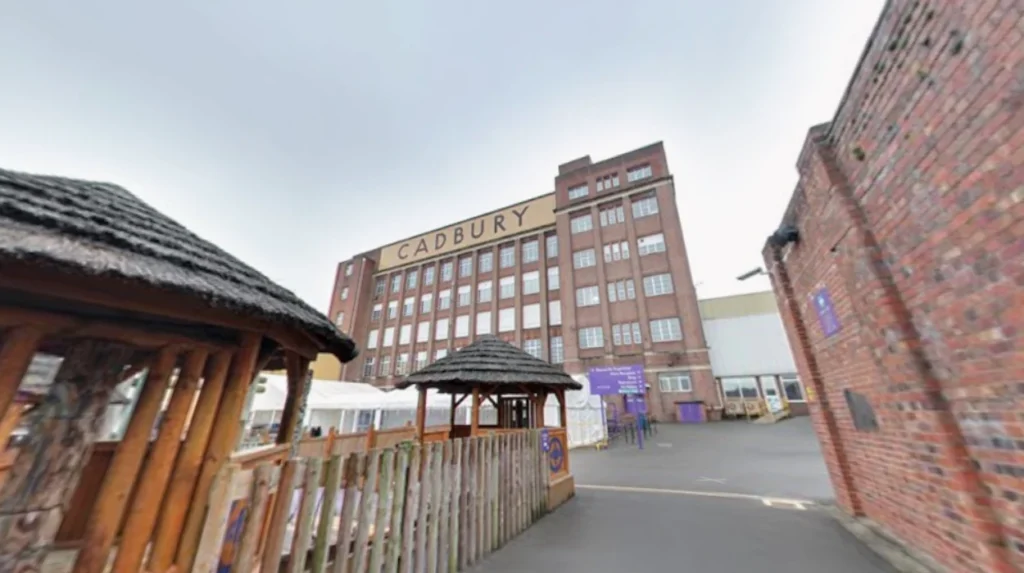
Cadbury World opened to the public in April 1990 in the planned garden village of Bournville. John Cadbury founded the parent business in 1824 as a small shop selling tea, coffee, and drinking chocolate. The company relocated production to Bournville in 1879 to build clean factories and green housing for industrial workers. The attraction features fourteen distinct educational zones covering history, production methods, and corporate social responsibility.
Exhibits trace cocoa sourcing from West Africa to modern industrial processing plants. Visitors observe automated wrapping lines and professional chocolatiers hand-crafting specialized luxury items. Interactive zones allow guests to sample liquid chocolate and create customized confectionery combinations. The surrounding Bournville village showcases Arts and Crafts architecture, public parks, and historic almshouses built for nineteenth-century workers. The site hosts millions of educational school visits and international family tourists every decade.
The facility illustrates the historic impact of Quaker industrialists on British social welfare and labor reforms. Model housing in Bournville set historical standards for early twentieth-century urban residential planning. Interactive educational displays explain industrial automation, supply chain logistics, and global trade history. Confectionery manufacturing remains a core identity component for the culinary heritage of the West Midlands. The attraction drives regional tourism while maintaining functional industrial operations nearby.
How Does the Library of Birmingham Showcase Modern Culture?
The Library of Birmingham showcases modern culture through its striking postmodern architecture designed by Francine Houben, extensive historical archives, public rooftop gardens, and integrated community learning spaces situated on Centenary Square.
The Library of Birmingham opened in September 2013, replacing the nearby Central Library facility. Architect Francine Houben of Mecanoo designed the ten-story structure with an interlocking metal ring facade. The exterior pattern references the industrial metalworking traditions of the municipality. Located on Centenary Square, the building covers thirty-one thousand square meters, making it one of the largest public cultural spaces in Europe.
The interior contains over one million books, historic photographic collections, and public access computers. The nineteenth-century Shakespeare Memorial Room sits on the top floor, housing rare folios and historic literary editions. Two landscaped outdoor garden terraces on the fourth and seventh floors offer clear views across the municipal skyline. The facility includes an amphitheater, exhibition galleries, recording studios, and quiet research rooms. Entry remains free to all visitors throughout standard operating hours.
The structure represents modern public investment in accessible educational and civic infrastructure. Eco-friendly architectural design features reduced energy usage through natural ventilation and groundwater cooling systems. The building serves as a community hub that hosts literacy programs, cultural exhibitions, and business workshops. Architectural acclaim draws international design enthusiasts to Centenary Square daily. Public access to elevation platforms democratizes architectural appreciation across all demographic groups.
What Culinary Delights Await in the Famous Balti Triangle?
Culinary delights in the famous Balti Triangle include authentic street food, traditional tandoori dishes, and the signature Birmingham Balti cooked and served in pressed steel bowls using fast high-heat cooking methods.
The Balti Triangle is an urban culinary district located south of the city center, covering Sparkbrook, Sparkhill, and Balsall Heath. British-Pakistani restaurateurs developed the Balti style of cooking during the late 1970s to serve local working-class communities. The style uses a thin, flat-bottomed steel pan called a Balti bowl, manufactured locally in West Midlands metal shops. Chefs cook meat and vegetable dishes rapidly over high gas flames using vegetable oil rather than traditional ghee.
Diners receive the food serving bowl directly at the table alongside large handmade naan breads. The cooking process seals in aromatic spices, garlic, ginger, and fresh coriander without excessive grease. Historic family-owned restaurants line Ladypool Road and Stratford Road within the commercial core. Independent bakeries, spice merchants, and sweet shops operate alongside the main dining establishments. Food writers and international travel guides recognize the district as an essential cultural food destination.
The Balti style represents an important innovation in British Asian culinary heritage and post-war immigration history. Local protection campaigns seek official traditional specialty status for the authentic cooking process. Dining in the district supports independent culinary entrepreneurs and historic family businesses. The region illustrates how immigrant communities reshaped the domestic palate and commercial landscape of industrial cities. Food tourism in the triangle stimulates economic activity outside the central retail core.
What is the best way to get around Birmingham?
The best way to get around Birmingham is by using the West Midlands Metro tram system, local buses, and pedestrian-friendly walkways. The central city area is highly walkable, connecting major stations like New Street to key cultural districts. Reliable suburban rail lines also connect outer urban attractions efficiently.
How many days are needed to visit Birmingham fully?
A visit of two to three days allows tourists to experience the main city highlights without rushing. This timeframe provides sufficient opportunity to explore central canals, museums, historic quarters, and local dining districts. Extended stays enable additional trips to regional heritage sites located nearby.
Is Birmingham expensive for international tourists?
Birmingham is generally more affordable for international tourists compared to London regarding accommodation, public transit, and dining options. Many primary attractions, including public art galleries, libraries, and historic squares, offer completely free public access. Budget options exist across retail and food sectors.
What is the most famous historical site in Birmingham?
The Birmingham Back to Backs is widely regarded as one of the most famous historical sites in the city. Operated by the National Trust, it represents the last surviving courtyard of nineteenth-century back-to-back worker housing. The site offers guided historical tours of original restored homes.
When is the best time of year to visit Birmingham?
The best time to visit Birmingham is between May and September when the weather is warm and daylight hours are long. Summer months feature outdoor food festivals, vibrant canal cruises, and open-air cultural events across public squares. Winter also attracts visitors for seasonal holiday shopping markets.