Birmingham is a premier UK destination offering rich industrial history, world-class culinary experiences, expansive canal networks, and modern architectural landmarks. The city provides visitors with direct access to national museums, historic manufacturing quarters, and diverse international shopping hubs.
- What is the ideal itinerary duration for exploring Birmingham?
- How do you navigate the historical canal network of Birmingham?
- What makes the Jewellery Quarter a mandatory historic stop?
- Where can travelers experience the finest culture and arts?
- What culinary experiences define the dining scene in Birmingham?
- How has Digbeth evolved into a creative urban district?
Birmingham stands as the second-largest city in the United Kingdom, located in the West Midlands region. The city covers an area of 267.8 square kilometres and holds an estimated population of over 1.14 million residents. Historically recognized as the workshop of the world during the Industrial Revolution, Birmingham drove global manufacturing advancements throughout the eighteenth and nineteenth centuries.
The city established a reputation for manufacturing metalware, weaponry, jewelry, and automotive engineering. Modern Birmingham transformed these industrial foundations into dynamic urban quarters, preserving historic infrastructure alongside innovative modern developments like the Library of Birmingham and the Bullring complex.
Travelers visit Birmingham to experience an extensive cultural ecosystem supported by major transport infrastructure, including Birmingham New Street station and Birmingham Airport. The city features 35 miles of navigable canals, which exceeds the canal mileage of Venice and serves as a major focal point for urban exploration.
Visitors explore distinct districts such as the historic Jewellery Quarter, the creative hub of Digbeth, and the waterside dining venues around Brindleyplace. Tourism statistics show that the West Midlands region attracts over 42 million visitors annually, with Birmingham acting as the primary hub for regional commerce, arts, and heritage tourism.
Understanding the geographic layout of central Birmingham allows visitors to navigate key municipal landmarks efficiently. Victoria Square acts as the civic center, housing the Council House and the Grade I listed Birmingham Town Hall, constructed in 1834. Immediate pedestrian corridors link Victoria Square to Centenary Square, home to the distinctive Library of Birmingham, which opened in 2013.
The economic impact of tourism supports thousands of local business operations, ranging from historic manufacturing workshops to modern retail environments. Experiencing the city on a single trip requires understanding how these historical roots and contemporary attractions interconnect across the central transport routes.
What is the ideal itinerary duration for exploring Birmingham?
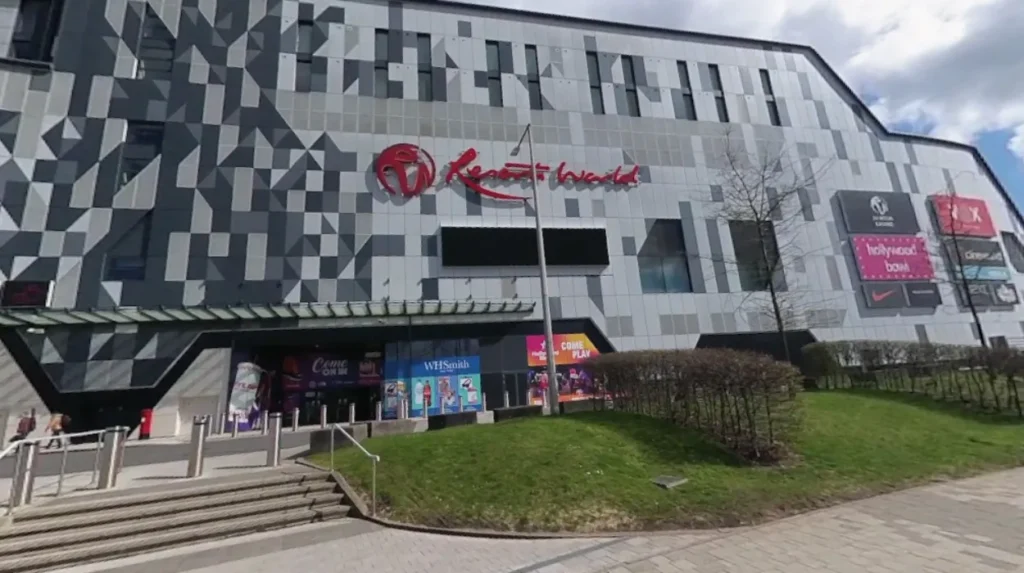
A three-day itinerary provides the ideal duration to explore the main historic districts, central shopping complexes, cultural institutions, and culinary areas. This timeline allows travelers to visit key sites without experiencing schedule compression or missing major regional highlights.
Planning a three-day trip allows visitors to categorize the urban landscape into manageable geographic zones. Day one focuses on the historic city center, incorporating major municipal sites such as Victoria Square, the Library of Birmingham, and the Bullring shopping center.
Allocating eight hours to the central core ensures sufficient time to inspect civic architecture, browse extensive retail developments, and experience local dining establishments along New Street. The density of central landmarks minimizes total transit time, allowing full immersion in the commercial and civic history of the city.
Day two centers on specialized heritage quarters located just outside the core ring road. Visitors dedicate the morning to the Jewellery Quarter, exploring preserved nineteenth-century manufacturing workshops, the Museum of the Jewellery Quarter, and St. Paul’s Square.
The afternoon transitions toward Digbeth, located southeast of the center, where industrial architecture now houses creative venues, street art installations, and the historic Custard Factory complex. Spending a full day across these two districts highlights the dramatic transformation of the city from heavy manufacturing toward design, digital arts, and contemporary culture.
Day three extends to outer suburban highlights and scenic canal networks. Travelers visit Bournville, a model village built in 1893 by the Cadbury family, located 4 miles south of the city center. Bournville demonstrates Victorian urban planning alongside the Cadbury World visitor attraction.
The final afternoon focuses on canal paths originating at Gas Street Basin, followed by dinner in the iconic Balti Triangle culinary district. This three-day structure guarantees comprehensive exposure to civic heritage, industrial craftsmanship, suburban history, and distinct regional gastronomy.
How do you navigate the historical canal network of Birmingham?
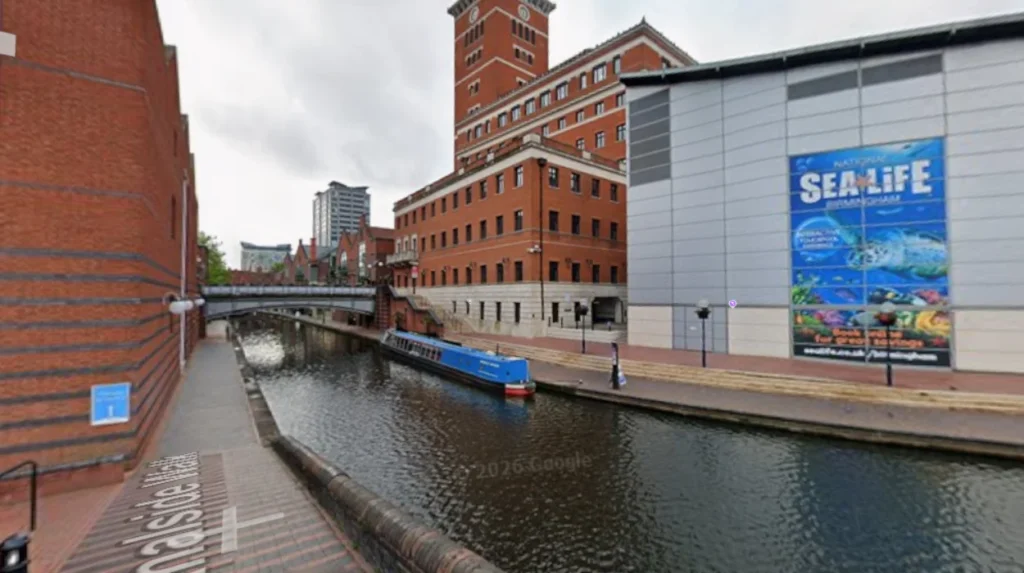
Navigating the canal network involves walking pedestrian towpaths or booking narrowboat tours starting from Gas Street Basin, where the Worcester and Birmingham Canal meets the Birmingham Canal Navigations Main Line. These waterways offer direct routes through major city quarters.
The canal network of Birmingham was engineered during the eighteenth century to transport heavy industrial raw materials, including coal, iron ore, and finished metal goods. Engineer James Brindley designed the initial routes, establishing efficient waterborne transit system links between the Midlands and major UK ports.
The canal system expanded to cover more than 160 miles across the broader industrial region at its peak. Today, 35 miles of navigable canals remain within the city boundary, featuring preserved locks, brick bridges, and historic basin infrastructures now repurposed for public recreation and heritage walking routes.
Visitors access the primary canal routes directly at Gas Street Basin, located adjacent to Brindleyplace and the Mailbox retail center. Gas Street Basin served as the historic interchange between the canal company networks, where cast-iron toll stops and traditional narrowboats still line the water.
Pedestrians follow maintained brick towpaths leading north toward the Roundhouse, a Grade II listed circular stable facility constructed in 1874 by the Birmingham Corporation. The National Trust operates the Roundhouse as a heritage hub, offering guided walking tours, kayak excursions, and canal heritage information.
Navigating these waterways provides a tranquil alternative to street-level pedestrian corridors. Guided boat tours operate daily from Gas Street Basin, offering structured historical commentary while passing through the Sherborne Wharf area and central city loops. The canal towpaths link major cultural venues, including the Ikon Gallery, Symphony Hall, and the National SEA LIFE Centre.
Modern waterside redevelopment ensures fully paved surfaces, clear directional signage, and accessible entry ramps throughout the central canal section. Exploring these routes gives visitors direct visual insight into how eighteenth-century engineering continues to structure modern urban navigation.
What makes the Jewellery Quarter a mandatory historic stop?
The Jewellery Quarter is a preserved industrial heritage site producing 40 percent of all jewelry made in the United Kingdom. It features over 500 business operations, historic manufacturing workshops, independent retail shops, and national heritage museums.
The Jewellery Quarter originated during the mid-eighteenth century as metalworkers, die-sinkers, and goldsmiths concentrated their workshops northwest of the city center. By the nineteenth century, the district became the primary international manufacturing hub for fine jewelry, silver production, and brassware manufacture.
Unlike traditional factory districts, production in the Jewellery Quarter operated through a network of specialized, small-scale artisan workshops housed within Georgian and Victorian residential buildings. The UK government recognized the historic significance of the area by designating it a conservation zone containing over 200 listed historic structures.
Visitors explore the district by walking key thoroughfares, including Vyse Street, Frederick Street, and St. Paul’s Square. St. Paul’s Square represents the last surviving Georgian square in Birmingham, centered around St. Paul’s Church, built in 1779. A major highlight of the area is the Museum of the Jewellery Quarter on Vyse Street.
The museum preserves the Smith & Pepper jewelry factory, which remained completely untouched when the owners retired in 1981. Visitors view original machinery, workbench tools, and manufacturing stamps exactly as workers left them.
The economic activity of the Jewellery Quarter remains vital to the UK craft industry. Hundreds of independent jewellers offer custom design services, certified diamond sales, and historic restoration work alongside modern workshop operations.
The area also houses specialized cultural attractions, including the Coffin Works museum, which preserves the manufacturing tools of Newman Brothers, a firm that produced coffin furniture for British royalty.
Visitors find a rich array of independent cafes, craft breweries, and dining establishments alongside these cultural venues. Visiting the Jewellery Quarter allows travelers to witness authentic traditional craftsmanship operating within a living industrial monument.
Where can travelers experience the finest culture and arts?
Travelers experience world-class culture and arts at the Birmingham Museum and Art Gallery, the Library of Birmingham, Symphony Hall, and the Ikon Gallery. These institutions hold internationally recognized fine art collections, historic archives, and musical performance spaces.
The cultural landscape of Birmingham contains institutions housing significant historic and contemporary collections. The Birmingham Museum and Art Gallery, situated in Victoria Square, opened in 1885 within an ornate Grade II listed civic building. The museum holds over 800,000 individual objects, including the world’s largest public collection of Pre-Raphaelite artwork.
Visitors examine famous oil paintings by Dante Gabriel Rossetti, Edward Burne-Jones, and John Everett Millais alongside the Staffordshire Hoard, the largest discovery of Anglo-Saxon gold metalwork ever recovered in Britain.
Contemporary art enthusiasts visit the Ikon Gallery, located in Oozells Square near Brindleyplace. The Ikon Gallery occupies a neo-Gothic former school building constructed in 1893, providing a striking architectural contrast to its modern visual art exhibitions.
The gallery presents changing contemporary art installations featuring international artists, alongside educational seminars and public design workshops. Admission to the main gallery spaces remains free to the public, aligning with the civic mission of making fine arts broadly accessible.
Performing arts and literature feature prominently across the central cultural district. Symphony Hall, located within the International Convention Centre, opened in 1991 and holds recognition as one of the finest acoustic concert halls in the world. The venue serves as the permanent home of the City of Birmingham Symphony Orchestra.
Nearby in Centenary Square, the Library of Birmingham houses the historic Shakespeare Memorial Room, created in 1882, which holds over 40,000 books and archival records related to William Shakespeare. The upper floors offer terraced gardens providing panoramic elevated views over the modern skyline.
What culinary experiences define the dining scene in Birmingham?
The dining scene is defined by the historic Balti Triangle, world-renowned fine dining establishments, international food hubs in Chinatown, and modern waterside restaurants. These venues showcase a rich fusion of traditional British culinary heritage and diverse global flavours.
The culinary identity of Birmingham is famous for the creation of the Balti, a fast-cooked, aromatic curry served in a thin pressed-steel wok. The style was developed during the late 1970s by Pakistani and Kashmiri immigrants living in the southern suburbs of the city.
The area bounded by Ladypool Road, Stratford Road, and Stoney Lane earned the designation of the Balti Triangle. Dozens of family-run restaurants continue to serve authentic Balti dishes prepared over high-flame burners, using specialized spice blends and fresh herbs, served alongside large family-style naan bread.
Beyond traditional street food and ethnic dining quarters, Birmingham stands out as a major regional center for fine dining. The city boasts multiple Michelin-starred restaurants, including Opheem, which serves progressive Indian fine dining under Chef Acton Manilal, and Adam’s, specializing in modern British tasting menus. The Colmore Business District and Grand Hotel corridor feature upmarket brassieres, historic cocktail lounges, and modern steakhouse dining options catering to business travelers and international tourists.
International food options concentrate heavily within Chinatown, located near Birmingham New Street station and the Hippodrome Theatre. Chinatown features authentic Cantonese bakeries, Sichuan hotpot restaurants, Japanese izakayas, and East Asian supermarkets.
Further along the canal network, Brindleyplace and Gas Street Basin offer extensive outdoor waterside dining venues. Visitors enjoy diverse options ranging from traditional pub dining at historic inns to modern international fusion restaurants situated directly along the canal banks.
How has Digbeth evolved into a creative urban district?
Digbeth evolved from an eighteenth-century industrial manufacturing zone into a vibrant creative district. Former industrial factories, railway arches, and textile warehouses now house digital agencies, street art galleries, music venues, and independent markets.
Digbeth is located immediately southeast of the Bullring complex, serving as one of the oldest settled areas in Birmingham. During the Industrial Revolution, the district became a major center for heavy manufacturing, iron foundries, and food processing plants.
The famous Custard Factory complex was established on Gibb Street by Alfred Bird in 1902 to manufacture egg-free custard powder for national distribution. As manufacturing shifted away during the late twentieth century, the industrial building stock became vacant, setting the stage for urban regeneration during the late 1990s.
The transformation of Digbeth centered around the structural restoration of industrial heritage properties. The Custard Factory was converted into a 15-acre creative workspace hub housing independent retail boutiques, digital technology startups, art studios, and performance spaces.
The surrounding streets, including Lower Trinity Street and Heath Mill Lane, showcase extensive public murals curated during annual street art festivals. Digbeth is recognized internationally as one of the premier outdoor visual art galleries in the UK, featuring works by renowned graffiti artists.
The district functions as a key entertainment destination for younger demographics and cultural tourists. Railway arches along High Street Digbeth house independent music venues, craft brewery taprooms, and vintage clothing warehouses. The Digbeth Dining Club established a nationally recognized street food market model, transforming industrial yards into communal dining spaces.
Visiting Digbeth provides travelers with direct physical evidence of how industrial heritage buildings can adapt to support digital media, local arts, and modern nightlife.
What is the best time of year to visit Birmingham?
Yes, the central core of Birmingham is highly walkable with extensive pedestrianized squares, retail streets, and towpath routes. Major central landmarks like Victoria Square, the Bullring, and Gas Street Basin are all within a fifteen-minute walk of New Street Station. Navigating via canal towpaths allows visitors to bypass road traffic entirely.
How do travelers reach Bournville from the city center?
Travelers reach Bournville by taking a direct West Midlands Railway train from Birmingham New Street station. The train journey takes approximately thirteen minutes to reach Bournville station. From there, visitors can walk directly to Cadbury World and the historic model village grounds.
Are the main museums in Birmingham free to enter?
Major municipal institutions like the Birmingham Museum and Art Gallery and the Library of Birmingham offer free general admission. Visitors can access core art galleries, historical displays, and rooftop gardens without paying entry fees. However, special temporary exhibitions or industrial heritage sites like the Museum of the Jewellery Quarter may require paid admission tickets.
What is the signature local dish to try in Birmingham?
The signature local dish is the authentic Birmingham Balti, an aromatic curry cooked rapidly in a flat-bottomed steel dish. It is traditionally eaten directly from the pan using pieces of fresh naan bread instead of cutlery. Visitors should head to the Balti Triangle area south of the city center for the most authentic dining experience.