Birmingham roadworks, traffic issues, and travel updates significantly impact everyday commuting, freight transport, and public transit efficiency across the West Midlands urban area. Roadworks refer to highway maintenance, construction projects, and infrastructure upgrades carried out by local authorities, central government bodies, and utility companies.
- Why Are Birmingham Roadworks and Traffic Issues So Prevalent?
- How Does Highway Infrastructure Impact Birmingham Travel Times?
- What Roles Do Local Authorities and National Highways Play?
- Which Major Transport Projects Drive Long-Term Construction Delays?
- How Can Drivers Monitor Real-Time Traffic Updates in Birmingham?
- What Are the Traffic Rules Regarding the Birmingham Clean Air Zone?
- How Do Unexpected Accidents and Weather Incidents Disrupt Traffic?
- How Does Public Transport Offer Alternatives to Driving in Birmingham?
- How can I check live roadworks in Birmingham before traveling?
- Is the Birmingham Clean Air Zone active during roadworks diversions?
- What are the peak traffic hours to avoid in Birmingham?
- How do I report a dangerous pothole or road hazard in Birmingham?
- Are public transport buses delayed by Birmingham roadworks?
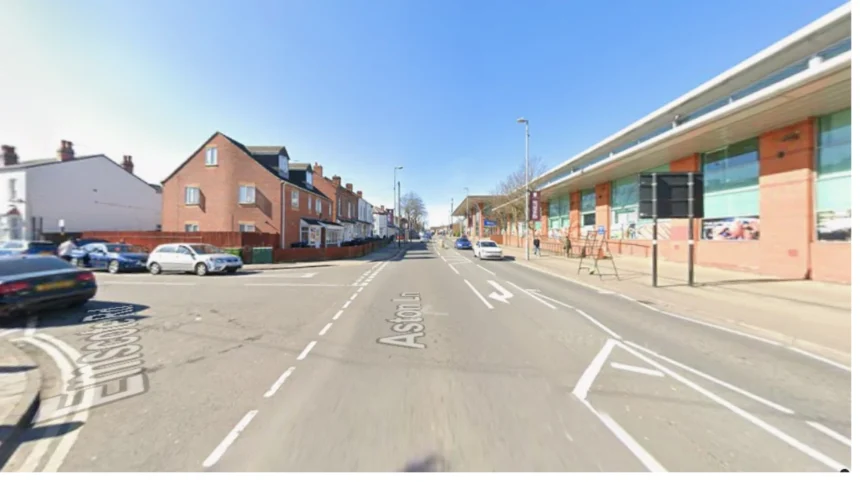
The primary infrastructure network in Birmingham includes major trunk roads, urban arterials, and high-capacity motorways like the M6, M42, M5, and A38(M) Aston Expressway. High traffic volume, strategic highway maintenance, public transport expansions, and essential utility repairs frequently lead to localized congestion, lane closures, and planned diversions across key transportation corridors. Understanding how traffic management policies operate helps commuters choose optimal travel routes, reduce travel times, and minimize vehicle emissions.
Why Are Birmingham Roadworks and Traffic Issues So Prevalent?
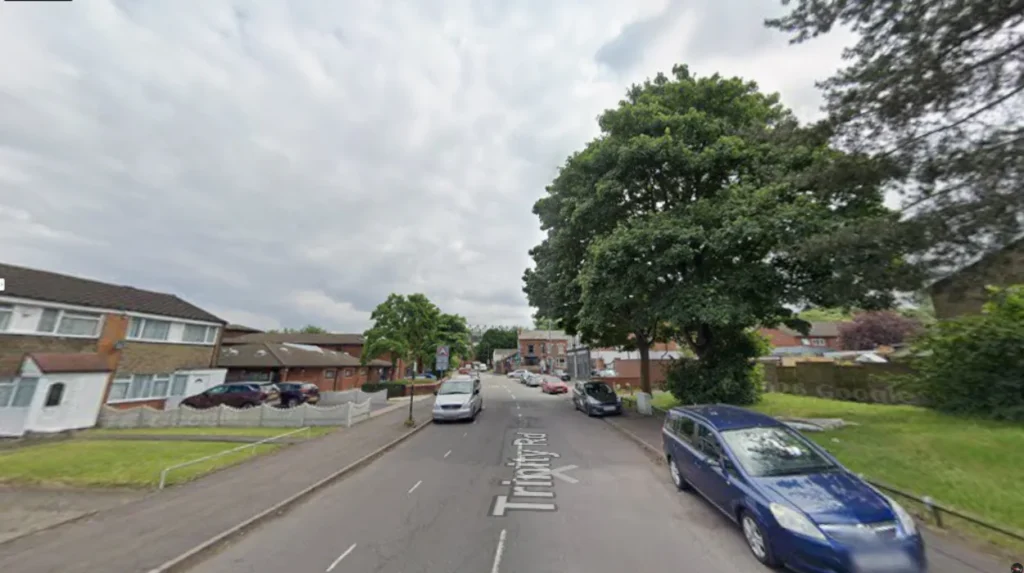
Birmingham roadworks are prevalent due to the necessity of updating aging transport infrastructure, expanding public transit systems, and managing extreme vehicle throughput on central trade networks. The city acts as a major hub for national road transit in the United Kingdom, connecting northern and southern commercial centers.
Infrastructure projects such as the Birmingham Transport Plan, the Midlands Metro expansion, and ongoing bridge maintenance like the Tame Valley Viaduct scheme require extensive road closures and lane reductions. Essential utility maintenance conducted by gas, water, electricity, and telecommunications providers further adds to temporary road obstructions throughout urban boroughs.
These essential upgrades address population growth, structural degradation, and long-term environmental sustainability targets established by local government bodies.
How Does Highway Infrastructure Impact Birmingham Travel Times?
Highway infrastructure impacts travel times through capacity limitations, funneling effects at major junctions, and continuous structural maintenance on high-density motorways. Network nodes such as M6 Junction 6, commonly known as Spaghetti Junction, process over 200,000 vehicles daily, making minor disruptions impactful across the region.
Major expressways and motorways experience bottleneck effects during morning and evening peak commuting hours, specifically between 07:30 and 09:30 and between 16:30 and 18:30. Traffic management systems, such as variable speed limits and smart motorway enforcement, dynamically manage vehicle speeds to prevent total gridlock during peak hours. Infrastructure upgrades ultimately enhance safety standards and long-term capacity, despite causing short-term travel delays during physical construction phases.
What Roles Do Local Authorities and National Highways Play?
National Highways manages strategic motorways and trunk roads, while Birmingham City Council oversees local urban streets, signalized intersections, and municipal transport policies. Both institutions coordinate through regional traffic operations centers to monitor congestion levels and execute planned maintenance programs.
National Highways is responsible for major road projects on the M6, M42, and M5 motorways, implementing large-scale repairs, safety barrier installations, and junction reconfigurations. Birmingham City Council oversees local road permitting, pedestrianization projects, urban speed limits, and traffic regulation orders under national legislation. Highway authorities issue legal permits to utility companies to regulate road access, ensuring minimal conflict between competing public construction projects.
Which Major Transport Projects Drive Long-Term Construction Delays?
Major transport projects driving long-term delays include the Birmingham Transport Plan, the West Midlands Metro tram line extensions, and major structural refurbishments. Public sector investments aim to redistribute travel modes away from private private vehicles toward mass public transportation systems.
The refurbishment of the A38(M) Tame Valley Viaduct represents a multi-year engineering project requiring continuous lane modifications and structural stabilization. Public transport expansion projects, such as the Wednesbury to Brierley Hill Metro extension and the Eastside Metro link, require extensive excavation along major urban thoroughfares. High Speed 2 railway construction around Curzon Street Station involves long-term diversion routes, utility relocations, and localized road reconfigurations near the city center.
How Can Drivers Monitor Real-Time Traffic Updates in Birmingham?
Drivers can monitor real-time traffic updates through digital navigation services, live traffic monitoring platforms, local authority bulletins, and official public broadcasting channels. Monitoring these sources allows road users to adjust departure times and select alternative driving routes before encountering active congestion zones.
Digital monitoring services compile real-time transport data from traffic cameras, GPS movement metrics, and physical road sensors embedded in major carriageways. National Highways operates online live updates, providing specific details regarding motorway accidents, lane closures, and scheduled night maintenance. Birmingham City Council publishes transport bulletins, while platforms like one.network detail municipal street works, temporary signal locations, and emergency utility disruptions.
What Are the Traffic Rules Regarding the Birmingham Clean Air Zone?
The Birmingham Clean Air Zone operates as an environmental traffic regulation zone designed to reduce dangerous nitrogen dioxide emissions in the central city area. Vehicles that do not meet specific European emission standards must pay a daily charge to drive within the designated zone boundaries.
The Clean Air Zone covers all roads within the A4540 Middleway Ring Road, enforcing regulations 24 hours a day, 365 days a year. Non-compliant private cars, taxis, and vans face daily charges, while non-compliant heavy goods vehicles and buses pay higher daily entry fees. Automatic Number Plate Recognition cameras enforce the zone by scanning vehicle license plates at entry points and cross-referencing registration records with national vehicle emission databases.
How Do Unexpected Accidents and Weather Incidents Disrupt Traffic?
Unexpected accidents and weather incidents disrupt traffic by suddenly reducing carriageway capacity, forcing emergency road closures, and creating immediate traffic backlogs across secondary road networks. Structural incidents on main routes force large volumes of traffic onto unprepared suburban diverted routes.
Traffic accidents require rapid response from emergency services, incident management teams, and vehicle recovery contractors to restore normal traffic flow. Adverse weather events, such as heavy rain, localized flash flooding, snow, and severe ice, reduce vehicle traction and safe braking distances, leading to speed reductions and lane closures. Emergency road closures enacted during storm events protect public safety but rapidly strain surrounding network capacity.
How Does Public Transport Offer Alternatives to Driving in Birmingham?
Public transport offers reliable travel alternatives through an integrated network of suburban rail lines, extensive bus corridors, and expanding light rail tram connections. Utilizing public transit helps commuters avoid inner-city parking costs, traffic congestion, and Clean Air Zone daily charges.
West Midlands Railway operates suburban rail services connecting central stations like Birmingham New Street, Moor Street, and Snow Hill to surrounding regional towns. Transport for West Midlands manages bus routes featuring dedicated bus lanes that bypass general vehicular traffic queues during peak hours. Park and Ride facilities located at commuter railway stations permit drivers to park outside the city center and complete their journey via rail or tram.
How can I check live roadworks in Birmingham before traveling?
You can check live roadworks using official platforms like one.network, National Highways live updates, and local council bulletins. Apps like Google Maps and Waze also provide real-time crowd-sourced data on traffic jams, lane closures, and accident delays.
Is the Birmingham Clean Air Zone active during roadworks diversions?
Yes, the Clean Air Zone remains active 24 hours a day, including during ongoing roadworks. However, if an official council diversion route directs non-compliant vehicles through the zone, drivers following the designated signs are typically exempt from charges for that journey.
What are the peak traffic hours to avoid in Birmingham?
Peak traffic hours in Birmingham generally run from 07:30 to 09:30 in the morning and 16:30 to 18:30 in the evening on weekdays. Traveling outside these core hours significantly reduces travel times, particularly on major routes like the A38(M), M6, and Middleway Ring Road.
How do I report a dangerous pothole or road hazard in Birmingham?
You can report road hazards, broken streetlights, or dangerous potholes directly through the Birmingham City Council online portal. For dangerous debris or emergency hazards on motorways like the M6 or M42, contact National Highways directly.
Are public transport buses delayed by Birmingham roadworks?
Yes, buses can experience delays due to general road congestion and temporary roadworks. However, many major routes feature dedicated bus lanes that bypass queueing traffic, making public transit a faster option during peak hours.