Birmingham is the second-largest city in England and one of the United Kingdom’s most significant industrial, cultural, and educational centres. Weather conditions in the city often change rapidly throughout the year. Rainfall, strong winds, and cold temperatures frequently affect visitor itineraries. Understanding Birmingham’s indoor attractions, historic institutions, and cultural venues allows visitors to continue exploring the city regardless of weather conditions.
- Why does Birmingham remain an attractive destination during bad weather?
- What historical attractions can visitors explore indoors in Birmingham?
- How do Birmingham’s museums explain the city’s industrial history?
- Which historic buildings provide shelter and cultural value during poor weather?
- What cultural institutions help visitors understand Birmingham’s heritage?
- How can visitors spend a full rainy day exploring Birmingham’s arts and entertainment scene?
- Why is Birmingham’s Jewellery Quarter important to the city’s history?
- How do Birmingham’s indoor attractions support historical education?
- What lasting historical legacy makes Birmingham worth visiting in any season?
This guide explains how to enjoy Birmingham when outdoor plans become impractical. It examines the city’s museums, heritage sites, historic buildings, entertainment venues, educational institutions, and cultural landmarks that provide meaningful experiences during poor weather conditions. It also places these locations within Birmingham’s broader historical development, demonstrating how the city evolved from a medieval market settlement into a global industrial centre.
Why does Birmingham remain an attractive destination during bad weather?
Birmingham offers a concentration of museums, historic buildings, cultural institutions, shopping districts, and educational attractions that operate throughout the year. These venues preserve the city’s industrial heritage, artistic achievements, and social history while providing sheltered environments for visitors regardless of weather conditions.
Birmingham developed into a major urban centre during the Industrial Revolution. Its economic success created substantial civic investment in public buildings, museums, libraries, theatres, and educational institutions. Many of these structures remain active today and form the foundation of the city’s indoor visitor economy.
The city receives an average annual rainfall of approximately 700 millimetres. This climatic reality influenced urban planning and encouraged the development of covered markets, public galleries, libraries, and entertainment venues. These facilities continue serving residents and tourists throughout all seasons.
Modern Birmingham combines Victorian architecture, industrial heritage, and contemporary cultural infrastructure. Visitors can move between major attractions using pedestrian routes, public transport systems, and interconnected city-centre developments without relying on favourable weather conditions.
What historical attractions can visitors explore indoors in Birmingham?
Birmingham preserves extensive indoor historical attractions, including museums, heritage collections, preserved industrial exhibits, and archival institutions. These sites document the city’s transformation from a medieval market town into a leading centre of manufacturing, innovation, and cultural development.
The most significant indoor heritage attraction is the Birmingham Museum and Art Gallery. Established in 1885, the institution houses collections covering archaeology, local history, decorative arts, and fine art. The museum preserves evidence of Birmingham’s industrial expansion and civic development during the nineteenth century.
Its collections include artefacts from multiple eras, for example Roman Britain, Anglo-Saxon England, and Victorian Birmingham. These exhibits help visitors understand how settlement patterns, trade networks, and industrialisation shaped the region.
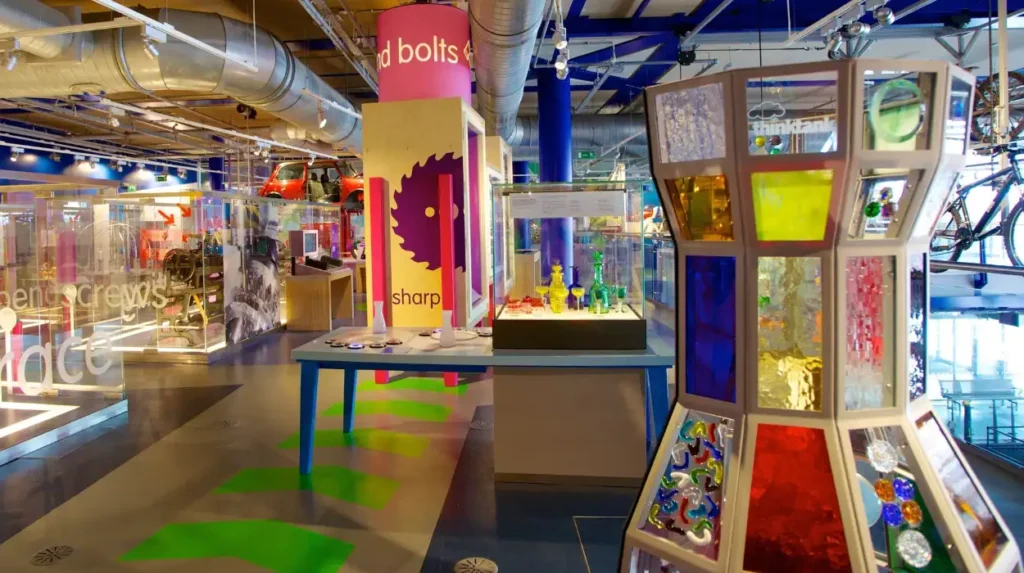
Another important destination is Thinktank Birmingham Science Museum. The museum documents scientific and technological innovation associated with Birmingham’s manufacturing economy. Exhibits explain developments in engineering, transport, steam power, and industrial production.
Industrial heritage remains central to Birmingham’s identity. Historical collections demonstrate how local inventors, manufacturers, and entrepreneurs contributed to national economic growth. The city played a critical role in metalworking, jewellery production, and mechanical engineering throughout the eighteenth and nineteenth centuries.
Many visitors interested in Birmingham’s evolution also seek practical travel information. To experience the city’s historic landmarks in person today, consult our comprehensive [Top Indoor Things to Do in Birmingham During Rainy Days] for itineraries and visiting parameters.
How do Birmingham’s museums explain the city’s industrial history?
Birmingham’s museums interpret industrial history through machinery, manufacturing artefacts, engineering collections, and educational exhibitions. These resources explain how industrialisation transformed employment, urban growth, technological innovation, and social conditions across the city and wider region.
The Industrial Revolution fundamentally altered Birmingham between approximately 1760 and 1840. During this period, population growth accelerated and manufacturing output expanded significantly. Workshops evolved into larger industrial enterprises, creating new forms of employment and production.
Museum exhibits frequently focus on key industries. These industries included metalworking, for example brass production; jewellery manufacturing, for example gemstone settings; and engineering, for example steam-powered machinery.
The city became internationally recognised for innovation. Inventors and manufacturers adopted new production methods that increased efficiency and output. Museums use original machinery, historical documents, and interactive displays to explain these technological changes.
Educational exhibits also examine the social consequences of industrialisation. Population growth increased demand for housing, sanitation, transport infrastructure, and public services. Civic authorities responded by investing in libraries, schools, museums, and public buildings.
These developments created many of the institutions visitors encounter today. Understanding this connection helps explain why Birmingham possesses such a dense concentration of indoor cultural attractions.
Which historic buildings provide shelter and cultural value during poor weather?
Birmingham contains numerous historic buildings that combine architectural significance with indoor visitor experiences. These structures preserve Victorian, Edwardian, and medieval influences while illustrating changing civic priorities, economic prosperity, and cultural investment across several centuries.
Among the city’s most important landmarks is Birmingham Town Hall. Completed in 1834, the building was inspired by classical Roman architecture. It became a centre for public meetings, concerts, and civic ceremonies.
The structure reflects Birmingham’s growing economic confidence during the nineteenth century. Industrial wealth funded ambitious architectural projects intended to demonstrate civic achievement and cultural sophistication.
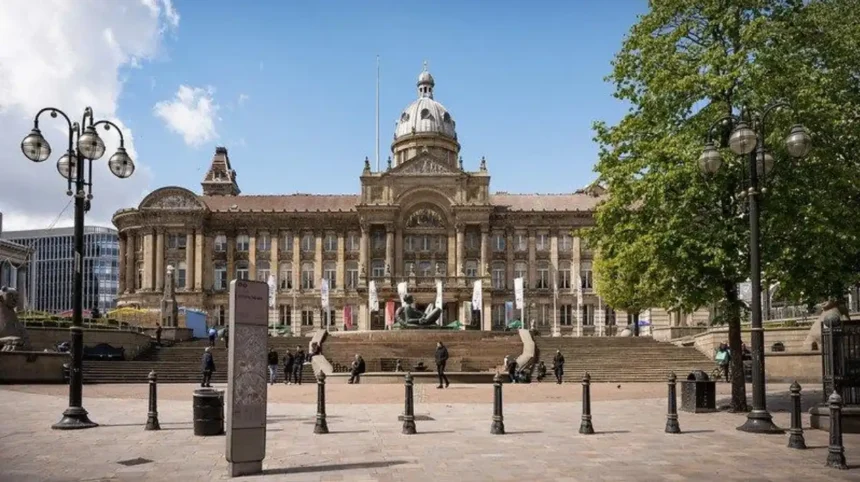
Another notable site is Council House Birmingham. Opened in 1879, the building served as the administrative heart of local government. Its architecture reflects Victorian civic ideals and the desire to project stability, authority, and progress.
Historic religious buildings also offer indoor exploration opportunities. Birmingham Cathedral, originally completed in the early eighteenth century, contains important artistic and architectural features. Visitors can study ecclesiastical architecture while learning about Birmingham’s religious history.
These buildings represent different eras, for example Georgian development, Victorian expansion, and modern restoration initiatives.
What cultural institutions help visitors understand Birmingham’s heritage?
Birmingham’s cultural institutions preserve archives, artworks, performance traditions, and historical records that document the city’s social development. These organisations provide educational resources that explain how Birmingham evolved culturally, economically, and demographically over several centuries.
Cultural institutions play a crucial role in preserving historical knowledge. Libraries, archives, galleries, and theatres maintain records that support research, education, and public engagement.
The city’s collections document major historical transitions. These transitions include industrialisation, for example factory expansion; urbanisation, for example population growth; and cultural diversification, for example migration-driven community development.
Birmingham experienced significant demographic change during the twentieth century. Migration from different regions of the United Kingdom and overseas contributed to the city’s cultural diversity. Museums and heritage institutions preserve records illustrating these social transformations.
Archival collections contain maps, photographs, municipal documents, census records, and business records. Researchers use these materials to investigate urban development, family history, and industrial change.
Educational programmes help visitors interpret these resources. Exhibitions place local history within broader national and international contexts, making complex historical developments accessible to general audiences.
How can visitors spend a full rainy day exploring Birmingham’s arts and entertainment scene?
Birmingham offers theatres, concert venues, galleries, cinemas, and performance spaces that provide all-day indoor experiences. These venues showcase artistic traditions while reflecting the city’s long-standing investment in culture, education, and public entertainment.
Public entertainment has been important in Birmingham for centuries. During the nineteenth century, population growth increased demand for cultural venues. Civic leaders invested in theatres, music halls, and public performance spaces.
Today, institutions such as Symphony Hall continue this tradition. The venue hosts orchestral performances, educational programmes, and cultural events throughout the year.
Art galleries provide another weather-independent activity. Collections include historical works, contemporary pieces, and exhibitions examining social and political themes. These displays help visitors understand how artistic expression evolved alongside economic and cultural change.
Performance venues contribute to Birmingham’s identity as a regional cultural capital. They attract audiences from across the Midlands and support a diverse programme of events.
The city’s arts sector demonstrates the lasting impact of nineteenth-century civic investment. Buildings originally created to promote public education and cultural enrichment continue serving similar purposes today.
Why is Birmingham’s Jewellery Quarter important to the city’s history?
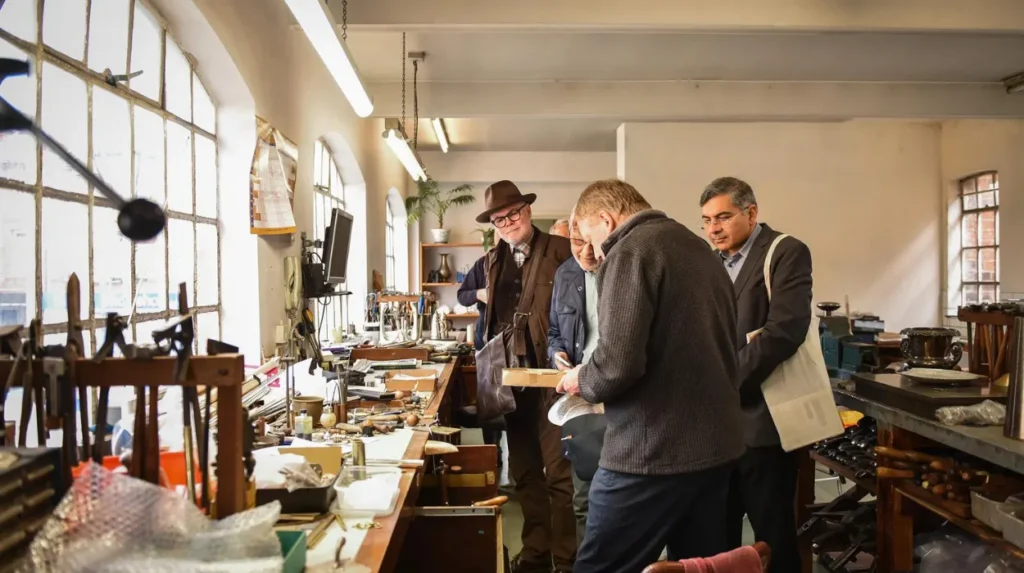
The Jewellery Quarter represents one of Europe’s most significant jewellery manufacturing districts. Its workshops, museums, and preserved industrial buildings illustrate Birmingham’s role in global production, skilled craftsmanship, and industrial innovation from the eighteenth century onward.
The Jewellery Quarter emerged during the eighteenth century as specialised manufacturing expanded. Skilled workers established workshops focused on jewellery production, metalworking, engraving, and related trades.
By the late nineteenth century, the district had become internationally recognised. Thousands of workers participated in production processes that supplied domestic and international markets.
Historic buildings throughout the area preserve evidence of industrial organisation. Visitors can observe workshop layouts, production methods, and architectural features associated with manufacturing activities.
The district demonstrates how specialised industries shaped urban development. Economic success generated employment opportunities, attracted investment, and encouraged population growth.
Preservation initiatives protect many historic structures today. These efforts ensure that future generations can study Birmingham’s manufacturing heritage through surviving buildings and collections.
The area remains an important example of industrial conservation. It illustrates how historic workplaces can be adapted for contemporary educational and cultural use while retaining their historical significance.
How do Birmingham’s indoor attractions support historical education?
Indoor attractions support historical education through exhibitions, archival resources, interpretation programmes, and preserved artefacts. These educational tools help visitors understand historical processes, significant events, and the long-term development of Birmingham and the wider United Kingdom.
Museums and heritage institutions increasingly emphasise educational engagement. Exhibitions are designed to communicate complex historical information clearly and accurately.
Educational themes often focus on long-term developments. These developments include industrial growth, for example manufacturing expansion; technological innovation, for example steam engineering; and urban planning, for example civic infrastructure projects.
Primary-source materials provide important evidence. Historical documents, photographs, maps, and artefacts allow visitors to examine original records rather than simplified summaries.
Many institutions collaborate with schools, universities, and researchers. These partnerships strengthen public understanding of local history and encourage historical literacy.
Interactive exhibitions support engagement across different age groups. Visitors can explore historical topics through multimedia displays, reconstructed environments, and object-based learning experiences.
Such approaches make Birmingham’s history accessible while maintaining academic credibility and factual accuracy.
What lasting historical legacy makes Birmingham worth visiting in any season?
Birmingham’s enduring significance stems from its industrial achievements, civic institutions, architectural heritage, and cultural contributions. These historical assets remain visible throughout the city and continue attracting researchers, tourists, educators, and heritage enthusiasts regardless of seasonal conditions.
The city’s historical importance extends beyond regional boundaries. Birmingham played a major role in Britain’s industrial development and contributed significantly to technological innovation, manufacturing, and urban growth.
Its legacy is visible through preserved buildings, museums, archives, and cultural institutions. These resources document centuries of economic and social transformation.
Several historical periods remain particularly influential. These periods include medieval commercial growth, for example market development; Industrial Revolution expansion, for example factory production; and Victorian civic investment, for example museum construction.
Preservation efforts continue protecting historic structures and collections. Heritage organisations, local authorities, and cultural institutions maintain sites that illustrate Birmingham’s historical evolution.
For visitors facing poor weather, this concentration of indoor heritage assets creates a practical advantage. Rain does not prevent meaningful exploration because many of the city’s most important historical resources are located within museums, galleries, archives, theatres, and preserved civic buildings.
As a result, Birmingham remains a destination where history, culture, education, and heritage can be experienced throughout the year. Its indoor attractions reveal the forces that shaped one of Britain’s most influential cities while providing engaging and informative experiences regardless of weather conditions.
What are the best indoor attractions in Birmingham during rainy weather?
Some of Birmingham’s most popular indoor attractions include Birmingham Museum and Art Gallery, Thinktank Birmingham Science Museum, the Library of Birmingham, the Jewellery Quarter Museum, Birmingham Cathedral, and Symphony Hall. These venues offer historical, educational, and cultural experiences regardless of weather conditions.