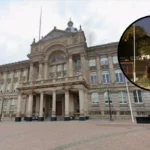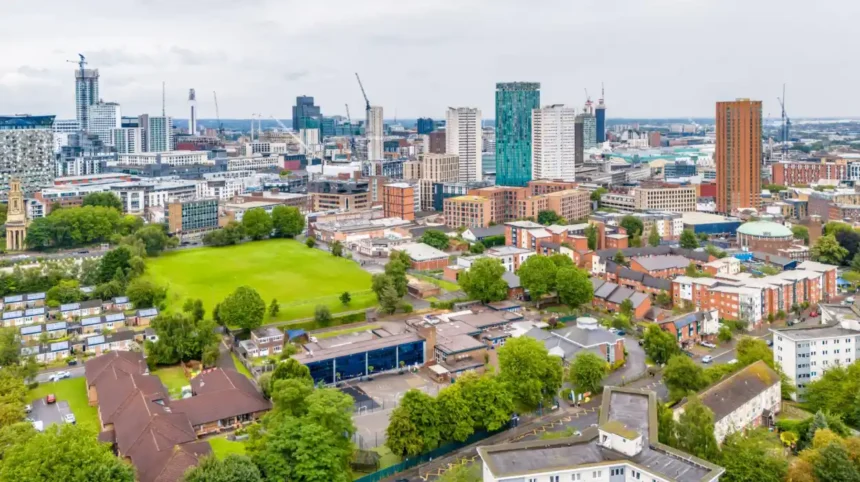
Birmingham is England’s second-largest city and one of Europe’s greenest major urban centres. The city manages more than 8,000 acres (around 3,200 hectares) of parks, nature reserves, woodlands, playing fields, and public open spaces. These landscapes reflect over 200 years of urban planning, industrial expansion, conservation, and community development. From Victorian civic parks to medieval woodland remnants and internationally significant botanical collections, Birmingham’s green spaces combine historical importance with modern recreation, biodiversity, and cultural heritage.
- Why are Birmingham’s parks and green spaces historically important?
- Which Birmingham parks are considered the city’s most significant?
- How did Birmingham’s parks develop during the Victorian era?
- What wildlife and biodiversity make Birmingham’s parks environmentally significant?
- Which historic landscape features can visitors still see today?
- How do Birmingham’s parks contribute to education and heritage preservation?
- What role do Birmingham’s green spaces play in modern city life?
- How has Birmingham protected its parks for future generations?
- Why do Birmingham’s parks remain among England’s greatest urban assets?
Why are Birmingham’s parks and green spaces historically important?
Birmingham’s parks preserve over two centuries of urban history, industrial development, landscape architecture, and environmental conservation. They demonstrate how public green spaces improved health, recreation, education, biodiversity, and civic identity while protecting historic landscapes that remain accessible throughout the modern city today.
Public parks became increasingly important during the nineteenth century as Birmingham rapidly expanded during the Industrial Revolution. Factory growth transformed the city into one of Britain’s largest manufacturing centres. Rising population density created demand for open spaces where residents could exercise, relax, and escape polluted industrial districts.
The Victorian era introduced municipal investment in public recreation. Local authorities acquired estates, landscaped gardens, and former agricultural land to improve public health. These initiatives aligned with wider reforms promoting sanitation, education, and social welfare throughout Britain.
Many Birmingham parks originated from private estates owned by influential families before transferring into public ownership. Others were purpose-built by the municipal government. Together they illustrate changing attitudes towards conservation, recreation, and urban planning.
Today these parks support wildlife conservation, heritage preservation, sports, education, tourism, and climate resilience. Historic lakes, formal gardens, woodlands, archaeological remains, and protected habitats continue serving millions of annual visitors.
Which Birmingham parks are considered the city’s most significant?
Several Birmingham parks represent outstanding examples of historic landscape design, ecological conservation, and public recreation. Cannon Hill Park, Sutton Park, Birmingham Botanical Gardens, Lickey Hills Country Park, and Kings Heath Park collectively illustrate different phases of Birmingham’s environmental and cultural development across several centuries.
Sutton Park
Sutton Park ranks among Europe’s largest urban parks, covering approximately 2,400 acres (970 hectares). It received National Nature Reserve designation in 1997, recognising its exceptional ecological importance.
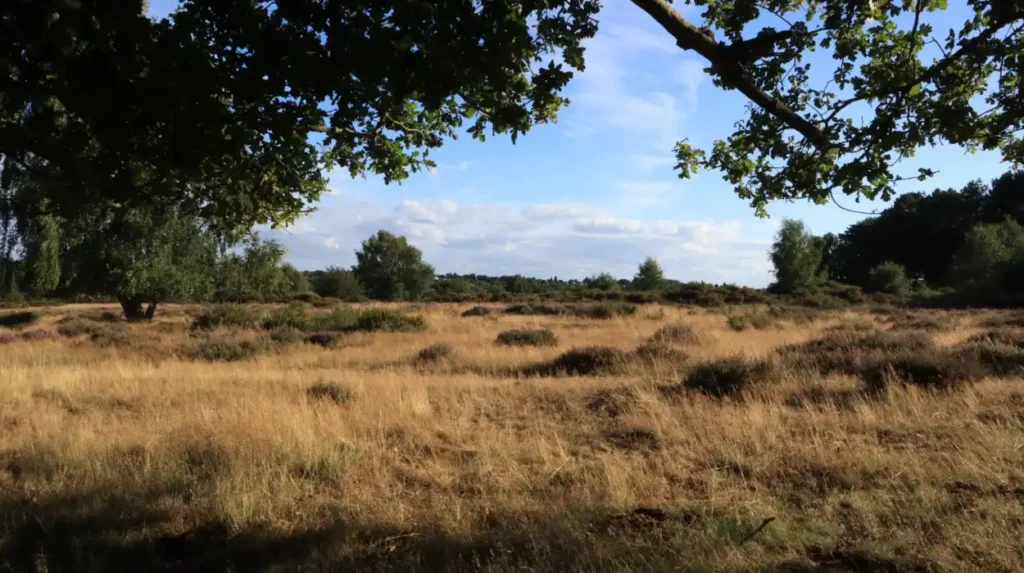
The landscape contains seven lakes, extensive heathland, ancient woodland, wetlands, marshes, and grassland habitats. These diverse environments support hundreds of plant, bird, insect, amphibian, and mammal species. Examples include great crested newts, woodpeckers, dragonflies, and fallow deer.
Its origins extend back over one thousand years. The medieval Royal Forest of Sutton Coldfield protected hunting grounds before later becoming common land under the stewardship of local authorities.
The park also contains archaeological remains spanning Roman, medieval, and post-medieval periods. These historic features contribute to ongoing archaeological research into settlement patterns surrounding Birmingham.
Cannon Hill Park
Cannon Hill Park opened in 1873 after landowner Louisa Ryland donated approximately 24 hectares to Birmingham Corporation. Additional land purchases expanded the park to more than 80 hectares.
Landscape architect Richard Vertegans designed formal gardens, lakes, tree-lined avenues, and recreational spaces reflecting Victorian principles of public health and civic pride.
The park later became home to the Midlands Arts Centre (MAC), strengthening its role as both a cultural and recreational destination.
Large events, sporting activities, educational programmes, boating facilities, and seasonal festivals continue attracting visitors throughout the year.
Birmingham Botanical Gardens
Founded in 1829, Birmingham Botanical Gardens occupies approximately 15 acres near Edgbaston.
Landscape designer John Claudius Loudon created the original masterplan using scientific principles that influenced botanical gardens throughout Britain during the nineteenth century.
The gardens contain more than 7,000 documented plant species representing tropical, subtropical, Mediterranean, and temperate climates. Examples include orchids, palms, bonsai collections, and alpine plants.
Historic glasshouses remain central attractions and demonstrate nineteenth-century engineering techniques used to cultivate exotic species.
The institution continues supporting botanical research, environmental education, and international plant conservation initiatives.
Lickey Hills Country Park
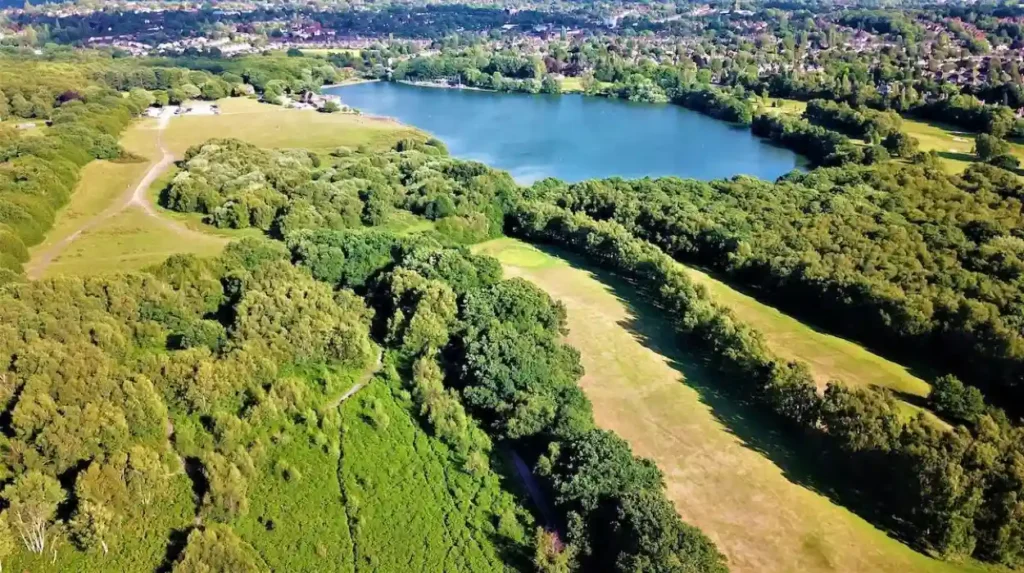
Lickey Hills Country Park covers approximately 524 acres southwest of Birmingham.
The landscape combines woodland, heathland, geological formations, grassland, and panoramic viewpoints overlooking Worcestershire and the West Midlands.
Geological evidence demonstrates volcanic activity dating back approximately 700 million years. These rock formations make Lickey Hills significant for geological education alongside ecological conservation.
Walking routes, wildlife habitats, visitor education programmes, and protected landscapes maintain the park’s importance today.
Kings Heath Park
Kings Heath Park developed from a Victorian private estate before becoming public property during the twentieth century.
The park preserves ornamental gardens, mature trees, heritage glasshouses, tennis courts, and seasonal floral displays.
It regularly hosts horticultural competitions and educational events promoting sustainable gardening and biodiversity.
How did Birmingham’s parks develop during the Victorian era?
Victorian Birmingham transformed private estates into public parks through municipal investment, philanthropy, and public health reform. Landscape architecture, ornamental planting, recreation facilities, and civic pride shaped many green spaces that remain central to Birmingham’s urban environment today.
The nineteenth century marked Birmingham’s greatest period of park creation.
Industrialisation increased overcrowding across residential districts. Public officials recognised links between fresh air, physical exercise, sanitation, and improved public health.
The Public Health Acts encouraged local governments across Britain to provide healthier urban environments.
Influential industrialists and philanthropists donated land to Birmingham Corporation. Their contributions reflected Victorian beliefs that attractive surroundings promoted moral improvement, education, and social stability.
Landscape designers incorporated lakes, ornamental flower beds, tree avenues, bandstands, sports fields, and walking paths.
Victorian parks also included decorative gates, lodges, fountains, statues, and conservatories, demonstrating advances in engineering and horticulture.
Many original design principles remain visible despite modern improvements.
What wildlife and biodiversity make Birmingham’s parks environmentally significant?
Birmingham’s parks support nationally important biodiversity through woodlands, wetlands, rivers, grasslands, heathlands, and nature reserves. These habitats protect native wildlife while strengthening ecological resilience, environmental education, scientific monitoring, and urban climate adaptation across the metropolitan landscape.
Urban biodiversity has become increasingly valuable as cities expand.
Birmingham contains hundreds of designated Local Nature Reserves, Sites of Importance for Nature Conservation, and protected habitats.
Ancient woodland preserves tree species that have survived for several centuries. Examples include English oak, beech, ash, and holly.
Wetland habitats support amphibians, aquatic insects, fish, and migratory birds. Examples include kingfishers, herons, mallards, and moorhens.
Grasslands provide habitats for pollinating insects essential for ecosystem health. Examples include bees, butterflies, hoverflies, and moths.
Conservation programmes manage invasive species, restore native vegetation, improve water quality, and monitor wildlife populations using scientific surveys.
Climate adaptation initiatives increasingly rely upon urban parks to reduce flood risk, lower temperatures, improve air quality, and capture atmospheric carbon.
Which historic landscape features can visitors still see today?
Historic landscape features remain highly visible throughout Birmingham’s parks. Victorian lakes, ornamental gardens, mature tree avenues, heritage glasshouses, medieval woodland, historic bridges, monuments, and archaeological remains preserve centuries of landscape evolution within accessible public spaces.
Many original Victorian landscape elements survive remarkably well.
Artificial lakes constructed during the nineteenth century continue supporting boating, wildlife habitats, and scenic recreation.
Historic bandstands illustrate the popularity of public musical performances during Victorian Britain.
Stone bridges, ornamental railings, decorative entrances, and heritage lodges preserve traditional craftsmanship.
Ancient woodland demonstrates continuity predating Birmingham’s industrial expansion.
Some parks contain archaeological evidence of medieval farming, Roman activity, and former estates.
These surviving features allow historians, archaeologists, educators, and visitors to interpret Birmingham’s changing relationship with landscape and urban development.
To experience these historic landscapes in person today, consult our comprehensive [How to Choose the Best Parks and Green Spaces in Birmingham] for itineraries and visiting parameters.
How do Birmingham’s parks contribute to education and heritage preservation?
Birmingham’s parks function as outdoor classrooms preserving natural history, archaeology, landscape architecture, ecology, and local heritage. Schools, universities, conservation organisations, museums, and community volunteers use these spaces to support research, interpretation, and lifelong learning.
Educational programmes operate throughout the year.
Primary schools introduce biodiversity and environmental science through guided visits.
Universities conduct ecological monitoring, geological research, archaeological investigations, and conservation management.
Volunteer organisations restore habitats, maintain historic gardens, remove invasive species, and record wildlife observations.
Interpretation boards explain historical developments, geological formations, notable trees, and protected species.
Botanical collections provide living resources supporting horticultural education and international scientific collaboration.
Heritage preservation ensures future generations understand Birmingham’s environmental history alongside its industrial achievements.
What role do Birmingham’s green spaces play in modern city life?
Birmingham’s green spaces strengthen public health, recreation, biodiversity, tourism, cultural identity, and climate resilience. Historic landscapes now support contemporary communities through walking, cycling, organised sport, festivals, wildlife conservation, education, and sustainable urban development across every season.
Modern parks accommodate diverse recreational activities.
Walking routes encourage physical exercise.
Cycling infrastructure connects residential neighbourhoods.
Sports facilities host football, cricket, tennis, athletics, and community events. Examples include junior football leagues, local cricket competitions, and public tennis programmes.
Outdoor festivals celebrate culture, food, music, and environmental awareness. Examples include community fairs, horticultural exhibitions, and educational wildlife events.
Urban forests reduce air pollution while improving mental wellbeing.
Green infrastructure also contributes to flood management through sustainable drainage systems and restored wetlands.
These benefits demonstrate why investment in historic parks remains essential for future urban planning.
How has Birmingham protected its parks for future generations?
Long-term conservation combines legal protection, heritage restoration, biodiversity management, community engagement, and sustainable planning. Birmingham’s parks continue evolving while preserving their historic character, ecological importance, and educational value for future residents, researchers, and visitors.
Conservation strategies operate across multiple levels.
National designations protect ecologically significant landscapes.
Historic England guidance supports restoration of heritage features where appropriate.
Local planning policies prevent inappropriate development affecting protected green spaces.
Professional landscape managers oversee tree health, habitat restoration, water management, and visitor infrastructure.
Volunteer organisations contribute thousands of annual conservation hours maintaining trails, planting native vegetation, and recording wildlife.
Digital mapping, ecological surveys, and historical documentation strengthen evidence-based management decisions.
These collaborative efforts ensure Birmingham’s historic parks remain resilient despite changing environmental conditions and increasing visitor numbers.
Why do Birmingham’s parks remain among England’s greatest urban assets?
Birmingham’s parks combine exceptional historical significance, environmental diversity, architectural heritage, and public accessibility. Together they preserve centuries of landscape evolution while supporting recreation, scientific research, conservation, education, tourism, and sustainable urban living for millions of visitors every year.
The city’s green network reflects continuous adaptation rather than static preservation.
Medieval woodland survives alongside Victorian civic parks.
Historic estates coexist with internationally important botanical collections.
Nature reserves protect biodiversity within one of Britain’s largest metropolitan areas.
These landscapes demonstrate how urban planning evolved from industrial necessity into long-term environmental stewardship.
For historians, they preserve tangible evidence of Birmingham’s development.
For educators, they provide accessible learning environments.
For conservationists, they safeguard nationally significant habitats.
For visitors, they offer opportunities to experience Birmingham beyond its industrial heritage.
As Birmingham continues expanding, its parks remain fundamental to cultural identity, environmental resilience, and quality of life. Their historical foundations, ecological richness, and continuing public value ensure they will remain among the city’s defining characteristics for generations to come.
What is the largest park in Birmingham?
Sutton Park is the largest park in Birmingham, covering approximately 2,400 acres (970 hectares). It is also one of Europe’s largest urban parks and is designated as a National Nature Reserve.