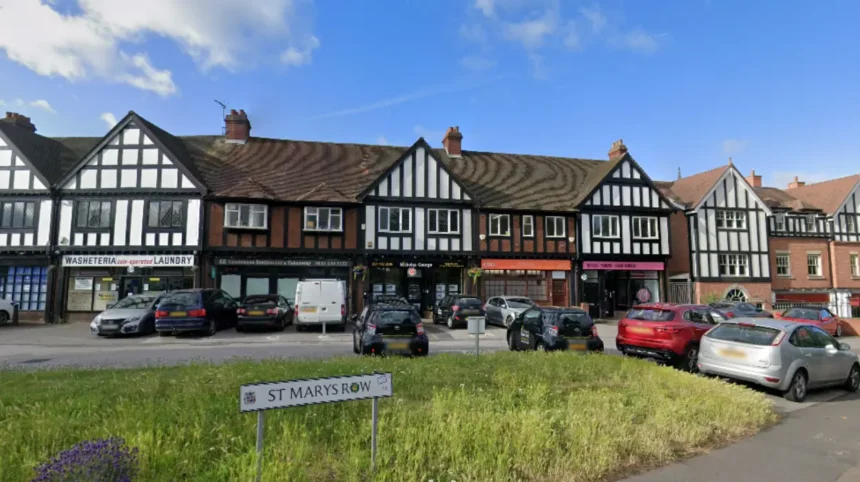
Understanding Birmingham Property Prices Across Different Areas is essential for homebuyers and property investors seeking accurate UK real estate market valuations.
- What Is the Average House Price Across Birmingham postcodes?
- Which Birmingham Areas Offer the Highest Property Investment Returns?
- How Do Property Prices in Prime Birmingham Suburbs Compare?
- What Factors Are Driving Housing Market Growth in Birmingham?
- How Have Historical Property Values Shifted in Birmingham?
- What Future Trends Will Shape Birmingham Real Estate Prices?
Official HM Land Registry figures show the average property price in Birmingham reaches £234,000, with distinct geographic price variations across central postcodes, prime southern suburbs, and emerging northern districts.
The Birmingham residential housing market operates as a multi-layered economic environment driven by localized supply and demand. Capital growth is heavily influenced by major municipal infrastructure projects like High Speed 2 at Curzon Street and city center regeneration plans under the Big City Plan.
Distinct property archetypes define individual postal codes, ranging from high-density modern city center apartments in B1 to expansive Victorian and Edwardian detached freeholds in B15 and B17.
Historical transaction records illustrate sustained long-term capital growth across the West Midlands urban region. Over the past three decades, residential valuations in Birmingham have risen significantly, supported by demographic expansion, higher education institutions, and major commercial corporate relocations.
Understanding localized housing metrics allows buyers and institutional investors to navigate yield profiles, gross rental returns, and capital appreciation prospects across diverse suburban micro-markets.
What Is the Average House Price Across Birmingham postcodes?
The average property price in Birmingham stands at £234,000, but postcode sector valuations range from £145,000 in inner-city flats to over £443,000 for suburban detached homes.
HM Land Registry data indicates significant valuation spreads between central urban postcodes and affluent suburban residential zones.
The wider Birmingham housing market exhibits broad economic tiering across its core postal districts. Central urban postcodes such as B1, B3, and B5 contain smaller median figures due to high concentration levels of leasehold flats and studio apartments.
These inner-city dwellings attract higher yields for buy-to-let investors but lower individual unit transaction values compared to outer suburban single-family freeholds.
Suburban postal sectors present contrasting structural valuations. Prime residential locations like Edgbaston in B15, Harborne in B17, and Four Oaks in B74 consistently achieve premium price points exceeding regional averages.
These areas benefit from proximity to independent schools, green spaces like Cannon Hill Park, and direct arterial transport corridors into the central business district.
Understanding specific housing typologies explains these postcode disparities. Terraced properties across Birmingham maintain average values around £222,000, whereas semi-detached family homes average £275,000. Detached properties represent the highest equity threshold with typical sales prices reaching £443,000.
Buyers analyzing property valuations must isolate structural building types from baseline postcode averages to calculate true square-footage market rates accurately.
Which Birmingham Areas Offer the Highest Property Investment Returns?
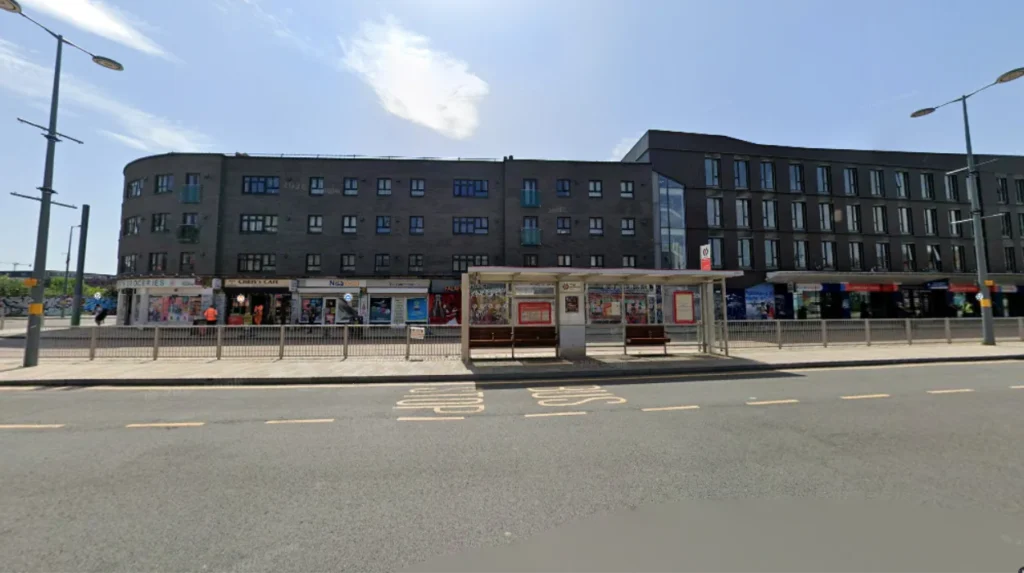
Digbeth, Jewelery Quarter, and Erdington generate the highest investment returns in Birmingham, yielding gross rental returns between 6.0% and 7.5% annually.
High rental demand from working professionals and students supports strong occupancies across these central and emerging suburban districts.
Gross rental yield calculations depend on entering key postal zones at favorable capital baselines. Digbeth in B5 has experienced ongoing capital growth alongside redevelopment under the Eastside Masterplan.
The arrival of major creative hubs and light rail expansions via the West Midlands Metro has elevated private tenancy demand, pushing average monthly rents for two-bedroom apartments above £1,003.
Erdington in B23 and Perry Barr in B42 present alternative investment entry points characterized by lower initial acquisition capital. Traditional brick-built terraced housing in these northern zones provides affordable entry thresholds while generating resilient gross yields.
Investors acquire freehold housing assets at accessible baseline figures, capitalizing on tenant demand driven by regional industrial parks and hospital employment hubs.
Selly Oak in B29 represents a distinct student accommodation market fueled by the nearby University of Birmingham. Houses in Multiple Occupation, commonly referred to as HMOs, allow property owners to optimize rental income per square foot.
Article 4 planning directions managed by Birmingham City Council control HMO conversions, preserving asset values and limiting oversupply across established suburban residential streets.
How Do Property Prices in Prime Birmingham Suburbs Compare?
Edgbaston, Harborne, and Sutton Coldfield command higher property prices than other suburbs, with average values between £325,000 and £472,000.
Historic housing, top-rated schools, and expansive green belts drive sustained buyer demand in these affluent residential enclaves.
Edgbaston in B15 represents one of the most affluent suburban housing markets in the West Midlands region.
Much of the area sits within the historic Calthorpe Estate, which enforces strict architectural conservation overlays and building preservation covenants. Large Victorian villas, converted period apartments, and gated modern enclaves keep sales values high and inventory turnover relatively low.
Harborne in B17 maintains similar premium pricing metrics driven by its village-style High Street, independent commercial units, and proximity to Queen Elizabeth Hospital. Family buyers actively compete for Edwardian semi-detached houses and renovated mid-terrace properties.
The neighborhood’s strong school catchments sustain resale values even during broader national housing market adjustments.
Sutton Coldfield in the northern B74 and B75 sectors operates as an independent affluent suburban enclave. Known for the 2,400-acre Sutton Park, this area features substantial detached properties, private residential estates, and extensive cul-de-sac developments. The table below illustrates the price and structural variance across these prime suburban zones.
What Factors Are Driving Housing Market Growth in Birmingham?
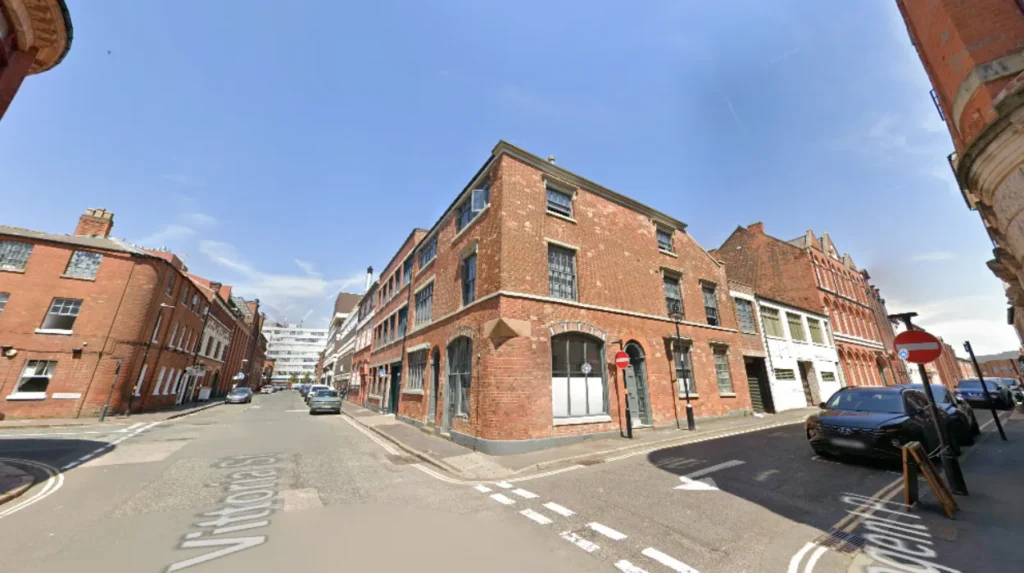
Major infrastructure investments, corporate headquarter relocations, and citywide regeneration schemes drive long-term housing market growth across Birmingham.
High Speed 2 rail construction and municipal redevelopment plans continue attracting domestic migration and institutional private investment capital.
Infrastructure investment remains a crucial economic factor driving property appreciation across central and eastern postcodes.
High Speed 2 rail connections at Curzon Street station will significantly reduce travel times to London Euston to under 50 minutes. This transit link encourages London-based financial and professional services workers to move to Birmingham’s lower-cost housing market.
Corporate relocations have permanently altered employment demographics and regional income levels across the metropolitan area. Major multinational banking institutions, accounting firms, and legal organizations maintain large corporate regional headquarters within Paradise Birmingham and Arena Central. Higher-earning young professionals moving into the city increase demand for luxury city center apartments and close-in suburban homes.
Urban regeneration initiatives led by Birmingham City Council continue transforming former industrial land into high-density residential developments. The £1.9 billion Smithfield masterplan and ongoing Paradise redevelopment add modern apartment complexes, public plazas, and retail hubs. These large-scale master-planned developments update city center architecture, raise local property valuations, and attract global real estate capital.
How Have Historical Property Values Shifted in Birmingham?
Birmingham property values grew over 380% over the last thirty years, moving from an average of £50,000 in 1996 to £234,000. Steady population growth, economic shifts toward service industries, and urban renewal have consistently supported regional real estate values.
During the late 1990s and early 2000s, Birmingham underwent major industrial shifts away from manufacturing toward financial, public sector, and technical service economies. Between 1996 and 2007, average housing valuations expanded rapidly from £50,200 to £151,000. Increased mortgage credit availability and early urban canal-side developments along Brindleyplace accelerated buyer activity across inner-city postcodes.
The 2008 global financial crisis caused temporary valuation contractions across all regional housing types. Property values across Birmingham adjusted downward before stabilizing around £137,000 in 2009. The subsequent economic recovery was led by strong suburban buyer activity, followed by major institutional investment in build-to-rent urban developments throughout the 2010s.
From 2015 to the present day, Birmingham experienced accelerated capital growth that outpaced many surrounding West Midlands regions. The combination of historic low interest rates, government incentive programs, and regional infrastructure investments pushed citywide valuations to £234,000. Semi-detached family homes and terraced properties led long-term price gains over this period.
What Future Trends Will Shape Birmingham Real Estate Prices?
Energy efficiency regulations, modern build-to-rent supply, and expanding regional transport links will shape future Birmingham real estate prices. Sustainability standards and urban transit line expansions will continue influencing localized property values and rental growth.
Future UK housing policies mandate higher Minimum Energy Efficiency Standards, known as MEES, for all private rental properties. Landlords owning older Victorian and Edwardian terraced houses across inner suburbs must invest capital into thermal retrofits, insulation, and heat pump installations. Properties meeting high EPC ratings will likely command premium sales values and lower rental vacancy rates compared to unmodernized housing stock.
Build-to-rent developments are expanding rapidly across central districts like Digbeth, Great Hampton Street, and Broad Street. Institutional investors fund high-density build-to-rent developments offering shared amenities, resident lounges, and onsite management teams.
This growing supply of build-to-rent apartments establishes price baselines for city center rentals while encouraging private individual landlords to upgrade existing properties.
Ongoing expansion of the West Midlands Metro light rail network into eastern and southern corridors will continue boosting local property values. Suburbs gaining new direct light rail stations often experience localized price growth as commute times into central employment districts drop. Real estate investors and homebuyers monitor these municipal planning corridors to identify upcoming high-growth locations.
What is the cheapest area to buy property in Birmingham?
Erdington, Perry Barr, and Aston represent some of the most affordable postcodes in Birmingham, with average entry prices ranging between £145,000 and £170,000. These areas feature high concentrations of terraced housing and mid-century apartments that offer lower entry costs for first-time buyers and yield-focused investors.
Are property prices in Birmingham expected to rise?
Long-term property valuations in Birmingham are supported by major infrastructure projects, including High Speed 2, along with continuous corporate relocations and city center regeneration schemes. While short-term shifts depend on prevailing mortgage interest rates, limited housing supply relative to population growth supports ongoing capital appreciation across major postcodes.
Is buying a flat in Birmingham city center a good investment?
Buying a city center flat can generate strong rental demand from young working professionals, corporate tenants, and university students. Investors should carefully evaluate lease length, annual service charges, ground rents, and localized apartment supply to ensure steady long-term net rental returns.
Which Birmingham areas are best for family buyers?
Harborne, Edgbaston, and Sutton Coldfield are popular choices for families due to top-performing primary and secondary schools, low crime metrics, and abundant green space. These suburbs feature spacious semi-detached and detached homes, along with active community High Streets.
How does HS2 impact property prices in Birmingham?
High Speed 2 improves transit links between London and Birmingham Curzon Street, attracting commuting professionals and major corporate employers to the city. Postcodes located near the new terminal, such as Digbeth and the Eastside district, have seen increased urban regeneration and rising property values.