The management of municipal solid waste within the City of Birmingham is a complex operation handled by Birmingham City Council in partnership with external contractors. As the largest local authority in the United Kingdom, the council serves over 1.1 million residents across approximately 450,000 households. The primary framework for this service is governed by the Environmental Protection Act 1990, which mandates the collection and safe disposal of household waste. Since the mid 1990s, the city has transitioned from traditional landfill methods toward a sophisticated waste to energy model centered at the Tyseley Energy Recovery Facility. This evolution reflects broader national shifts toward a circular economy where waste is viewed as a resource for power generation rather than a liability for burial.
- What is the schedule for Birmingham council waste collection?
- How should residents sort household recycling and general waste?
- Where are the Birmingham household recycling centres located?
- How can residents book a bulky waste collection service?
- What is the process for garden waste and food waste collection?
- How is waste processed at the Tyseley Energy Recovery Facility?
- What are the legal requirements for hazardous and clinical waste?
- How does Birmingham aim to achieve its 2030 recycling targets?
- What should residents do if a bin collection is missed?
- FAQs About Birmingham Council Waste Collection
- How do I report a missed bin collection in Birmingham?
- Do I need to book an appointment for the Birmingham recycling centres?
- When will the new food waste collection start for all Birmingham residents?
- What is the charge for bulky waste collection in Birmingham?
- Can I put small electrical items or batteries in my blue recycling bin?
What is the schedule for Birmingham council waste collection?
The standard schedule for Birmingham Council Waste Collection consists of a weekly pickup for general household waste and a fortnightly service for mixed recycling materials. Residents are assigned specific days based on their ward and street location to ensure efficient logistics across the metropolitan area. General waste is collected in grey wheeled bins while recycling is placed in blue lidded bins that contain a separate pod for paper and card. This dual system allows the council to maintain high throughput at processing facilities while minimizing contamination of recyclable materials. The schedule remains consistent throughout the year with the exception of major bank holidays when the council publishes revised collection dates on its digital portal.
Birmingham City Council utilizes a fleet of over 150 state of the art refuse collection vehicles to navigate the diverse urban landscape of the city. These vehicles are equipped with tracking technology to monitor completion rates and provide real time updates to the central management system. The efficiency of the schedule is critical for public health and urban cleanliness as the city generates over 350,000 tonnes of household waste annually. In 2026, the council has integrated more flexible routing software to adapt to traffic patterns and ensure that collections are completed within the designated working hours. This modernization effort is part of a broader strategy to improve the reliability of the service following historical periods of industrial action and logistical delays.
The timing of collections usually begins at 06:00 and continues throughout the afternoon until the designated rounds are finalized for the day. Residents are instructed to place their bins at the edge of their property or the designated collection point by the start of the shift to avoid missed pickups. For those living in multi occupancy buildings or apartment blocks, the council provides large communal bins that are serviced on a tailored frequency depending on the volume of waste produced. This stratified approach ensures that high density areas receive the necessary support to prevent waste accumulation in communal areas. The council also offers an assisted collection service for elderly or disabled residents who are unable to move their bins to the kerbside independently.
How should residents sort household recycling and general waste?
Sorting household waste correctly is a legal and environmental requirement for all residents participating in the Birmingham Council Waste Collection system. The recycling process is divided into two main streams to facilitate high-quality material recovery at the sorting centres. Paper and cardboard must be placed in the blue inner pod or a separate box to keep them dry and free from grease or liquids. The main body of the blue recycling bin is reserved for clean plastic bottles, glass jars, metal tins, and aluminum cans. Non-recyclable items such as food-contaminated packaging, nappies, and black plastic bags must be placed in the grey general waste bin to prevent entire loads from being rejected at the plant.
The precision of waste sorting directly impacts the recycling rates of the city which are currently targeted to reach 70 per cent by 2035. Contamination occurs when non recyclable materials are mixed with clean recyclables, leading to increased processing costs and reduced environmental benefits. To combat this, the council provides clear visual guides on the lids of all bins and issues regular educational materials to households. Items like textiles, batteries, and small electrical goods should never be placed in standard household bins as they require specialized processing. Residents can use local bring banks or charity shops for clothing while batteries can be returned to most retail outlets that sell them in the city.
In 2026, the council introduced stricter monitoring of bin contents to ensure compliance with sorting regulations. Waste collection crews are authorized to leave bins unemptied if they contain significant levels of contamination or hazardous materials. When a bin is rejected, a notice is left for the resident explaining the corrective actions needed before the next scheduled collection. This proactive approach helps maintain the integrity of the recycling stream and ensures that the Tyseley Energy Recovery Facility operates at peak efficiency. By following these sorting rules, residents play an active role in reducing the carbon footprint of the city and supporting the transition to a more sustainable urban environment.
Where are the Birmingham household recycling centres located?
Birmingham operates five primary Household Recycling Centres known as HRCs or tips which are strategically located to serve different regions of the city. These facilities are managed by Veolia on behalf of the council and provide a comprehensive disposal solution for items that cannot be collected at the kerbside. The main sites include Lifford Lane in Kings Norton, Perry Barr in Holford Drive, Norris Way in Sutton Coldfield, Tyseley in James Road, and Castle Bromwich in Tameside Drive. Each center is designed to handle large volumes of waste including bulky furniture, garden debris, timber, scrap metal, and waste electrical and electronic equipment. These sites are essential for residents who need to dispose of surplus waste between their scheduled collection dates.
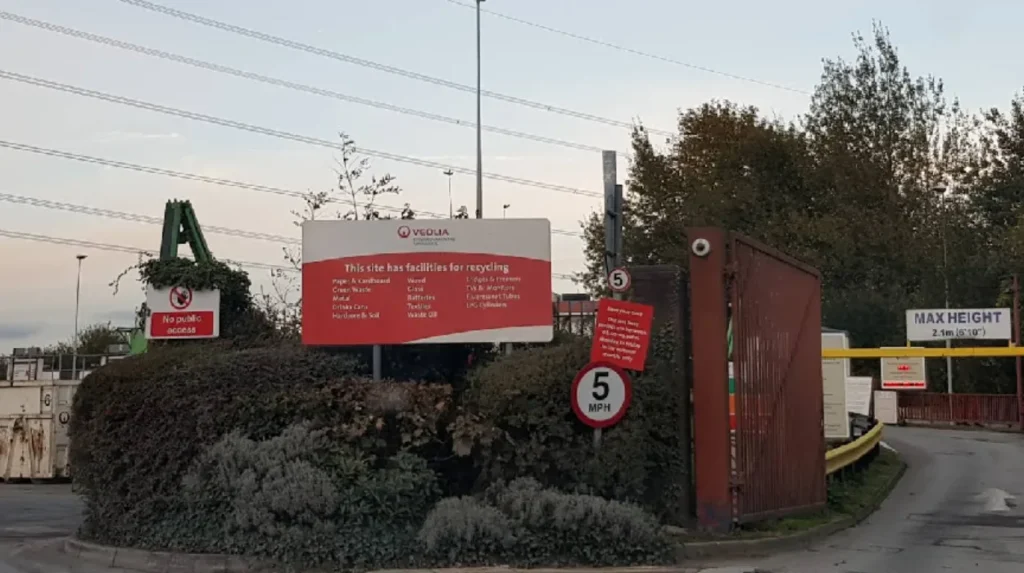
To manage traffic flow and ensure safety, all Birmingham HRCs require residents to book a time slot in advance through an online reservation system. This system was popularized during the early 2020s and has become a permanent feature due to its effectiveness in reducing queue times and improving the site experience. Residents must provide their vehicle registration and proof of address to gain entry, as these sites are strictly reserved for Birmingham taxpayers. Commercial waste is not permitted at these locations, and businesses must use designated trade waste services for their disposal needs. The booking system also allows the council to track the types and volumes of waste being delivered to each facility for better resource planning.
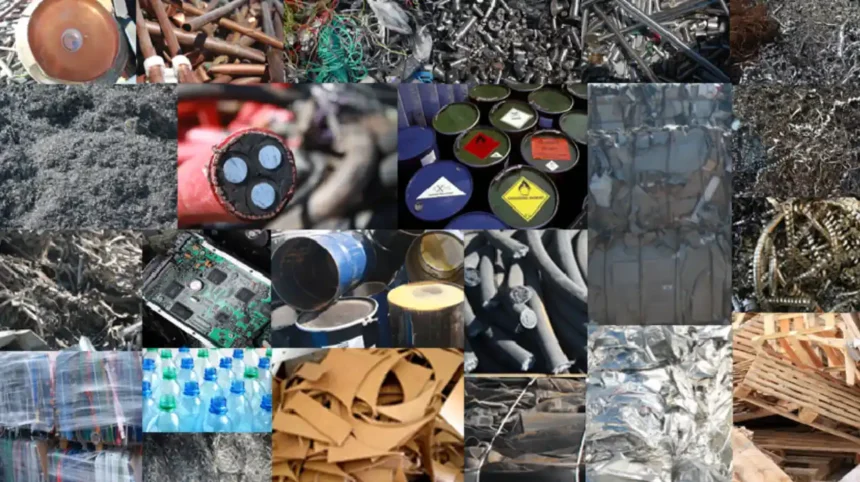
Each HRC is organized into clearly marked zones for different material types to maximize the amount of waste that is diverted from landfill. Staff members are present on site to provide guidance and ensure that materials are placed in the correct containers. For example, wood is separated into high grade and low grade streams while hazardous items like engine oil and chemicals are kept in secure storage areas. Many of these centers also feature reuse shops where items in good condition can be donated and sold back to the community at a low cost. This initiative supports the circular economy by extending the lifecycle of products and reducing the demand for new manufacturing. The facilities operate seven days a week with seasonal variations in opening hours to accommodate residents.
How can residents book a bulky waste collection service?
The bulky waste collection service is a specialized offering by Birmingham City Council for the disposal of large items that do not fit in standard bins. This includes household furniture like sofas and wardrobes, large appliances such as fridges and washing machines, and various DIY materials. Residents must book this service in advance through the council website, where they can select a convenient date and list the specific items for collection. There is a nominal fee associated with this service, which covers the cost of the dedicated vehicle and the labour required to lift and transport heavy objects. This system prevents illegal fly tipping by providing a legal and affordable way to clear large amounts of household clutter.
Once a booking is confirmed, residents are instructed to place their items within the boundary of their property near the pavement by 06:00 on the day of collection. It is important that the items are accessible to the crew but do not obstruct public footpaths or roads. For health and safety reasons, crews do not enter private homes or garages to remove items, so everything must be placed outside. Items like refrigerators and freezers must be emptied of all food and loose shelving before they are picked up. The council also limits the number of items per booking to ensure that the collection rounds stay on schedule and that the vehicle capacity is not exceeded during a single shift.
After collection, the bulky items are taken to a processing facility where they are assessed for recycling or disposal. Many items are dismantled to recover valuable materials like metal and wood while foam and fabrics from furniture are sent for energy recovery. In 2026, the council has increased its partnership with local charities to refurbish items that are still in usable condition. If an item is deemed suitable for reuse, it may be diverted to a social enterprise rather than being processed as waste. This tiered approach ensures that disposal is a last resort and that the value of the materials is preserved whenever possible. Residents are encouraged to consider donation or selling items online before booking a council collection.
What is the process for garden waste and food waste collection?
Garden waste collection in Birmingham is an opt in subscription service that runs from early spring through late autumn to cover the main growing season. Residents who pay the annual fee receive a dedicated brown lidded bin for grass cuttings, hedge trimmings, leaves, and small branches. This service is designed to keep organic matter out of the general waste stream, where it would otherwise produce methane in a landfill or reduce the efficiency of incinerators. The collected garden waste is transported to a large-scale composting facility where it is transformed into a nutrient-rich soil conditioner. This product is often used in local agriculture and landscaping projects, completing the natural cycle of organic material.
The year 2026 marks a significant milestone for the city with the nationwide rollout of mandatory weekly food waste collections. Birmingham has integrated this new stream into its standard waste collection model to comply with updated environmental legislation. Residents are provided with a small kitchen caddy for indoor use and a larger outdoor caddy for the weekly pickup. This service accepts all types of food waste including meat, dairy, fruit peels, and leftovers. By separating food from general waste, the city significantly reduces the weight of residual bins and captures energy from organic matter through a process called anaerobic digestion. This process produces biogas for heating and electricity, as well as a liquid fertilizer for farming.
The introduction of food waste collections has required a massive logistical reconfiguration and the purchase of specialised vehicles. These vehicles feature separate compartments or are dedicated solely to the organic stream to prevent cross-contamination. Residents are encouraged to use compostable liners in their caddies to keep them clean and make the disposal process more hygienic. The council has launched extensive communication campaigns to help citizens adjust to this new routine and understand the environmental benefits of the program. Early data from the 2026 rollout shows a marked decrease in the volume of general waste, indicating that residents are successfully adapting to the new three-stream system of general, recycling, and organic waste.
How is waste processed at the Tyseley Energy Recovery Facility?
The Tyseley Energy Recovery Facility is the cornerstone of the Birmingham Council Waste Collection infrastructure and processes the majority of the city’s non-recyclable waste. Built in 1996 and operated by Veolia, this facility uses advanced incineration technology to convert over 350,000 tonnes of rubbish into renewable energy every year. The process begins when refuse vehicles tip their loads into a massive bunker where the waste is mixed to ensure a consistent calorific value. A crane then feeds the waste into high temperature furnaces where it is burned under controlled conditions. The heat generated from this combustion is used to boil water and produce high pressure steam which drives a large turbine.
This turbine generates approximately 25 megawatts of electricity which is enough to power roughly 40,000 homes in the Birmingham area. This method of waste management is significantly more sustainable than landfill because it reduces the volume of waste by 90 percent and prevents the release of methane gas. The facility is equipped with a sophisticated flue gas cleaning system to ensure that emissions comply with strict environmental standards. Harmful substances are neutralised using lime and activated carbon before the cleaned air is released through the iconic twin chimneys. This process is monitored 24 hours a day by both the facility operators and independent environmental agencies to protect the local air quality.
Beyond electricity generation, the Tyseley plant also recovers valuable materials from the leftover ash. After the waste is burned, the remaining bottom ash is passed over magnets to extract ferrous and non-ferrous metals like iron and aluminium for recycling. The remaining aggregate material is then processed for use in the construction industry as a sub-base for roads and buildings. Even the fly ash collected from the filters is treated and used in specialist chemical applications. This comprehensive recovery system ensures that almost nothing goes to waste and that every part of the household bin is utilized. The facility is a key part of the Tyseley Energy Park, which is a hub for green energy innovation in the West Midlands.
What are the legal requirements for hazardous and clinical waste?
Hazardous and clinical waste streams are subject to strict legal regulations and cannot be disposed of through the standard Birmingham Council Waste Collection. Hazardous waste includes items like asbestos, chemicals, gas cylinders, and certain types of electrical equipment that pose a risk to human health or the environment. The Hazardous Waste (England and Wales) Regulations 2005 dictate how these materials must be identified, stored, and transported. Birmingham residents must use specialized collection services or take certain items to designated drop off points at HRCs. Asbestos removal in particular requires a professional contractor who is licensed by the Health and Safety Executive to handle the material safely.
Clinical waste includes needles, syringes, and medical dressings that are produced during home healthcare treatments. For the safety of the collection crews and the public, these items must never be placed in household bins where they could cause injury or spread infection. Birmingham City Council provides a dedicated clinical waste collection service for residents who have a medical need for it. This service is usually arranged through a GP or healthcare provider and involves the provision of yellow sharps boxes and orange bags. These containers are collected on a separate schedule and taken to high-temperature incinerators specifically designed for medical waste where they are completely sterilized.
For small quantities of common hazardous household items like paint or cleaning fluids, residents should follow the instructions on the product packaging. Many HRCs in Birmingham have dedicated areas for liquid chemicals and batteries where they can be stored securely until they are taken to a treatment plant. It is a criminal offence to dump hazardous waste in public spaces or to mix it with general household rubbish. The council works closely with the Environment Agency to investigate and prosecute those who violate waste disposal laws. Proper management of these dangerous materials is essential for preventing soil and water contamination and for ensuring the safety of everyone living in the city.
How does Birmingham aim to achieve its 2030 recycling targets?
Birmingham City Council has set ambitious goals to transform the city into a leader in urban sustainability and waste reduction. The current waste strategy is aligned with the Birmingham 2030 Net Zero pledge, which aims to neutralise the carbon footprint of the city within the decade. A primary focus of this strategy is the reduction of total waste generation per person and a significant increase in the municipal recycling rate. To achieve this, the council is investing in new technology for the Tyseley Energy Recovery Facility to capture carbon emissions and improve energy efficiency. There is also a strong emphasis on the circular economy, where businesses and residents are encouraged to repair and reuse products rather than discarding them.
The implementation of the 2026 food waste collection is a critical component of reaching these targets, as organic material represents the largest remaining portion of the general waste stream. By diverting food waste to anaerobic digestion, the city can produce more green energy and reduce the amount of waste that requires high-heat treatment. The council is also exploring the introduction of a second recycling bin for certain areas to allow for better separation of glass and plastics. This would further reduce contamination rates and improve the market value of the materials collected. Education and community engagement are at the heart of these efforts with local champions and schools working to promote better waste habits among the youth.
In addition to household waste, the city is focusing on the management of commercial and industrial waste through the West Midlands Combined Authority. By coordinating waste strategies across the region, Birmingham can benefit from larger-scale recycling facilities and shared expertise. The city is also encouraging the development of green jobs in the waste management sector, particularly in the areas of material recovery and high-tech sorting. The long-term vision is for Birmingham to become a zero-waste city where every item discarded is treated as a valuable raw material. This transition is not only an environmental necessity but also an economic opportunity to build a more resilient and sustainable local economy for future generations.
What should residents do if a bin collection is missed?
If a scheduled Birmingham Council Waste Collection is missed, residents should first check the council website for any known service disruptions or industrial action updates. Sometimes a collection is delayed due to vehicle breakdowns, road closures, or severe weather conditions. If there are no reported issues in the area, the missed collection should be reported to the council within 48 hours of the scheduled date. This can be done through the online reporting portal, which is the fastest way to alert the management team. The council typically asks residents to leave the bin out at the collection point so that a crew can return to empty it as soon as possible.
Before reporting a missed bin, residents must ensure that they have followed all the collection rules. A bin may be left if it was not placed out by 06:00, if the lid was not fully closed, or if it was too heavy for the lifting mechanism on the vehicle. As previously mentioned, contamination with the wrong materials is also a common reason for a bin to be bypassed. If the bin is reported as missed but was actually rejected for one of these reasons, the council will provide information on how to rectify the issue. Residents should not attempt to cram more waste into a missed bin, as this may make it impossible to lift when the crew returns.
For residents who consistently experience missed collections, the council may investigate if there are access issues for the refuse vehicles. This often happens in narrow streets where parked cars block the path of the large collection trucks. In such cases, the council may issue advisory notices to car owners or consider changing the type of vehicle used for that specific route. Maintaining clear communication with the council is the best way to resolve ongoing service problems and ensure that waste management remains efficient. The council aims to resolve all reported missed collections within two working days to maintain the hygiene and cleanliness of residential streets.
FAQs About Birmingham Council Waste Collection
How do I report a missed bin collection in Birmingham?
You should report a missed collection through the Birmingham City Council website within 48 hours of your scheduled day. Ensure your bin was placed at the kerbside by 06:00 and contained no contaminated items before filing the report. The council typically aims to return and empty the missed bin within two working days of receiving your notification.
Do I need to book an appointment for the Birmingham recycling centres?
Yes, all five Household Recycling Centres in Birmingham require a pre-booked time slot via the online reservation system. You must provide your vehicle registration and proof of residency within the city limits to gain entry to the sites. This system is designed to manage traffic flow and ensure that only local taxpayers utilize the disposal facilities.
When will the new food waste collection start for all Birmingham residents?
By 2026, the weekly food waste collection service has been fully implemented across all households in Birmingham to meet national recycling mandates. Residents are provided with specialized kitchen and outdoor caddies to separate food scraps from general waste. This organic material is then transported to anaerobic digestion plants to be converted into green energy and fertilizer.
What is the charge for bulky waste collection in Birmingham?
Bulky waste collection is a paid service that requires an advance booking through the council’s official digital portal. The cost depends on the quantity and size of the items, such as sofas, fridges, or mattresses, being removed from the property. All items must be placed outside within your property boundary by 06:00 on the confirmed day of your collection.
Can I put small electrical items or batteries in my blue recycling bin?
No, you must not put electrical items or batteries in your blue recycling bin as they pose a significant fire risk at sorting facilities. These materials should be taken to a local Household Recycling Centre or returned to dedicated battery collection points in supermarkets. Proper disposal ensures that hazardous components are neutralized and valuable metals are recovered safely.