
Birmingham, often called the “workshop of the world,” traces its roots back to a small Anglo-Saxon hamlet in the 7th century, evolving into a bustling medieval market town by the 12th century. The Industrial Revolution catapulted it to prominence in the 18th and 19th centuries, where innovators like Matthew Boulton and James Watt pioneered steam engines and metalworking, spawning thousands of small factories that made it Britain’s manufacturing powerhouse. This heritage of invention and entrepreneurship shaped its radical politics under figures like Joseph Chamberlain, who reformed local governance and influenced national policy, while post-war rebuilding and events like the 2022 Commonwealth Games revitalized its skyline and canal network. Today, with a population exceeding 1.1 million and a diverse demographic including over 50 ethnic groups, Birmingham’s history underpins its vibrant, multicultural identity.
Cost of Living Breakdown
Living in Birmingham offers affordability compared to southern UK cities, with average monthly expenses for a single person ranging from £1,200 to £1,800, significantly lower than London’s £2,500+. Rent for a one-bedroom apartment in the city center averages £900-£1,200, dropping to £700 in suburbs, while groceries cost £250-£350 monthly thanks to diverse markets like the Bullring. Utilities for a typical flat run £150-£250, public transport passes are £60-£80, and dining out remains budget-friendly at £15-£30 per meal, bolstered by local specialties like the balti curry. Families enjoy moderate council tax rates and free state education, making it 20-40% cheaper overall for households, with average house prices around £254,000—ideal for first-time buyers.
Best Neighborhoods to Live
Edgbaston stands out as a leafy, upscale haven with excellent schools, cricket grounds, and proximity to the university, appealing to professionals and families despite higher property costs. Harborne offers a charming village atmosphere with bustling high streets, independent shops, and parks, striking a balance between community feel and city access at moderate prices. For a bohemian vibe, Moseley delights with its arts scene, trendy bars, and nature reserves like Moseley Bog, perfect for young creatives seeking affordability and culture. Kings Heath provides family-friendly vibrancy through its lively high street and strong transport links, where detached homes average under £450,000, blending suburban peace with urban energy. Areas like Sutton Coldfield add green expanses for nature lovers, while Digbeth attracts urban pioneers with its street art and low rents.
Job Market and Economy
Birmingham’s economy thrives as the UK’s second-largest outside London, generating nearly £100 billion in GDP through finance, tech, health, and manufacturing sectors. Major employers like HSBC and numerous creative firms fuel low unemployment, with strong graduate opportunities from its universities drawing talent in professional services and engineering. The West Midlands’ strategic location, enhanced by HS2 high-speed rail slashing London travel to under 50 minutes, positions it as a logistics and innovation hub. Recent job listings highlight hundreds of roles in economics and related fields, underscoring resilient growth even amid national shifts.
Education Excellence
Birmingham hosts a powerhouse of higher education with five major universities, including the prestigious University of Birmingham and Aston University, educating over 100,000 students annually in fields like medicine, engineering, and business. These institutions rank highly for research and employability, supporting the city’s youthful demographic where 40% are under 25. Primary and secondary schools shine in suburbs like Edgbaston and Sutton Coldfield, with grammar options and international curricula catering to diverse families, all backed by accessible student finance.
Healthcare Services
The NHS in Birmingham delivers comprehensive care through leading facilities like the Queen Elizabeth Hospital, a regional trauma center excelling in transplants and cancer treatment. Birmingham Women’s and Children’s Hospital specializes in pediatrics, while Heartlands and City Hospitals cover community needs with shorter wait times than many urban areas. Free GP services, recent infrastructure upgrades, and proximity to specialists make healthcare reliable and efficient for residents.
Transport Network
Birmingham’s connectivity shines via Birmingham Airport (BHX), serving global routes with quick rail links to the center, alongside the West Coast Main Line for 80-minute trips to London. An extensive bus network, expanding Metro tram system, and 35 miles of canals provide scenic, car-free options, with cycle paths linking vast parks. HS2 developments promise even faster regional access, reducing reliance on personal vehicles.
Cultural Highlights
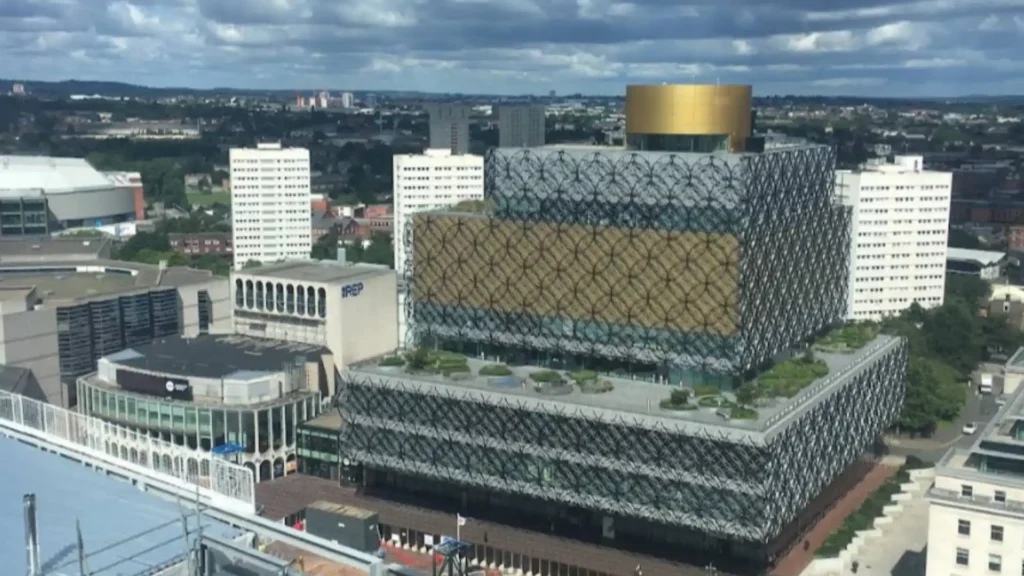
Culture flourishes in Birmingham with world-class institutions like the City of Birmingham Symphony Orchestra, Birmingham Royal Ballet, and the Rep Theatre staging premieres. Over 8,000 acres of parks, including the massive Sutton Park, offer urban escapes, complemented by 50+ annual festivals and a thriving nightlife scene fueled by its young population. Icons like the Library of Birmingham, Europe’s largest, and historic sites preserve its inventive spirit.
Food Scene Diversity
Birmingham claims the title of Britain’s foodiest city, birthplace of the balti and home to Michelin-starred restaurants alongside street food markets. Digbeth Dining Club and the Bullring showcase global flavors from its 31% Asian community—think Pakistani curries, Caribbean jerk, and modern fusion—often at affordable prices. Canal-side cafes and farmers’ markets add variety, making everyday eating an adventure.
Safety Considerations
Birmingham’s suburbs like Edgbaston and Harborne offer safe, family-oriented living with low crime and ample green spaces. City center areas require standard urban caution during nights out, but overall rates are improving and comparable to other major UK cities. Community policing and regeneration projects enhance security, particularly in diverse neighborhoods.
Why Choose Birmingham?
Birmingham combines affordability, diversity, and opportunity in a package unmatched by pricier rivals, with its canals, culture, and careers creating enduring appeal. From students to retirees, its blend of history and modernity ensures a high quality of life that evolves without losing its core charm.