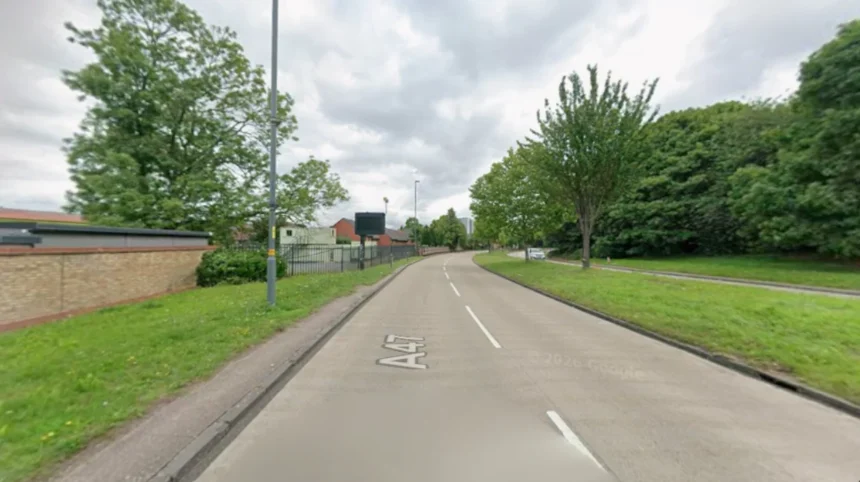
Birmingham residents can submit reports about illegal waste dumping and fly-tipping directly to Birmingham City Council through its official online reporting portal. The council categorizes dumped materials, hazardous substances, and abandoned items to coordinate rapid clearance operations.
The accumulation of illegally dumped waste presents severe environmental hazards, public health risks, and visual decay across urban neighbourhoods. Under the Environmental Protection Act 1990, Birmingham City Council possesses statutory duties to investigate waste offences, issue fixed penalty notices, and pursue criminal prosecutions against perpetrators.
Residents discovering dumped furniture, construction materials, hazardous chemicals, or black bin bags on public land must log precise geographic coordinates. The central reporting portal requires photo submission alongside specific street markers to allow waste management teams to deploy appropriate recovery vehicles.
Urban environments across the West Midlands suffer millions of pounds in cleanup costs due to unlawful disposal practices. Council statistics highlight that rapid community reporting reduces overall removal turnaround times from several weeks down to forty-eight hours. When domestic waste collectors or private contractors bypass regulatory disposal sites, public report logs enable council officers to trace licensing documentation. Reporting instances of commercial waste dumping helps local authorities enforce legal duty-of-care obligations on rogue business operators. Accurate public submissions ensure environmental health officers can clear blighted public spaces, secure physical evidence, and restore community safety efficiently.
How Can Potholes and Damaged Pavements Be Reported in Birmingham?
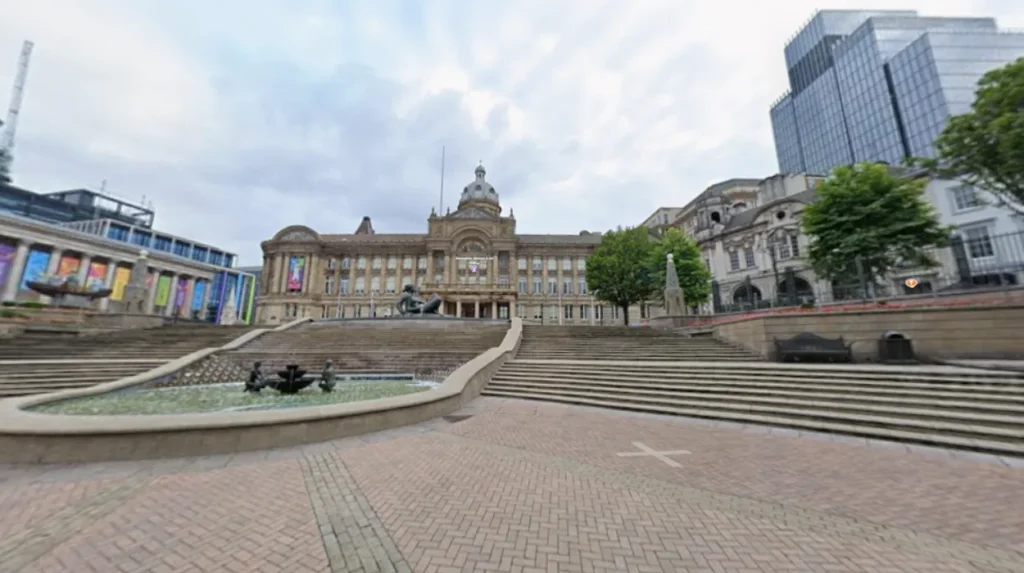
Residents can log road defects, dangerous potholes, and degraded footways using the Birmingham City Council online portal or the independent national application FixMyStreet. Reports route directly to highways maintenance engineers for emergency safety inspections and repair scheduling.
Highways infrastructure deteriorates over time due to heavy traffic volumes, weather cycles, and structural ground movement. The Highways Act 1980 mandates that local highway authorities maintain public roads in a safe condition for motor vehicles, cyclists, and pedestrians.
When a pothole exceeds structural depth thresholds, it presents an immediate hazard to road users. Residents who observe cracked asphalt, sunken utility covers, loose paving slabs, or deep road depressions can submit reports using integrated mapping tools. Providing specific street names, nearby door numbers, or landmark references ensures survey teams locate defects quickly.
Prompt infrastructure reporting prevents severe vehicular damage, personal injury claims, and costly long-term resurfacing projects. Department for Transport data indicates that early intervention on minor road surface faults extends total highway lifespan by up to ten years. Council repair teams prioritize action based on depth, position, and safety risk to vulnerable road users like cyclists.
Using digital mapping platforms allows citizens to monitor repair status in real time and verify maintenance completions. Active participation from community members helps local engineers track recurring road surface failures across major municipal transport corridors.
What Is the Process for Reporting Faulty Street Lights in Birmingham?

Faulty, flickering, or completely dark street lights should be logged on the Birmingham City Council highways reporting system using the specific column reference number. Council contractors inspect the damaged asset to repair electrical connections or replace damaged LED bulbs.
Public street lighting plays a critical role in preventing traffic accidents, supporting pedestrian movement, and reducing urban crime rates after daylight hours. Birmingham City Council maintains over one hundred thousand light columns across residential areas, commercial zones, and major thoroughfares. When an individual notices an extinguished lamp, exposed wiring, or a damaged column following a vehicle collision, immediate reporting prevents potential hazards. Each lighting column carries a unique identification sticker that pinpoints its exact geographic location within the municipal database. Submitting this identification code alongside the nearest property address streamlines technical dispatch schedules.
Well-lit streets significantly enhance public safety metrics and boost nighttime economy activity across municipal boroughs. Municipal engineering studies prove that prompt repairs to illuminated infrastructure cut local nighttime pedestrian incidents noticeably. Emergency reports involving exposed electrical cables or fallen columns trigger immediate response units to isolate power and secure public areas.
Routine faults, such as dead lamps or misaligned timers, enter standard maintenance schedules managed by council infrastructure partners. Citizen submissions ensure local lighting grids operate reliably and continuously throughout the calendar year.
How Do Residents Submit Noise Nuisance Complaints to the Council?
Residents experiencing persistent noise pollution can file an official complaint through the Birmingham City Council environmental health department portal. The authority investigates ongoing disturbances from industrial sites, commercial premises, construction zones, or residential properties.
Unreasonable noise levels interfere with daily living, disrupt sleep, and harm physical and mental health. Under the Environmental Protection Act 1990, local authorities must take reasonable steps to investigate statutory noise nuisances within their administrative boundaries. A statutory noise nuisance must be an unreasonable and substantial interference with the use or enjoyment of a home.
Citizens filing complaints need to keep detailed record logs documenting disturbance times, durations, and characteristics, such as loud music, industrial machinery, or constant dog barking. Environmental health officers analyze these submitted logs to decide whether formal monitoring and noise measurement equipment are required.
Enforcement protocols rely on factual evidence gathered through systematic record-keeping and officer site visits. If an officer confirms a statutory nuisance, the council can issue a formal Abatement Notice under Section 80 of the 1990 Act. Breaching an Abatement Notice is a criminal offence that can lead to prosecution and heavy financial penalties in magistrates court. Council teams also work alongside housing associations and local police forces to resolve persistent anti-social behavior involving noise. Comprehensive report submissions empower authorities to restore quiet enjoyment across residential neighborhoods.
What happens if I report a problem on private land?
Birmingham City Council primarily handles issues on publicly owned land and highways. If you report fly-tipping, dangerous trees, or structural defects on private land, the council may issue legal notices to the landowner requiring them to fix the issue.
Can I report community issues anonymously to the council?
Yes, you can submit many reports without creating a registered user account on council portals. However, providing your contact details allows officers to request extra details if needed and send you automated progress updates.
How long does Birmingham City Council take to fix potholes?
Highways maintenance teams assess potholes based on safety risk, depth, and location. High-risk hazards on major roads are usually made safe within twenty-four hours, while minor defects are scheduled for routine repairs within standard operational timelines.
What should I do if an issue is an immediate emergency?
If a defect poses an immediate threat to life, such as exposed electrical wires or major road collapses, call council emergency helplines or local emergency services directly. Do not rely solely on online web forms for urgent life-threatening situations.
Is FixMyStreet an official Birmingham City Council service?
FixMyStreet is an independent service run by the charity mySociety that forwards user reports directly to the relevant local council. It provides an alternative way to log issues without needing to navigate specific council departmental forms.