Birmingham stands at the centre of Britain’s industrial, scientific, artistic, and social history. England’s second-largest city transformed from a medieval market settlement into a global manufacturing powerhouse, leaving behind an exceptional network of museums, galleries, historic houses, libraries, and cultural institutions. Today, these attractions preserve centuries of innovation, craftsmanship, migration, literature, and civic development while providing accessible educational experiences for visitors of all ages.
- Why is Birmingham an important cultural destination?
- How did Birmingham’s museum culture develop?
- Which museums should visitors prioritise first?
- Birmingham Museum and Art Gallery
- Thinktank Birmingham Science Museum
- Museum of the Jewellery Quarter
- Sarehole Mill
- Aston Hall
- Ikon Gallery
- How does Birmingham’s industrial history shape its museums?
- What artistic heritage can visitors discover in Birmingham?
- How do Birmingham’s historic buildings contribute to cultural exploration?
- How can visitors understand Birmingham’s multicultural heritage through its museums?
- What role do education and research play in Birmingham’s museums?
- How are Birmingham’s museums preserving heritage for future generations?
- Why do Birmingham’s museums remain historically significant today?
Exploring Birmingham’s museums is not simply about viewing collections. It involves understanding how the city’s industries, communities, architecture, and creative achievements shaped both the West Midlands and the wider United Kingdom. From internationally significant fine art collections to preserved industrial workshops, Birmingham’s cultural landscape offers a chronological journey through nearly one thousand years of history.
Why is Birmingham an important cultural destination?
Birmingham combines nationally significant museums, industrial heritage, internationally recognised art collections, preserved historic buildings, and living cultural institutions. Together they document medieval origins, Industrial Revolution leadership, scientific innovation, artistic achievement, multicultural development, and ongoing urban regeneration, making the city one of Britain’s leading heritage destinations.
Birmingham occupies a unique position in British history because its growth accelerated during the eighteenth and nineteenth centuries without relying on a major seaport. Instead, manufacturing, engineering, metalworking, jewellery production, education, and civic investment established the city as an economic and cultural powerhouse.
Unlike many historic cities that developed around royal institutions, Birmingham evolved through entrepreneurship, skilled crafts, and industrial innovation. This distinctive history explains why many of its museums focus on technology, engineering, manufacturing, decorative arts, transport, and social history alongside traditional fine art.
The city’s cultural landscape includes publicly funded museums, university collections, restored industrial sites, archives, historic libraries, theatres, music venues, and heritage neighbourhoods. Together these institutions preserve objects spanning prehistoric archaeology, Roman Britain, medieval commerce, Victorian industry, twentieth-century social history, and contemporary culture.
Birmingham also serves as the administrative centre of the West Midlands and attracts millions of domestic and international visitors annually through its museums, festivals, exhibitions, and educational programmes.
How did Birmingham’s museum culture develop?
Birmingham’s museum network developed during the nineteenth century through civic investment, industrial wealth, educational reform, philanthropy, and public demand for knowledge. Museums expanded alongside libraries, universities, and art institutions, reflecting the city’s commitment to education, scientific research, and public access to culture.
Museum development in Birmingham closely followed the city’s rapid industrial expansion. During the eighteenth century, wealthy manufacturers and civic leaders increasingly supported scientific societies, art schools, libraries, and educational institutions.
The establishment of Birmingham Museum and Art Gallery during the nineteenth century reflected broader Victorian ideals that museums should educate the public while preserving artistic and scientific collections.
Industrial prosperity financed many cultural buildings through municipal taxation, philanthropy, and charitable donations. Wealth created by engineering, metalworking, jewellery manufacturing, and commerce funded acquisitions of paintings, sculptures, archaeological objects, and decorative arts.
Educational reform also encouraged museum expansion. Public institutions increasingly collaborated with schools, universities, and technical colleges to improve scientific literacy and historical understanding.
During the twentieth century, Birmingham broadened its museum network by preserving industrial workshops, historic homes, transport collections, and community heritage sites rather than concentrating solely on fine art.
Which museums should visitors prioritise first?
Visitors should prioritise Birmingham Museum and Art Gallery, Thinktank Birmingham Science Museum, the Museum of the Jewellery Quarter, Sarehole Mill, Aston Hall, and Ikon Gallery because together they provide the city’s most complete overview of history, science, industry, architecture, and artistic development.
Birmingham Museum and Art Gallery
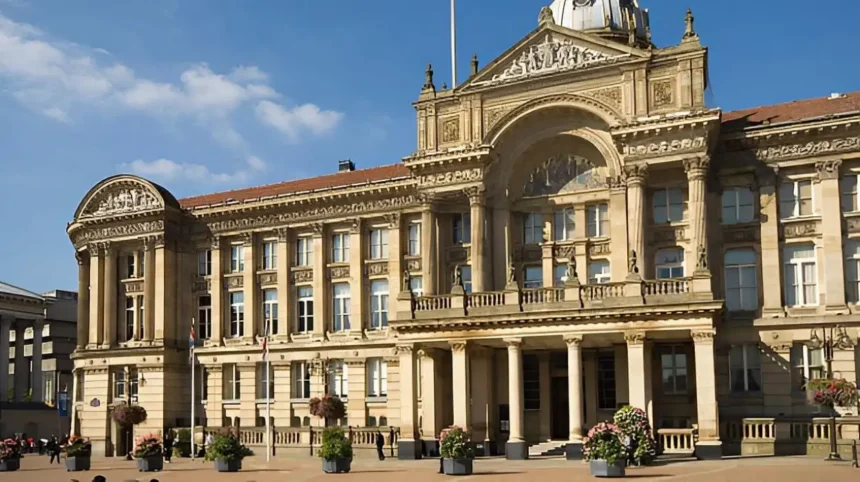
Birmingham Museum and Art Gallery remains one of Britain’s most significant regional museums. Established in 1885, it houses internationally recognised collections covering archaeology, fine art, decorative arts, natural history, local history, and world cultures.
Its Pre-Raphaelite paintings represent one of the world’s finest collections of works by artists including Dante Gabriel Rossetti, Edward Burne-Jones, and John Everett Millais.
The museum also documents Birmingham’s industrial achievements through displays on manufacturing, civic history, and local craftsmanship.
Thinktank Birmingham Science Museum
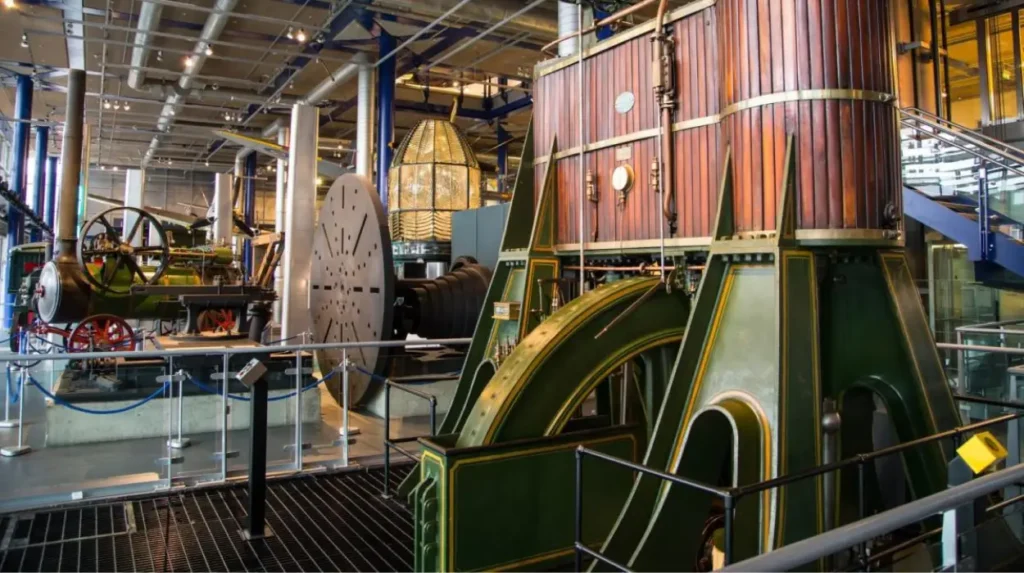
Thinktank explores Birmingham’s scientific and engineering legacy through interactive exhibitions covering steam power, medicine, transport, telecommunications, aviation, and space science.
Historic engines, locomotives, vehicles, and industrial machinery demonstrate the technological innovations that transformed Britain during the Industrial Revolution.
The museum also contains a planetarium and extensive educational facilities serving schools throughout the region.
Museum of the Jewellery Quarter
Located inside a preserved jewellery factory, the Museum of the Jewellery Quarter documents one of Birmingham’s most distinctive industries.
The Jewellery Quarter has produced approximately 40 percent of Britain’s jewellery for generations, supporting thousands of skilled craftspeople and specialist manufacturers.
Visitors observe original workshops, tools, machinery, and production methods that remained largely unchanged throughout the twentieth century.
Sarehole Mill
Sarehole Mill preserves an eighteenth-century working watermill that illustrates rural industry before large-scale industrialisation.
The mill also holds literary significance because author J. R. R. Tolkien spent part of his childhood nearby, drawing inspiration from the surrounding landscape.
Aston Hall
Completed during the early seventeenth century, Aston Hall represents one of England’s finest surviving Jacobean country houses.
Its architecture, interiors, collections, and gardens illustrate aristocratic life before Birmingham’s industrial expansion.
Ikon Gallery
Ikon Gallery occupies a restored Victorian school building within Brindleyplace and presents contemporary visual art from British and international artists.
Its exhibitions demonstrate Birmingham’s continuing role as a centre for creativity and cultural exchange.
To experience these historic landmarks in person today, consult our comprehensive [Best Museums and Cultural Things to Do in Birmingham] for itineraries and visiting parameters.
How does Birmingham’s industrial history shape its museums?
Birmingham’s museums preserve machinery, workshops, engineering innovations, transport systems, and manufacturing techniques that explain how industrial production transformed Britain between the eighteenth and twentieth centuries through technological innovation, skilled labour, entrepreneurship, and international trade.
Industrial heritage defines Birmingham more strongly than almost any other British city.
During the eighteenth century, Birmingham specialised in metalworking, firearms, buttons, buckles, jewellery, steam engines, scientific instruments, and precision manufacturing.
Inventors including James Watt and Matthew Boulton established internationally influential engineering enterprises at Soho Manufactory.
Although the original manufactory no longer survives intact, museum collections preserve machinery, documents, engineering drawings, and manufactured goods illustrating Birmingham’s industrial leadership.
Canal construction further accelerated economic growth. Birmingham eventually developed more than 35 miles of navigable canals within the city, facilitating efficient transportation of raw materials and manufactured products.
Museum exhibits explain how canals, railways, factories, workshops, and skilled labour created interconnected industrial systems that influenced manufacturing worldwide.
What artistic heritage can visitors discover in Birmingham?
Birmingham preserves exceptional artistic collections spanning medieval craftsmanship, Victorian painting, decorative arts, modern sculpture, contemporary exhibitions, and public architecture. These collections demonstrate the city’s long-standing investment in creativity, education, public patronage, and international artistic exchange.
Birmingham’s artistic identity developed alongside its industrial economy rather than independently from it.
Successful manufacturers frequently became art patrons, funding galleries, schools of art, and public buildings.
The Birmingham School of Art played an important role in nineteenth-century design education, encouraging close relationships between industry and artistic production.
Pre-Raphaelite art became particularly significant because Birmingham collectors actively acquired works while the movement remained contemporary.
Decorative arts collections showcase ceramics, silverware, glass, furniture, textiles, and metalwork produced both locally and internationally.
Contemporary galleries continue expanding Birmingham’s cultural reputation through exhibitions addressing modern social issues, experimental media, and international artistic collaboration.
Public sculptures, murals, civic architecture, and restored historic buildings further contribute to Birmingham’s artistic landscape beyond traditional museum spaces.
How do Birmingham’s historic buildings contribute to cultural exploration?
Historic buildings preserve original architecture, interiors, craftsmanship, and urban development patterns that explain Birmingham’s transformation from medieval settlement to industrial metropolis while providing authentic settings for interpreting political, social, and economic history across multiple centuries.
Historic architecture functions as an important educational resource throughout Birmingham.
Aston Hall demonstrates elite domestic architecture during the Jacobean period through preserved interiors, decorative plasterwork, wood panelling, and formal gardens.
The Council House, constructed during the nineteenth century, reflects Birmingham’s growing civic confidence through monumental Renaissance Revival architecture.
The Library of Birmingham combines contemporary design with extensive archival collections documenting regional history, literature, genealogy, photography, and local government.
The Jewellery Quarter preserves hundreds of historic workshops, factories, cemeteries, churches, and commercial buildings that collectively illustrate the evolution of specialised manufacturing districts.
Adaptive reuse projects have converted former warehouses, schools, and industrial premises into galleries, creative studios, restaurants, and cultural venues while maintaining historic architectural character.
How can visitors understand Birmingham’s multicultural heritage through its museums?
Birmingham’s museums interpret migration, industrial employment, religious diversity, community development, and cultural exchange through exhibitions, oral histories, archives, photographs, and community partnerships that document how successive populations shaped the city’s social identity from the nineteenth century onward.
Population growth transformed Birmingham into one of Britain’s most diverse cities.
Industrial expansion attracted workers from across England, Ireland, Scotland, Wales, South Asia, the Caribbean, Eastern Europe, Africa, and many other regions.
Museums increasingly incorporate community-curated exhibitions documenting migration experiences, family histories, cultural traditions, and neighbourhood development.
Archival collections preserve census records, photographs, newspapers, oral histories, business records, and municipal documents that assist educators, researchers, and genealogists.
Religious diversity also forms an important aspect of Birmingham’s cultural heritage through historic churches, mosques, synagogues, temples, and community centres.
These institutions collectively illustrate how migration reshaped Birmingham’s economy, education, architecture, cuisine, music, and public life throughout the twentieth and twenty-first centuries.
What role do education and research play in Birmingham’s museums?
Birmingham’s museums support education through curriculum-based learning, academic research, conservation science, digital archives, public lectures, specialist collections, and partnerships with universities, enabling historical knowledge to remain accessible for students, researchers, and lifelong learners across multiple disciplines.
Museums function as research institutions as well as visitor attractions.
Collections support investigations into archaeology, conservation, industrial technology, geology, biology, art history, genealogy, architecture, engineering, and social history.
The University of Birmingham collaborates with museums through exhibitions, archaeological projects, scientific analysis, and educational programmes.
Digital catalogues increasingly allow researchers worldwide to examine collections remotely while preserving fragile original objects.
School programmes align exhibitions with national curriculum requirements covering history, science, geography, art, mathematics, and citizenship.
Specialist archives preserve engineering drawings, manufacturing records, photographs, manuscripts, maps, newspapers, and oral history recordings unavailable elsewhere.
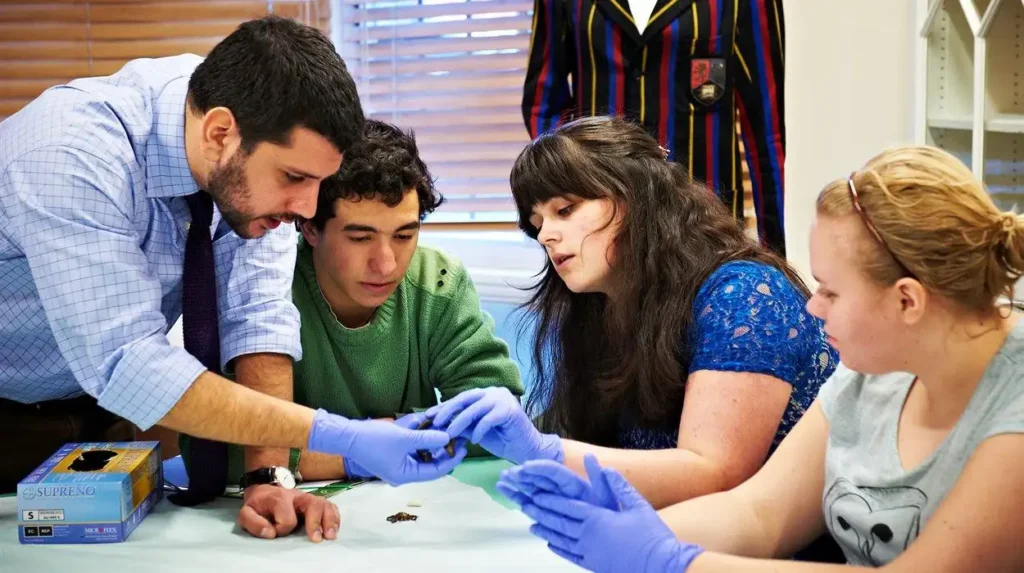
Professional conservators employ advanced scientific techniques to stabilise paintings, textiles, metals, ceramics, paper documents, and archaeological artefacts for future generations.
How are Birmingham’s museums preserving heritage for future generations?
Heritage preservation combines conservation science, digital documentation, environmental monitoring, community engagement, restoration projects, archaeological research, and sustainable building management to protect Birmingham’s collections while improving accessibility for increasingly diverse audiences across future generations.
Modern preservation extends far beyond repairing historic objects.
Museums continuously monitor temperature, humidity, lighting, pollution, and pest activity to minimise deterioration.
Digitisation programmes create high-resolution records of manuscripts, photographs, artworks, engineering plans, and historical documents.
Conservation laboratories analyse pigments, textiles, metals, ceramics, and organic materials using scientific techniques that improve restoration accuracy.
Community participation also strengthens preservation by recording oral histories, documenting neighbourhood heritage, identifying historic photographs, and contributing local knowledge.
Historic buildings require ongoing structural maintenance, roofing repairs, masonry conservation, drainage improvements, and accessibility upgrades that balance heritage protection with modern visitor requirements.
Climate change has introduced additional preservation challenges, encouraging museums to improve energy efficiency while protecting sensitive collections from changing environmental conditions.
Why do Birmingham’s museums remain historically significant today?
Birmingham’s museums preserve nationally important evidence of industrial innovation, artistic achievement, scientific progress, civic development, and cultural diversity. Their collections continue supporting education, tourism, conservation, historical research, and public understanding while strengthening the city’s identity for future generations.
Museums remain essential because they preserve original evidence rather than simplified historical narratives.
Artefacts, manuscripts, machinery, paintings, architectural fragments, archaeological discoveries, photographs, and personal belongings provide direct connections with the people who shaped Birmingham across successive centuries.
These collections document technological innovation that influenced global manufacturing, artistic movements that transformed British culture, and social changes that created one of Europe’s most diverse urban communities.
Birmingham’s museums also contribute substantially to the regional economy through cultural tourism, educational visits, conferences, exhibitions, and research partnerships.
As digital technologies expand access to collections, museums increasingly reach audiences beyond physical visitors while maintaining rigorous conservation standards for original artefacts.
The city’s continuing investment in heritage demonstrates that preserving history strengthens education, civic identity, and international cultural understanding. By exploring Birmingham’s museums and cultural attractions, visitors gain a comprehensive understanding of how local innovation, creativity, and community development influenced the wider history of Britain and continue to shape the city’s future.
What are the best museums to visit in Birmingham?
The top museums include Birmingham Museum & Art Gallery, Thinktank Birmingham Science Museum, Museum of the Jewellery Quarter, Sarehole Mill, Aston Hall, and the Ikon Gallery, each offering unique insights into the city’s history, science, art, and industry.