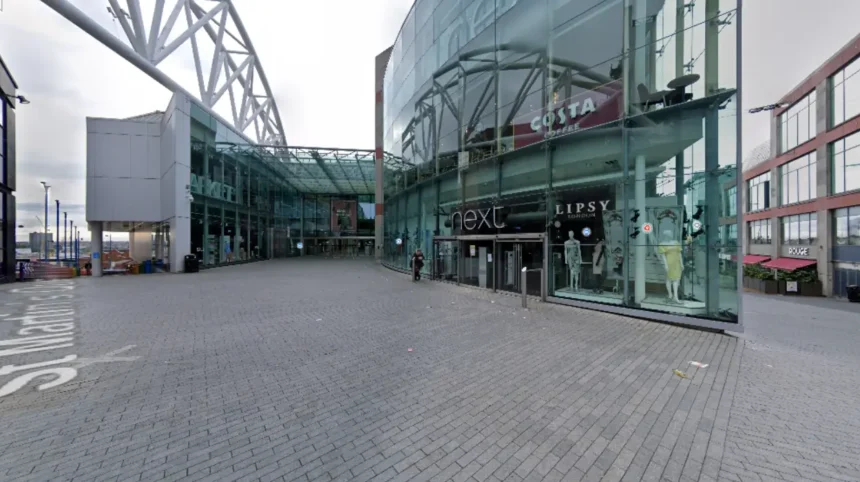
Accessible visitor attractions feature step-free physical entry routes, modern Changing Places washroom facilities, and comprehensive tactile signage systems designed to accommodate travelers with diverse mobility and sensory requirements.
- How do major Birmingham cultural landmarks accommodate wheelchair users and visitors with limited mobility?
- What specialized sensory facilities exist for neurodivergent visitors at Birmingham entertainment venues?
- Where can visitors locate Changing Places accessible toilets within the Birmingham city center?
- How do transport networks in Birmingham facilitate barrier-free travel to top visitor attractions?
- What are the best wheelchair accessible attractions in Birmingham city center?
- Are there sensory rooms available at Birmingham entertainment venues?
- How do I find Changing Places toilets in Birmingham?
- Can I travel around Birmingham easily using public transport with a disability?
- Do Birmingham attractions offer free admission for personal assistants or carers?
Birmingham functions as a major metropolitan authority area located within the West Midlands region of the United Kingdom. Inclusive urban tourism infrastructure depends heavily on structural adaptations regulated by national legislation such as the Equality Act 2010.
Municipal planning mandates that public venues incorporate smooth ramps, automatic sliding entry doors, and adequate turning radiuses for motorized wheelchairs. Key local public administration bodies collaborate directly with mobility advocacy networks to audit historic and modern cultural sites.
Major commercial and municipal zones integrate contrasting floor surfaces and high-contrast visual indicators to assist visually impaired visitors. Public transport interchanges connect seamlessly with these venues via low-floor bus fleets and step-free railway platforms managed by regional transport authorities.
Cultural institutions across the city continuously upgrade their physical layouts to maintain high standards of universal access for all visitors.
How do major Birmingham cultural landmarks accommodate wheelchair users and visitors with limited mobility?
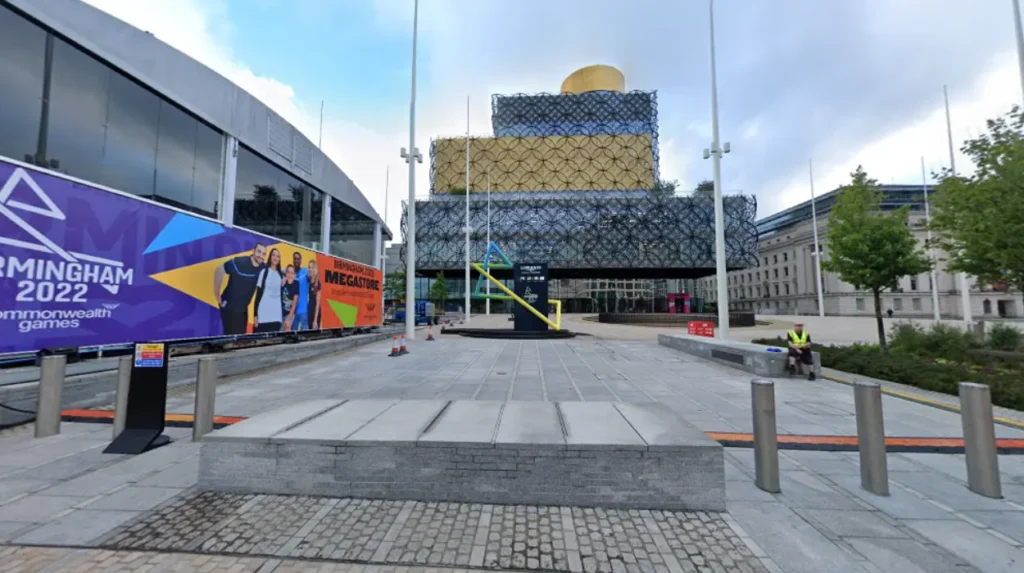
Major cultural landmarks integrate dedicated step-free interior elevators, low-level service desks, and advanced platform lifts to ensure complete horizontal and vertical navigation across multi-story exhibition spaces.
The Birmingham Museum and Art Gallery provides comprehensive step-free street-level entry points and wide internal corridors that comply fully with modern accessibility standards.
Historic structural constraints in older civic buildings are systematically mitigated through the installation of glass-backed lifts and modular temporary ramps. Gallery staff routinely manage manual and electric wheelchair loans on a complimentary basis for visitors requiring mobility assistance during their tours.
Exhibition halls feature low-hanging display cases and standardized viewing heights optimized for seated patrons and children. Public seating benches are positioned at regular intervals along long display corridors to provide adequate rest zones for individuals with fatigue conditions.
Emergency evacuation routes throughout these cultural centers incorporate specialized refuge areas equipped with two-way communication systems for non-ambulatory guests. Staff training programs focus on disability awareness and safe operation of emergency evacuation chairs during critical incidents.
What specialized sensory facilities exist for neurodivergent visitors at Birmingham entertainment venues?
Birmingham entertainment venues incorporate dedicated sensory rooms, quiet decompression zones, and pre-visit digital visual guides designed to support neurodivergent individuals and visitors with cognitive differences.
Modern public attractions within the municipality partner with specialized autism awareness organizations to certify their public spaces as sensory-friendly environments. Dedicated quiet rooms feature dimmed lighting, comfortable beanbag seating, and tactile wall panels designed to reduce sensory overload during peak visitor hours.
Guest services desks routinely stock sensory bags containing noise-canceling headphones, fidget tools, and visual communication cards available for free checkout. Staff members wear distinct identification pins indicating their participation in the Hidden Disabilities Sunflower Lanyard scheme to signal readiness to offer patient assistance.
Informational signage uses clear pictograms and straightforward typography to aid comprehension for visitors with learning disabilities or cognitive impairments. Performance venues schedule relaxed screenings and sensory-adapted theater performances featuring adjusted sound levels and consistent house lighting.
These deliberate operational adjustments ensure that individuals with autism spectrum conditions experience safe and predictable public outings.
Where can visitors locate Changing Places accessible toilets within the Birmingham city center?
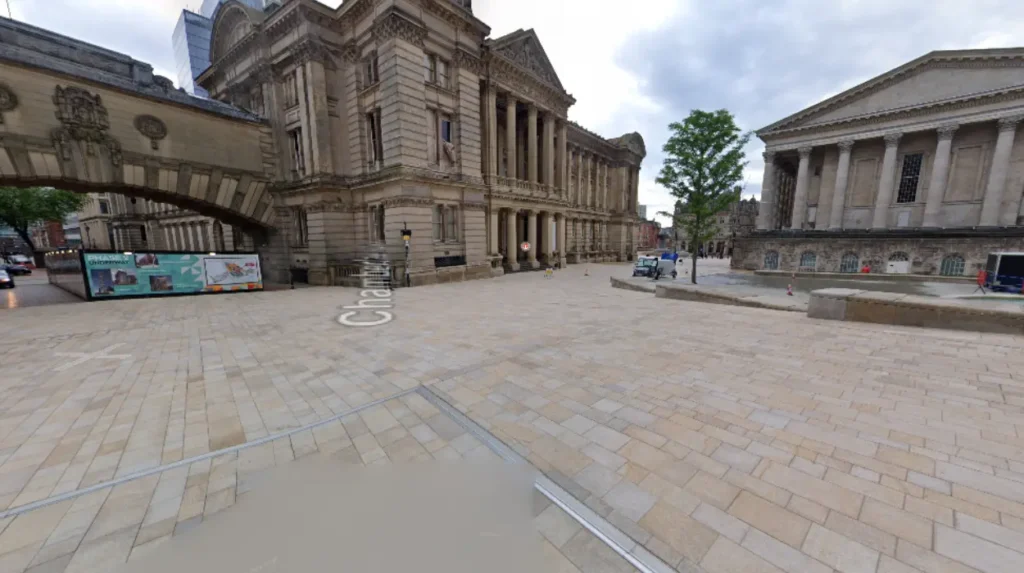
Changing Places accessible toilets are strategically positioned within high-traffic public zones including the Library of Birmingham, the central Bullring shopping complex, and major regional transport hubs.
Standard accessible washrooms frequently lack the specialized spatial dimensions and heavy-duty equipment required by individuals with profound and multiple learning disabilities.
Changing Places facilities address this gap by providing a centralized ceiling track hoist system, a height-adjustable adult-sized changing bench, and a centrally positioned toilet with adequate transfer space on both sides.
The multi-story Library of Birmingham houses a fully specified Changing Places facility on an accessible ground-adjacent level with straightforward elevator connectivity. The Bullring and Grand Central commercial complexes maintain comparable high-specification washroom infrastructure to serve shoppers across the central business district.
Regional transit facilities including Birmingham Airport and the National Exhibition Centre maintain identical specialized sanitary amenities within their main concourses. Clear directional signage featuring universal accessibility symbols guides visitors directly to these secure washroom installations from all primary circulation routes.
How do transport networks in Birmingham facilitate barrier-free travel to top visitor attractions?
Regional transport networks provide step-free platform access, audible passenger information systems, and low-floor boarding ramps across buses, trams, and suburban rail links.
Transport for West Midlands operates an integrated public transit network engineered to connect disabled travelers directly to major municipal attractions and leisure venues. Birmingham New Street railway station features expansive concourse spaces, high-ceiling architectural layouts, and comprehensive lift systems serving all active passenger platforms.
Specialized passenger assistance teams stationed at major rail terminals offer pre-booked boarding ramps and luggage carriage support for disabled commuters. Local bus operators run modern fleets equipped with hydraulic kneeling suspension and designated wheelchair bays secured with mandatory passenger safety restraints.
The West Midlands Metro tram system provides completely level boarding interfaces between station platforms and carriage doorways across the entire urban light rail corridor. Dedicated accessible taxi services operating within the municipal boundaries feature rear-ramp access and secure anchor points for passengers traveling inside their own wheelchairs.
What are the best wheelchair accessible attractions in Birmingham city center?
The Bullring and Grand Central complex, the Birmingham Museum and Art Gallery, and the Library of Birmingham offer excellent step-free access, elevators, and modern accessible washrooms. These central locations provide level pathways and seamless navigation for visitors using manual or motorized wheelchairs.
Are there sensory rooms available at Birmingham entertainment venues?
Several major entertainment venues including the National SEA LIFE Centre and local civic arenas feature KultureCity-certified sensory rooms and borrowable sensory support bags. These quiet spaces help neurodivergent visitors decompress during busy events by offering noise-canceling headphones and dim lighting.
How do I find Changing Places toilets in Birmingham?
Changing Places washrooms equipped with ceiling hoists and adult-sized changing benches are located in the Library of Birmingham, the Bullring shopping center, and Birmingham Airport. You can also check the official Changing Places map directory online before traveling to verify exact opening statuses and access keys.
Can I travel around Birmingham easily using public transport with a disability?
Public transport across Birmingham is highly accessible via low-floor buses, level-entry Metro trams, and step-free platforms at Birmingham New Street station. Passenger assistance services can also be booked in advance through local train operators to ensure seamless boarding support.
Do Birmingham attractions offer free admission for personal assistants or carers?
Many major attractions in Birmingham offer complimentary admission tickets for registered personal assistants or essential carers accompanying a disabled visitor. It is recommended to check specific venue ticketing policies online and bring valid documentation such as a Access Card or carer ID when booking.