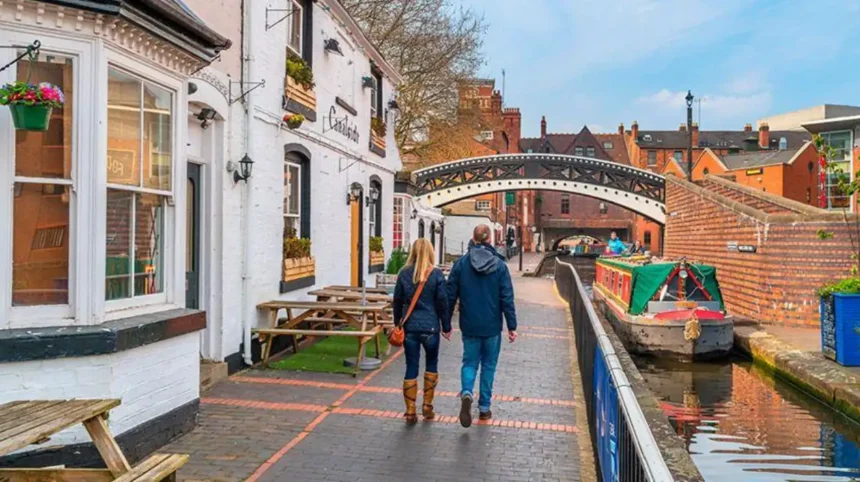
Birmingham is one of the United Kingdom’s most historically significant and culturally diverse cities. Located in the West Midlands, it developed from a medieval market town into the centre of the Industrial Revolution and became one of Britain’s leading manufacturing hubs during the eighteenth and nineteenth centuries. Today, Birmingham combines historic landmarks, restored industrial heritage, green spaces, canals, cultural institutions, and modern entertainment districts, making it a popular destination for couples seeking memorable experiences.
- How did Birmingham’s history shape its romantic attractions?
- Which historic areas provide the most romantic atmosphere for couples?
- Why are Birmingham’s canals considered one of the city’s most romantic features?
- How does the Jewellery Quarter contribute to a romantic Birmingham experience?
- Which parks and gardens offer the best romantic settings in Birmingham?
- What cultural attractions should couples include in a romantic itinerary?
- How can couples combine Birmingham’s heritage and modern attractions in one day?
- What historical legacy makes Birmingham relevant for future generations?
A romantic day out in Birmingham offers more than contemporary dining and entertainment. Many of the city’s most attractive locations are connected to centuries of social, architectural, and economic history. Understanding this historical context enriches the visitor experience and provides insight into how Birmingham evolved into one of England’s most visited urban destinations.
What makes Birmingham an ideal destination for a romantic day out?
Birmingham combines historic landmarks, restored waterways, cultural institutions, landscaped parks, and modern leisure districts within a compact urban area. This concentration of attractions allows couples to experience history, architecture, nature, dining, and entertainment during a single day while exploring one of Britain’s most significant cities.
Birmingham’s appeal stems from its diverse urban landscape. Unlike many British cities that developed around royal institutions, Birmingham grew through commerce, manufacturing, and innovation. This distinctive development pattern created a city where Victorian architecture stands alongside contemporary developments and historic canals connect cultural quarters.
The city contains more miles of canals than Venice. These waterways were constructed primarily during the eighteenth and nineteenth centuries to transport raw materials and manufactured goods. Today, many canal-side districts have been transformed into leisure destinations while retaining their historic character.
Birmingham also possesses extensive green spaces. The city contains more than 8,000 acres of parks and open land. These landscapes provide tranquil environments for couples seeking quieter experiences away from the city centre.
Its central location within England and excellent transport connections further contribute to its popularity as a romantic destination.
How did Birmingham’s history shape its romantic attractions?
Birmingham’s romantic attractions emerged from centuries of industrial, commercial, and urban development. Historic canals, Victorian public parks, restored civic buildings, and preserved cultural institutions transformed former industrial spaces into attractive destinations that combine heritage significance with modern visitor experiences.
The city’s transformation began during the Industrial Revolution. Birmingham became internationally recognised for metalworking, engineering, jewellery production, and manufacturing innovation.
Industrial wealth generated extensive civic investment. During the nineteenth century, local leaders funded public buildings, libraries, museums, parks, and cultural venues. Many of these structures remain important attractions today.
The canal network illustrates this historical evolution. Originally designed for commercial transportation, canals connected factories and warehouses throughout the region. As industrial activity declined during the twentieth century, regeneration projects restored many canal corridors.
Victorian planners also recognised the importance of public recreation. They established large municipal parks that continue serving residents and visitors. Examples include Cannon Hill Park, Eastside City Park, and Sutton Park.
Architectural preservation efforts further strengthened Birmingham’s tourism appeal. Historic districts such as the Jewellery Quarter retain buildings dating from the Georgian and Victorian periods, providing atmospheric environments for exploration.
These preserved landscapes create romantic settings rooted in authentic historical development rather than modern construction alone.
Which historic areas provide the most romantic atmosphere for couples?
Several historic districts offer distinctive romantic environments. The Jewellery Quarter, Brindleyplace canal district, Colmore Row, and Digbeth combine preserved architecture, heritage landmarks, walkable streets, and cultural attractions that reflect different stages of Birmingham’s historical development.
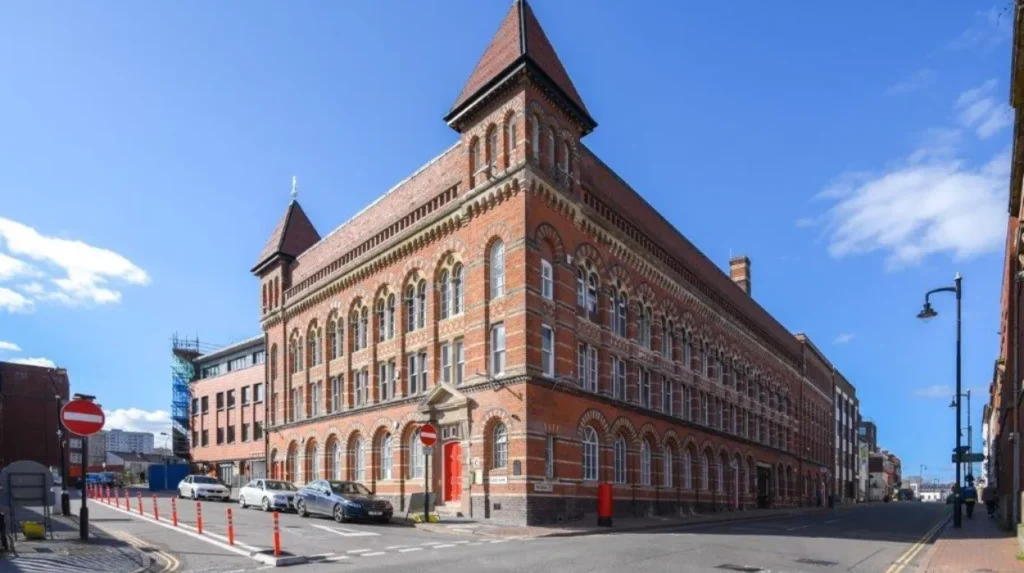
The Jewellery Quarter represents one of Europe’s most important centres of jewellery manufacturing. More than 200 listed buildings survive within the district. Workshops, former factories, churches, and Victorian streetscapes create a unique atmosphere.
The area’s significance dates to the eighteenth century when skilled craftsmen established specialised manufacturing businesses. Today, couples can explore historic streets while discovering independent cafés, galleries, and boutiques.
Brindleyplace offers another distinctive environment. Located alongside Birmingham’s canal network, it demonstrates successful urban regeneration. Former industrial infrastructure has been integrated into a modern waterfront district while preserving historical character.
Colmore Row showcases Birmingham’s commercial and civic heritage. The street contains numerous Victorian and Edwardian buildings that illustrate the city’s prosperity during the nineteenth century.
Digbeth represents Birmingham’s industrial past and contemporary creative economy. Warehouses and factories have been adapted for cultural uses while retaining original architectural features.
Together, these districts provide varied experiences that combine historical significance with present-day leisure opportunities.
Why are Birmingham’s canals considered one of the city’s most romantic features?
Birmingham’s canals provide peaceful waterside environments framed by historic warehouses, bridges, and restored industrial architecture. Their combination of heritage significance, pedestrian accessibility, and scenic views creates one of the city’s most distinctive settings for couples seeking a memorable experience.
The Birmingham Canal Navigations system played a critical role in Britain’s Industrial Revolution. By the early nineteenth century, canals connected Birmingham to major manufacturing centres throughout England.
These waterways transported coal, iron, raw materials, and finished goods. Their economic importance contributed significantly to Birmingham’s industrial expansion.
Modern regeneration transformed former industrial corridors into leisure destinations. Canal towpaths now support walking, cycling, and recreational boating activities.
Historic infrastructure remains visible throughout the network. Examples include lock systems, cast-iron bridges, warehouses, and former industrial buildings.
The canal basin near Brindleyplace and Gas Street Basin is particularly popular. Visitors encounter waterside cafés, public art installations, and preserved industrial structures.
Couples often enjoy evening walks when reflections from surrounding buildings illuminate the waterways. The combination of history, architecture, and urban scenery creates a distinctive atmosphere unavailable elsewhere in the city.
To experience this historic landmark in person today, consult our comprehensive [How to Plan the Perfect Romantic Day Out in Birmingham] for itineraries and visiting parameters.
How does the Jewellery Quarter contribute to a romantic Birmingham experience?
The Jewellery Quarter combines centuries of craftsmanship, preserved industrial heritage, historic architecture, and specialist jewellery retailers. This unique concentration of cultural and commercial heritage provides couples with opportunities to explore Birmingham’s manufacturing history while enjoying one of its most attractive districts.
The Jewellery Quarter developed during the eighteenth century and became internationally renowned for precious metal manufacturing.
Today, approximately 40 percent of Britain’s jewellery continues to be produced within this historic district. This remarkable continuity links modern businesses with centuries of skilled craftsmanship.
The area’s urban landscape remains largely intact. Narrow streets, red-brick workshops, and Victorian commercial buildings create a strong sense of historical authenticity.
Several heritage attractions interpret the district’s history. Museums and preserved workshops demonstrate traditional production techniques that shaped Birmingham’s economic development.
Religious architecture also contributes to the district’s character. Historic churches, cemeteries, and memorials document the lives of generations of artisans and entrepreneurs.
For couples, the Jewellery Quarter offers opportunities to browse handcrafted items, learn about local history, and experience one of Birmingham’s most distinctive neighbourhoods.
Which parks and gardens offer the best romantic settings in Birmingham?
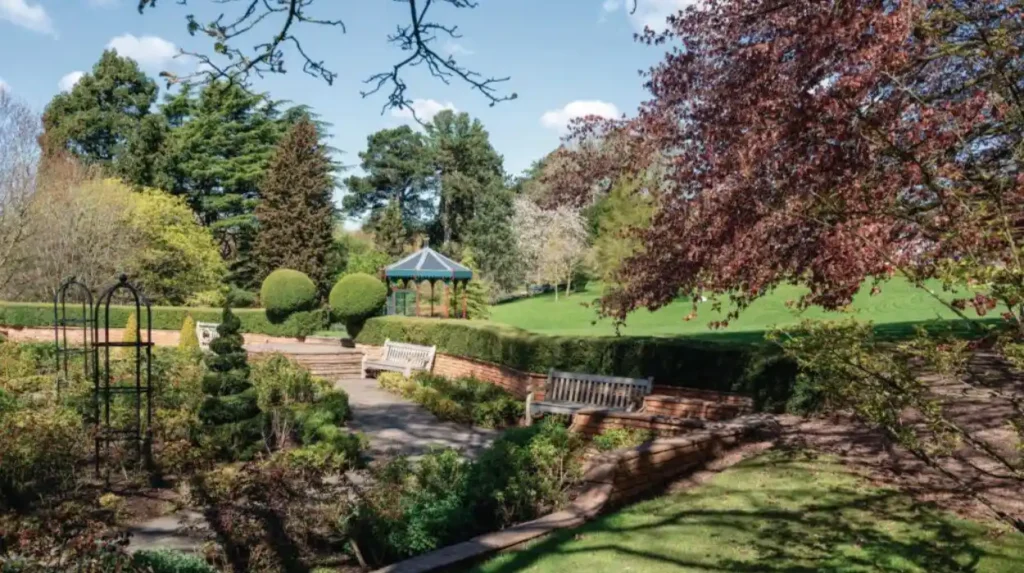
Birmingham’s parks provide landscaped environments that contrast with the city’s industrial heritage. Cannon Hill Park, Birmingham Botanical Gardens, and Sutton Park combine natural beauty, historical significance, and recreational opportunities, making them ideal destinations for couples seeking peaceful surroundings.
Public parks emerged as an important aspect of Victorian urban planning. Industrial cities increasingly recognised the need for accessible recreational spaces.
Cannon Hill Park opened in 1873 following land donations and municipal investment. Covering approximately 250 acres, it remains one of Birmingham’s most visited parks.
The landscape includes lakes, formal gardens, woodland areas, and walking routes. These features create varied environments suitable for leisurely exploration.
Birmingham Botanical Gardens opened in 1832. The gardens preserve collections representing diverse global ecosystems and demonstrate nineteenth-century scientific interest in plant classification and conservation.
Sutton Park occupies more than 2,400 acres and ranks among Europe’s largest urban parks. Its habitats include heathland, woodland, wetlands, and lakes.
These green spaces provide opportunities to appreciate Birmingham’s environmental heritage while enjoying quieter experiences away from busy commercial districts.
What cultural attractions should couples include in a romantic itinerary?
Birmingham’s cultural institutions preserve centuries of artistic, scientific, and social history. Museums, galleries, concert venues, and historic libraries allow couples to engage with the city’s intellectual and cultural heritage while experiencing some of its most architecturally significant buildings.
Cultural investment became a defining feature of Birmingham’s civic identity during the nineteenth century.
Municipal leaders established institutions intended to promote education, creativity, and public knowledge. Many remain operational today.
The city’s museums preserve artefacts documenting industrial innovation, social change, and artistic achievement. Collections illustrate Birmingham’s influence on British manufacturing and cultural development.
Art galleries house works spanning multiple centuries and artistic movements. These collections provide insight into regional and national artistic traditions.
Historic libraries demonstrate Birmingham’s commitment to public education. Their architecture reflects Victorian confidence in civic improvement and intellectual advancement.
Music also plays a significant role in the city’s cultural identity. Concert halls and performance venues continue traditions established during the nineteenth century.
For couples, these attractions provide opportunities to explore shared interests while gaining deeper understanding of Birmingham’s historical development.
How can couples combine Birmingham’s heritage and modern attractions in one day?
A successful romantic itinerary combines historic districts, cultural landmarks, green spaces, canal walks, and contemporary dining venues. Birmingham’s compact city centre allows visitors to experience multiple centuries of history alongside modern leisure attractions within a single day.
The day can begin in the historic Jewellery Quarter, where preserved workshops and Victorian streets illustrate Birmingham’s manufacturing heritage.
A walk toward the city centre introduces significant civic architecture and commercial landmarks associated with nineteenth-century urban expansion.
Midday exploration of museums, galleries, or historic libraries provides cultural context and educational value.
Afternoon visits to parks or botanical gardens create opportunities for relaxation within landscaped environments.
The canal district offers an ideal transition into the evening. Historic waterways and restored industrial architecture showcase successful heritage regeneration projects.
Contemporary restaurants and entertainment venues located within regenerated districts demonstrate how Birmingham continues adapting historical spaces for modern use.
This combination allows couples to appreciate both historical continuity and contemporary urban development.
What historical legacy makes Birmingham relevant for future generations?
Birmingham’s historical legacy demonstrates how industrial cities can preserve heritage while supporting modern development. Its restored canals, protected districts, cultural institutions, and public spaces provide valuable examples of conservation, regeneration, and sustainable urban planning for future generations.
The city played a central role in technological innovation during the Industrial Revolution. Its contributions influenced manufacturing systems throughout Britain and beyond.
Preservation initiatives protect important examples of industrial, civic, and residential architecture. These efforts ensure that future generations can study and understand Birmingham’s historical development.
Regeneration projects demonstrate effective approaches to adaptive reuse. Former factories, warehouses, and transport infrastructure continue serving public purposes without losing historical significance.
Educational institutions, museums, and heritage organisations contribute ongoing research and interpretation efforts.
Tourism generated by historical attractions supports conservation funding and public engagement with local history.
As cities worldwide address challenges related to preservation and redevelopment, Birmingham provides a significant case study in balancing economic growth with heritage protection.
Its romantic attractions therefore represent more than leisure destinations. They also embody centuries of social, economic, architectural, and cultural transformation that continue shaping the city today.
Planning the perfect romantic day out in Birmingham involves more than selecting attractions. The city’s appeal derives from its unique historical evolution, which transformed a medieval market settlement into one of Britain’s most influential industrial centres and, subsequently, a leading cultural and tourism destination.
Historic canals, preserved industrial districts, Victorian parks, cultural institutions, and regenerated urban spaces collectively create a distinctive environment for couples. Each location reflects specific periods of Birmingham’s development while remaining relevant to contemporary visitors.
For couples seeking meaningful experiences, Birmingham offers an exceptional combination of heritage, architecture, nature, and culture. Its enduring historical legacy ensures that every romantic walk, museum visit, canal journey, or park exploration connects visitors with centuries of innovation, civic ambition, and urban transformation.
What are the most romantic places to visit in Birmingham?
The most romantic places in Birmingham include the Jewellery Quarter, Brindleyplace, Gas Street Basin, Birmingham Botanical Gardens, Cannon Hill Park, and Sutton Park. These locations combine historic charm, scenic landscapes, and cultural attractions