Accessible tourism infrastructure in Birmingham encompasses physical accommodations, public transit adaptations, and structured local authority services designed to facilitate barrier free navigation for individuals with permanent or temporary mobility impairments.
- How Does Public Transport Accessibility Function Across Birmingham Transit Networks?
- What Parking Provisions Exist for Blue Badge Holders in Central Birmingham?
- How Accessible Are Major Cultural and Leisure Venues in Birmingham?
- What Emergency Evacuation Protocols Support Visitors With Mobility Needs in Birmingham?
- How do I apply for a Blue Badge if I am visiting Birmingham from another region?
- Are West Midlands Metro trams and buses fully accessible for electric wheelchairs?
- What should I do if a public venue lift is out of service during my visit?
- Are guide dogs and assistance dogs permitted in all Birmingham public transport and venues?
- Can I hire mobility equipment such as wheelchairs or scooters in central Birmingham?
Birmingham functions as the largest local authority area in the United Kingdom outside London, serving millions of annual visitors through an integrated urban transport network.
Urban mobility planning requires comprehensive coordination between regional transit providers, municipal authorities, and independent venue operators to ensure equitable access. Accessibility standards derive from national statutory frameworks and regional urban development directives implemented across municipal districts.
Transport networks within the metropolitan area integrate step free access points, low floor bus fleets, and designated wheelchair spaces across major transit corridors. Municipal car parking management systems incorporate designated parking bays governed by national badge schemes to assist motorists with severe mobility challenges.
Public venues across the retail and cultural quarters maintain structural adaptations such as ramps, automatic doors, and passenger lifts to accommodate diverse physical requirements.
Urban regeneration projects integrate universal design principles into public realm improvements, pedestrian zones, and civic spaces. Comprehensive digital mapping and localized travel information portals provide visitors with advance data regarding incline gradients, surface conditions, and accessible facility locations.
Strategic urban planning initiatives prioritize continuous pedestrian routes free from obstruction, high contrast signage, and tactile paving for visually impaired travelers.
Collaboration between civic leaders and disability advocacy groups drives continuous assessment of urban infrastructure performance against recognized accessibility benchmarks.
Visitor economy stakeholders utilize standardized audit frameworks to evaluate spatial layout, entry clearances, and internal vertical circulation capabilities. Investment in smart city applications enhances real time communication regarding lift outages, temporary footpath closures, and alternative accessible routing options.
How Does Public Transport Accessibility Function Across Birmingham Transit Networks?
Public transport accessibility across Birmingham relies on low floor West Midlands Metro tram systems, accessible National Rail stations, and a completely wheelchair accessible municipal bus fleet operated by National Express West Midlands.
The West Midlands Metro light rail system provides level boarding platforms at all active stops, enabling seamless wheelchair and mobility scooter entry onto tram carriages.
Designated priority seating areas and secure wheelchair bays feature prominently inside each vehicle to ensure safe transit during peak and off peak operational hours. Platform displays and audio visual announcement systems deliver continuous travel updates for passengers with sensory and physical requirements.
National Rail services operating through major regional hubs such as Birmingham New Street station provide comprehensive passenger assistance programs, including ramp deployment and staff accompaniment.
Station infrastructure upgrades incorporate passenger lifts, wide ticket barriers, and accessible restroom facilities to bridge historical architectural gaps across Victorian railway architecture. Advance booking options for station assistance allow travelers to coordinate seamless platform transfers with railway operating staff prior to departure.
The municipal bus network comprises 100 percent low floor, wheelchair accessible vehicles equipped with pneumatic kneeling capabilities to reduce step heights at curbside boarding points.
Bus operators undergo specialized disability equality training to ensure proficient deployment of manual ramps and securement of mobility devices within designated salon spaces. Real time bus tracking applications provide accessible schedule data, allowing users to identify specific vehicle arrivals equipped with fully operational boarding ramps.
Specialized community transport and ring and ride services supplement conventional public transit by providing door to door transport options for residents and visitors unable to utilize standard networks.
These specialized fleets utilize tail lifts and secure wheelchair anchoring systems operated by trained professional drivers familiar with individual passenger assistance protocols. Integration of multi modal transit planning tools assists travelers in constructing optimized journeys that minimize walking distances and leverage step free interchanges.
What Parking Provisions Exist for Blue Badge Holders in Central Birmingham?
Central Birmingham provides designated on street Blue Badge parking bays, municipal multi storey car park concessions, and specific regulatory exemptions that permit qualifying motorists to park close to primary civic and commercial destinations.
The national Blue Badge scheme operates extensively throughout Birmingham, granting eligible motorists exemptions from standard parking time limits and specific urban access restrictions.
Blue Badge holders are permitted to park free of charge in designated disabled parking bays located within municipal off street surface car parks and multi storey parking structures. On street parking meters allow badge holders extra time and free parking provisions when utilizing designated bays marked with international wheelchair symbols.
Central business district car parks managed by municipal and commercial operators incorporate wide parking stalls designed to facilitate safe side transfer from modified vehicles to wheelchairs.
Clear vertical clearance limits across multi storey facilities accommodate specialized WAV vehicles equipped with elevated roof conversions and rear ramp assemblies. Accessible parking infrastructure requires rigorous enforcement by civil enforcement officers to prevent unauthorized occupation of designated bays by non badge holders.
Motorists displaying valid badges may park on single or double yellow lines for up to three hours where loading restrictions are not actively in force, provided vehicle placement causes no obstruction.
Civil traffic regulations prohibit parking in designated loading bays, taxi ranks, or bus lanes during operational hours regardless of Blue Badge possession status. Strategic navigation apps and municipal parking portals publish real time occupancy data for accessible bays across major retail and entertainment zones.
Application processes for temporary or permanent badges require applicants to satisfy statutory eligibility criteria administered through digital assessment platforms managed by local authority social care teams.
Reciprocal recognition agreements allow visitors from international jurisdictions and other UK regions to utilize valid parking concessions while navigating municipal transport arteries. Public awareness campaigns executed by transport authorities emphasize the critical necessity of maintaining unobstructed access to disabled parking infrastructure across urban commercial centers.
How Accessible Are Major Cultural and Leisure Venues in Birmingham?
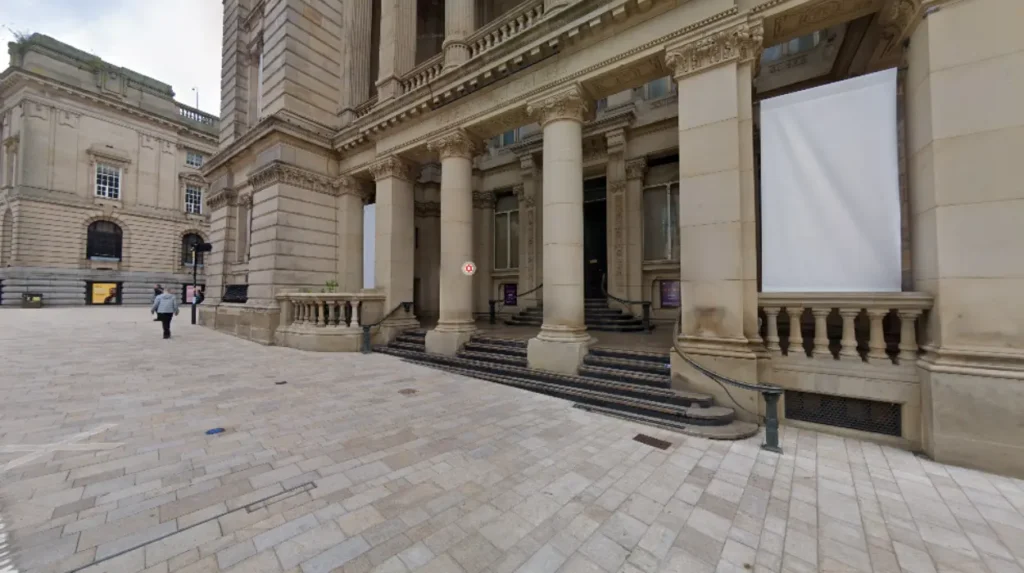
Major cultural and leisure venues in Birmingham integrate step free entry thresholds, designated wheelchair seating zones, accessible sanitary facilities, and assistive listening systems to ensure inclusive visitor experiences.
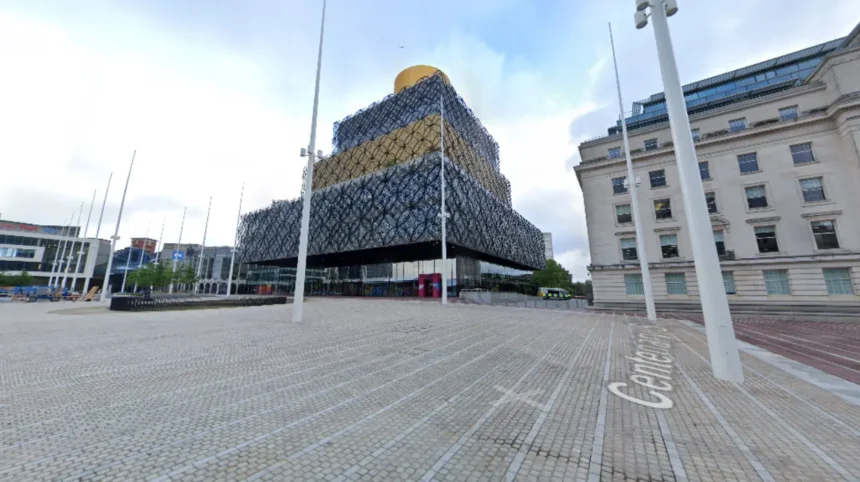
Cultural institutions such as the Birmingham Museum and Art Gallery, Thinktank Birmingham Science Museum, and the Library of Birmingham feature modern architectural adaptations including external ramped approaches.
Internal vertical circulation across multi level cultural spaces relies on high capacity passenger lifts, wide corridors, and automated interior fire doors. Exhibition spaces incorporate low height display cases, clear visual sightlines from seated positions, and multi sensory interpretation materials.
Performing arts venues, including the Birmingham Hippodrome and Symphony Hall, maintain dedicated accessible seating allocations with adjacent companion seating options across multiple auditorium tiers.
Step free emergency evacuation procedures and trained accessibility hosts provide tailored support for patrons requiring specialized assistance during live theatrical or musical productions. Infrared audio frequency induction loop systems operate within main auditoriums to assist visitors with hearing impairments during performances.
Botanical gardens, conservation parks, and outdoor leisure attractions maintain stabilized, graded pathway networks constructed from bound gravel or tarmac to support wheelchair and mobility scooter transit.
Outdoor interpretive signage utilizes high contrast typography, non reflective matte finishes, and optimal mounting heights to enhance readability for visitors with varying visual acuities. Rest benches strategically positioned at regular intervals along extended walking routes offer essential resting points for visitors with limited stamina.
Venue staff members receive continuous professional development training focusing on disability awareness, assistance dog etiquette, and respectful communication practices with disabled patrons.
Comprehensive digital accessibility guides published on official venue websites detail exact door widths, ramp gradients, and toilet transfer layouts to facilitate advance journey planning.
Collaborative partnerships between venue management teams and disability advisory panels drive ongoing infrastructure audits and capital investments in inclusive visitor experiences.
What Emergency Evacuation Protocols Support Visitors With Mobility Needs in Birmingham?
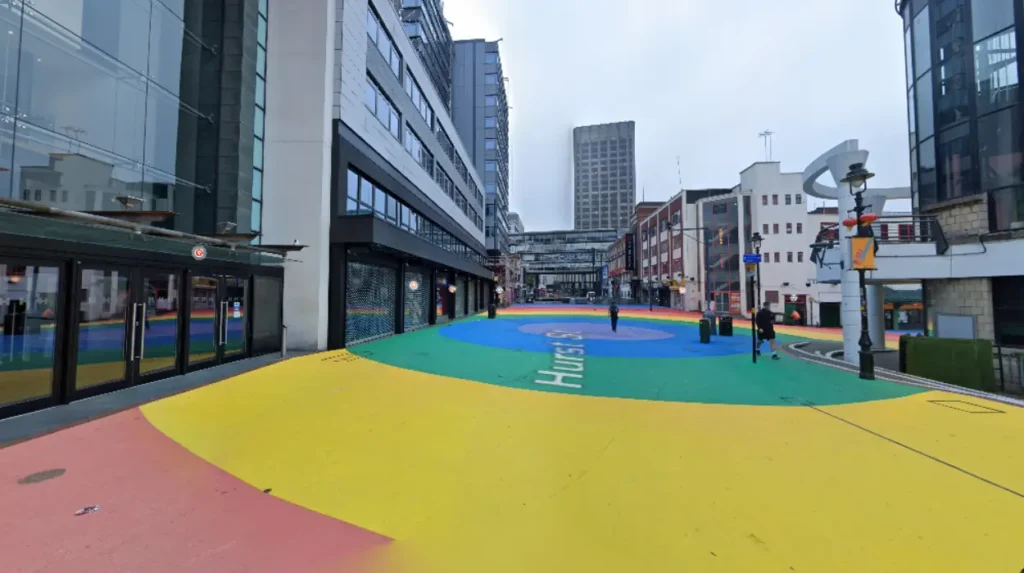
Emergency evacuation protocols across Birmingham public facilities incorporate refuge areas, visual and audible alarm systems, specialized evacuation chairs, and trained staff marshals to ensure safe egress for mobility impaired occupants.
Commercial buildings, transit hubs, and public entertainment venues adhere to rigorous regulatory building standards that mandate protected fire escape routes and designated refuge spaces on upper floor levels.
Refuge areas feature two way communication intercom systems linked directly to central building management control rooms, enabling occupants to signal their precise location during emergencies.
Fire safety engineering principles dictate that structural escape stairwells must maintain minimum clear widths and smoke extraction capabilities.
Trained fire marshals and designated building evacuation officers execute comprehensive evacuation procedures that utilize specialized evacuation transit chairs to transport non ambulatory individuals down staircases.
Elevators automatically home to ground floor levels upon activation of fire alarm systems, rendering vertical lifts unavailable for general evacuation use during active emergencies.
Emergency signage utilizes universal pictograms illuminated by backup battery systems to direct visitors toward accessible exit routes and ground level assembly points.
Public transit terminals maintain dedicated emergency response protocols coordinated between station operating staff, British Transport Police, and municipal emergency services to evacuate passengers safely.
Railway platforms and metro stops incorporate tactile warning hazard strips and emergency call points connected directly to transit control dispatch centers.
Regular emergency simulation drills conducted by venue operators test the operational readiness of evacuation equipment and verify staff proficiency in executing assisted egress protocols.
Accessibility coordinators within major civic organizations maintain up to date Personal Emergency Evacuation Plans for regular visitors and staff members requiring specialized physical support.
Post incident review mechanisms analyze evacuation performance metrics to identify potential bottlenecks, refine evacuation timings, and implement structural enhancements across public facilities.
Public safety information campaigns educate visitors on the location of accessible assembly points and the protocols governing emergency assistance activation within complex urban environments.
How do I apply for a Blue Badge if I am visiting Birmingham from another region?
Visitors from other UK local authority areas can use their existing valid Blue Badge in Birmingham under national reciprocal scheme rules. International visitors should consult Birmingham City Council guidelines regarding temporary visitor parking permits or reciprocal badge recognition agreements prior to travel.
Are West Midlands Metro trams and buses fully accessible for electric wheelchairs?
All West Midlands Metro trams and National Express West Midlands buses feature low floor boarding and designated wheelchair spaces capable of accommodating standard electric wheelchairs. Drivers and conductors assist passengers with manual ramp deployment when boarding and alighting from vehicles.
What should I do if a public venue lift is out of service during my visit?
Most major Birmingham cultural and commercial venues maintain secondary lift systems and alternative accessible routing plans monitored by customer service teams. Visitors are advised to contact venue guest services in advance or locate designated staff members upon arrival to obtain immediate assistance.
Are guide dogs and assistance dogs permitted in all Birmingham public transport and venues?
Assistance dogs, including registered guide dogs and medical alert dogs, are legally permitted on all public transport networks and within public buildings across Birmingham. Operating staff receive specific training to ensure unobstructed access and welcome assistance animals across all hospitality venues.
Can I hire mobility equipment such as wheelchairs or scooters in central Birmingham?
Shopmobility schemes and independent mobility equipment hire providers operate across central Birmingham shopping centers and major transport hubs to assist visitors. Advance reservation of manual wheelchairs or powered mobility scooters is strongly recommended to guarantee equipment availability.