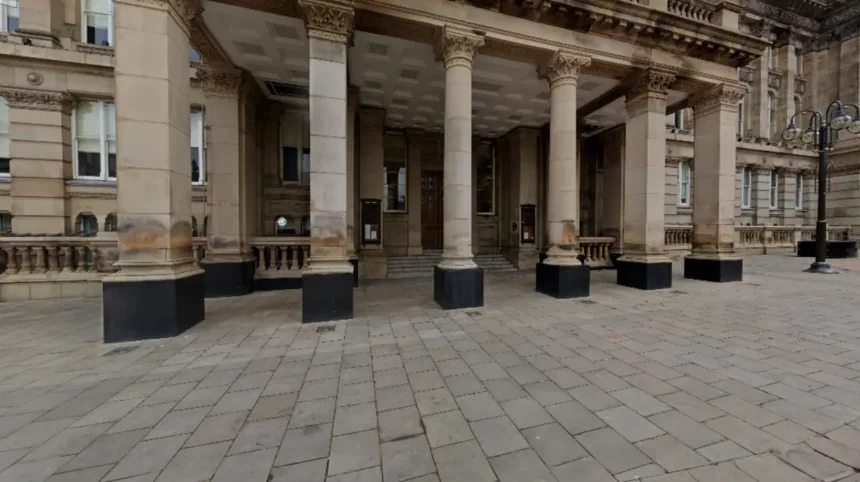
Birmingham’s best facilities and services for older residents include Care Quality Commission regulated residential homes, Birmingham City Council adult social care programs, University Hospitals Birmingham NHS geriatric clinics, and independent living villages that support over 150,000 senior citizens across the West Midlands.
- Which Residential Care Homes in Birmingham Hold Top Quality Ratings?
- What Adult Social Care Programs Does Birmingham City Council Provide?
- How Do NHS Healthcare Services Support Older Adults in Birmingham?
- What Independent Living and Retirement Villages Operate in Birmingham?
- Where Can Senior Citizens Access Community Centers and Charity Support?
- How much does a care home cost per week in Birmingham UK?
- How do I get a free care assessment from Birmingham City Council?
- Which retirement villages in Birmingham allow you to buy or rent apartments?
- What free transport passes are available for seniors in Birmingham?
- Where can I find free dementia support groups in Birmingham?
Birmingham serves as the largest metropolitan borough in the United Kingdom and maintains a comprehensive municipal infrastructure for senior citizens. Population data from the Office for National Statistics confirms that over 155,000 residents aged 65 and older live within the Birmingham local authority area.
These residents rely on a coordinated network of statutory healthcare providers, charitable organizations, and private care operators to maintain physical safety and social independence.
The Care Act 2014 establishes the legal framework for adult social care across England and mandates that local authorities promote individual wellbeing. Under this legislation, Birmingham City Council assesses citizen eligibility for funded care packages, home adaptations, and community support grants.
The Care Quality Commission inspects and regulates all registered residential facilities and domiciliary care agencies operating within the city boundaries.
Understanding the local landscape requires examining three primary care tiers: community-based preventative support, specialized clinical healthcare, and full-time residential accommodation.
Organizations such as Age UK Birmingham, Age Connects West Midlands, and the Birmingham Carers Hub deliver frontline advisory services across ten parliamentary constituencies. Navigating these options early ensures families secure appropriate placements before acute medical crises occur.
Which Residential Care Homes in Birmingham Hold Top Quality Ratings?
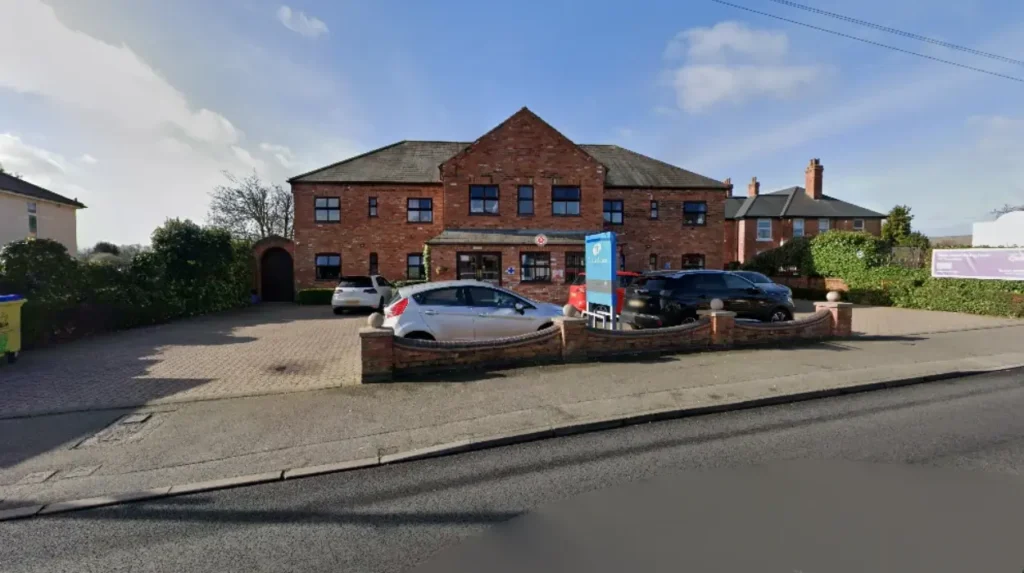
Top-rated residential care homes in Birmingham include Marian House Nursing Home, Oakview Care Home, Bourn View Care Home, and Digby Manor Care Home, all holding Good or Outstanding ratings from the Care Quality Commission for clinical safety and dementia support.
The Care Quality Commission evaluates care homes across five core metrics: safety, effectiveness, caring, responsiveness, and leadership.
Birmingham contains more than 65 registered care homes distributed across suburbs including Edgbaston, Sutton Coldfield, Erdington, and Moseley. Families evaluate these facilities based on staffing ratios, specialized dementia units, and weekly fee structures.
Marian House Nursing Home in Sutton Coldfield operates 42 rooms and maintains a Good rating from the Care Quality Commission. Oakview Care Home provides 97 beds divided into four specialist units designed for nursing and advanced dementia care. Digby Manor Care Home in Erdington features 42 rooms and focuses on person-centered residential living for older adults.
Bourn View Care Home in Bournville offers 75 en-suite bedrooms and integrates landscaped gardens with dedicated memory care floors.
Anchor operates multiple facilities in the city, including Kerria Court in Edgbaston with 47 rooms and Maple Dene in Moseley supporting 40 residents. Weekly residential fees in Birmingham range from £1,000 to £1,650 depending on nursing complexity and room specifications.
Selecting an appropriate care home requires reviewing published inspection reports and verifying nursing registration status. Facilities with dual registration allow residents to transition from standard residential assistance to full nursing care without relocating. This continuity protects cognitive stability for residents living with progressive conditions such as Alzheimer’s disease and Parkinson’s disease.
What Adult Social Care Programs Does Birmingham City Council Provide?
Birmingham City Council provides statutory Care Act assessments, Occupational Therapy home adaptations, Telecare emergency response systems, Community Network Support drop-ins, and the Birmingham Connect to Support directory to help older adults remain independent in their own homes.
Birmingham City Council manages adult social care through localized constituency teams that deliver early intervention and preventative support. The council operates the Birmingham Connect to Support platform, which indexes hundreds of vetted community groups, home help agencies, and mobility services.
Citizens access these resources through self-referral portals or community social worker drop-in sessions held across municipal libraries.
The Occupational Therapy Service for Adults conducts home environment evaluations for residents experiencing mobility decline or recovering from hospital stays. Occupational therapists prescribe three main categories of home modifications: structural grab rails, level-access shower installations, and stairlift systems.
The Disabled Facilities Grant provides means-tested capital funding up to £30,000 in England to cover permanent structural home adaptations.
Birmingham City Council also administers Telecare alarm systems that connect vulnerable residents to a 24-hour monitoring center. These systems utilize four core sensor types: wearable pendant alarms, fall detectors, smoke sensors, and bed occupancy monitors. Rapid response teams dispatch assistance immediately when an alert triggers inside a subscriber’s residence.
Financial assessments determine whether the local authority funds care services directly or issues Direct Payments for private procurement. Under current Department of Health and Social Care thresholds, residents with capital assets below £23,250 qualify for partial or full council funding support. This financial structure enables low-income seniors to access daily domiciliary carers without depleting essential living funds.
How Do NHS Healthcare Services Support Older Adults in Birmingham?
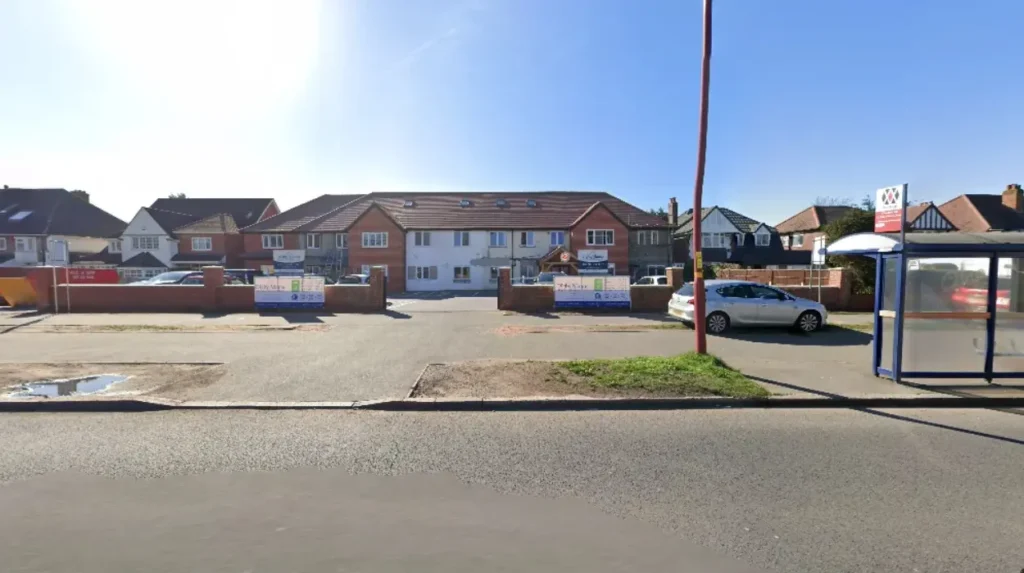
NHS healthcare services in Birmingham support older adults through University Hospitals Birmingham geriatric wards, Birmingham Community Healthcare NHS Foundation Trust rehabilitation teams, integrated Frailty Assessment Units, and multidisciplinary Memory Assessment Services across the city.
The Birmingham and Solihull Integrated Care System coordinates primary, community, and acute hospital services for an aging population. University Hospitals Birmingham NHS Foundation Trust operates four major hospital sites: Queen Elizabeth Hospital Birmingham, Heartlands Hospital, Good Hope Hospital, and Solihull Hospital. Each acute site maintains dedicated Older People’s Medicine wards staffed by consultant geriatricians and specialist frailty nurses.
Frailty Assessment Units at Heartlands Hospital and Queen Elizabeth Hospital provide same-day comprehensive geriatric assessments to prevent unnecessary inpatient admissions.
Patients undergo rapid diagnostics across four clinical domains: medication reconciliation, cognitive screening, physiotherapy mobility testing, and nutritional evaluation. Early discharge teams then coordinate transitional care packages within 48 hours of hospital attendance.
Birmingham Community Healthcare NHS Foundation Trust delivers outpatient and home-based clinical support through specialized community teams. The Early Intervention Community Team deploys nurses, physiotherapists, and occupational therapists directly to patients’ homes during acute health episodes.
This service reduces emergency department readmissions by stabilizing chronic conditions such as chronic obstructive pulmonary disease and heart failure at home.
Memory Assessment Services operate across Birmingham to diagnose dementia and prescribe cognitive-enhancing therapies. Psychiatrists and memory nurses conduct standardized cognitive evaluations and neuroimaging referrals for patients experiencing memory loss. Once diagnosed, patients receive structured post-diagnostic care plans linked directly to local Alzheimer’s Society Birmingham support workers.
What Independent Living and Retirement Villages Operate in Birmingham?
Independent living and retirement villages in Birmingham include ExtraCare Charitable Trust developments such as Bournville Gardens, New Oscott Village, Hagley Road Village, and Yardley Woods, offering self-contained apartments with 24-hour on-site care and communal wellness amenities.
ExtraCare Charitable Trust manages five major retirement villages across Birmingham in partnership with Birmingham City Council and housing associations. Bournville Gardens opened in 2015 and provides 212 one-bedroom and two-bedroom apartments alongside a fitness suite, bistro, and greenhouse. New Oscott Village in Erdington houses over 260 apartments and features a village hall, library, and on-site hair salon.
Hagley Road Village in Edgbaston contains 240 apartments designed for residents aged 55 and older seeking active retirement communities. Yardley Woods and Shenley Wood developments provide additional mixed-tenure housing options encompassing outright purchase, shared ownership, and affordable social rent. Each village integrates lockable private front doors with round-the-clock domiciliary care teams stationed inside the building.
On-site well-being advisors conduct regular health screenings for blood pressure, diabetes management, and cardiovascular fitness inside every ExtraCare village. Research conducted by Aston University demonstrated that ExtraCare residents experience a 38 percent reduction in unplanned hospital admissions compared to peers in standard housing. The study also recorded a 46 percent decrease in NHS general practitioner visits among village residents over a three-year period.
Dementia enablers operate within each retirement village to support residents experiencing early to moderate cognitive decline. These specialists organize structured cognitive stimulation therapy, memory cafes, and safe walking groups within secure village grounds. Couples with differing care needs remain together in their own apartment while receiving tailored daytime nursing support.
Where Can Senior Citizens Access Community Centers and Charity Support?
Senior citizens in Birmingham access community centers and charity support through Age UK Birmingham in Kings Heath, Age Connects West Midlands in Boldmere, Birmingham Carers Hub in the Jewellery Quarter, and local neighborhood day centers.
Charitable organizations form an essential safety net that combats social isolation and financial hardship among older Birmingham residents. Age UK Birmingham operates from Alcester Road South in Kings Heath and delivers free information, welfare benefits checks, and befriending programs. Welfare advisors assist pensioners in claiming Attendance Allowance, Pension Credit, and Council Tax Reductions worth thousands of pounds annually.
Age Connects West Midlands operates community hubs across north Birmingham, including the Boldmere Community Cafe, Boldmere Community Allotment, and Hawkesley Community Centre. Established in 1987, this organization runs structured day care centers that provide hot meals, supervised physical exercise, and accessible transport. These day programs give family caregivers essential daytime respite while keeping older adults socially engaged.
Birmingham Carers Hub operates from the Jewellery Quarter and supports unpaid family carers looking after older relatives. The hub conducts statutory Carers Assessments, issues emergency carer backup cards, and distributes wellbeing grants for short breaks. Support groups meet monthly across Sutton Coldfield, Hall Green, and Harborne to connect carers with peer networks.
Transport accessibility remains vital for older residents attending community hubs across the West Midlands metropolitan area. Transport for West Midlands issues free English National Concessionary Travel Passes to residents reaching State Pension age. Pass holders travel free on all local buses after 9:30 am on weekdays and all day on weekends, plus Ring and Ride door-to-door minibuses for mobility-impaired passengers.
How much does a care home cost per week in Birmingham UK?
Residential care homes in Birmingham charge between £1,000 and £1,400 per week for standard personal care. Facilities providing specialized nursing or advanced dementia care charge between £1,350 and £1,650 per week. Residents with savings below £23,250 qualify for means-tested financial contributions from Birmingham City Council.
How do I get a free care assessment from Birmingham City Council?
You request a free Care Act needs assessment by contacting the Birmingham City Council Adult Social Care team via phone or online portal. A social worker evaluates your daily living capabilities, mobility, and home safety within four weeks of referral. The council then generates a written care plan detailing eligible funded services and equipment.
Which retirement villages in Birmingham allow you to buy or rent apartments?
ExtraCare Charitable Trust villages in Birmingham, including Bournville Gardens, New Oscott Village, and Hagley Road Village, offer multiple tenure options. Residents can purchase apartments outright, buy a 50 percent or 75 percent shared ownership stake, or apply for affordable social rent through Birmingham City Council housing lists.
What free transport passes are available for seniors in Birmingham?
Residents who reach State Pension age qualify for a free Older Person’s Travel Pass through Transport for West Midlands. This pass provides free off-peak travel on West Midlands buses, trains, and trams. Seniors with severe mobility impairments can also register for the subsidized Ring and Ride door-to-door minibus service.
Where can I find free dementia support groups in Birmingham?
Alzheimer’s Society Birmingham runs free Dementia Cafes and Singing for the Brain groups across Edgbaston, Sutton Coldfield, and Yardley. Age Connects West Midlands and Birmingham Carers Hub also host weekly peer support sessions for family caregivers managing dementia at home.