Key Points
- Network Rail and West Midlands Railway issued travel warnings for people visiting the Birmingham Frankfurt Christmas Market and Christmas in Cathedral Square.
- Birmingham New Street station staff will use queuing systems and crowd management measures during busy weekend and evening hours.
- West Midlands Railway and CrossCountry services faced cancellations and disruptions on the opening day of the market.
- Rail operators advised travellers not to rely on the last trains of the night because of expected high passenger numbers.
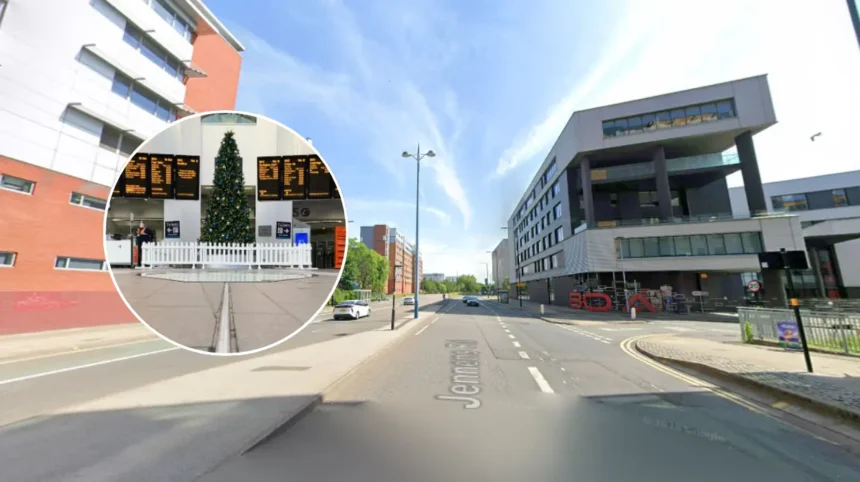
- Roadworks around Victoria Square and St Martins Street, altered walking routes, and bus replacement services may cause further travel delays in the city centre.
Birmingham (Birmingham Express) November 5, 2026 – Rail passengers travelling to Birmingham’s world-famous Frankfurt Christmas Market are being urged to prepare for significant travel disruption, strict queueing management systems, and service strain as millions of visitors descend upon the West Midlands. Transport authorities have issued urgent travel guidelines following heavy passenger footfall and operational challenges across regional rail routes on the official opening day of the market.
- Key Points
- Why are rail operators warning visitors to plan their journeys carefully?
- What specific safety measures and queueing systems will be enforced at Birmingham New Street?
- How are service cancellations and city-centre works affecting passenger travel?
- Background of the Development
- Future Outlook and Impact Prediction
Why are rail operators warning visitors to plan their journeys carefully?
As reported by Charlie Case of Secret Birmingham, both Birmingham’s Frankfurt Christmas Market and the Christmas in Cathedral Square Craft Market opened to the public on Thursday, November 5, 2026, running through to Christmas Eve, Thursday, December 24, 2026. Station authorities are preparing for intense overcrowding across the city’s main railway hubs.
Network Rail officials confirmed that approximately 4.5 million passengers navigated Birmingham New Street station during the equivalent festive period last year. Given the expected influx of shoppers and tourists over the seven-week event, footfall across Birmingham New Street, Birmingham Moor Street, and Birmingham Snow Hill is projected to reach peak levels, necessitating strict safety measures.
What specific safety measures and queueing systems will be enforced at Birmingham New Street?
As reported by Murthaza Ali-Hassan of Birmingham Now, station management teams will implement designated queueing systems at Birmingham New Street during high-density periods, including weekend evenings and peak after-work hours, to regulate access to platforms and avoid overcrowding on train concourses.
As reported by Charlie Case of Secret Birmingham, Network Rail representatives have outlined three fundamental principles for rail travel throughout the festive season:
- Passengers must check live timetables via National Rail Enquiries prior to departure.
- Travellers must identify multiple return train options and refrain from relying entirely on the final scheduled service of the night, which will operate under severe capacity limits.
- Visitors must exercise patience and show consideration toward railway staff and fellow passengers managing heavy station crowds.
How are service cancellations and city-centre works affecting passenger travel?
As reported by news editors at Ground News, opening day visitors faced immediate travel disruption as West Midlands Railway and CrossCountry services experienced widespread cancellations and schedule adjustments, compounding the pressure on connecting services across the region.
Furthermore, ongoing infrastructure and remedial street works around St Martins Street and Victoria Square are expected to remain active until early December 2026. These urban construction zones are altering pedestrian routes and generating road traffic congestion around the Bullring and Victoria Square, creating further challenges for visitors moving between the stations and market stalls.
To assist late-night commuters affected by schedule adjustments, rail replacement buses have been arranged on specific corridors. Passengers using late-evening services, such as the 11:34 pm Avanti West Coast departure from Coventry to London Euston, will be accommodated via connecting rail replacement buses operating through Rugby, Long Buckby, and Northampton.
Background of the Development
The Birmingham Frankfurt Christmas Market is widely recognised as the largest authentic German Christmas market outside of Germany and Austria, serving as a primary driver of festive tourism and economic activity in the West Midlands region. Drawing millions of visitors annually, the seasonal attraction relies heavily on Birmingham’s central position within the UK rail network.
Birmingham New Street serves as the principal hub connecting the Midlands to London, the North West, Scotland, and the South West. During previous holiday seasons, rapid spikes in passenger volume have presented major operational challenges, leading transport administrators to refine crowd-control procedures, platform rationing, and multi-agency coordination between Network Rail, local council traffic management, and transport police.
Future Outlook and Impact Prediction
The travel warnings and crowd control measures implemented for the 2026 festive season will directly affect several key groups across the West Midlands and beyond:
- Regional Commuters and Daily Rail Passengers: Regular rail users traveling into central Birmingham for work will experience extended journey times, congested station concourses, and potential delays when accessing platforms during evening rush hours.
- Festive Tourists and Day-Trippers: Visitors travelling from outside the West Midlands face a heightened risk of missing connections or being stranded if they rely on the last services of the evening. Families and large groups will need to build substantial buffer time into their travel plans.
- Local Retail and Hospitality Businesses: While high footfall drives revenue for city-centre traders, potential travel disruption and publicised warnings could prompt local residents to alter their visiting times to off-peak periods or choose alternative regional destinations.