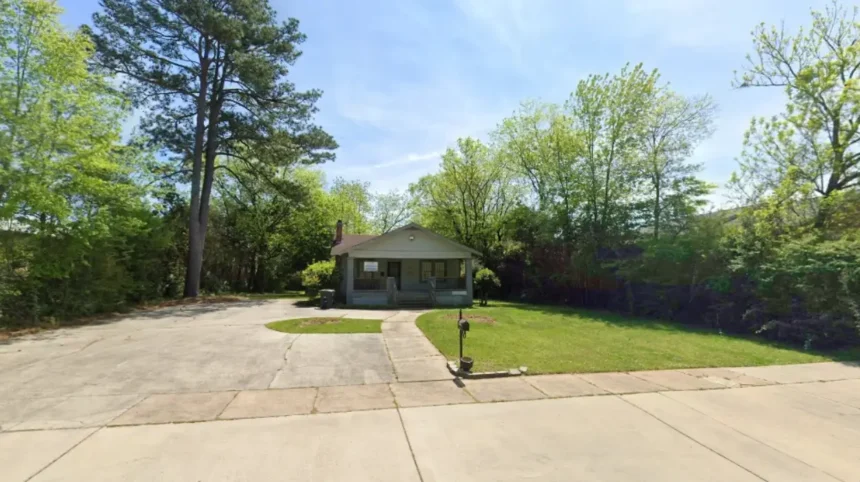
The suburban real estate market surrounding Birmingham features residential communities that combine relative price affordability, strong municipal services, and sustained long-term capital appreciation for modern home buyers.
- Which Factors Define Suburban Real Estate Value in the Birmingham Metro Area?
- Why Does Alabaster Rank High for Affordable Homeownership?
- How Does Pelham Offer Value for Outdoor Enthusiasts and Commuters?
- What Makes Helena a Preferred Suburb for Community-Minded Buyers?
- How Does Hoover Balance Scale, Amenities, and Real Estate Equity?
- Why Is Trussville Considered a Top Suburban Choice in Northeast Jefferson County?
- Which suburb in the Birmingham area has the lowest median home prices?
- How do property tax rates differ between Jefferson and Shelby County suburbs?
- What commute times can buyers expect from southern suburbs to central Birmingham?
- Are school districts in these suburbs managed municipally or by the county?
- Is new residential housing construction still available in these suburban markets?
The metropolitan residential area contains distinct suburban municipalities that provide structured residential living outside the primary urban core. Homebuyers evaluate these locations based on price per square foot, public education infrastructure, and commuter highway access.
Historically, suburban expansion across the region accelerated during the middle of the twentieth century, driven by roadway infrastructure development and shifted commercial investments. This movement transformed former rural properties into master-planned residential subdivisions across Jefferson and Shelby counties.
Key components of suburban value include residential property tax rates, municipal service coverage, local public school district performance, and commercial amenities. Municipalities with established park systems and commercial developments consistently retain higher residential valuation stability during economic downturns.
The process of selecting a high-value suburb requires comparing median housing sale prices, annual property assessment taxes, average commute times via major interstates, and municipal infrastructure investments. Strategic buyers analyze local real estate market data before completing real estate acquisitions.
Real-world examples of high-value residential suburbs in the metropolitan region include Alabaster, Pelham, Helena, Hoover, and Trussville. Each municipality provides varied price points, school systems, and community amenities tailored to different homebuyer demographics.
Data from regional real estate market tracking in 2026 indicates that suburban median home prices range from approximately $319,840 in southern Shelby County to over $499,170 in established commercial corridors such as Hoover. Properties in these areas average between 33 and 59 days on the market.
The ongoing development of suburban commercial centers and transportation corridors ensures long-term residential stability. Buyers who purchase property in well-managed suburban districts secure stable housing equity and reliable public services for future decades.
Which Factors Define Suburban Real Estate Value in the Birmingham Metro Area?
Suburban real estate value depends on structural price metrics, local public school district ratings, municipal tax structures, geographic proximity to primary employment hubs, and the overall quality of public infrastructure maintainability across the specific suburban jurisdiction.
Evaluating value in residential real estate involves assessing physical property assets alongside local municipal benefits. A high-value suburb provides solid structural housing quality paired with reliable public infrastructure, without commanding the premium price tags seen in central urban cores or luxury enclaves.
Historically, suburban valuations were primarily calculated based on proximity to downtown central business districts and simple square footage. Over past decades, buyers shifted focus toward comprehensive livability indicators, including crime statistics, public recreation investments, and local commercial zoning policies.
Key elements of local real estate value include tax assessments, school district test performance, spatial square footage pricing, park maintenance, and local public safety resources. Together, these elements determine the baseline appreciation rate of single-family housing assets.
The evaluation process involves reviewing historical price appreciation trends, examining public municipal budgets, analyzing local school board performance metrics, and verifying average vehicle commute times during peak morning hours.
For example, municipalities located within Shelby County often present lower relative property tax rates compared to Jefferson County jurisdictions, directly impacting total monthly mortgage obligations for buyers.
Recent regional housing reports show that suburbs offering dedicated municipal services experience an average annual property appreciation rate of 3 percent to 8 percent. Single-family home inventories in these districts demonstrate strong market resilience.
These evaluation metrics allow prospective property owners to identify location options that balance financial investment limits with desired family lifestyle requirements. High-value areas continue attracting long-term residents.
Why Does Alabaster Rank High for Affordable Homeownership?
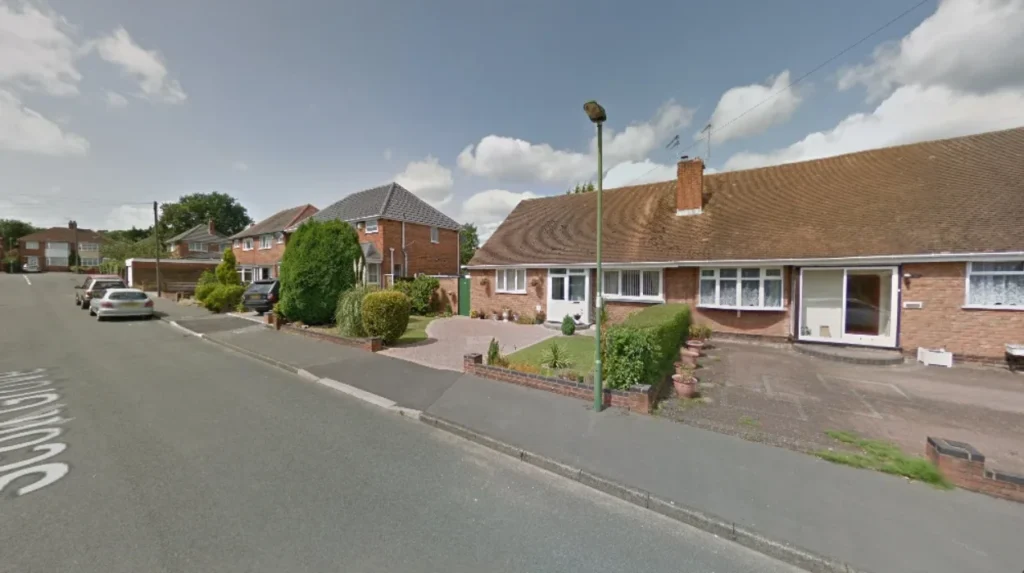
Alabaster offers premier value through lower average median home prices, an independent municipal school system, expanding retail commercial corridors, and direct interstate transportation access along the Interstate 65 corridor in Shelby County.
Alabaster sits in southern Shelby County and functions as one of the fastest-growing residential hubs in the metropolitan area. The city features modern master-planned subdivisions, extensive retail options, and well-maintained public infrastructure.
The municipality incorporated in 1953 as a small residential center and expanded rapidly as commercial developments moved south from central Birmingham. The establishment of the Alabaster City School System in 2013 further isolated local education governance from county systems.
Primary components of Alabaster’s market appeal include single-family detached housing stock, expansive retail developments along U.S. Highway 31, public park facilities, and localized health services through major regional medical facilities.
Buying a home in Alabaster involves working through established residential housing developments, assessing county tax obligations, and planning daily commutes northward into central employment districts via Interstate 65.
Real-world examples of residential communities in Alabaster include suburban developments near Thompson High School and established neighborhoods along the Highway 119 residential corridor.
Market statistics from mid-2026 show Alabaster maintaining a median single-family home sales price of roughly $319,840, making it one of the most affordable major suburbs in the region. Population estimates reflect steady growth exceeding 4 percent since 2020.
Low entry price points paired with self-contained civic services ensure Alabaster will remain a dominant destination for cost-conscious home buyers seeking long-term stability and modern infrastructure.
How Does Pelham Offer Value for Outdoor Enthusiasts and Commuters?
Pelham delivers homebuyer value through moderate entry housing costs, proximity to major recreational facilities like Oak Mountain State Park, and direct arterial transit connections into regional commercial centers.
Pelham occupies a prime geographical location directly adjacent to Oak Mountain State Park, providing suburban tranquility combined with robust local recreational access. The city balances mixed residential developments with active municipal infrastructure.
Incorporated in 1953, Pelham evolved from a quiet rural community into a prominent suburban center. The development of major civic facilities and commercial corridors along Interstate 65 transformed the city into a prime residential hub.
Key structures of the Pelham community include diverse housing inventories, municipal sports complexes, the Pelham Civic Complex and Ice Arena, and immediate access to expansive state park trails.
Navigating the Pelham housing market involves selecting between established single-family subdivisions, townhouse communities, and newer residential developments situated along suburban arterial roadways.
Examples of living options in Pelham include homes situated near the Oak Mountain amphitheater zone and residential neighborhoods positioned along the Highway 31 commercial spine.
Data reveals Pelham’s median residential sales price holding around $376,003, with homes averaging roughly 54 days on the market. The population reached approximately 25,664 residents following sustained growth.
The combination of dedicated municipal recreation, mid-range home pricing, and efficient commuting routes ensures Pelham retains strong homebuyer demand across varying economic conditions.
What Makes Helena a Preferred Suburb for Community-Minded Buyers?
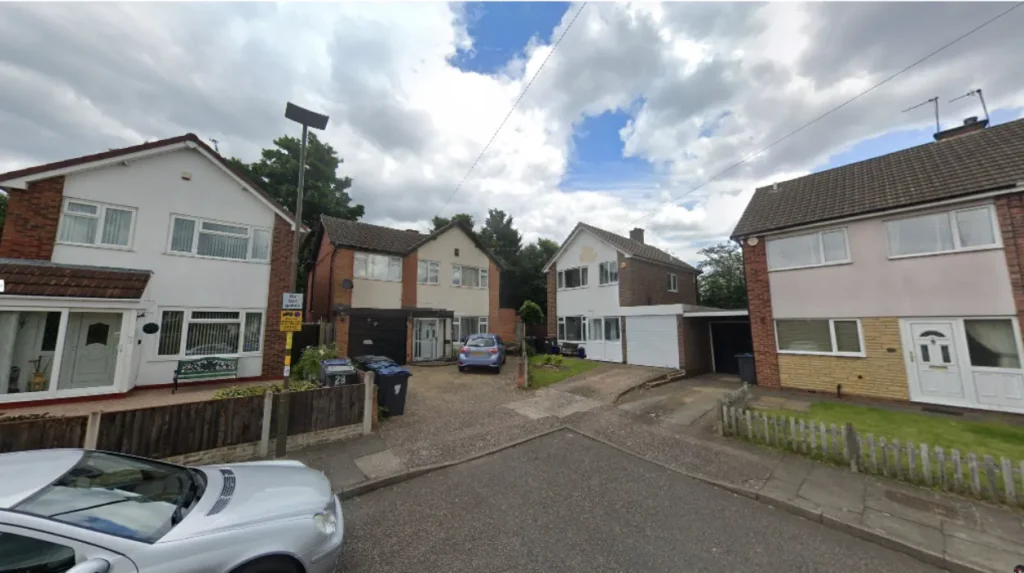
Helena provides exceptional value by offering low historical crime rates, historic small-town character, active community civic programming, and consistent long-term residential housing value stability.
Helena is situated in western Shelby County and is recognized for its historic downtown district, public parks, and quiet residential subdivisions. The city offers a distinct small-town feel within a major metro framework.
Originally settled in the 1840s as an industrial transportation and coal mining outpost, Helena transitioned into a strictly residential suburb during the late twentieth century as suburban residential demand surged.
Core components of Helena include the Old Town historic district along Buck Creek, public park facilities, local public schools, and master-planned residential communities built across rolling countryside terrain.
Purchasing real estate in Helena involves evaluating single-family detached homes within master-planned developments while planning daily travel routes via State Route 261 and Highway 17.
Examples of residential options include properties in the Hillsboro master-planned community and established single-family subdivisions surrounding Buck Creek Park.
Real estate figures set Helena’s median home sale price at approximately $350,168. The municipality experienced a population increase of nearly 11.8 percent between 2020 and 2025.
Sustained population growth paired with high residential satisfaction highlights Helena as a reliable choice for buyers prioritizing community safety and long-term equity growth.
How Does Hoover Balance Scale, Amenities, and Real Estate Equity?
Hoover delivers strong homebuyer value by combining extensive retail commerce, a top-rated municipal school system, diverse property price points, and robust municipal services across two major counties.
Hoover functions as the largest suburban city in the metro area, straddling both Jefferson and Shelby counties. It provides comprehensive municipal services, extensive public parks, and major commercial retail destinations.
Incorporated in 1967, Hoover grew rapidly through aggressive commercial expansion, annexation, and major retail developments, including the construction of large regional shopping complexes in the late twentieth century.
Key structural components include the Hoover City School District, major commercial developments, extensive healthcare facilities, and diverse residential master-planned communities like Greystone and Ross Bridge.
The homebuying process in Hoover involves navigating a broad pricing spectrum, identifying specific county tax boundaries, and choosing between golf course communities, traditional subdivisions, and modern townhomes.
Examples of residential areas within Hoover range from affordable condominium developments to large single-family homes located in master-planned golf communities.
Housing market data shows Hoover’s median residential sales price at $499,170, with over 390 home transactions occurring across a typical three-month trading period. The population stands at over 93,500 residents.
Hoover’s large commercial tax base, top-tier public school district, and deep housing inventory guarantee long-term real estate liquidity and solid capital preservation for property buyers.
Why Is Trussville Considered a Top Suburban Choice in Northeast Jefferson County?
Trussville provides high homebuyer value through its top-rated school system, historic gateway heritage, newly developed downtown entertainment district, and convenient transit access along the Interstate 59 corridor.
Trussville sits in northeastern Jefferson County, extending into St. Clair County. The municipality is known for its historic Cahaba Project neighborhood, high-performing public schools, and modern civic infrastructure investment.
Established in the early nineteenth century and incorporated in 1947, Trussville grew significantly during the New Deal era with federal housing projects and expanded rapidly as a primary eastern commuter suburb.
Essential elements of Trussville include the Trussville City School District, the newly constructed Downtown Entertainment District, expansive public park networks along the Cahaba River, and major retail shopping centers.
Buying property in Trussville requires assessing historic homes near the city center, evaluating newer suburban subdivisions, and factoring in interstate driving times along Interstate 59.
Examples of housing options include preserved historic stone homes within the Cahaba Project and sprawling modern multi-bedroom residences in suburban subdivisions.
Market metrics indicate a median home sale price of approximately $427,866, with properties spending an average of 59 days on the market. The city population reached over 27,200 residents.
Trussville’s proactive downtown revitalization, coupled with high academic standards, positions the municipality as an elite choice for suburban home buyers seeking equity growth.
Which suburb in the Birmingham area has the lowest median home prices?
Alabaster currently offers the lowest median residential sale price among major southern suburbs, averaging roughly $319,840. First-time buyers benefit from lower initial purchase barriers alongside strong local municipal services and direct interstate access.
How do property tax rates differ between Jefferson and Shelby County suburbs?
Shelby County suburbs generally maintain lower property tax millage rates compared to Jefferson County municipalities. Suburbs that straddle county lines, like Hoover, present varying annual property tax bills depending on the exact county jurisdiction of the parcel.
What commute times can buyers expect from southern suburbs to central Birmingham?
Commute times from southern suburbs like Pelham and Alabaster generally range between 30 and 40 minutes via Interstate 65 during peak hours. Suburbs located closer in, such as Hoover, offer shorter commutes averaging 20 to 30 minutes.
Are school districts in these suburbs managed municipally or by the county?
Many high-value suburbs, including Hoover, Alabaster, and Trussville, operate independent municipal school systems separate from county board oversight. Independent school management often translates into direct local funding and high academic rankings.
Is new residential housing construction still available in these suburban markets?
Suburbs located farther south, such as Alabaster, Helena, and Pelham, contain the majority of new home construction developments. In contrast, closer-in suburbs are largely built out, making resale single-family homes the predominant market option.