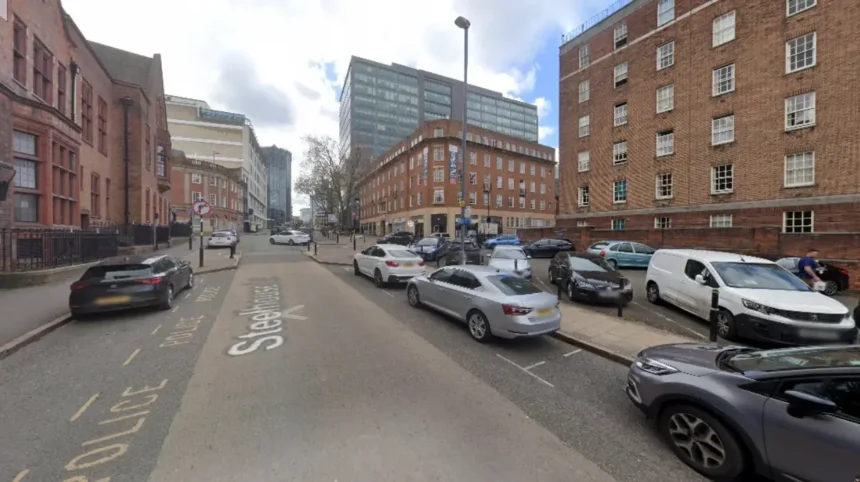
Choosing between Birmingham city centre living and suburban life involves weighing housing density, transportation access, financial costs, and daily convenience.
- What Is the Cost of Living Difference Between City Centre and Suburban Birmingham?
- How Do Housing Types and Property Sizes Compare Across Locations?
- What Are the Transport Links and Commute Dynamics in Each Area?
- Which Location Offers Superior Access to Amenities and Nightlife?
- Is it cheaper to rent in Birmingham city centre or the suburbs?
- Is Birmingham city centre safe for families with young children?
- Do I need a car while living in central Birmingham?
- Which Birmingham suburbs offer the fastest commute to the city centre?
- How do council tax rates compare between central Birmingham and suburban districts?
Urban living provides immediate walking access to employment hubs, entertainment venues, and public transit networks like Birmingham New Street station.
Suburban living in outer districts prioritises larger residential property sizes, private green spaces, dedicated driveway parking, and access to local school catchment zones.
Understanding the structural differences between these two living environments helps buyers and renters select the ideal location based on budget, family size, lifestyle preference, and long-term financial goals.
What Is the Cost of Living Difference Between City Centre and Suburban Birmingham?
Birmingham city centre living features higher square-footage costs and private rental premiums, whereas suburban locations offer lower unit property prices alongside higher commute and transport costs.
Property values per square metre remain significantly elevated within the central Business District (CBD) and surrounding central quarters.
The average monthly private rent in Birmingham stands at £1,099, with central one-bedroom apartments costing £830 per month and two-bedroom units averaging £1,003 per month.
In suburban residential zones, overall property purchase prices average £234,000 across all property types, with semi-detached family homes averaging £251,000 across the broader West Midlands region.
Council Tax Band D charges across the local authority stand at £2,362.90 per year, though specific suburban parish precepts in areas like Sutton Coldfield increase total Band D annual charges to £2,423.13.
Suburban residents frequently incur secondary commuting expenses via West Midlands Railway or car ownership, offsetting lower structural property square-footage costs.
How Do Housing Types and Property Sizes Compare Across Locations?
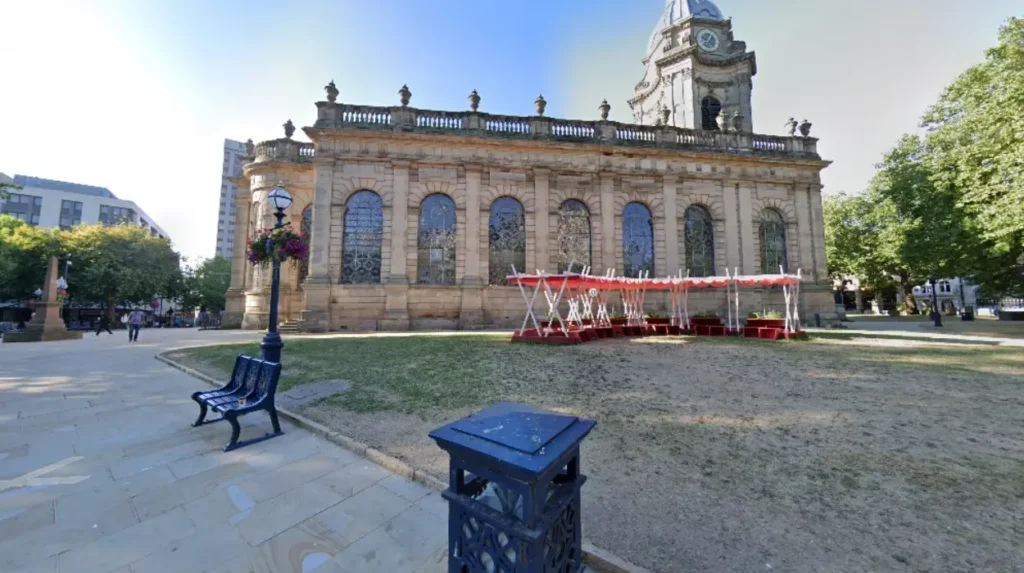
City centre housing stock consists primarily of multi-storey apartment blocks, converted industrial spaces, and high-density flats, whereas suburban housing features single-family detached homes.
Central urban architecture heavily emphasizes modern multi-apartment towers, restored Victorian warehouse complexes, and studio developments designed for single occupants, young professionals, and urban couples.
Suburban regions offer traditional structural layouts including semi-detached houses, detached properties, terraced rows, and bungalow housing units. Property features in outer suburbs include private front and rear gardens, multi-car driveways, attached garages, and expandable attic or extension spaces.
Central city properties focus on private balconies, communal courtyard gardens, shared rooftop terraces, and concierge reception areas instead of land ownership.
What Are the Transport Links and Commute Dynamics in Each Area?
City centre residents utilize walking routes, cycling paths, and inner-city tram networks, whereas suburban residents rely on suburban rail services, bus corridors, and road networks.
Central residents benefit from direct access to major railway infrastructure, including Birmingham New Street, Birmingham Moor Street, and Birmingham Snow Hill stations.
The West Midlands Metro extension links central points directly through urban corridors without requiring private vehicle usage. Suburban living relies on major road networks like the A38, A456, and M6 motorway junctions alongside regional commuter train lines.
Peak-time road congestion in outer ring roads increases transit times for motorists, whereas central walking access eliminates daily vehicle transit delays.
Which Location Offers Superior Access to Amenities and Nightlife?
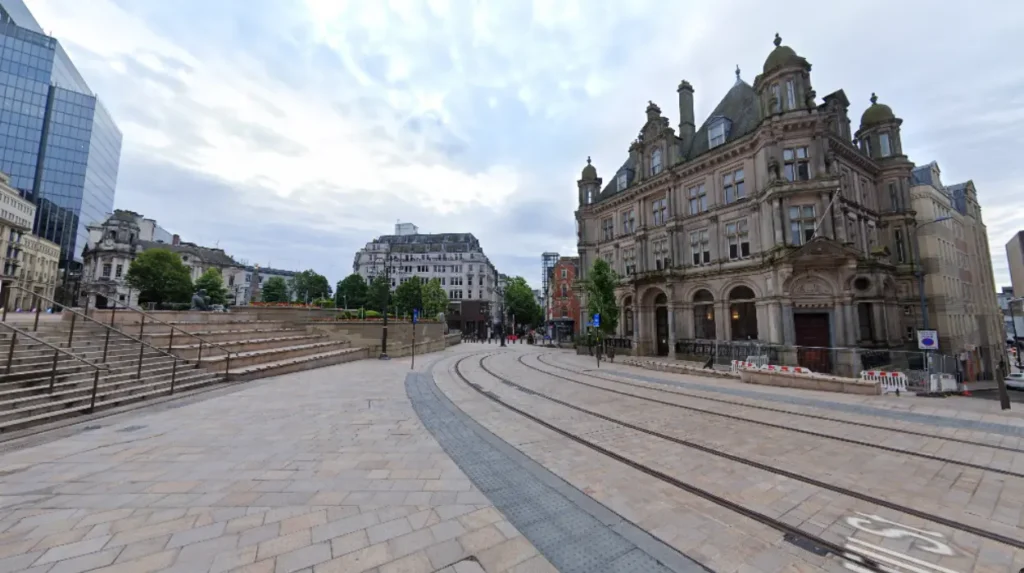
City centre living delivers walk-to-access to retail districts, cultural venues, and dining establishments, while suburban areas feature localized retail hubs and community parks.
Central residents live within walking distance of high-density retail developments such as the Bullring & Grand Central complex, Mailbox Birmingham, and independent arcades.
Cultural landmarks like the Symphony Hall, Birmingham Museum and Art Gallery, Hippodrome Theatre, and the Library of Birmingham operate within the inner ring road. Culinary districts include the Colmore Business District fine-dining establishments and Chinatown entertainment hubs.
Suburbs provide localized high-street shops, neighbourhood supermarkets, traditional pubs, localized leisure centres, and expansive public parks such as Sutton Park, Cannon Hill Park, and Lickey Hills Country Park.
Is it cheaper to rent in Birmingham city centre or the suburbs?
Renting a small one-bedroom apartment in the city centre often incurs higher rent per square foot compared to suburban areas. However, suburban renting usually requires additional budget allocation for public transit passes or car maintenance and fuel.
Is Birmingham city centre safe for families with young children?
City centre living offers modern secure gated developments and high security, but lacks immediate access to primary schools and large private gardens. Most families prefer suburban areas due to lower traffic density and proximity to top-rated school zones.
Do I need a car while living in central Birmingham?
No, living in central Birmingham makes vehicle ownership largely unnecessary due to dense walking routes, extensive bus networks, and major train stations. Parking space rental fees in central apartment buildings also add significant monthly overhead.
Which Birmingham suburbs offer the fastest commute to the city centre?
Suburbs such as Edgbaston, Harborne, Moseley, and Erdington provide rapid commutes under 20 minutes via direct bus routes or West Midlands Railway trains. Areas located directly along the West Midlands Metro line also ensure consistent transit times into the core.
How do council tax rates compare between central Birmingham and suburban districts?
Standard Birmingham local authority rates apply across city centre apartments and urban homes equally based on property valuation bands. However, certain suburban areas like Sutton Coldfield feature additional local parish council precepts that slightly increase overall annual bills.