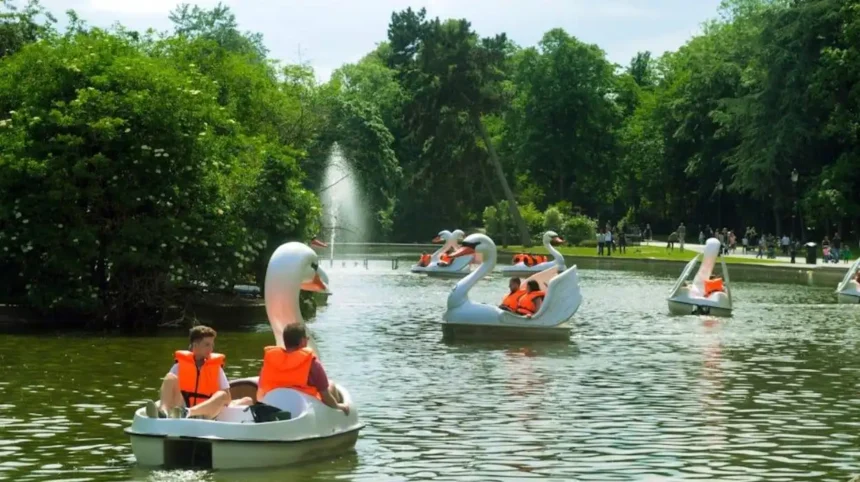
Birmingham school holidays provide families with access to centuries of history, nationally important museums, extensive parks, canals, libraries, cultural festivals, and educational attractions. The city’s industrial heritage combines with modern leisure facilities to create affordable, engaging, and educational experiences for children throughout the year.
- How did Birmingham become one of Britain’s leading family destinations?
- Which museums keep children engaged while teaching Birmingham’s history?
- What historic parks help children stay active during school holidays?
- How do Birmingham’s canals provide educational family experiences?
- Why are Birmingham libraries important during school holidays?
- How do Birmingham’s historic theatres introduce children to performing arts?
- Which cultural festivals provide educational experiences for children?
- How can families combine education with affordable entertainment?
- Why does Birmingham’s industrial heritage remain relevant for children today?
- How can school holidays strengthen children’s understanding of Birmingham’s heritage?
- Frequently Asked Question
School holidays provide more than free time. They allow children to explore places outside the classroom while connecting learning with real-world experiences. Birmingham, England’s second-largest city, has developed a broad range of attractions that combine recreation, history, science, culture, and nature.
The city’s transformation during the Industrial Revolution created many of today’s educational landmarks. Historic factories became museums. Victorian civic buildings became cultural venues. Canal networks evolved into family-friendly walking routes. These changes allow children to experience history while remaining active.
Parents also benefit from Birmingham’s excellent transport links, making several attractions accessible without lengthy travel. Many museums remain free to enter because they receive support from local authorities or national heritage organisations, making family outings financially accessible.
Throughout spring, summer, autumn, and winter holidays, Birmingham hosts seasonal programmes organised by museums, libraries, parks, theatres, and cultural institutions. These activities often include workshops, exhibitions, historical demonstrations, science experiments, storytelling sessions, and creative arts.
Understanding Birmingham’s historical development helps families appreciate why the city offers such a wide variety of experiences today.
How did Birmingham become one of Britain’s leading family destinations?
Birmingham became a major family destination through its Industrial Revolution growth, Victorian investment in public education, twentieth-century museum expansion, park development, canal regeneration, and continuous investment in cultural institutions that serve residents and visitors throughout the school holidays.
Birmingham grew rapidly during the eighteenth and nineteenth centuries as Britain’s manufacturing centre. Population growth encouraged civic leaders to establish libraries, museums, botanical gardens, and public parks.
Victorian reformers believed children benefited from education beyond schools. Public institutions became centres for scientific learning, art appreciation, and historical understanding. This philosophy continues today.
The city’s canal system, originally constructed for transporting coal, iron, and manufactured goods, now supports recreational walking, cycling, and boat trips suitable for families.
During the twentieth century, Birmingham invested heavily in preserving industrial heritage. Former factories became museums demonstrating engineering, jewellery production, steam power, and transport innovation.
Recent regeneration projects have expanded pedestrian spaces around Centenary Square, Brindleyplace, and the city centre, making family exploration safer and more enjoyable.
To experience these historic landmarks in person today, consult our comprehensive [Best Things to Do in Birmingham With Kids During Holidays] for itineraries and visiting parameters.
Which museums keep children engaged while teaching Birmingham’s history?
Birmingham’s museums combine interactive exhibits, historical collections, scientific demonstrations, engineering displays, archaeological discoveries, and creative workshops. These institutions transform historical education into practical experiences that maintain children’s interest during school holidays while supporting curriculum learning across multiple subjects.
Museums provide structured learning without replicating classroom environments. Children engage directly with historical objects, engineering equipment, fossils, ancient artefacts, and scientific experiments.
Birmingham Museum and Art Gallery
Established in 1885, Birmingham Museum and Art Gallery houses collections spanning archaeology, fine art, local history, and world cultures.
Children encounter Ancient Egyptian artefacts, Roman discoveries from the West Midlands, medieval objects, Victorian paintings, and industrial history exhibits.
Interactive educational programmes explain how Birmingham developed from a medieval market town into an international manufacturing centre.
Thinktank Birmingham Science Museum
Thinktank demonstrates Birmingham’s engineering legacy through practical science.
Children explore aviation, transport, medicine, robotics, space exploration, and industrial machinery.
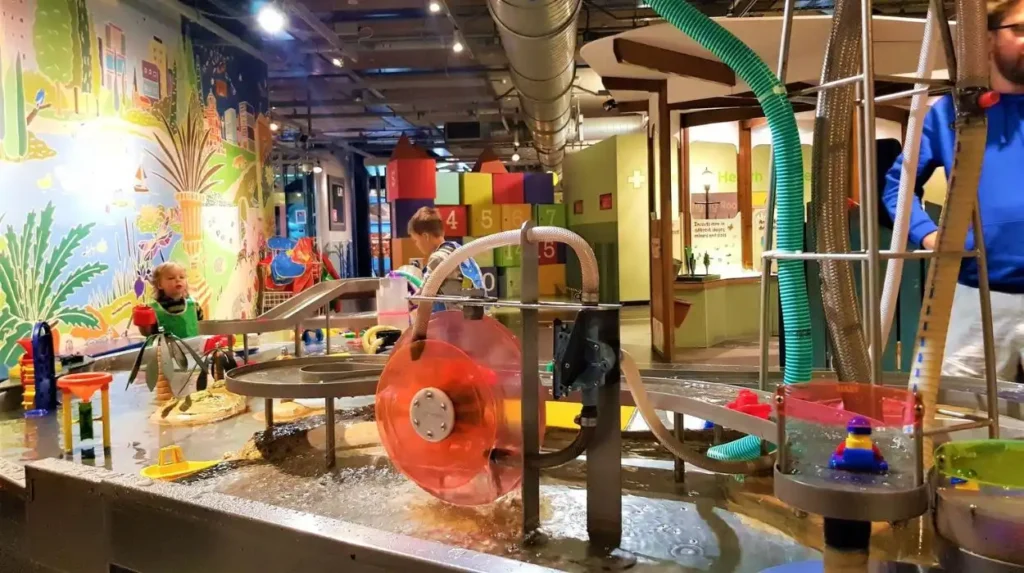
The museum includes hands-on galleries where children investigate physics, mechanics, biology, and engineering principles through experiments.
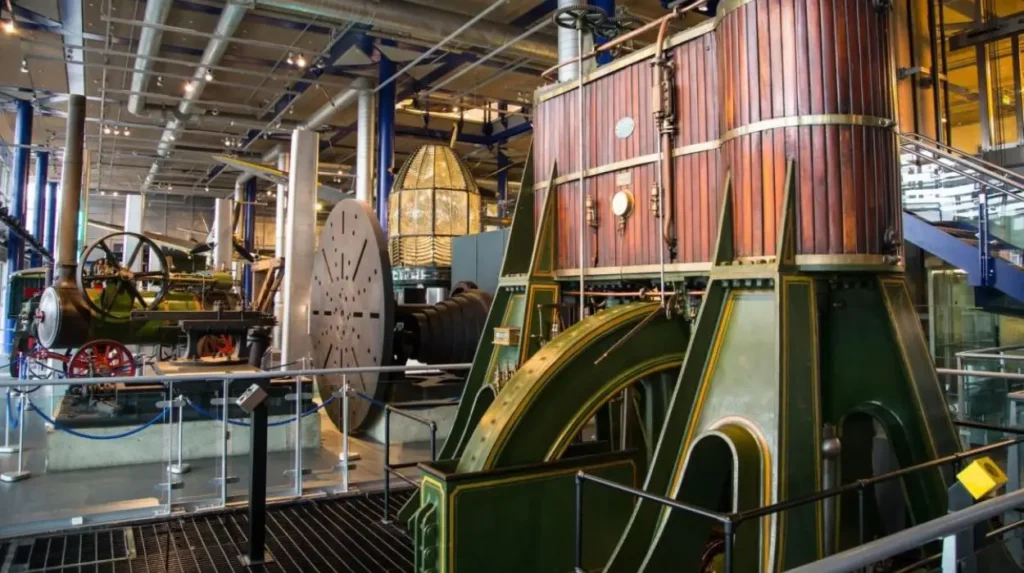
Historical exhibits explain Birmingham’s contribution to steam engines, manufacturing innovation, and scientific discovery.
Museum of the Jewellery Quarter
The Jewellery Quarter remains one of Europe’s most significant jewellery manufacturing districts.
The museum occupies a preserved jewellery factory that operated during the twentieth century.
Children observe original machinery, traditional craftsmanship, and manufacturing techniques while learning how skilled workers produced jewellery exported worldwide.
These museums demonstrate how historical industries shaped Birmingham’s economy and continue influencing modern craftsmanship.
What historic parks help children stay active during school holidays?
Birmingham’s historic parks combine outdoor recreation with landscape heritage, Victorian planning, conservation projects, wildlife habitats, and educational activities. These green spaces encourage physical exercise while introducing children to environmental history and urban development across different historical periods.
Birmingham contains more than 8,000 acres of public parks and open spaces, reflecting nineteenth-century public health reforms.
Victorian planners recognised that expanding industrial cities required accessible green spaces for recreation and wellbeing.
Cannon Hill Park
Opened in 1873, Cannon Hill Park remains one of Birmingham’s largest public parks.
Children enjoy playgrounds, boating lakes, miniature railways, wildlife observation, sports facilities, and seasonal events.
The park also hosts educational programmes explaining local biodiversity and Victorian landscape design.
Sutton Park
Sutton Park covers approximately 2,400 acres and ranks among Europe’s largest urban parks.
Its woodlands, wetlands, heathlands, lakes, and grasslands support hundreds of plant and animal species.
Children learn about conservation while exploring marked walking routes and outdoor education programmes.
Lickey Hills Country Park
Lickey Hills combines geological history with panoramic views across the West Midlands.
Educational trails explain rock formations, woodland management, and local wildlife habitats.
Outdoor exploration balances museum visits by encouraging physical activity and environmental awareness.
How do Birmingham’s canals provide educational family experiences?
Birmingham’s canals demonstrate Britain’s industrial engineering achievements through preserved waterways, historic bridges, warehouses, locks, and regenerated waterfront districts. Canal walks help children understand transport history, urban development, environmental conservation, and engineering innovation in practical settings.
Birmingham possesses more canal mileage than Venice, with approximately 35 miles of navigable waterways.
Constructed mainly during the eighteenth century, canals transported coal, iron, raw materials, and manufactured goods throughout Britain’s industrial regions.
Children can observe original locks, towpaths, warehouses, and bridges while learning how goods moved before railways expanded.
Boat trips explain lock operation, water management, and canal engineering.
Brindleyplace demonstrates successful urban regeneration by transforming former industrial land into public spaces containing restaurants, cultural venues, offices, and recreational areas.
Interpretation boards throughout canal routes describe historical engineering achievements using accessible language for younger audiences.
Walking routes also encourage cycling and wildlife observation, providing educational value alongside physical activity.
Why are Birmingham libraries important during school holidays?
Birmingham’s libraries support children’s education through reading programmes, storytelling events, historical archives, creative workshops, digital learning, and community activities. They continue Birmingham’s nineteenth-century commitment to public education and lifelong learning beyond formal classrooms throughout every school holiday period.
Public libraries emerged as important educational institutions during the Victorian era.
The Public Libraries Act 1850 encouraged towns and cities across Britain to establish free libraries for public education.
Library of Birmingham
Opened in 2013, the Library of Birmingham replaced the former Central Library while expanding educational facilities.
It contains extensive children’s collections, family learning spaces, archives, exhibitions, and interactive programmes.
Historical collections introduce children to Birmingham’s development through photographs, maps, manuscripts, and local records.
Holiday programmes include storytelling, crafts, reading challenges, creative writing sessions, coding workshops, and educational performances.
Libraries encourage literacy while providing structured activities regardless of weather conditions.
How do Birmingham’s historic theatres introduce children to performing arts?
Birmingham’s theatres preserve centuries of dramatic tradition through children’s productions, educational workshops, backstage tours, music performances, and cultural festivals. These institutions encourage creativity while introducing young audiences to Britain’s theatrical heritage and artistic development.
Theatre plays an important role in childhood education by developing imagination, communication, and cultural understanding.
Birmingham Hippodrome
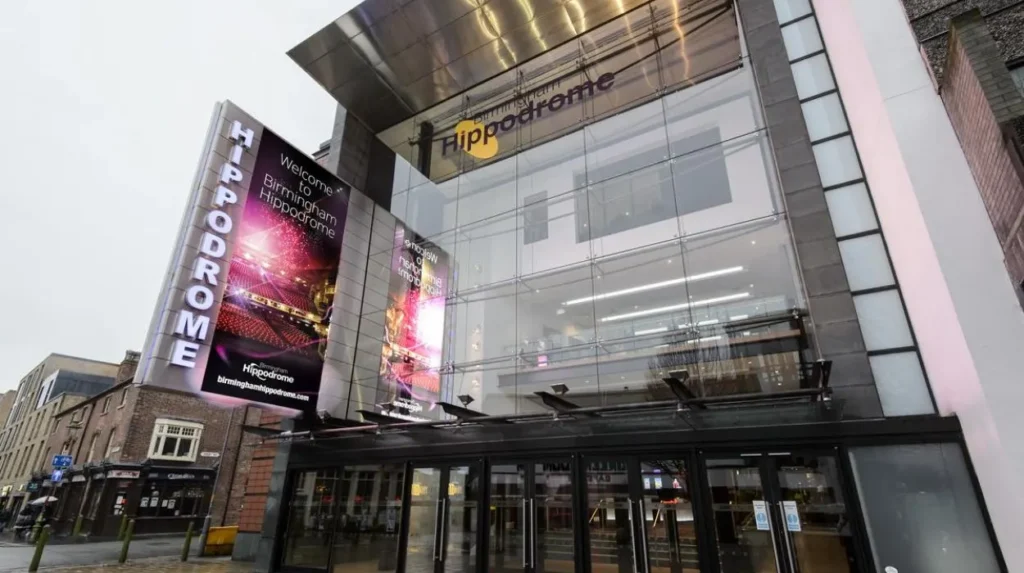
The Birmingham Hippodrome ranks among Britain’s busiest theatres.
School holiday programming frequently includes family musicals, ballet, dance productions, and children’s theatre.
Educational workshops introduce stage production, choreography, costume design, and performance skills.
Birmingham Repertory Theatre
Established in 1913, Birmingham Rep pioneered repertory theatre in Britain.
Its education department works with schools and families throughout the year.
Children experience professional theatre while learning about storytelling, dramatic performance, and creative expression.
These venues preserve Britain’s performing arts traditions while encouraging future generations to engage with culture.
Which cultural festivals provide educational experiences for children?
Birmingham hosts diverse cultural festivals reflecting its multicultural population, artistic heritage, historical traditions, and international communities. Festival programmes introduce children to music, dance, literature, history, science, food traditions, and creative arts through accessible educational activities during school holidays.
Birmingham ranks among Europe’s most culturally diverse cities.
Its festivals celebrate local heritage alongside international traditions.
Holiday programmes often include history workshops, science exhibitions, heritage demonstrations, craft activities, storytelling, and musical performances.
Libraries, museums, universities, and community organisations frequently collaborate to deliver educational programming.
Children experience different traditions while developing understanding of Birmingham’s multicultural identity.
Festivals also support local artists, historians, educators, and cultural organisations.
How can families combine education with affordable entertainment?
Birmingham enables families to combine educational learning with affordable recreation through free museums, public parks, libraries, canal walks, heritage trails, community events, and subsidised cultural programmes. These opportunities reduce costs while maintaining high educational value throughout school holidays.
Many of Birmingham’s leading attractions offer free admission.
Families can create full-day itineraries combining museums, parks, canals, and libraries without significant expense.
Walking between attractions introduces children to Birmingham’s Victorian architecture, civic buildings, historic churches, and regenerated public squares.
Picnics in public parks reduce food costs while encouraging outdoor recreation.
Public transport allows efficient movement between major attractions.
Holiday activity programmes organised by Birmingham City Council, museums, and cultural institutions frequently include free or low-cost workshops.
This accessibility reflects Birmingham’s long-standing commitment to public education and community engagement.
Why does Birmingham’s industrial heritage remain relevant for children today?
Birmingham’s industrial heritage explains modern engineering, manufacturing, transport, science, urban planning, and technological innovation. Historic sites help children understand how inventions, skilled labour, and industrial development continue shaping contemporary society and future careers across numerous professional fields.
The Industrial Revolution fundamentally changed Birmingham’s economy and global significance.
Manufacturing industries produced steam engines, jewellery, bicycles, firearms, electrical equipment, scientific instruments, and precision engineering products.
Museum collections preserve machinery demonstrating these technological advances.
Children gain practical understanding of engineering principles through historical examples.
Industrial heritage also explains the development of railways, canals, urban housing, education systems, and public infrastructure.
Learning about past innovation encourages interest in modern science, engineering, technology, and environmental sustainability.
Preservation projects ensure future generations continue understanding Birmingham’s contribution to Britain’s economic development.
How can school holidays strengthen children’s understanding of Birmingham’s heritage?
School holidays strengthen children’s understanding of Birmingham’s heritage by combining museums, parks, canals, libraries, theatres, cultural festivals, historic neighbourhoods, and educational programmes. Experiential learning creates lasting knowledge while encouraging curiosity, historical awareness, environmental responsibility, and lifelong engagement with cultural heritage.
Children learn most effectively through direct experience.
Walking historic streets, exploring preserved industrial buildings, observing archaeological artefacts, attending educational workshops, and participating in cultural events create stronger understanding than reading alone.
Parents and educators can combine multiple attractions into themed learning days.
One visit may focus on industrial history through canals and museums.
Another explores natural history through parks and wildlife.
A third introduces literature, archives, theatre, and performing arts.
These experiences encourage independent curiosity while reinforcing classroom subjects including history, geography, science, engineering, literature, and environmental studies.
Birmingham’s continued investment in museums, conservation, education, libraries, and public spaces ensures that every school holiday presents new opportunities for learning.
The city’s preserved industrial heritage demonstrates how historical innovation continues influencing modern society. Its parks illustrate Victorian public health planning. Its libraries preserve centuries of knowledge. Its theatres maintain Britain’s performing arts traditions. Its multicultural festivals reflect the city’s continuing evolution.
For families seeking meaningful school holiday experiences, Birmingham offers an exceptional combination of education, recreation, heritage, and cultural discovery. These opportunities remain relevant throughout the year, helping children build historical knowledge, practical understanding, creativity, and appreciation for one of Britain’s most historically significant cities.
Frequently Asked Question
What are the best free activities for children during Birmingham school holidays?
Birmingham offers many free family-friendly activities during school holidays, including visits to Birmingham Museum and Art Gallery, the Library of Birmingham, canal walks, and outdoor adventures in parks such as Cannon Hill Park and Sutton Park. Many libraries, museums, and community venues also host free workshops, storytelling sessions, and educational events throughout the holiday period.