Summer transforms Birmingham into one of England’s most vibrant urban destinations. Long daylight hours, extensive green spaces, historic canals, cultural festivals, open-air performances, and heritage attractions create opportunities to experience the city’s history alongside its modern identity. Birmingham developed from a medieval market town into the world’s first manufacturing city during the Industrial Revolution, and many of its historic landscapes now serve as venues for recreation, education, and tourism. Understanding the historical background behind Birmingham’s parks, waterways, museums, and public spaces allows visitors to appreciate far more than seasonal entertainment.
- Why is Birmingham an excellent destination for summer activities?
- How did Birmingham’s history shape its modern summer attractions?
- Which historic parks and gardens offer the best summer experiences
- Why are Birmingham’s canals central to summer tourism?
- What cultural festivals define Birmingham’s summer season?
- Which museums and heritage sites are especially rewarding during summer?
- How can visitors explore Birmingham’s architecture during summer?
- How does Birmingham’s food culture enhance summer experiences?
- What outdoor activities combine recreation with heritage exploration?
- Why does Birmingham remain historically important beyond summer tourism?
Why is Birmingham an excellent destination for summer activities?
Birmingham combines more than 1,800 acres of public parks, over 35 miles of navigable canals, internationally recognised museums, historic architecture, major cultural festivals, and accessible transport, allowing visitors to experience centuries of history while enjoying outdoor recreation throughout the summer months.
Birmingham is the second-largest city in the United Kingdom by population, with more than 1.1 million residents. Located in England’s West Midlands, it has evolved from a medieval market settlement into a global centre for manufacturing, engineering, science, culture, and education.
Unlike many British cities, Birmingham possesses an unusually balanced combination of urban attractions and natural landscapes. Victorian planners deliberately preserved large public parks during the nineteenth century as industrial expansion accelerated. Those green spaces remain central to the city’s summer appeal.
The city’s famous canal network also distinguishes Birmingham from other destinations. Although originally constructed to transport coal, iron, and manufactured goods during the eighteenth and nineteenth centuries, these waterways now provide walking routes, cycling paths, restaurants, wildlife habitats, and boating experiences.
Summer also coincides with Birmingham’s busiest cultural calendar. Outdoor concerts, food festivals, sporting events, community celebrations, and heritage programmes take advantage of warmer weather and extended daylight.
The city’s efficient rail connections, pedestrian-friendly centre, and integrated public transport network make it possible to experience several historic districts within a single day.
How did Birmingham’s history shape its modern summer attractions?
Birmingham’s summer attractions evolved from industrial infrastructure, Victorian civic planning, medieval market traditions, and twentieth-century regeneration projects, transforming historic canals, factories, public parks, and civic buildings into recreational, educational, and cultural destinations that preserve the city’s heritage while serving modern visitors.
Birmingham’s origins date to the Anglo-Saxon period. By the twelfth century, it had become an important market town following the granting of a market charter in 1166. Commercial prosperity encouraged expansion that continued throughout the medieval period.
The Industrial Revolution dramatically reshaped Birmingham between the late eighteenth and nineteenth centuries. Engineers, inventors, and manufacturers established thousands of workshops producing jewellery, firearms, steam engines, buttons, scientific instruments, and metal goods.
Industrial prosperity created enormous demand for transport infrastructure. Canal construction accelerated from the 1760s onwards, eventually producing a network extending across the Midlands. Today these same canals provide peaceful recreational environments.
Victorian civic leaders invested heavily in public health and urban improvement. They believed parks improved quality of life for industrial workers. Large landscaped gardens, botanical collections, public libraries, museums, and educational institutions emerged during this period.
The twentieth century introduced further transformation. Post-war rebuilding modernised the city centre, while regeneration initiatives beginning in the 1980s restored canals, converted historic warehouses, improved public squares, and created pedestrian-friendly districts.
Modern visitors therefore experience a city where industrial heritage and contemporary leisure coexist naturally.
To experience these historic districts in person today, consult our comprehensive [Top Outdoor Things to Do in Birmingham During Summer Months] for itineraries and visiting parameters.
Which historic parks and gardens offer the best summer experiences
Birmingham’s historic parks combine Victorian landscape design, botanical conservation, recreational facilities, heritage architecture, and wildlife habitats, allowing visitors to enjoy outdoor activities while exploring important examples of nineteenth-century public planning and environmental preservation.
Victorian Britain witnessed growing concern over public health in rapidly industrialising cities. Birmingham responded by establishing numerous public parks that continue serving residents and visitors.
Birmingham Botanical Gardens
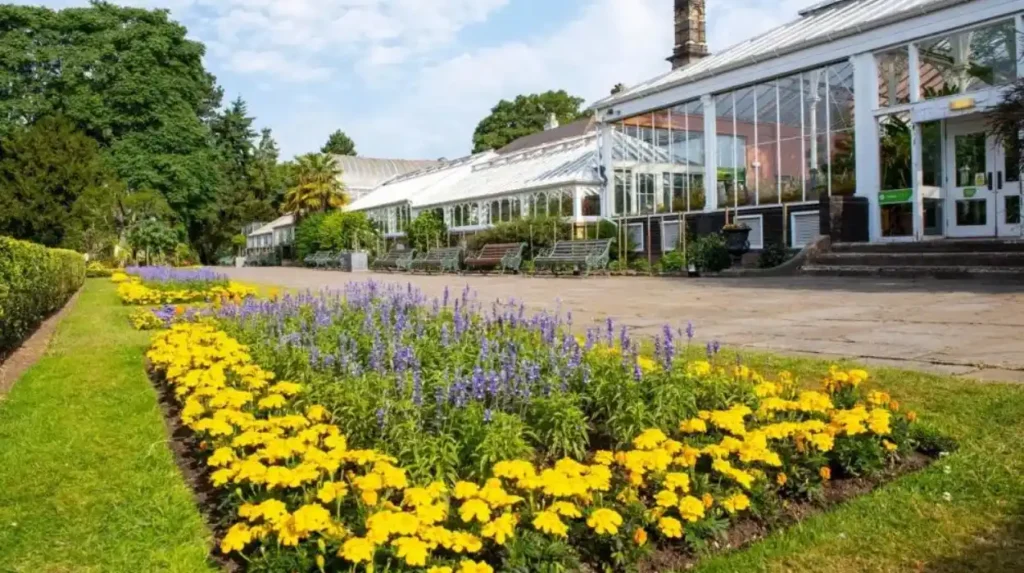
Opened in 1832, Birmingham Botanical Gardens occupies approximately 15 acres and contains thousands of plant species representing tropical, subtropical, Mediterranean, and temperate environments.
The gardens were designed by landscape architect John Claudius Loudon, whose influence extended across nineteenth-century Britain. Glasshouses preserve exotic collections that illustrate Victorian scientific curiosity and expanding global botanical exchange.
Summer highlights include outdoor concerts, educational exhibitions, guided walks, and flowering displays.
Cannon Hill Park
Opened in 1873, Cannon Hill Park covers approximately 250 acres. Philanthropist Louisa Ryland donated much of the land for public benefit.
Visitors enjoy boating lakes, woodland walks, sports facilities, miniature railway attractions, and riverside paths alongside heritage landscapes reflecting Victorian park design.
Sutton Park
Sutton Park extends across approximately 2,400 acres, making it one of Europe’s largest urban parks.
Its landscapes include heathland, ancient woodland, wetlands, marshes, grazing areas, and seven lakes. Archaeological evidence indicates human activity extending back thousands of years.
Summer visitors frequently explore walking trails, cycling routes, horse-riding paths, birdwatching locations, and archaeological features.
Why are Birmingham’s canals central to summer tourism?
Birmingham’s canals preserve industrial transport history while supporting walking, cycling, boating, wildlife observation, waterside dining, and heritage interpretation, making them one of the city’s most distinctive and historically significant summer attractions.
Many people associate canals with rural England, yet Birmingham possesses more canal mileage than Venice when measured across the wider municipal network.
Construction began during the eighteenth century to connect coalfields, factories, and regional markets. Engineers designed locks, aqueducts, tunnels, wharves, and warehouses that revolutionised freight movement before railway expansion.
Following industrial decline during the twentieth century, extensive restoration projects transformed neglected waterways into attractive public spaces.
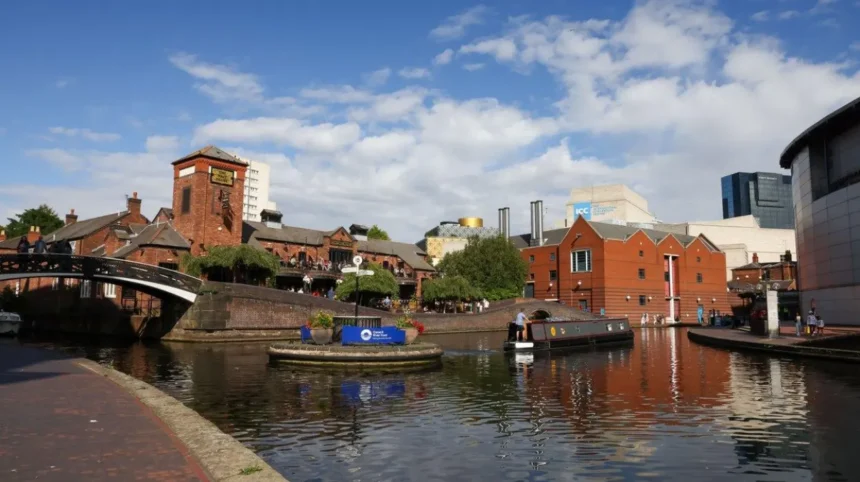
Gas Street Basin represents one of Birmingham’s best-preserved canal landscapes. Historic warehouses now contain restaurants, cafés, offices, and cultural venues.
The nearby Brindleyplace development integrates restored industrial buildings with public squares, sculptures, and waterside seating.
Summer activities include:
- Canal boat cruises
- Paddleboarding
- Kayaking
- Cycling
- Walking tours
- Photography
- Outdoor dining
Interpretive signage explains engineering techniques, industrial commerce, and urban development, enabling recreation alongside historical education.
What cultural festivals define Birmingham’s summer season?
Birmingham’s summer festivals celebrate music, literature, food, sport, multicultural heritage, and community traditions while reflecting centuries of immigration, industrial growth, educational development, and artistic innovation that shaped the modern city’s diverse cultural identity.
Birmingham has long attracted migrants from across Britain and the wider world. Industrial employment encouraged successive waves of settlement during the eighteenth, nineteenth, and twentieth centuries.
This diversity remains visible through summer festivals celebrating multiple traditions.
Food festivals showcase cuisines reflecting Birmingham’s multicultural population.
Outdoor music events range from classical performances to contemporary concerts held within parks, civic spaces, and entertainment venues.
Community festivals celebrate Caribbean, South Asian, Irish, African, and European heritage through dance, music, crafts, and educational exhibitions.
Literary events hosted by libraries and universities introduce visitors to Birmingham’s contribution to publishing, education, and intellectual history.
Many events incorporate historic locations, allowing participants to engage simultaneously with contemporary culture and historic architecture.
Which museums and heritage sites are especially rewarding during summer?
Birmingham’s museums preserve industrial innovation, artistic achievement, scientific discovery, archaeology, and social history through exhibitions, demonstrations, historic buildings, and educational programmes that become especially accessible during extended summer opening hours and seasonal events.
Birmingham’s museum network documents one of Britain’s most influential industrial and cultural histories.
Birmingham Museum and Art Gallery
Established in 1885, this institution houses internationally important collections covering archaeology, fine art, decorative arts, social history, and local heritage.
Visitors encounter evidence explaining Birmingham’s transformation across centuries.
Thinktank Birmingham Science Museum
Thinktank explores engineering, transport, medicine, manufacturing, and technological innovation.
Interactive galleries explain how Birmingham engineers contributed to Britain’s industrial leadership.
Summer family programmes frequently include scientific demonstrations and educational workshops.
Jewellery Quarter
The Jewellery Quarter represents one of Europe’s best-preserved manufacturing districts.
Approximately 40 percent of Britain’s jewellery continues to be produced within this historic neighbourhood.
Historic workshops, museums, independent retailers, and guided heritage trails explain centuries of specialist craftsmanship.
Sarehole Mill
This restored watermill illustrates rural Birmingham before industrial expansion.
The site also influenced author J. R. R. Tolkien during his childhood, linking local history with literary heritage.
How can visitors explore Birmingham’s architecture during summer?
Birmingham’s architecture illustrates medieval origins, Georgian expansion, Victorian prosperity, industrial innovation, twentieth-century reconstruction, and contemporary regeneration, allowing visitors to trace nearly one thousand years of urban development through accessible walking routes and public spaces.
Architectural diversity distinguishes Birmingham from many British cities.
Medieval remains survive despite extensive redevelopment.
Georgian buildings illustrate commercial expansion during the eighteenth century.
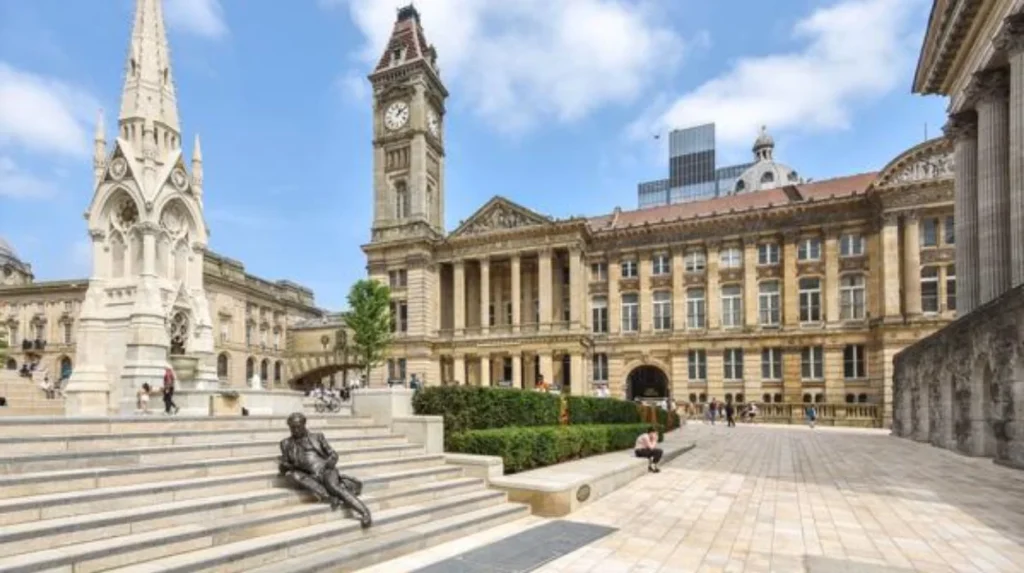
Victorian architecture dominates many civic districts through elaborate town halls, museums, educational institutions, churches, and commercial buildings constructed using local materials and industrial wealth.
The Town Hall, inspired by Roman temples, opened in 1834 and remains one of Britain’s finest examples of civic neoclassical architecture.
The Council House reflects Victorian confidence in municipal government and public administration.
Twentieth-century reconstruction introduced modernist developments, while recent regeneration created contemporary landmarks integrated alongside historic structures.
Summer weather encourages self-guided architectural walks that connect these contrasting periods.
How does Birmingham’s food culture enhance summer experiences?
Birmingham’s food culture reflects medieval trading traditions, industrial migration, agricultural markets, and global influences, creating a diverse culinary landscape where historic markets, canalside restaurants, independent cafés, and multicultural neighbourhoods enrich summer exploration.
Food has shaped Birmingham since its medieval market origins.
The city’s historic markets supported regional farmers, craftsmen, and merchants long before industrialisation.
Industrial growth attracted workers from across Britain and overseas. Their communities introduced new ingredients, cooking techniques, and culinary traditions.
Today Birmingham possesses one of Britain’s most internationally diverse restaurant scenes.
Independent cafés occupy restored industrial buildings throughout the Jewellery Quarter and canal districts.
Open-air dining becomes especially popular during summer, particularly around Brindleyplace, Gas Street Basin, and central public squares.
Traditional British cuisine exists alongside internationally recognised South Asian, Middle Eastern, Caribbean, Mediterranean, East Asian, and African restaurants.
Food festivals further demonstrate Birmingham’s cultural diversity through seasonal events celebrating regional and international cuisine.
What outdoor activities combine recreation with heritage exploration?
Birmingham enables visitors to combine physical activity with historical discovery through walking, cycling, boating, wildlife observation, heritage trails, archaeological landscapes, and guided tours that interpret centuries of urban development across parks, canals, and historic districts.
Walking remains one of the best methods for understanding Birmingham’s historical geography.
Canal towpaths reveal industrial engineering alongside wildlife habitats restored through environmental conservation.
Cycling routes connect parks, canals, heritage districts, and regenerated neighbourhoods.
Boat cruises explain canal engineering, warehouse construction, commercial trade, and urban expansion.
Birdwatching opportunities exist within Sutton Park, Edgbaston Reservoir, Sandwell Valley, and canal corridors.
Heritage walking tours interpret architecture, manufacturing history, religious development, migration, education, and civic government.
Public art installations incorporated into regeneration projects also illustrate Birmingham’s continuing cultural evolution.
Summer weather supports longer exploration, allowing visitors to experience multiple historic environments within a single itinerary.
Why does Birmingham remain historically important beyond summer tourism?
Birmingham remains historically important because its industrial innovation, civic reform, engineering achievements, educational institutions, cultural diversity, conservation programmes, and heritage restoration continue influencing Britain’s economy, urban planning, historical research, and international cultural reputation.
Birmingham occupies a unique position within British history.
During the Industrial Revolution, local inventors, engineers, and manufacturers transformed production methods that influenced global industry.
Educational institutions expanded scientific research and professional training throughout the nineteenth and twentieth centuries.
The city’s engineering expertise supported transportation, manufacturing, metallurgy, medicine, and scientific instrumentation.
Heritage conservation organisations now preserve factories, canals, parks, museums, archives, churches, and archaeological sites that document these achievements.
Research conducted by universities, museums, and heritage organisations continues improving understanding of Birmingham’s development through archaeology, archival investigation, and architectural conservation.
Tourism contributes significantly to maintaining these historic assets through admission revenue, educational programmes, charitable support, and public awareness.
Summer activities therefore represent more than seasonal entertainment. They encourage wider appreciation of Birmingham’s historical landscape while supporting long-term preservation efforts that ensure future generations continue learning from one of Britain’s most influential cities.
Birmingham offers one of England’s richest combinations of history, culture, green space, and outdoor recreation during the summer season. Its Victorian parks, restored canals, historic neighbourhoods, museums, botanical collections, architectural landmarks, and multicultural festivals illustrate nearly a millennium of continuous urban development. Every walk along a canal, visit to a museum, or afternoon spent in a historic park reveals connections between the city’s industrial past and its modern identity. Visitors who understand this historical context gain a deeper appreciation of Birmingham as both a leading heritage destination and a thriving contemporary city, making every summer activity part of a broader journey through England’s social, industrial, and cultural history.
Why are Birmingham’s canals famous?
Birmingham has more than 35 miles of navigable canals, originally built during the Industrial Revolution to transport coal, iron, and manufactured goods. Today, they are popular for boating, walking, cycling, waterside dining, and exploring the city’s industrial heritage.