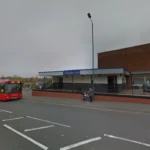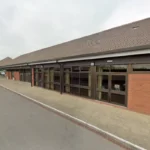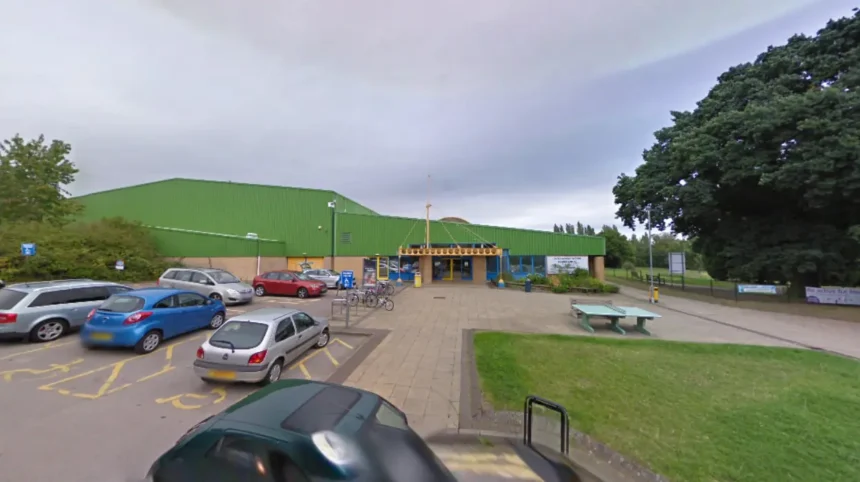
Birmingham operates a comprehensive municipal network of over one hundred community hubs, leisure facilities, and public spaces designed to deliver accessible civic services across its thirty-five wards.
- How do leisure and wellness facilities operate within Birmingham community infrastructure?
- What role do municipal libraries play as multi-functional community hubs in Birmingham?
- How are neighborhood community associations managing grassroots public facilities in Birmingham?
- What impact do shared public facilities have on social cohesion and urban regeneration in Birmingham?
- How can I book a room or hall at a Birmingham community centre?
- Are Birmingham leisure centres and community pools open to non-members?
- What support services are available at Birmingham neighborhood libraries?
- Do Birmingham community facilities offer accessible parking and disabled access?
- How are community centres funded and maintained across Birmingham?
Local municipal governance relies heavily on decentralized public infrastructure to support diverse urban populations across the West Midlands metropolitan county.
Public facilities function as physical anchors for neighborhood engagement, lifelong learning, health promotion, and social welfare programs. Strategic urban planning frameworks integrate municipal parks, public libraries, leisure centres, and dedicated community halls into a cohesive service delivery model.
Facility management involves collaboration between Birmingham City Council, charitable trusts, and voluntary sector organizations to maintain operational continuity.
Funding streams combine local authority budgets, National Lottery grants, and tenant rental revenues to subsidize public access. Resource allocation models prioritize areas of high social deprivation to ensure equitable access to essential recreational and educational amenities.
Civic infrastructure standards dictate that modern public facilities must comply with strict accessibility guidelines, energy efficiency benchmarks, and safeguarding policies.
Architectural designs incorporate multi-purpose halls, digital learning suites, commercial kitchens, and flexible meeting rooms to accommodate varied community demands. Facility operators coordinate closely with West Midlands Police and local health authorities to host preventative health clinics and youth intervention workshops.
Operational frameworks mandate transparent booking systems, subsidized rates for registered charities, and inclusive programming for disabled residents. Performance metrics evaluate footfall density, user satisfaction surveys, and program completion rates to justify ongoing public sector investment.
Neighborhood steering committees provide direct feedback channels between local constituents and municipal facility managers to guide future capital improvements.
Urban regeneration initiatives consistently prioritize the modernization of aging municipal assets to meet contemporary environmental targets and demographic shifts. Shared public spaces reduce social isolation by offering structured group activities for senior citizens, parent-toddler groups, and vocational training sessions.
Comprehensive asset mapping ensures that civic resources remain resilient against municipal budget fluctuations and changing community requirements.
How do leisure and wellness facilities operate within Birmingham community infrastructure?
Birmingham Community Leisure Trust manages a portfolio of major public leisure centres that integrate swimming pools, fitness suites, and health program spaces into neighborhood networks.
Physical recreation infrastructure across the city includes prominent municipal sites such as Cocks Moors Woods Leisure Centre, Erdington Leisure Centre, and Wyndley Leisure Centre.
These regional hubs provide subsidized access to Olympic-standard swimming pools, cardiovascular workout studios, group fitness classes, and specialized rehabilitation facilities. Facility administration follows a contracted operational model where specialized leisure management organizations oversee daily maintenance, instructor deployment, and health compliance.
Public health integration remains a primary objective of these wellness hubs, with targeted initiatives addressing regional rates of childhood obesity and cardiovascular disease. General practitioners routinely issue social prescribing referrals, directing patients to structured aquatic exercise programs and supervised gym sessions at local council facilities.
Concessionary pricing structures guarantee that low-income households, students, and pension recipients retain affordable access to physical activity resources.
Capital investments supported by Sport England and local authority grants ensure that equipment inventories undergo regular technological upgrades and safety inspections.
Indoor sports halls accommodate team leagues for basketball, badminton, and five-a-side football, fostering grassroots athletic participation across all age brackets. Creche facilities and holiday activity camps operate within selected centres to support working parents and encourage lifelong health habits from early childhood.
Accessibility audits are conducted annually to evaluate tactile paving, hoist mechanisms for swimming pools, and hearing loop installations for hearing-impaired visitors. Staff training programs focus on first aid administration, mental health awareness, and inclusive customer service delivery to accommodate vulnerable community segments.
Environmental sustainability measures include the installation of solar thermal arrays, LED lighting systems, and high-efficiency water filtration units to minimize carbon footprints.
Financial sustainability relies on a balanced revenue model combining membership dues, pay-as-you-go session fees, and commercial room rentals for private children’s birthday parties.
Emergency contingency planning ensures that large-scale facilities can transition into temporary rest centers or distribution hubs during local civil emergencies or severe weather events. Strategic expansion projects continue to target under-served residential corridors to eliminate geographical disparities in public health infrastructure.
What role do municipal libraries play as multi-functional community hubs in Birmingham?
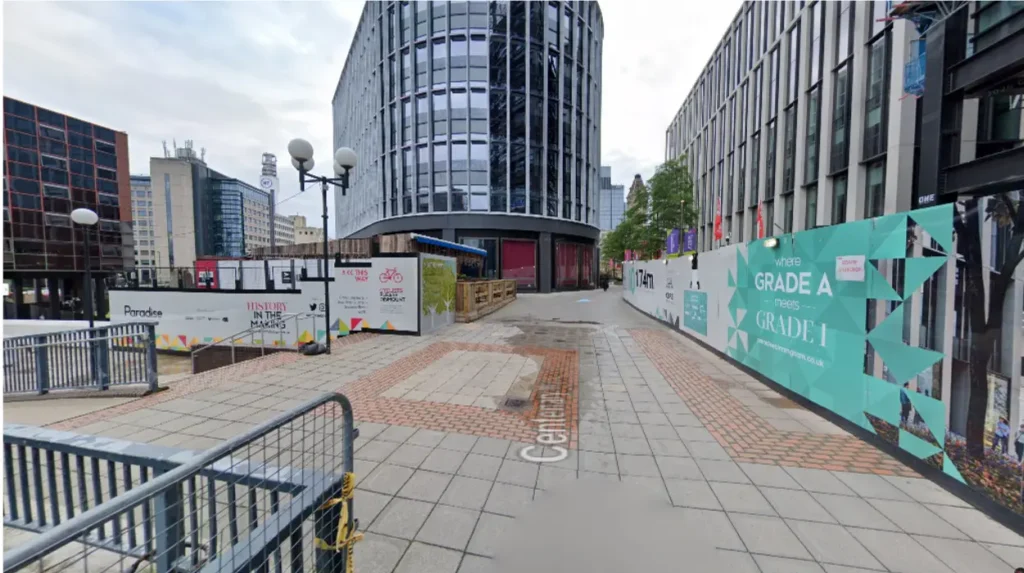
Birmingham Central Library and the wider neighborhood library network function as essential civic anchors providing free internet access, literacy programs, and shared public workspaces.
The municipal library system extends far beyond traditional book lending, evolving into dynamic community spaces that host adult education classes, job clubs, and cultural exhibitions.
Neighborhood branches act as designated Warm Welcome spaces, offering heated indoor refuges during winter months for vulnerable residents impacted by fuel poverty. Digital inclusion initiatives supply free computer terminals, high-speed Wi-Fi, and digital literacy volunteers to assist citizens with online government service applications.
Information professionals within the library network assist patrons with complex administrative tasks, including housing benefit queries, CV drafting, and local history research.
Strategic partnerships with adult education providers allow facilities to host accredited English for Speakers of Other Languages courses and vocational skills workshops. Children’s literacy campaigns, such as the annual Summer Reading Challenge, utilize library spaces to promote early educational achievement and family engagement.
Civic archives and heritage collections housed within the library infrastructure preserve historical records pertaining to the industrial development and multicultural evolution of the West Midlands.
Facility architecture emphasizes open-plan reading rooms, quiet study carrels, and soundproof meeting pods suitable for remote workers and local study groups. Security protocols and inclusive behavior policies maintain safe, welcoming environments for all demographic groups utilizing the public square.
Funding models incorporate statutory local authority allocations alongside charitable donations and income generated from commercial cafe concessions and auditorium rentals.
Extended access technologies implemented across select branches permit registered users to utilize self-service library facilities outside of standard staffed operating hours. Collaborative arts programming brings theatrical performances, poetry readings, and author talks directly into suburban neighborhoods, democratizing access to cultural enrichment.
Mobile library vehicles complement static branch operations by servicing remote housing estates, residential care homes, and isolated rural fringes of the municipal boundary. Statistical monitoring tracks footfall, book circulation figures, and digital resource usage to optimize operational hours and staffing deployment across the entire municipal network.
Ongoing digitization projects ensure that rare manuscripts and local photographs remain accessible to global researchers via secure online portals.
How are neighborhood community associations managing grassroots public facilities in Birmingham?
Independent charitable trusts and neighborhood community associations manage grassroots facilities such as West Heath Community Centre and Three Trees Community Centre to deliver localized civic programming.
Grassroots community spaces operate as registered charities or community interest companies, maintaining operational independence from centralized local government control while serving public interests.
Facility management boards consist of elected local volunteers who oversee strategic direction, financial auditing, asset maintenance, and staff employment policies. Funding acquisition requires proactive grant applications submitted to independent philanthropic foundations, lottery distributors, and corporate social responsibility funds.
Local facility programming directly reflects immediate neighborhood requirements, ranging from parent-toddler support groups and senior luncheon clubs to youth mentorship initiatives and cultural celebrations.
Commercial hire of multi-purpose halls, dance studios, and meeting rooms generates vital unrestricted revenue used to subsidize community-focused activities. On-site community cafes provide informal gathering spaces while offering valuable work placement opportunities for individuals seeking reintegration into the local labor market.
Volunteer recruitment and retention represent foundational pillars for grassroots facility survival, requiring structured training programs, safeguarding checks, and reward mechanisms.
Maintenance of aging physical infrastructure demands rigorous property management protocols, including routine safety inspections, pest control contracts, and roof repairs. Community consultation exercises ensure that facility managers remain responsive to shifting demographic trends, such as rising migrant populations or aging residential cohorts.
Partnership networks connect independent community centres with statutory bodies like the National Health Service and West Midlands Fire Service to deliver community safety workshops.
Environmental sustainability initiatives at grassroots sites feature community gardens, composting schemes, and energy-saving retrofits funded by green municipal grants. Conflict resolution policies and clear codes of conduct maintain peaceful coexistence among diverse user groups sharing constrained physical footprints.
Long-term viability plans emphasize asset transfer agreements, allowing community trusts to secure long-term leases on council-owned buildings for nominal rents in exchange for guaranteed public service delivery.
Transparent governance frameworks mandate annual general meetings where local stakeholders review financial statements, vote on trustee board vacancies, and debate operational priorities. Collaborative marketing campaigns utilize social media platforms and local print media to drive awareness of upcoming classes, seasonal fairs, and facility hire options.
What impact do shared public facilities have on social cohesion and urban regeneration in Birmingham?
Shared public facilities act as vital catalysts for social integration, economic resilience, and neighborhood renewal across Birmingham’s diverse urban landscape.
Academic research demonstrates that accessible public infrastructure directly correlates with reduced rates of social isolation, enhanced civic pride, and improved mental well-being among urban residents.
Regeneration projects in areas like Edgbaston and Castle Vale incorporate modern community buildings as central architectural features to attract inward investment and stabilize transient populations. Intergenerational programming hosted within shared facilities encourages meaningful dialogue and mutual understanding between elderly residents and local youth cohorts.
Economic impact studies reveal that community centres support local micro-enterprises by offering affordable incubation spaces for startup businesses, craft markets, and freelance professionals.
Public health outcomes improve measurably in neighborhoods with high concentrations of accessible leisure facilities and community-led wellness programs. Crime prevention statistics indicate that properly funded youth facilities and supervised evening activities significantly reduce anti-social behavior and juvenile delinquency rates.
Cultural integration is actively fostered through shared public spaces that celebrate religious festivals, ethnic heritage months, and multicultural culinary workshops without discrimination.
Inclusive facility design principles ensure that disabled citizens participate fully in civic life, dismantling physical and psychological barriers to social mobility. Environmental resilience is strengthened as community spaces double as coordination hubs during climate emergencies, providing shelter, charging stations, and logistical support.
Municipal policy frameworks increasingly recognize that investment in social infrastructure yields long-term savings for public healthcare and social welfare budgets through preventative intervention.
Cross-sector collaboration between local authorities, private developers, and third-sector organizations ensures that new housing developments include mandatory community space allocations. Longitudinal data collection tracks the socioeconomic return on investment for municipal capital projects, guiding future urban planning strategies across the West Midlands.
Public consultation mandates ensure that local communities retain decision-making authority over the design, function, and naming of newly constructed civic facilities in their neighborhoods.
The ongoing evolution of Birmingham’s public asset network demonstrates a resilient commitment to inclusive urbanism, balancing economic growth with social equity. Comprehensive performance evaluations ensure that shared spaces continue to adapt to technological advancements, demographic shifts, and the evolving needs of urban citizens.
How can I book a room or hall at a Birmingham community centre?
Most community centres in Birmingham offer online booking portals, direct telephone enquiries, or downloadable reservation request forms on their official websites. Users can select preferred dates, review hourly hire rates, and specify catering or audio-visual requirements before confirming bookings. Registered charities and local resident groups often qualify for discounted concessionary rates upon providing proof of status.
Are Birmingham leisure centres and community pools open to non-members?
Public leisure centres managed under municipal trusts operate on a flexible pay-as-you-go model alongside monthly subscription packages for local residents. Non-members can book swimming sessions, fitness classes, or court hire online or directly at reception desks using contactless payment methods. Concessionary discounts apply for junior participants, senior citizens, and registered disabled visitors.
What support services are available at Birmingham neighborhood libraries?
Neighborhood libraries provide free public computer terminals, high-speed Wi-Fi access, job search assistance clubs, and adult literacy support sessions. Staff members assist citizens with digital government service applications, council tax queries, and local housing benefit forms. Selected branches also host health check clinics, parent-toddler reading hours, and language exchange circles.
Do Birmingham community facilities offer accessible parking and disabled access?
Municipal community centres, leisure hubs, and libraries comply with statutory accessibility guidelines, featuring step-free entry routes, automatic sliding doors, and designated blue badge parking bays. Interior spaces incorporate accessible toilet facilities, induction hearing loops for the hard of hearing, and lift access across multi-story buildings. Specific accessibility provisions can be verified prior to visiting via municipal directory listings.
How are community centres funded and maintained across Birmingham?
Community facilities rely on a mixed funding model combining local authority subsidies, charitable grants from independent trusts, room rental revenues, and public donations. Maintenance schedules are managed by dedicated facilities teams or voluntary board trustees who oversee health and safety compliance, equipment upgrades, and structural repairs. Regular community audits help prioritize capital improvement projects based on local user feedback.