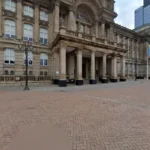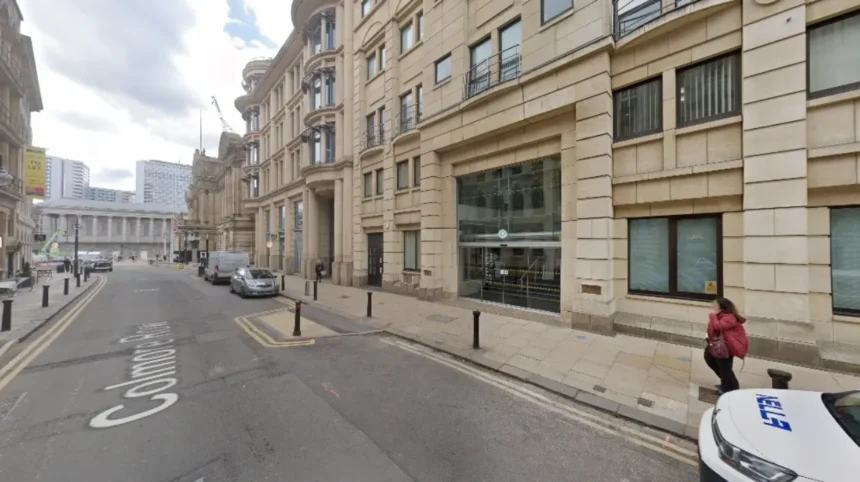
Birmingham urban regeneration transforms neglected industrial districts into thriving residential and commercial hubs across the West Midlands, attracting capital investment, modern transport links, and sustainable housing projects.
- Why Is Digbeth Undergoing Major Urban Regeneration?
- How Is the Jewellery Quarter Combining Heritage with Modern Development?
- What Legacy Did the Commonwealth Games Leave for Perry Barr?
- How Is Smithfield Transforming Central Birmingham’s Southside?
- Which Other Birmingham Neighborhoods Are Experiencing Major Renewal?
- Which area in Birmingham is best for property investment?
- How is High Speed 2 impacting Birmingham real estate values?
- What is the Birmingham Big City Plan?
- Are older industrial properties protected during Birmingham regeneration?
- How does urban regeneration improve transport connectivity in Birmingham?
Birmingham urban regeneration represents a strategic shift toward modernizing infrastructure, enhancing housing availability, and driving economic growth across the West Midlands region. The city council created masterplans to repurpose historical industrial areas into mixed-use real estate assets. Local government initiatives align with private investment capital to redevelop outdated transport terminals, post-war residential estates, and vacant manufacturing sites into connected commercial zones.
The Big City Plan establishes a framework for urban growth in Birmingham through 2030, targeting 800 hectares of land. Key economic drivers include major transport infrastructure projects such as High Speed 2 at Curzon Street Station, expanded West Midlands Metro lines, and highway upgrades along the A34 corridor. Public sector funding combined with private equity secures long-term economic sustainability for local housing markets, retail centres, and digital technology hubs.
Historical manufacturing sectors left substantial brownfield acreage requiring environmental remediation and structural conversion. Post-war industrial decline reduced employment density in core districts before multi-million pound regeneration plans re-established commercial activity. Today, structured zoning guidelines ensure heritage conservation alongside new high-density residential towers, public parks, and sustainable workplace facilities across the metropolitan area.
Urban regeneration directly improves regional productivity by attracting global corporations, tech startups, and educational institutions. Enhanced connectivity lowers commute times while increasing regional workforce mobility between central Birmingham and suburban zones. Structured infrastructure investments strengthen local property values, expand municipal revenue models, and generate sustainable employment opportunities for residents across all demographic segments.
Why Is Digbeth Undergoing Major Urban Regeneration?
Digbeth undergoes rapid urban regeneration to establish a creative digital hub anchored by High Speed 2 rail links, historical industrial conversion, and corporate headquarters investments.
Digbeth functions as the primary creative district of Birmingham, undergoing comprehensive physical and economic restoration. The area contains historical Victorian industrial architecture, brick railway viaducts, and canalside heritage buildings now repurposed for modern enterprise. Birmingham City Council designated Digbeth as a high-priority transformation zone within the broader Eastside masterplan strategy.
The strategic proximity of Digbeth to the new High Speed 2 station at Curzon Street drives commercial real estate demand. Travel times between central Birmingham and London will reduce to 49 minutes upon operational launch, drawing national businesses to the location. Capital investments exceeding one billion pounds support residential development, commercial office spaces, and public pedestrian walkways along the River Rea corridor.
The arrival of major media institutions, including the BBC broadcasting centre at The Tea Factory, highlights the shifting economic profile of Digbeth. Creative technology firms, independent retail businesses, and digital production studios occupy converted factory spaces across the neighbourhood. These commercial investments drive retail footfall and encourage high-density apartment construction targeting young working professionals.
Infrastructure upgrades in Digbeth extend to public transit networks via the West Midlands Metro Eastside extension. New tram stops connect Digbeth directly to Bullring shopping centre, Grand Central, and Edgbaston. Public realm improvements incorporate energy-efficient street lighting, wider footpaths, and dedicated cycling paths to establish an accessible, low-emission urban environment for residents and workers.
Long-term projections indicate sustained capital growth for residential property in Digbeth as major development phases complete. High rental yields and population density growth reflect strong demand for inner-city housing options. Municipal planning framework protects listed industrial structures while permitting modern high-rise accommodation, balancing historic preservation with contemporary urban density needs.
How Is the Jewellery Quarter Combining Heritage with Modern Development?
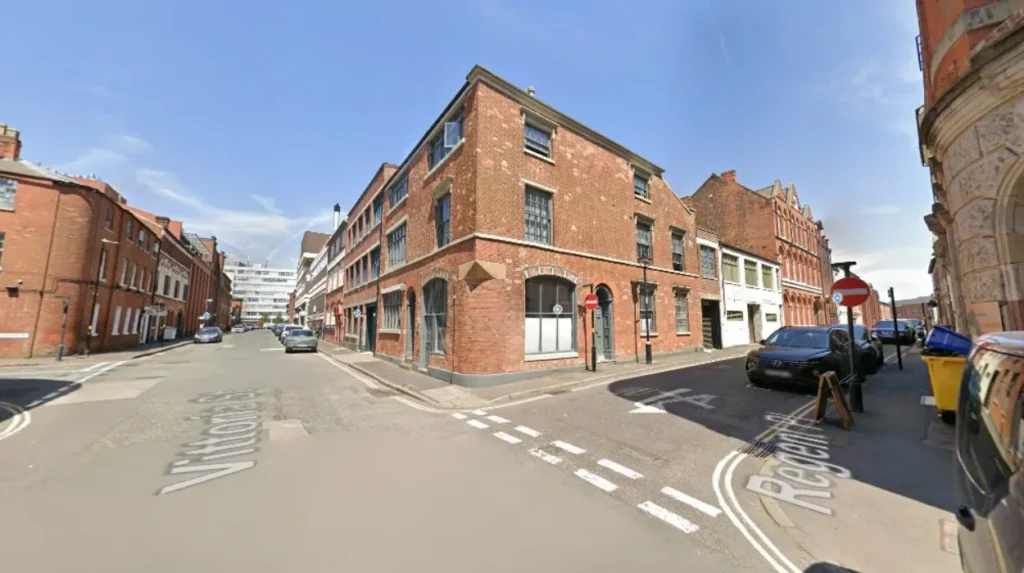
The Jewellery Quarter integrates urban renewal by converting listed industrial structures into residential apartments while protecting historical metalworking trades and manufacturing facilities.
The Jewellery Quarter contains Europe’s largest concentration of businesses involved in the jewellery trade, accounting for 40 percent of UK jewellery production. Established in the eighteenth century, the district features over 200 listed structures protected under municipal conservation policies. Urban regeneration in this district balances industrial heritage preservation with high-density residential developments.
Major real estate developers invest substantial capital into brownfield sites across the Jewellery Quarter. Project developments like the 300 million pound Great Charles Street scheme introduce hundreds of build-to-rent apartments, commercial units, and pedestrianized public squares. These projects replace derelict surface car parks and vacant industrial warehouses with modern mixed-use building infrastructure.
Planning regulations enforce strict architectural conservation guidelines to protect the unique urban fabric of the Jewellery Quarter. Developers retain historic brick facades, iron window frames, and traditional rooflines while upgrading internal structures to satisfy modern energy efficiency standards. Commercial zoning mandates protect workshop spaces for artisan jewelers, ensuring traditional trades remain viable alongside new retail and hospitality venues.
Transport links surround the Jewellery Quarter, providing direct connectivity to central Birmingham via the Jewellery Quarter station. Commuters access National Rail services and West Midlands Metro trams for short travel routes into Grand Central and Snow Hill station. Local pedestrian infrastructure improvements reduce vehicular congestion, creating walkable corridors between residential properties, historic museums, and commercial dining venues.
The district attracts a diverse population of young professionals, skilled artisans, and commercial enterprises seeking central urban housing. Residential property demand supports robust rental values and capital growth across restored industrial conversions and newly constructed apartment blocks. The ongoing integration of commercial workspace and residential housing secures the long-term economic stability of the district.
What Legacy Did the Commonwealth Games Leave for Perry Barr?
The 2022 Commonwealth Games accelerated Perry Barr regeneration through a 700 million pound investment delivering new housing, upgraded rail infrastructure, and modernized sports facilities.
Perry Barr underwent structural urban redevelopment driven by its role as the central location for the Birmingham 2022 Commonwealth Games. Municipal authorities utilized international event funding to deliver permanent physical infrastructure, transport upgrades, and sustainable residential housing. The Perry Barr Masterplan outlines long-term development targets through 2040 to ensure lasting economic growth for local communities.
A central component of the Perry Barr regeneration scheme is the delivery of over 1,400 modern homes on the site of the former University of Central England campus. The Perry Barr Residential Scheme provides sustainable housing choices, including affordable homes, private sale apartments, and family residences. The buildings utilize modern construction methods to minimize carbon emissions and lower energy consumption for residents.
Transport infrastructure in Perry Barr received extensive capital upgrades to support regional connectivity. The Perry Barr railway station underwent a 30 million pound total reconstruction, providing accessible platform facilities, bright concourses, and direct rail connections to central Birmingham. Additional transport enhancements included a modernized bus interchange, A34 highway corridor improvements, and expanded cycling lanes.
The historic Alexander Stadium in Perry Barr received a 72 million pound redevelopment to establish a world-class athletics venue. The stadium served as the primary athletics venue for the Commonwealth Games and now functions as a permanent elite sports facility and educational venue for Birmingham City University. Surrounding parkland at Perry Park received public realm upgrades to support community recreation.
The comprehensive investment strategy in Perry Barr addresses historical socio-economic challenges, including housing quality and public transport availability. By converting event infrastructure into permanent community assets, the local authority established a model for sporting event legacies. The neighborhood now offers modern commercial facilities, reliable transport options, and high-quality housing for regional residents.
How Is Smithfield Transforming Central Birmingham’s Southside?
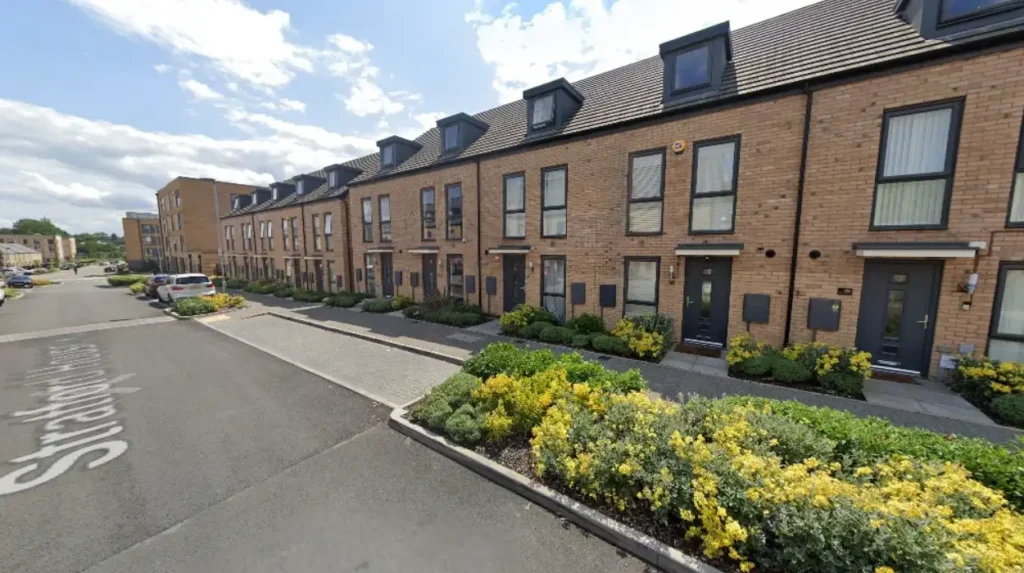
Smithfield transforms central Birmingham through a 1.9 billion pound redevelopment converting former wholesale market sites into vibrant public squares, housing, and commercial spaces.
The Smithfield regeneration initiative covers 42 acres of prime real estate in the Southside area of central Birmingham. Historically operating as the city’s primary wholesale market location since 1935, the site lay underutilized after market operations relocated to modern distribution hubs. The masterplan reclaims this central land to establish a mixed-use cultural, commercial, and residential district.
A joint venture between Birmingham City Council and international developer Lendlease drives the multi-phase Smithfield masterplan. The development framework includes the construction of over 3,000 modern homes, energy-efficient office facilities, and dedicated retail space. Public domain infrastructure incorporates a large central square designated for cultural events, outdoor markets, and community gatherings.
Economic planning for Smithfield prioritizes the creation of over 8,000 direct long-term jobs within retail, hospitality, and corporate enterprise sectors. Modern commercial buildings integrate sustainable heating systems, green roof spaces, and solar photovoltaic installations to support municipal zero-carbon energy targets. The layout emphasizes pedestrian mobility, connecting Southside directly to the Bullring shopping precinct.
Cultural facilities form a core component of the Smithfield redevelopment model. The masterplan includes modern leisure spaces, food halls, market spaces, and public art installations celebrating Birmingham’s heritage. New linear parks and green corridors introduce biodiversity to the inner-city landscape, improving local air quality and providing outdoor recreational areas for city residents.
The location of Smithfield enhances urban pedestrian connectivity across central Birmingham neighborhoods. Well-lit walking corridors link the site to New Street station, Moor Street station, and the nearby Chinese Quarter. Modern housing construction combined with commercial enterprise positioning secures Smithfield as a fundamental driver of future economic productivity in the West Midlands region.
Which Other Birmingham Neighborhoods Are Experiencing Major Renewal?
Selly Oak, Erdington, and Druids Heath experience major renewal through hospital expansions, high street regeneration grants, and large-scale residential estate remodeling projects.
Selly Oak undergoes significant urban renewal driven by expansion around the University of Birmingham and the Queen Elizabeth Hospital complex. The Selly Oak Shopping Park redevelopment converted former industrial battery factory land into a modern retail and student housing destination. Transport infrastructure improvements along the A38 corridor and canalside walking paths streamline commuter travel into the city center.
Erdington benefits from targeted high street regeneration plans funded by public sector investment grants. Local authority plans focus on restoring historical town center retail structures, reducing vacant commercial storefronts, and improving public safety infrastructure. Upgraded housing developments and improved public transit connections along the Cross-City rail line attract new residents to this northern suburb.
Druids Heath is undergoing a long-term municipal estate regeneration project aimed at replacing post-war tower blocks with high-quality social and private housing. The project includes building retrofits, new public parks, and modernized community facilities to enhance local living standards. Environmental design standards ensure new residential units deliver high energy efficiency ratings for residents.
Aston and Nechells receive ongoing industrial investment focused on advanced manufacturing and clean technology industries. The Advanced Manufacturing Hub in Aston attracts global engineering enterprises, generating specialized employment opportunities within central Birmingham. Infrastructure upgrades across these industrial corridors improve freight transit links to the M6 motorway network.
St Stirchley in South Birmingham experiences organic and structured regeneration through independent commercial enterprise and new residential developments. Converted industrial sites provide space for local businesses, community centers, and residential housing. Enhanced rail links via local stations provide efficient commuter access, solidifying Stirchley as a prominent residential destination for young professionals.
Which area in Birmingham is best for property investment?
Digbeth and the Jewellery Quarter rank high for property investment due to High Speed 2 rail links and extensive urban renewal projects. Investors target these central districts for strong capital growth, high tenant demand, and high rental yields driven by working professionals.
How is High Speed 2 impacting Birmingham real estate values?
High Speed 2 increases real estate values around central transport terminals, particularly near Curzon Street Station in Eastside and Digbeth. Commute times to London reduce significantly, attracting national corporate relocations and increasing demand for high-density inner-city residential accommodation.
What is the Birmingham Big City Plan?
The Big City Plan is a 20-year urban development framework designed to transform central Birmingham. The masterplan targets 800 hectares of land to expand the city core, deliver 50,000 new jobs, improve public transport, and build thousands of sustainable energy-efficient homes.
Are older industrial properties protected during Birmingham regeneration?
Municipal planning authorities protect listed historical industrial properties through strict conservation zoning laws. Regeneration projects retain Victorian facades and historic metalwork while updating internal building infrastructure to meet modern residential, commercial, and environmental building standards.
How does urban regeneration improve transport connectivity in Birmingham?
Urban regeneration funds major public transit improvements including West Midlands Metro tram line extensions, railway station rebuilds, and dedicated cycle paths. Upgraded highway corridors and new bus interchanges reduce vehicular traffic congestion and streamline commuter travel across the metropolitan area.