Birmingham parking rules use controlled parking zones, statutory traffic regulation orders, and camera enforcement to maintain road safety and manage traffic flow across the West Midlands, backed by national legislation like the Traffic Management Act 2004.
- How Do Resident, Visitor, and Business Permits Function in Birmingham?
- What Rules Apply to Pay and Display Street Parking Across Zones?
- How Does Birmingham City Council Enforce Parking Penalties and Fines?
- What Is the Legal Process for Challenging a Penalty Charge Notice?
- How long can I park on a single yellow line in Birmingham?
- Do I have to pay for street parking in Birmingham on bank holidays?
- What happens if I park in a Birmingham resident bay without a permit?
- How do I activate a visitor parking permit for my guest in Birmingham?
- Can I appeal a Birmingham parking ticket if the ticket machine was broken?
Birmingham City Council governs all public highway parking across the city using designated Controlled Parking Zones. Traffic Regulation Orders established under the Road Traffic Regulation Act 1984 form the legal foundation for all kerbside parking restrictions, loading bays, and permit zones.
The municipal boundary contains over twenty distinct Controlled Parking Zones designed to balance commuter demands, resident access, and commercial deliveries. Traffic enforcement officers patrol these zones to check digital permits and monitor pay-and-display bays using automated handheld terminals.
Street parking infrastructure relies on strict statutory signage and road markings that indicate active restriction hours. Single yellow lines restrict waiting during specific daytime hours, whereas double yellow lines enforce waiting prohibitions twenty-four hours a day without exception.
Kerb blips indicate active loading prohibitions, where single blips limit loading to specific operational hours and double blips prohibit loading entirely. Municipal parking policies integrate directly with regional environmental strategies, including the Clean Air Zone operating inside the A4540 Middleway ring road.
The central inner core uses variable tariff pricing to discourage long-stay commuter vehicle storage and encourage public transport use. Drivers operating non-compliant combustion engine vehicles must pay environmental charges in addition to standard parking fees when accessing central bays.
Council wardens work alongside mobile camera enforcement vehicles to monitor restricted bus lanes, pedestrian areas, and high-density traffic arterial roads. Legal parking requires complete adherence to physical road markings, digital app payments, and active permit terms.
How Do Resident, Visitor, and Business Permits Function in Birmingham?
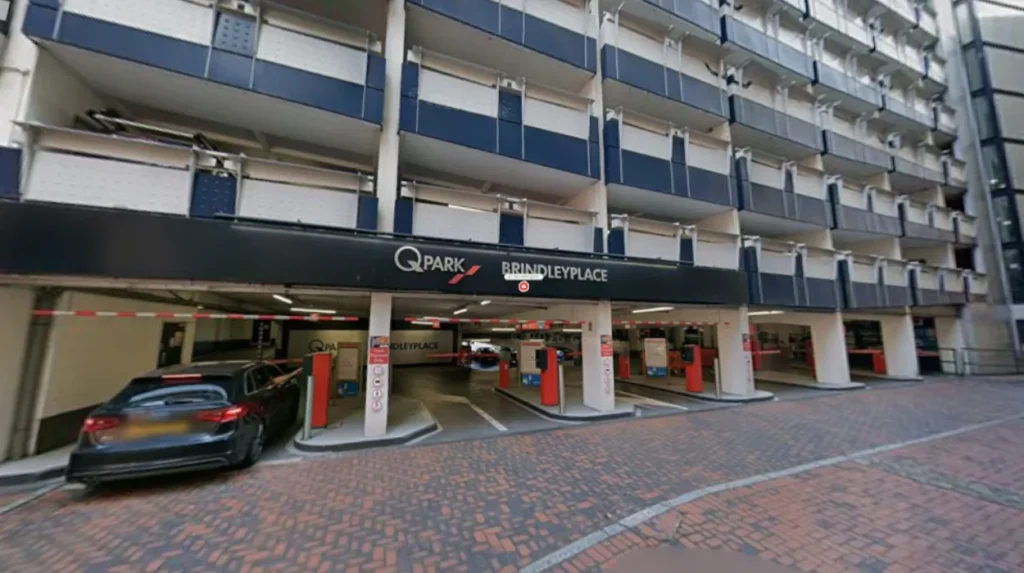
Birmingham permit schemes reserve designated street bays for eligible residents, visitors, and businesses, requiring account validation through the municipal online portal before vehicles can park legally without incurring financial penalties.
Resident parking permits grant motorists permission to park in designated permit bays located within specific geographical zones. Eligibility requires proof of residency, such as a council tax bill or utility document, alongside a vehicle registration document matching the applicant address.
Suburban residential permit schemes in areas like Moseley, Harborne, and Selly Oak charge £22.70 per year for the first household vehicle. City centre resident permits carry higher annual rates, reaching £318 per year in Digbeth and £329 in the Jewellery Quarter due to intense space demands.
Visitor permits allow guests of residents to park within restricted neighborhood bays during operational hours. Birmingham utilizes a digital visitor permit system where residents purchase virtual daily passes through their council account. Electronic visitor permits cost £1 per twenty-four-hour session and are issued in digital allocations to prevent unauthorized commercial usage.
Traders, healthcare workers, and maintenance contractors must obtain temporary business dispensations or specific contractor permits before stopping in resident bays during active hours.
Blue Badge holders receive automatic exemptions across most standard permit zones, allowing free parking in pay-and-display bays without time limitations. Disabled drivers may park on double yellow lines for up to three hours when displaying a valid badge and clock, provided no loading bans exist.
All standard permits are completely virtual and tied directly to vehicle license plates inside the central enforcement database. Physical paper permits have been replaced by digital records accessible instantly to patrolling civil enforcement officers.
What Rules Apply to Pay and Display Street Parking Across Zones?
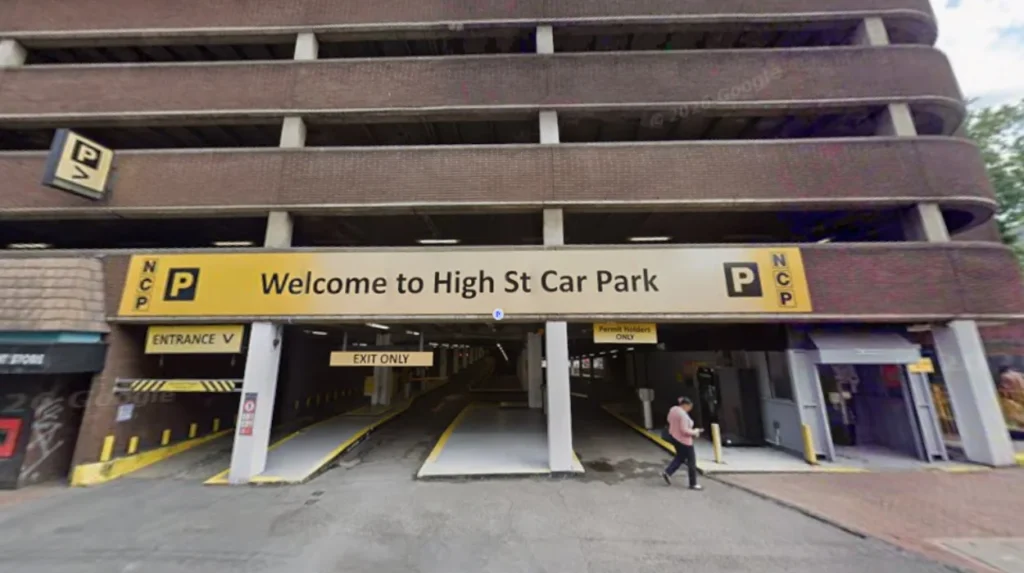
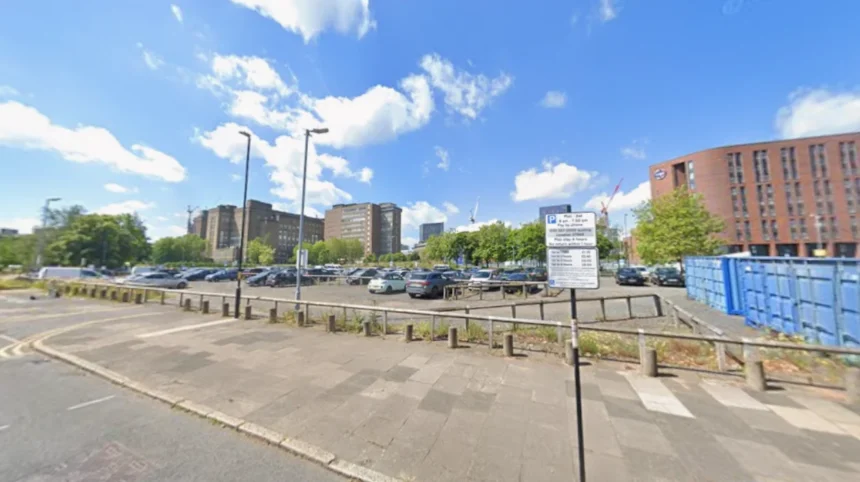
Pay-and-display street parking across Birmingham requires motorists to purchase parking time via mobile applications or physical terminals during controlled operational hours, which usually span from 8 AM to 7:30 PM.
Controlled Parking Zones impose strict operational time windows for all on-street pay-and-display parking bays. Central city zones regulate parking Monday through Sunday, with standard daytime operational hours extending from 8:00 AM to 7:30 PM.
Outer suburban centers operate shortened restriction windows, typically running from 8:00 AM to 6:00 PM, Monday through Saturday. Drivers must purchase ticket coverage immediately upon entering a bay through cashless mobile payment providers like RingGo or at nearby street machines.
Tariff structures depend on proximity to the commercial core, with inner-city bays charging higher hourly rates than suburban streets. Concessionary flat evening rates apply in select central locations after 6:00 PM, alongside discounted Sunday rates.
Drivers must observe maximum stay limits posted on local signage, which range from one hour in high-turnover shopping streets to four hours in outer zones. Re-entry prohibitions prevent vehicles from returning to the same bay group within specified timeframes, preventing continuous commuter parking.
Bank holiday parking rules require careful attention because standard charges apply on regular public holidays. Payment for on-street parking remains mandatory if a recognized bank holiday falls on a weekend day or substitute weekday.
Free parking periods only apply on Christmas Day, Good Friday, and specific statutory holidays explicitly listed on street payment machines. Motorcyclists may park free of charge in dedicated motorcycle bays without purchasing pay-and-display sessions, provided they park within marked bay boundaries.
How Does Birmingham City Council Enforce Parking Penalties and Fines?
Birmingham City Council enforces parking restrictions using Civil Enforcement Officers and fixed camera networks that issue statutory Penalty Charge Notices for non-compliance, with fines ranging between £50 and £130 depending on severity.
Enforcement officers inspect vehicles across public highways to confirm active permit registrations, valid app payments, and physical badge displays. Contraventions fall into two legal severity categories under national Civil Parking Enforcement guidelines.
Lower-level contraventions, such as overstaying a paid ticket window or parking outside marked lines, incur a £50 penalty charge. Higher-level contraventions, such as parking on double yellow lines or inside unauthorized disabled bays, incur a £70 penalty charge.
Prompt payment within fourteen calendar days reduces the initial penalty amount by fifty percent, lowering a £70 fine to £35 or a £50 fine to £25. Drivers receive Penalty Charge Notices physically attached to their windshields or delivered via postal mail for camera-captured infractions.
Specialized moving traffic contraventions, bus lane violations, and Clean Air Zone non-payments trigger separate statutory fine processes. Clean Air Zone non-payment results in a £120 penalty, reduced to £60 if settled within fourteen days.
Failure to respond to a Penalty Charge Notice within twenty-eight days results in a formal Notice to Owner document sent to the registered keeper. The full charge becomes payable, and continued non-payment leads to a Charge Certificate that increases the outstanding balance by fifty percent.
Persistent evasion allows the council to register the debt at the Traffic Enforcement Centre and instruct court bailiffs to recover outstanding funds. Vehicle removal units may impound vehicles accumulating multiple unpaid enforcement tickets on public roads.
What Is the Legal Process for Challenging a Penalty Charge Notice?
Challenging a Penalty Charge Notice involves submitting a formal representation online within statutory timeframes, providing supporting evidence like receipts or medical documentation to request an independent cancellation of the fine.
An informal challenge must be lodged online through the municipal parking portal within fourteen days of the Penalty Charge Notice issue date. Submitting an informal appeal within this initial window freezes the fifty percent discount period while the council reviews the case details.
Appellants must supply documentary proof supporting their claim, such as valid pay-and-display receipts, broken meter confirmation codes, or official vehicle breakdown reports. If the informal appeal is accepted, the penalty notice is canceled entirely.
If the council rejects the informal challenge, it issues a formal Notice of Rejection alongside the Notice to Owner document. The registered vehicle owner then has twenty-eight days to make a formal representation or pay the full penalty charge.
Statutory grounds for formal representation include vehicle theft at the time of the event, incorrect signage dimensions, procedural errors by enforcement staff, or valid loading activity. Formal appeals require precise factual accounts without subjective complaints regarding financial hardship.
Rejection at the formal stage gives the driver the legal right to take the case to the independent Traffic Penalty Tribunal. An adjudicator conducts an independent legal review via written submissions, telephone hearings, or online video meetings.
The decision of the adjudicator is legally binding on both the vehicle owner and Birmingham City Council. If the tribunal finds in favor of the motorist, the council must cancel the Penalty Charge Notice immediately.
How long can I park on a single yellow line in Birmingham?
You can park on a single yellow line only outside the controlled operational hours displayed on nearby signs. During restricted hours, stopping is prohibited unless you are actively loading goods or dropping off passengers. Blue Badge holders can park on single yellow lines for up to three hours if no kerb loading marks exist.
Do I have to pay for street parking in Birmingham on bank holidays?
Yes, standard on-street parking charges apply on most bank holidays across Birmingham Controlled Parking Zones. Payment rules remain active even when bank holidays fall on weekends or substitute weekdays. The only exceptions where free parking applies are Christmas Day, Good Friday, and specific statutory days stated on street meters.
What happens if I park in a Birmingham resident bay without a permit?
Parking in a resident permit bay without an active digital permit triggers a Penalty Charge Notice issued by civil enforcement officers. The infraction counts as a higher-level contravention, resulting in a £70 fine. Paying within fourteen days reduces the total fine amount to £35.
How do I activate a visitor parking permit for my guest in Birmingham?
Residents must activate visitor permits digitally through their Birmingham City Council BRUM account prior to guest arrival. You enter your guest’s vehicle registration number and select the required activation date. Each visitor permit costs £1, lasts twenty-four hours from activation, and eliminates physical paper tickets.
Can I appeal a Birmingham parking ticket if the ticket machine was broken?
Yes, a broken ticket machine provides valid grounds for an informal challenge if no alternative payment method was available nearby. You should record the machine identification number, take photographic evidence of the error, and submit an appeal online within fourteen days. The council verifies machine fault logs before canceling the ticket.