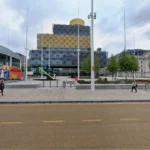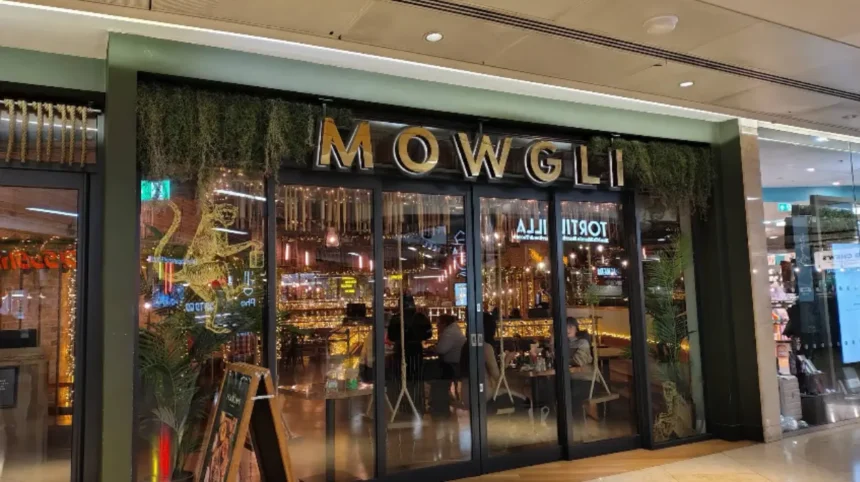
Digbeth provides the best combination of creative culture and street food in Birmingham through its historic industrial architecture, vibrant street art, independent venues, and events hosted by the Digbeth Dining Club at various local event spaces.
- Where Can Visitors Experience Historic Heritage and Craft Dining in Birmingham?
- Which Neighbourhood Delivers Traditional South Asian Gastronomy in Birmingham?
- Where Should You Go for Upmarket Dining and Suburban Charm in Birmingham?
- How many days are needed to explore Birmingham’s top neighbourhoods?
- What is the easiest way to travel between these Birmingham districts?
- Are these food and culture neighbourhoods walkable for visitors?
- Which Birmingham neighbourhood is best for vegetarian and vegan dining?
- Is the Balti Triangle suitable for families and late-night dining?
Digbeth is located south-east of Birmingham city centre and represents the creative quarter of the city. The area developed during the Industrial Revolution as a hub for manufacturing, hosting major production sites such as the Custard Factory built by Alfred Bird in 1902. Today, those restored Victorian buildings accommodate independent digital agencies, artist studios, record stores, and vintage retail outlets. The architectural backdrop of red-brick warehouses and railway viaducts creates a distinct urban landscape that attracts artists and visitors.
Street art defines the visual culture of Digbeth. The walls along floodgate Street and Lower Trinity Street serve as an open-air gallery featuring works by local and international muralists. Cultural venues like the Mockingbird Cinema show independent films, while nightlife spaces present live music and performance art. The neighbourhood hosts recurring cultural festivals, including citywide design shows and seasonal craft fairs, which showcase regional talent and foster community collaboration.
Food in Digbeth centres on independent culinary concepts and street food traders. Digbeth Dining Club established the neighbourhood as a premier street food destination by transforming industrial spaces into street food markets. Visitors can access diverse dining options, ranging from fried chicken specialists at Bonehead to wood-fired pizza venues and seasonal pop-up kitchens. The concentration of independent eateries makes Digbeth a prime location for casual, multi-cuisine dining.
Exploring Digbeth allows visitors to experience Birmingham’s shift from an industrial manufacturing centre to a modern cultural hub. The neighborhood retains its historical structure while continuously introducing new art installations, pop-up markets, and food vendors. Its proximity to Birmingham New Street station ensures straightforward access for both residents and international travellers looking for urban culture.
Where Can Visitors Experience Historic Heritage and Craft Dining in Birmingham?
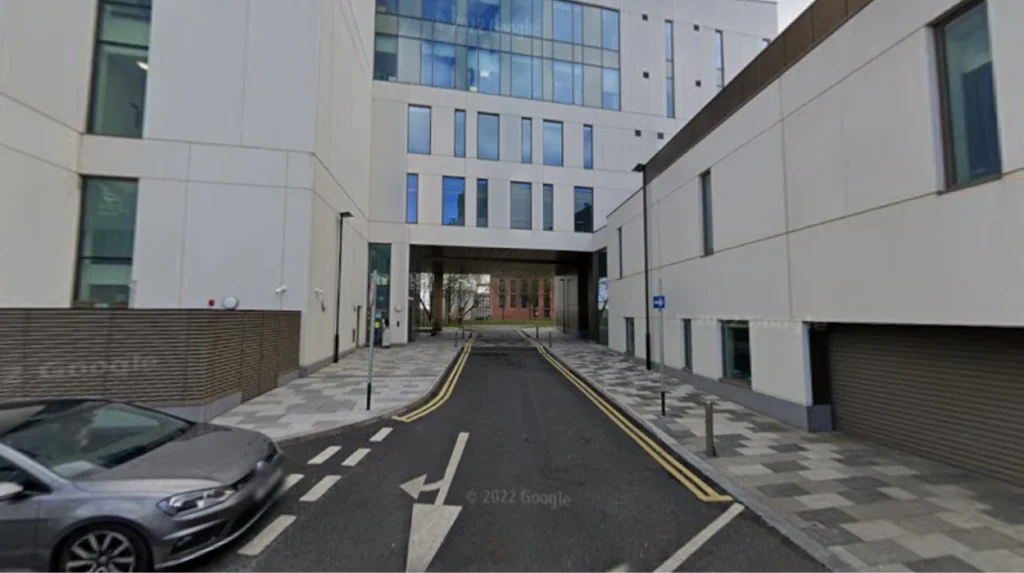
The Jewellery Quarter offers historic heritage and craft dining through its preserved Victorian workshops, specialized museums like the Museum of the Jewellery Quarter, and independent restaurants housed inside converted historic industrial buildings.
The Jewellery Quarter is situated northwest of Birmingham city centre and contains Europe’s highest concentration of businesses involved in the jewellery trade. Established in the mid-18th century, the district expanded rapidly during the 19th century to produce fine jewellery, metalware, and pens. Today, the area is designated as a conservation area with over 200 listed buildings. Landmarks such as St Paul’s Square, featuring the last remaining Georgian square in Birmingham, illustrate the architectural history of the district.
Cultural institutions in the Jewellery Quarter document the region’s industrial lineage. The Museum of the Jewellery Quarter preserves a intact 1980s factory environment, offering live demonstrations of traditional metalworking techniques. Nearby, the Pen Museum details Birmingham’s 19th-century role in manufacturing steel pen nibs for global export. Contemporary art galleries, print shops, and craft workshops operate alongside active jewellery production facilities, preserving the historical legacy of craftsmanship.
Craft dining in the Jewellery Quarter highlights artisanal production and local sourcing. Historic buildings now house craft beer taprooms, specialized bakeries like Medicine Bakery, and fine dining establishments. For instance, Opheem on Summer Row delivers modern Indian cuisine that has earned Michelin-starred recognition. Wine bars such as Arch 13 on Livery Street pair curated selections with British cheese and charcuterie inside historic railway arches.
Visiting the Jewellery Quarter provides direct insight into Birmingham’s industrial manufacturing history alongside its contemporary culinary developments. The walkability of St Paul’s Square and surrounding streets allows visitors to explore historic architecture, visit active workshops, and dine at independent establishments within a single compact district.
Which Neighbourhood Delivers Traditional South Asian Gastronomy in Birmingham?
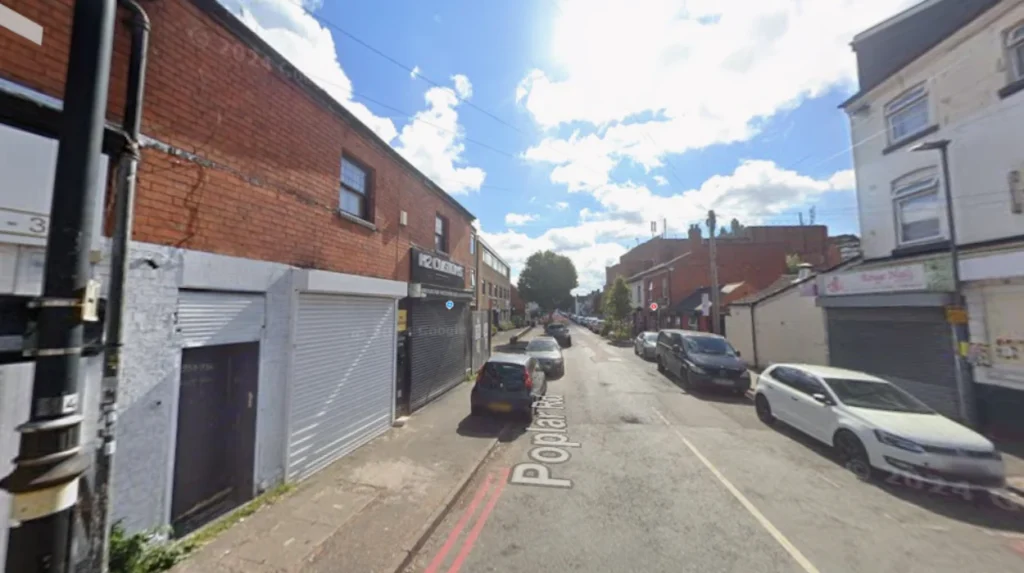
The Balti Triangle delivers traditional South Asian gastronomy through its historic family-run curry houses, specialized spice markets, and authentic Kashmiri cooking methods established by South Asian immigrants during the late twentieth century.
The Balti Triangle is located south of Birmingham city centre, encompassing the residential and commercial areas of Ladypool Road, Stratford Road, and Stoney Lane. The neighbourhood developed its identity in the 1950s and 1960s as South Asian immigrants settled in the area to work in industrial foundries. In the late 1970s, local Pakistani Brummie restaurateurs developed the Birmingham Balti, a fast-cooked, highly spiced curry prepared and served in a thin pressed-steel pan.
Cultural identity in the Balti Triangle is rooted in South Asian traditions, textiles, and community commerce. The main thoroughfares feature specialized clothing boutiques selling traditional attire, sweet shops offering authentic South Asian confectionery like jalebi and barfi, and traditional butchers. Community gathering places and local places of worship reflect the cultural demographics of the surrounding neighborhoods, creating a distinct commercial environment.
Gastronomy in the area focuses on authentic Balti dishes prepared using specific regional criteria. Authentic Birmingham Baltis are cooked rapidly over high heat using vegetable oil instead of ghee, incorporating fresh garlic, ginger, turmeric, and garam masala. Historic establishments such as Shababs on Ladypool Road continue to prepare curries according to these established standards. The menu options span classic lamb, chicken, and vegetarian curries, served alongside large family-sized naan breads.
Visiting the Balti Triangle allows food enthusiasts to experience an authentic regional culinary creation within its original cultural context. The neighbourhood provides access to South Asian culinary traditions, ingredients, and specialized cooking styles that have influenced the broader food culture of the United Kingdom.
Where Should You Go for Upmarket Dining and Suburban Charm in Birmingham?
Harborne provides upmarket dining and suburban charm through its Victorian residential streets, independent gastro pubs like The Plough, and high-end restaurants situated along an active high street.
Harborne is an affluent suburb located three miles southwest of Birmingham city centre. Historically recorded in the Domesday Book of 1086, Harborne transitioned from a rural Village into a residential suburb during the 19th century. The neighbourhood features Victorian terraces, Edwardian villas, and green spaces like Harborne Walkway and Queen’s Park. Its suburban character attracts families, academics, and working professionals seeking quiet residential areas near the city core.
Culture in Harborne revolves around community institutions, independent retail shops, and outdoor recreation spaces. The neighborhood maintains a traditional high street with independent butchers, fishmongers, and boutique retailers. Cultural venues like the Harborne Farmers Market display regional produce and handmade goods on a regular monthly basis. Green corridors allow for walking and cycling, connecting Harborne to the University of Birmingham campus and nearby Edgbaston.
Harborne’s dining scene contains fine dining establishments, gastropubs, and neighborhood cafés. The neighborhood features long-standing culinary destinations such as Simpsons, an establishment that has held a Michelin star for over fifteen consecutive years, serving classical French-influenced cuisine. Neighborhood gastropubs such as The Plough serve stone-baked pizzas, craft beers, and Sunday roasts within a pub setting. Specialized coffee shops and bakeries line the high street, offering day-long dining options.
Exploring Harborne provides a contrast to the industrial environments of central Birmingham. Visitors can experience high-end dining, historic suburban architecture, and neighborhood parks within a walkable, self-contained district accessible by local public transport.
How many days are needed to explore Birmingham’s top neighbourhoods?
Two to three days are sufficient to visit the main neighbourhoods. Visitors can explore central areas like Digbeth and the Jewellery Quarter on day one, and visit suburban locations like Harborne and the Balti Triangle on day two.
What is the easiest way to travel between these Birmingham districts?
The city’s West Midlands Metro tram line connects central districts like the Jewellery Quarter to the city centre. Local public buses run regularly from New Street Station to Harborne and the Balti Triangle.
Are these food and culture neighbourhoods walkable for visitors?
Digbeth and the Jewellery Quarter are fully walkable from Birmingham city centre. Suburban neighbourhoods like Harborne and the Balti Triangle require a brief bus ride or taxi, but offer easy walking once you arrive.
Which Birmingham neighbourhood is best for vegetarian and vegan dining?
The Jewellery Quarter and Digbeth offer extensive plant-based dining options. Key venues include Hive Café & Bakery in the Jewellery Quarter and various independent plant-based traders at Digbeth Dining Club events.
Is the Balti Triangle suitable for families and late-night dining?
Yes, the Balti Triangle features family-friendly restaurants that accommodate large groups. Many traditional curry houses stay open late into the evening, providing dining options across flexible hours.