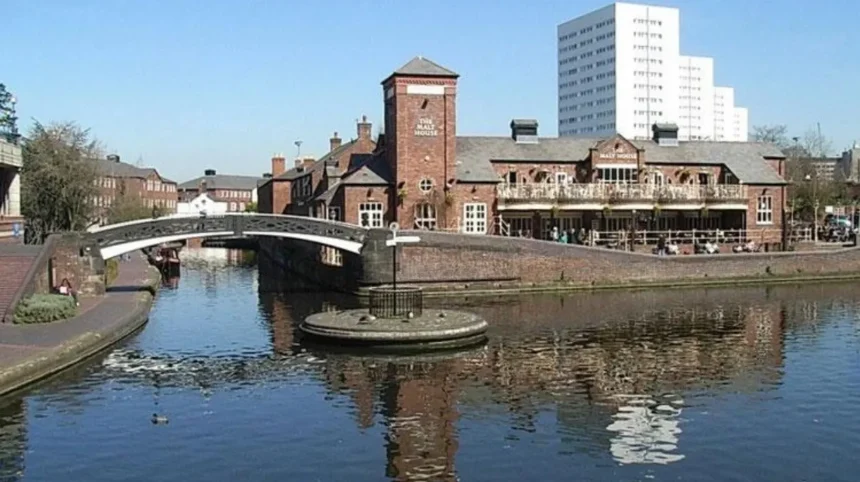
Birmingham is England’s second-largest city and one of the United Kingdom’s most historically significant industrial, cultural, and architectural centres. While millions of visitors focus on landmarks such as the Bullring, Victoria Square, and the Jewellery Quarter, the city also preserves numerous lesser-known districts, historic landscapes, waterways, workshops, museums, and heritage sites that reveal its deeper story. Discovering these quieter locations provides a broader understanding of Birmingham’s development from a medieval market settlement into a global manufacturing powerhouse.
- Why does Birmingham offer unique experiences beyond its busiest attractions?
- How did Birmingham’s canal network create hidden historical landscapes?
- Which lesser-known historic neighbourhoods reveal Birmingham’s cultural development?
- What industrial heritage survives beyond Birmingham’s famous museums?
- How do Birmingham’s parks preserve historical landscapes?
- Why are Birmingham’s historic religious buildings important?
- How does Birmingham’s architecture reflect different historical periods?
- What hidden museums and heritage collections provide deeper historical insight?
- How has heritage conservation protected Birmingham’s quieter historic places?
- Why do quieter Birmingham experiences provide greater historical understanding?
Away from the busiest visitor routes, Birmingham contains preserved canals, Victorian cemeteries, hidden parks, former industrial buildings, independent museums, historic churches, conservation areas, and surviving communities that document over 1,000 years of urban history. These locations remain valuable to historians, cultural tourists, educators, local heritage organisations, and genealogical researchers seeking authentic evidence of the city’s past.
Why does Birmingham offer unique experiences beyond its busiest attractions?
Birmingham offers unique experiences beyond its busiest attractions because its industrial expansion created hundreds of historically important neighbourhoods, waterways, workshops, parks, religious buildings, and civic institutions that remain preserved across the city. These quieter locations reveal authentic architectural, cultural, and social history unavailable within the primary tourist districts.
Unlike many historic British cities that developed around royal institutions or medieval walls, Birmingham expanded rapidly during the Industrial Revolution. The town became internationally recognised for manufacturing, engineering, metalworking, jewellery production, scientific innovation, and canal transport.
By 1700 Birmingham had become an important centre for small-scale manufacturing. During the eighteenth and nineteenth centuries, continuous industrial growth transformed surrounding villages into interconnected urban communities. Rather than concentrating heritage in one central district, Birmingham developed dozens of specialised neighbourhoods, each contributing distinct industries and cultural identities.
Today these districts preserve evidence of historic craftsmanship, Victorian urban planning, Edwardian public architecture, nineteenth-century parks, former factories, educational institutions, and religious diversity.
Many quieter locations also experience lower visitor numbers, allowing better opportunities to study architectural details, interpretive displays, surviving industrial infrastructure, and conservation projects.
To experience this historic landscape in person today, consult our comprehensive [Unusual Things to Do in Birmingham Beyond Popular Tourist Attractions] for itineraries and visiting parameters.
How did Birmingham’s canal network create hidden historical landscapes?
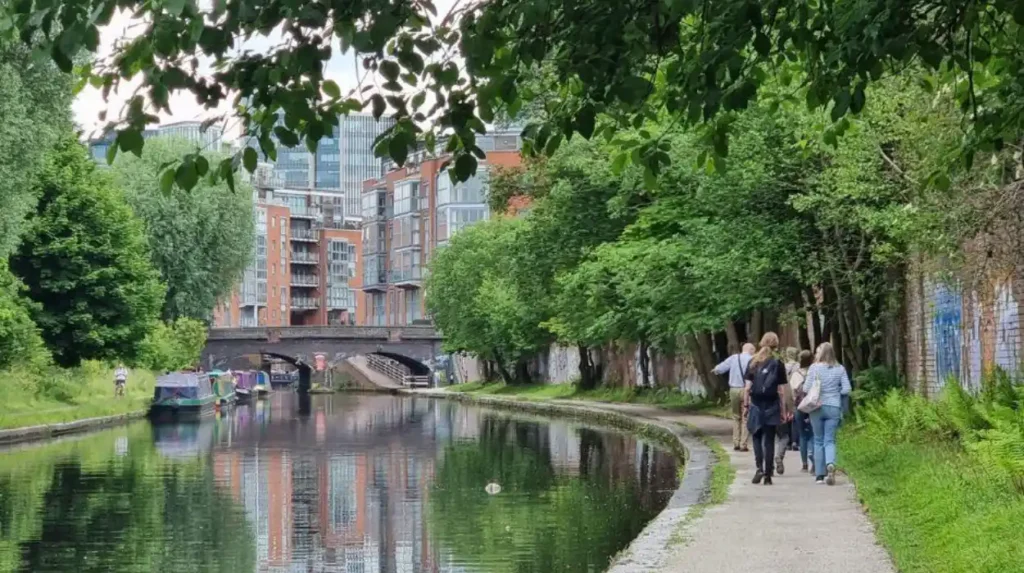
Birmingham’s canal network created hidden historical landscapes by connecting factories, warehouses, mines, and workshops across the Midlands. More than 100 miles of navigable canals remain within the metropolitan area, preserving one of Britain’s largest surviving industrial transport systems.
Although Venice is internationally famous for canals, Birmingham actually contains more miles of canals than Venice within its city boundaries.
The first major canal connected Birmingham with the Staffordshire and Worcestershire Canal in 1772. Throughout the following decades, engineers expanded the network to serve coal mines, ironworks, glass manufacturers, brass foundries, and engineering businesses.
These waterways transported:
- coal
- iron ore
- finished metal goods
- building materials
- food supplies
Industrial growth depended on reliable transport before railway construction.
Today, quieter canal stretches away from Brindleyplace preserve:
Historic canal bridges
Many original brick bridges survive from the late eighteenth century. Their engineering demonstrates early industrial construction techniques using locally manufactured brick and cast iron.
Former warehouses
Numerous canal-side warehouses have been converted into offices, homes, cafés, and cultural venues while retaining their Victorian industrial façades.
Towpaths
Historic towpaths originally accommodated horses pulling narrowboats. Modern restoration allows walking and cycling while preserving original layouts.
The canal system remains protected through conservation initiatives that balance recreation with heritage preservation.
Which lesser-known historic neighbourhoods reveal Birmingham’s cultural development?
Several lesser-known historic neighbourhoods reveal Birmingham’s cultural development through preserved housing, industrial buildings, religious institutions, markets, and community traditions that document the city’s expansion between the eighteenth and twentieth centuries.
Many visitors focus exclusively on the Jewellery Quarter, yet Birmingham’s wider districts preserve equally significant historical evidence.
Digbeth
Digbeth is one of Birmingham’s oldest continuously occupied districts.
Its nineteenth-century warehouses, former factories, traditional pubs, railway arches, and industrial streets demonstrate the city’s manufacturing heritage. Recent regeneration has introduced creative industries while retaining much of the historic built environment.
Moseley
Moseley preserves Victorian villas, landscaped parks, historic churches, and suburban planning associated with Birmingham’s expanding middle classes during the nineteenth century.
Harborne
Harborne developed from an independent medieval village into a prosperous suburb following railway expansion. Historic shopping streets, churches, schools, and residential architecture remain well preserved.
Bournville
Bournville represents one of Britain’s best examples of planned industrial housing.
Founded by the Cadbury family during the late nineteenth century, the village integrated housing, education, recreation, and green space within a carefully designed community.
These neighbourhoods illustrate different phases of Birmingham’s urban development while remaining quieter than central commercial areas.
What industrial heritage survives beyond Birmingham’s famous museums?
Industrial heritage survives beyond Birmingham’s famous museums through preserved workshops, former factories, engineering sites, railway infrastructure, civic buildings, and manufacturing districts that demonstrate more than two centuries of technological innovation.
Birmingham became internationally recognised as the “City of a Thousand Trades.”
Rather than relying on one dominant industry, thousands of specialised manufacturers produced goods including:
- jewellery
- firearms
- buttons
- pens
- steam engines
- bicycles
- scientific instruments
Small workshops often specialised in one stage of production.
Many former industrial buildings remain visible across the city despite redevelopment.
Historic factories
Victorian brick factories frequently survive as residential or commercial conversions while preserving original external architecture.
Engineering works
Several engineering complexes retain machinery, chimneys, loading bays, and cast-iron structural elements illustrating nineteenth-century manufacturing.
Railway infrastructure
Historic railway viaducts, tunnels, stations, and goods depots continue serving modern transport while demonstrating Victorian engineering achievement.
These surviving structures provide valuable evidence for industrial archaeology and urban history.
How do Birmingham’s parks preserve historical landscapes?
Birmingham’s parks preserve historical landscapes through Victorian civic planning, designed gardens, archaeological features, memorials, historic buildings, and protected natural habitats that document changing public attitudes towards recreation and urban health.
During the nineteenth century, Birmingham’s rapidly growing population required improved public health infrastructure.
Municipal leaders developed public parks that combined recreation with environmental improvement.
Cannon Hill Park
Opened in 1873, Cannon Hill Park occupies approximately 250 acres donated by Louisa Ryland.
The park combines ornamental gardens, woodland, lakes, sports facilities, and conservation areas.
Sutton Park
One of Europe’s largest urban parks, Sutton Park covers approximately 2,400 acres.
Its landscape preserves heathland, wetlands, woodlands, grazing land, ancient earthworks, and archaeological remains spanning several historical periods.
Handsworth Park
Opened in 1888, Handsworth Park reflects Victorian landscape design principles through ornamental lakes, tree-lined walks, formal planting, and historic pavilions.
These parks remain valuable historical landscapes as well as important ecological resources.
Why are Birmingham’s historic religious buildings important?
Birmingham’s historic religious buildings are important because they document centuries of population growth, migration, architectural change, religious diversity, and community development across the city through preserved churches, chapels, synagogues, mosques, and cemeteries.
Medieval Birmingham centred around St Martin’s Church.
As industrial expansion accelerated during the eighteenth and nineteenth centuries, numerous additional places of worship served growing communities.
Historic religious architecture includes Gothic Revival churches, Georgian chapels, Victorian parish churches, Nonconformist meeting houses, and early twentieth-century religious buildings representing immigrant communities.
These buildings preserve:
- memorial inscriptions
- parish registers
- stained glass
- carved stonework
- historic organs
- community archives
For genealogists, parish records provide essential evidence for tracing family histories before comprehensive civil registration.
Many religious buildings continue serving active congregations while supporting heritage conservation initiatives.
How does Birmingham’s architecture reflect different historical periods?
Birmingham’s architecture reflects different historical periods through surviving medieval structures, Georgian civic buildings, Victorian industrial architecture, Edwardian commercial developments, twentieth-century modernism, and contemporary regeneration that collectively document over one millennium of urban evolution.
Few medieval buildings survive because repeated redevelopment accompanied industrial expansion.
Nevertheless, the city retains representative architecture from successive historical eras.
Medieval Birmingham
St Martin’s Church preserves medieval origins despite later restoration.
Georgian Birmingham
Elegant townhouses, commercial buildings, and civic institutions demonstrate eighteenth-century prosperity.
Victorian Birmingham
Victorian architecture dominates much of the historic city.
Industrial warehouses, public libraries, schools, railway stations, banks, museums, and municipal offices illustrate rapid nineteenth-century expansion.
Edwardian Birmingham
Edwardian commercial architecture introduced larger retail buildings, decorative façades, and improved public infrastructure.
Modern regeneration
Recent redevelopment frequently incorporates preserved historic façades into contemporary mixed-use developments, maintaining continuity between past and present.
What hidden museums and heritage collections provide deeper historical insight?
Hidden museums and heritage collections provide deeper historical insight by preserving specialised collections covering manufacturing, medicine, transport, social history, printing, archaeology, and everyday life that complement Birmingham’s nationally recognised museums.
Specialist museums often explore one aspect of Birmingham’s history in greater depth than larger institutions.
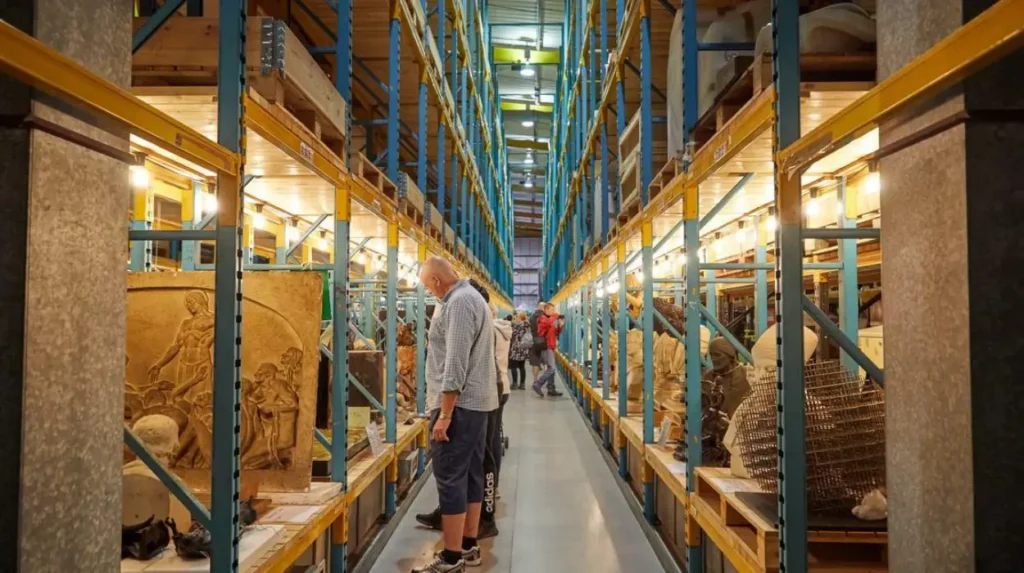
Collections include historic machinery, household artefacts, medical equipment, engineering tools, archives, photographs, manuscripts, maps, and oral histories.
University collections also contribute significant archaeological, geological, and scientific research supporting academic study.
Local history centres preserve municipal documents including:
- census records
- electoral registers
- planning documents
- historic maps
- photographs
- business archives
These resources support educators, researchers, and family historians investigating Birmingham’s development across multiple centuries.
How has heritage conservation protected Birmingham’s quieter historic places?
Heritage conservation has protected Birmingham’s quieter historic places through statutory listing, conservation areas, scheduled monuments, adaptive reuse projects, archaeological investigation, community partnerships, and long-term planning policies that preserve historically significant buildings and landscapes.
Historic England designates nationally important listed buildings.
Birmingham City Council manages numerous conservation areas protecting groups of historically significant streets and buildings.
Conservation strategies include:
Adaptive reuse
Former factories become apartments, offices, galleries, and educational facilities while retaining important architectural features.
Archaeological recording
Construction projects frequently include archaeological investigations documenting earlier settlement before redevelopment proceeds.
Community involvement
Local heritage organisations organise educational events, restoration projects, archival research, and public interpretation encouraging wider appreciation of Birmingham’s historic environment.
These collaborative efforts ensure historical evidence survives alongside modern urban growth.
Why do quieter Birmingham experiences provide greater historical understanding?
Quieter Birmingham experiences provide greater historical understanding because they expose preserved industrial landscapes, residential communities, architectural evolution, transportation infrastructure, public institutions, and cultural heritage that collectively explain how Birmingham became one of Britain’s most influential manufacturing cities.
Major attractions introduce visitors to Birmingham’s identity.
Less-visited locations explain the mechanisms behind that identity.
Historic canals demonstrate industrial logistics.
Neighbourhoods illustrate urban expansion.
Factories reveal manufacturing innovation.
Parks reflect Victorian public health reforms.
Religious buildings record demographic change.
Museums preserve technological achievement.
Together these interconnected sites create a comprehensive picture of Birmingham’s evolution from a medieval market settlement into an internationally significant industrial metropolis.
For historians, cultural tourists, educators, heritage professionals, and genealogical researchers, exploring Birmingham beyond its busiest attractions provides direct access to authentic historical evidence preserved across the city’s streets, waterways, neighbourhoods, institutions, and landscapes. These quieter experiences deepen historical understanding while supporting the long-term appreciation and conservation of one of Britain’s richest urban heritage environments.
What are the best unique experiences away from crowds in Birmingham?
Some of Birmingham’s best crowd-free experiences include exploring its historic canal network, visiting Digbeth’s industrial heritage, walking through Sutton Park, discovering Bournville’s planned village, and touring lesser-known museums and conservation areas.