Key Points
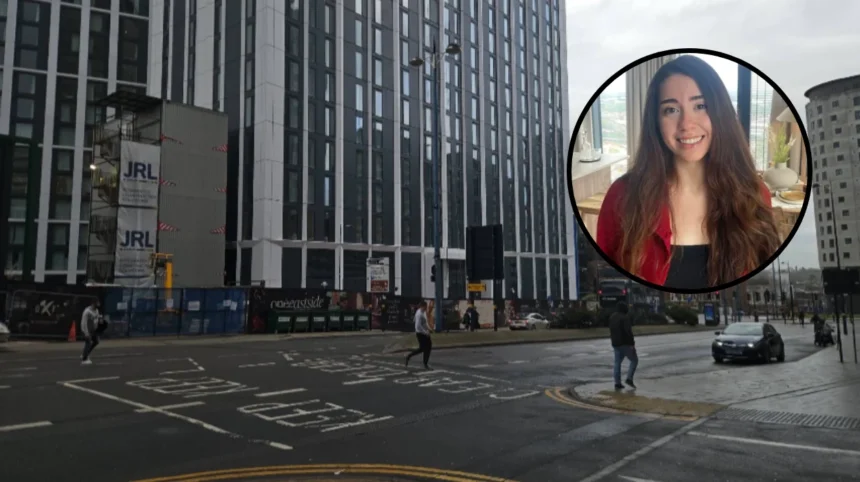
- One Eastside, a 51-storey and 155.5-metre (379ft) high-rise block, is now the joint-tallest building in Birmingham, providing homes for up to 1,000 people.
- The £200m development comprises two buildings, featuring the main tower alongside a separate 16-storey block, delivering 667 apartments in total.
- Project developers frame the scheme as a physical emblem of Birmingham’s drive to compete on scale with London and Manchester.
- Housing campaigners caution that despite the soaring towers, thousands of local residents remain stranded on long housing waiting lists, proving that sky-high growth does not instantly solve systemic housing shortages.
- The scheme underscores the massive acceleration of the city’s “build to rent” sector, sitting a short walk away from other towering developments like The Octagon.
Birmingham (Birmingham Express) July 22, 2026 – When Birmingham’s latest towering skyscraper welcomes its inaugural residents in the coming weeks, it will mark a defining milestone for a regional capital aggressively reaching skyward. Rising sharply against the Midlands horizon, the One Eastside development has redefined the architectural scale of the United Kingdom’s second city. Yet, this vertical evolution arrives amid intense public debate over whether hyper-dense luxury high-rises genuinely address the acute shelter needs of everyday citizens or merely serve as aesthetic vanity projects for corporate investors.
Are high-rise towers reshaping Birmingham’s economic identity?
As reported by BBC News, project leaders and corporate backers argue that structures like One Eastside are essential physical representations of the city’s ambition to rival major economic hubs like London and Manchester in a race to the top. The £200m development consists of two distinct structures—a monumental 51-storey main tower and a complementary 16-storey block—combining to offer 667 high-end apartments. This surge forms part of an expansive “build to rent” wave sweeping through the urban core, which also features nearby architectural marvels such as The Octagon.
Providing context on the scale of the undertaking, Sam Winnard of the Pension Insurance Corporation stated that
“we’re creating something that’s the size of a village.”
Elaborating on the long-term vision behind the construction, Winnard added that
“Birmingham is obviously a massive community already but we’re creating our own that sits within that. As long-term investors we want people to stay in the apartment and to make it their home.”
Explore More Local Birmingham News
Pedestrian Hospitalised After Being Struck by Bus in Birmingham City Centre, 2026
Driver Fined for Illegal Parking on Zig-Zag Lines in Yardley, Birmingham 2026
Can vertical expansion solve the local housing crisis?
Despite corporate optimism regarding community building and long-term residency, critics and housing campaigners argue that a disconnect remains between luxury high-rise construction and the realities facing ordinary residents. Thousands of local families and individuals remain trapped on extensive council waiting lists for affordable accommodation. While developers promote build-to-rent mega-blocks as a remedy for urban housing pressures, housing advocates note that market-rate high-rises often fail to provide genuinely affordable options for lower-income households.
Urban planners and community groups point out that while Birmingham transitions into a hyper-connected, high-density metropolis, municipal authorities must carefully balance commercial skyscrapers with inclusive, community-oriented housing infrastructure. The ongoing debate questions whether the current vertical boom truly caters to the demographic makeup of the city or primarily benefits institutional property funds seeking reliable long-term yields.
What does the future hold for Birmingham’s skyline?
As the finishing touches are applied to One Eastside and adjacent mega-projects continue to alter the geography of the West Midlands, the city stands at a crucial crossroads. The transition from a traditional industrial landscape to a modern, service-driven urban core relies heavily on how effectively these high-density spaces integrate with the wider public. Whether these towering investments will alleviate housing stress or merely displace local communities remains the defining urban question for Birmingham’s immediate future.