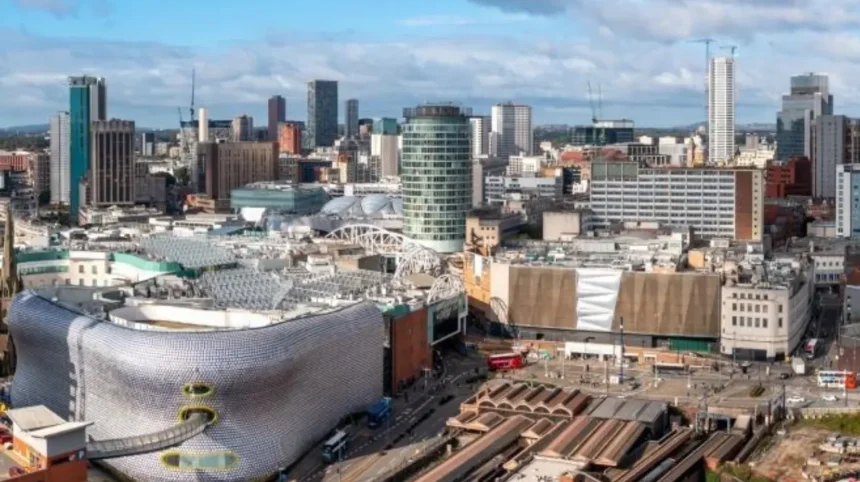
Birmingham is one of Britain’s most historically layered cities. Its travel identity combines prehistoric archaeology, a medieval market settlement, industrial manufacturing, Victorian civic ambition, migration, music, food, art, science and modern regeneration. The ultimate Birmingham travel bucket list therefore requires more than a collection of popular attractions. It requires a chronological framework that connects places, people, industries and surviving evidence.
- What should the ultimate Birmingham travel bucket list include?
- How did Birmingham develop from prehistoric settlement into a major city?
- Which Birmingham landmarks best explain the city’s industrial revolution?
- Why should the Jewellery Quarter be a central Birmingham bucket-list destination?
- Which historic buildings reveal how ordinary Birmingham residents lived?
- How can Birmingham’s museums strengthen a historical travel itinerary?
- Which civic buildings should be included to understand Victorian Birmingham?
- How do Birmingham’s canals explain the city’s industrial growth?
- Which historic homes and estates belong on a Birmingham history bucket list?
- How should Birmingham’s cultural history shape a modern travel bucket list?
- Which green spaces belong on a historical Birmingham itinerary?
- How can visitors connect Birmingham’s past with its present?
- What is the best historical order for completing a Birmingham travel bucket list?
- Why does Birmingham’s history remain important for future visitors and researchers?
Birmingham’s history begins with human activity dating back thousands of years and extends through Roman military occupation, medieval commerce, eighteenth-century manufacturing, the Industrial Revolution, Victorian urban expansion and twentieth-century social change. The city’s present-day visitor experience reflects these successive transformations. Historic buildings, museums, canals, industrial workshops, parks, cultural institutions and neighbourhoods preserve different parts of the same urban story.
The most effective travel bucket list places these experiences in historical context. It includes major landmarks, but it also recognises the ordinary workplaces, homes, roads, waterways and archaeological remains that explain how Birmingham developed. This approach serves tourists, history enthusiasts, educators, students and heritage researchers because every destination becomes evidence of a wider historical process.
What should the ultimate Birmingham travel bucket list include?
The ultimate Birmingham travel bucket list should combine ancient archaeology, medieval history, industrial heritage, civic architecture, museums, canals, historic homes, cultural districts, green spaces and modern landmarks, with each destination connected to a specific period or transformation in Birmingham’s development.
A complete list begins with Birmingham’s foundational geography. The city developed around a dry site near the River Rea and important routes. Access to coal, iron, timber and water supported the growth of manufacturing. The location also helped connect Birmingham with wider regional markets.
The medieval market was a decisive turning point. Peter de Birmingham obtained a market charter from Henry II in 1166. In 1250, William de Bermingham received permission to hold a four-day Whitsun fair. These privileges established the settlement as a commercial centre and created the foundations for later urban growth.
The list should then move through the Industrial Revolution. Birmingham became associated with small-scale manufacturing, engineering, metalworking, firearms, buttons, jewellery and scientific innovation. The city’s industrial development was not based on one factory or one invention. It depended on a dense network of workshops, skilled labour, canals, investors, engineers and markets.
The modern bucket list must also include the social history of the city. Historic homes, back-to-back housing, cemeteries, religious buildings and neighbourhoods reveal how industrial growth affected ordinary residents. Museums and archives provide evidence of the people who worked, migrated, traded and built communities in Birmingham.
The result is a travel plan based on historical significance rather than a simple ranking of attractions.
How did Birmingham develop from prehistoric settlement into a major city?
Birmingham developed through successive stages of human settlement, Roman activity, medieval market expansion, industrial manufacturing and modern urbanisation, with geography, trade, natural resources, transport infrastructure and skilled labour driving its transformation from a small settlement into a major city.
Birmingham’s archaeological record extends from prehistoric stone tools to twentieth-century buildings. The city contains evidence of Bronze Age activity, Roman roads, farms, pottery kilns and military sites. Archaeological remains survive both above ground and below ground, creating a physical record of long-term settlement.
The Roman period introduced military infrastructure to the region. Metchley Roman Fort, located near present-day uk/local/edgbaston/">Edgbaston, formed part of the Roman occupation landscape. Roman roads and associated settlements demonstrate the importance of the wider area for movement and military administration.
The medieval settlement developed around the River Rea and local transport routes. Birmingham’s name is associated with an early Saxon settlement. The name derives from the home or settlement of the people associated with a leader called Beorma. The settlement was recorded in the Domesday Book of 1086 as a small hamlet valued at 20 shillings.
The market charter of 1166 changed Birmingham’s economic position. Markets attracted traders, craftsmen and customers. The town’s commercial identity strengthened as smithing and metalworking expanded. Tax records from 1327 already listed craftsmen among Birmingham’s residents.
By the sixteenth century, Birmingham had become a substantial regional market town. When the surveyor and antiquarian John Leland visited in 1538, he recorded approximately 1,500 people living in about 200 houses. The settlement contained a main street, side streets, markets and numerous smiths whose products circulated beyond the local area.
This early manufacturing tradition explains why Birmingham later became a major industrial centre. The city already possessed skilled workers, commercial networks and a culture of specialised production before mechanised industry transformed Britain.
Which Birmingham landmarks best explain the city’s industrial revolution?
The best industrial landmarks include Soho House, Birmingham’s canals, the Jewellery Quarter, Thinktank, Birmingham Back to Backs, the Coffin Works and surviving workshops, because they reveal how invention, manufacturing, transport, housing and skilled labour transformed the city.
Birmingham’s industrial history is best understood through connected sites rather than a single monument. The city’s industrial system involved production, transport, housing, finance and scientific experimentation.
Soho House is associated with Matthew Boulton, the Birmingham industrialist who operated the Soho Manufactory. Boulton worked closely with engineer James Watt, whose improvements to the steam engine had major consequences for industrial production. William Murdoch also contributed to the technological culture associated with Birmingham.
The Soho Manufactory represented a new form of industrial organisation. Production brought together skilled workers, machinery, design and international trade. Birmingham’s industrial identity therefore developed through networks of innovation rather than isolated invention.
The city’s waterways formed another essential part of this system. Canals transported raw materials and finished goods. They connected Birmingham with regional markets and industrial areas. The surviving canal network provides physical evidence of the transport infrastructure that supported industrial expansion.
Birmingham Museums holds around 40,000 objects within its science and industry collections. These objects represent approximately three centuries of scientific, technological and industrial development, including manufacturing, engineering, transport and technology.
The collection includes the 1844 Woolrich electrical dynamo, identified as the first commercial heavy electrical machine, and an 1794 button-shank-making machine associated with early self-acting production. These objects demonstrate the technical processes behind Birmingham’s industrial reputation.
Thinktank adds another essential dimension. The museum presents science, engineering and technological history, including the world’s oldest working steam engine according to Birmingham City Council’s heritage information. Its galleries connect historic machinery with the scientific principles that shaped industrial society.
For a travel bucket list, these destinations should be treated as a connected industrial circuit. Each site answers a different historical question: how Birmingham produced goods, how it transported them, how workers lived and how technology changed production.
Why should the Jewellery Quarter be a central Birmingham bucket-list destination?
The Jewellery Quarter deserves a central place because it preserves a large historic manufacturing district, more than 200 listed buildings and a continuing jewellery industry, making it one of Britain’s strongest surviving examples of industrial craft heritage.
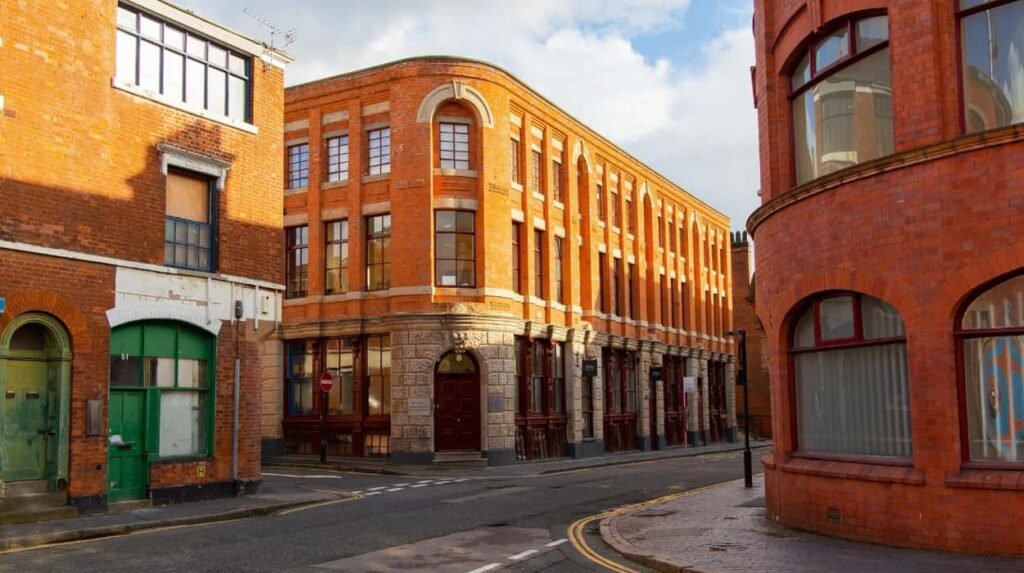
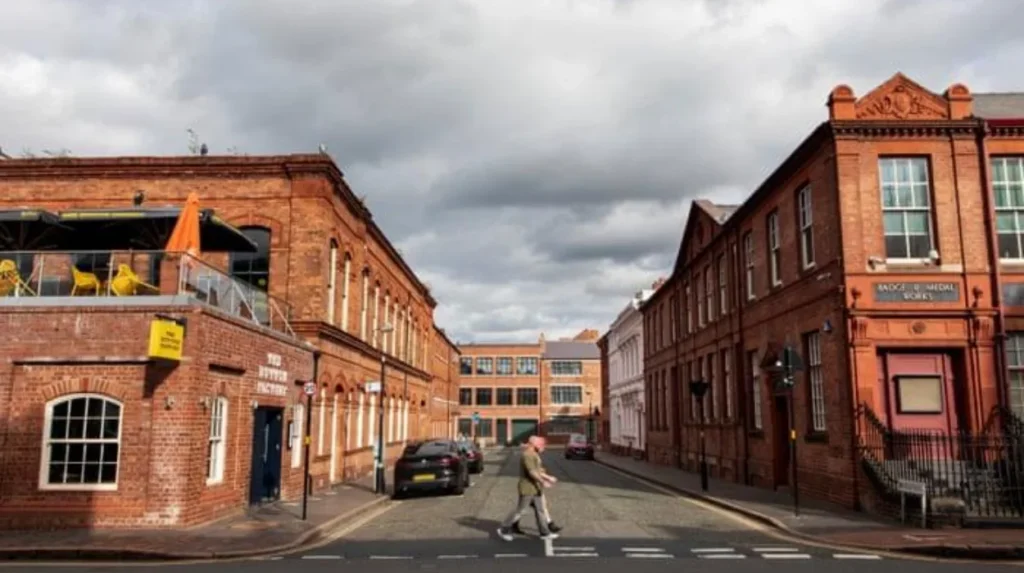
The Jewellery Quarter is one of Birmingham’s most important historic districts. Its development accelerated during the eighteenth and nineteenth centuries as jewellery and metalworking expanded. The area contains workshops, factories, churches, cemeteries, commercial premises and educational institutions associated with the industry.
Historic England describes the Jewellery Quarter as the most extensive surviving group of Victorian and twentieth-century buildings devoted to jewellery manufacture in Europe. The area retains buildings in which manufacturing activity continued through changing economic conditions.
The district also demonstrates the relationship between specialised labour and urban form. Workshops were positioned close to suppliers, skilled workers and commercial networks. Manufacturing shaped the architecture of streets and buildings.
The Museum of the Jewellery Quarter is particularly important because it preserves the former Smith & Pepper jewellery workshop. The business closed in 1981, leaving its premises, tools and working environment preserved as a rare industrial time capsule.
The district’s heritage also includes the Assay Office and the School of Jewellery. An assay office tests and marks precious-metal objects. This process provides legal and commercial assurance about the composition of gold, silver and platinum articles.
The Jewellery Quarter remains a living manufacturing district rather than a purely preserved museum landscape. Visit Birmingham states that the area contains more than 100 independent specialist retailers and craftspeople, while approximately 40 per cent of British jewellery is made in Birmingham.
This combination of historic buildings and continuing craft activity makes the Jewellery Quarter essential for visitors interested in industrial archaeology, economic history, design and heritage preservation.
Which historic buildings reveal how ordinary Birmingham residents lived?
Birmingham Back to Backs provides the clearest surviving evidence of working-class domestic life during industrial expansion, showing how compact housing, shared facilities, crowded urban conditions and changing household economies shaped nineteenth-century Birmingham.
Industrial history is incomplete without domestic history. Factories and workshops explain production, but houses explain how workers and families experienced the expanding city.
Birmingham Back to Backs are houses built in groups around shared courtyards. The arrangement created high-density accommodation close to workplaces and commercial streets. These homes formed part of the urban environment created by rapid population growth.
The preserved buildings demonstrate the relationship between industrialisation and housing. Birmingham’s manufacturing economy attracted workers and increased demand for affordable accommodation. Dense housing patterns developed in response to this pressure.
The Back to Backs also provide evidence of changing domestic technology. Rooms, fireplaces, furniture and household arrangements reveal how residents used limited space for cooking, sleeping, working and family life.
This destination is particularly valuable for students and educators because it turns social history into physical evidence. A preserved home can demonstrate living conditions more directly than a written description.
The site also provides a necessary balance to the grand civic buildings of central Birmingham. Industrial wealth produced impressive public architecture, but the same economic system created dense residential environments for workers.
A Birmingham travel bucket list should therefore place Back to Backs alongside industrial museums. Together, they explain both production and everyday life.
How can Birmingham’s museums strengthen a historical travel itinerary?
Birmingham’s museums strengthen a historical itinerary by combining local history, archaeology, art, science, industry and global collections, allowing visitors to connect physical landmarks with original objects, archival evidence, scientific instruments and material culture.
Birmingham Museums manages a collection of approximately 800,000 objects across nine venues. The collection includes art, archaeology, human history, natural science and science and industry. Many parts of the collection have national importance.
Birmingham Museum & Art Gallery is central to this museum network. The institution opened in 1885 and occupies a Grade II* listed building. Its collections include art, archaeology and local history. The museum is also recognised for its Pre-Raphaelite collection.
The museum’s importance extends beyond individual paintings. Its collections demonstrate how Birmingham’s civic institutions used art, archaeology and history to create public education.
The human history collections also provide important evidence. Birmingham Museums describes its human history collection as containing approximately 230,000 objects representing human achievement, including archaeology, world cultures, coins, stamps and Birmingham-related material.
These collections support genealogical research and local history. Objects, oral histories, maps and archives help researchers understand occupations, neighbourhoods, migration and community life.
The city’s archives are especially relevant to students and researchers. Birmingham City Council provides access to local history resources, historical maps, archives and collections that support research into Birmingham’s communities and places.
A strong bucket list therefore includes museums not as indoor alternatives to sightseeing, but as primary evidence for understanding the city.
Which civic buildings should be included to understand Victorian Birmingham?
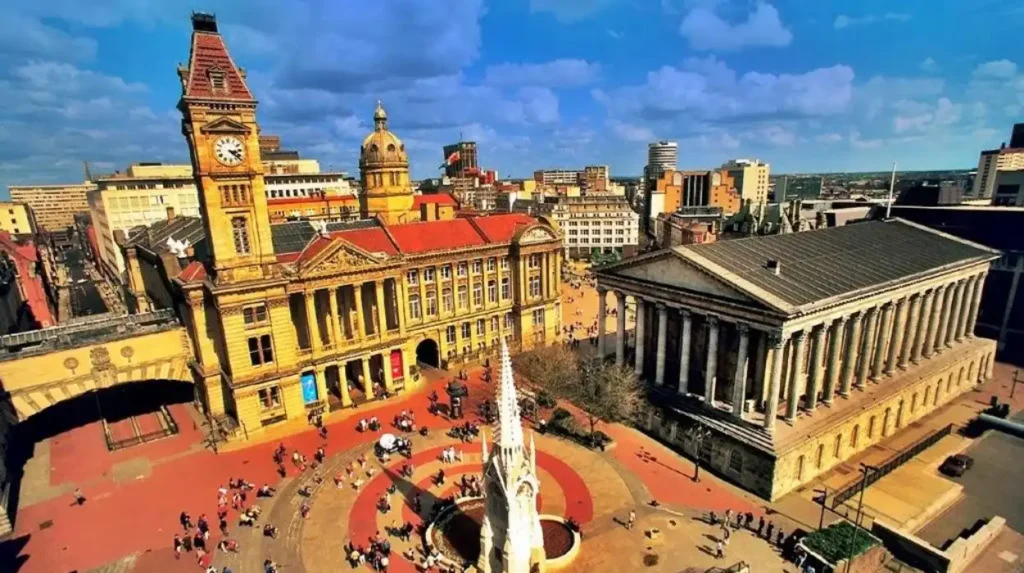
Victorian civic buildings should include Birmingham Town Hall, the Council House, the Birmingham Museum and Art Gallery building, St Philip’s Cathedral and the central civic square because they demonstrate how industrial wealth produced public institutions, cultural ambition and municipal identity.
The nineteenth century transformed Birmingham from an industrial town into a major urban centre. Population growth, industrial wealth and municipal reform created demand for public buildings.
Birmingham Town Hall became a major civic and cultural landmark. Its design reflected the confidence of a rapidly expanding industrial city. The building was associated with public meetings, music and civic life.
The Council House represents the development of modern municipal government. Birmingham became a major centre of civic administration as local government expanded its responsibilities for public health, infrastructure, education and urban services.
Birmingham Museum & Art Gallery formed part of this wider civic culture. The opening of the museum in 1885 demonstrated the belief that public institutions could educate citizens through art, archaeology and historical collections.
St Philip’s Cathedral provides an earlier architectural layer. The church became Birmingham Cathedral in 1911 when Birmingham was established as a city and the church became the cathedral of the new diocese.
These buildings should be viewed together because their significance lies in the relationship between industrial prosperity and public institutions. Birmingham’s civic architecture records the city’s transformation from market town to major urban centre.
How do Birmingham’s canals explain the city’s industrial growth?
Birmingham’s canals explain industrial growth by connecting factories, mines, warehouses and markets, enabling the movement of raw materials and finished goods before railways and roads gradually reduced the economic dominance of water transport.
Canals are among Birmingham’s most visible industrial remnants. The city’s canal network developed during the eighteenth and nineteenth centuries as manufacturers required reliable transport.
Coal, iron, timber and manufactured goods moved through the waterway system. Canal transport reduced the difficulties of moving heavy materials across roads that were often slower and less efficient.
The network connected Birmingham with the wider Midlands. This connectivity supported manufacturing growth and strengthened the city’s commercial position.
Railways later changed the transport system. During the nineteenth century, rail transport became increasingly important. Water transport gradually lost its former dominance, and many canals declined economically.
The survival of the canals creates an important heritage opportunity. Modern visitors can see the same infrastructure that once served industrial production, although the surrounding environment has changed substantially.
Brindleyplace and the canals around the city centre demonstrate the modern reuse of industrial infrastructure. Historic waterways now form part of the city’s cultural and public realm.
This transition illustrates a central theme of Birmingham’s history: infrastructure changes function while retaining physical evidence of earlier economic systems.
Which historic homes and estates belong on a Birmingham history bucket list?
Aston Hall, Soho House and Sarehole Mill belong on a historical Birmingham bucket list because they represent seventeenth-century elite architecture, eighteenth-century industrial leadership and the survival of earlier water-powered production.
Aston Hall is one of the most significant historic houses in Birmingham. The Jacobean building provides evidence of elite architecture and domestic life in the seventeenth century.
The house also connects Birmingham to national political history. During the English Civil War, Birmingham developed a reputation for supplying Parliamentarian forces with weapons and military equipment. This strengthened the city’s association with metalworking.
Soho House represents a different social and economic world. It is associated with Matthew Boulton and the intellectual and industrial networks that helped shape Birmingham’s eighteenth-century development.
Sarehole Mill provides evidence of water-powered production. The mill is approximately 250 years old and remains associated with Birmingham’s industrial and literary heritage. Visit Birmingham identifies its connection with author J.R.R. Tolkien.
Together, these sites provide a chronological sequence. Aston Hall represents earlier elite society. Soho House represents industrial entrepreneurship. Sarehole Mill preserves a form of production based on water power.
The three destinations also demonstrate that Birmingham’s history developed across multiple social environments. Industry did not erase earlier landscapes. It built upon them.
How should Birmingham’s cultural history shape a modern travel bucket list?
Birmingham’s cultural history should shape a modern travel bucket list through music, theatre, art, food, migration and community heritage, because the city’s identity developed through continuous cultural exchange alongside industrial and economic transformation.
Birmingham’s cultural history extends beyond buildings. The city’s communities have shaped music, food, religion, arts and neighbourhood identity.
The city’s heritage includes traditions associated with bhangra, heavy metal and communities from around the world. Birmingham City Council identifies these cultural traditions as part of the city’s contemporary heritage.
The Birmingham Balti provides a clear example of migration shaping local identity. The dish became associated with Birmingham’s Pakistani and Kashmiri communities and developed into a recognised part of the city’s food culture.
The city’s cultural institutions also provide important evidence. Symphony Hall, Birmingham Hippodrome, the Ikon Gallery and other venues connect the city’s industrial past with modern cultural production.
Digbeth provides another important cultural landscape. Former industrial buildings and warehouses have been reused for creative activity, entertainment and cultural events. This process demonstrates how industrial spaces can acquire new functions.
A modern travel bucket list should therefore include both historic sites and living cultural districts. Heritage is not restricted to preserved buildings. It includes practices, communities, sounds, food traditions and creative institutions.
Which green spaces belong on a historical Birmingham itinerary?
Sutton Park, Birmingham Botanical Gardens, Cannon Hill Park and other major green spaces belong on a historical itinerary because Birmingham’s development includes protected landscapes, historic estates, recreation, environmental management and archaeological evidence beyond the city centre.
Birmingham is widely recognised for its extensive network of parks and open spaces. Visit Birmingham identifies 591 parks and open spaces across the city, including 15 with Green Flag status.
Sutton Park is particularly important. It is Birmingham’s largest archaeological site and a National Nature Reserve. Its landscape contains evidence of long-term human activity and environmental change.
The park demonstrates that Birmingham’s history is not limited to streets and buildings. Archaeology survives within fields, woodland, earthworks and historic routes.
Birmingham Botanical Gardens provides a different historical experience. Its plant collections and landscape design reflect Victorian interest in horticulture, scientific classification and public recreation.
Green spaces also reveal the social history of urbanisation. As Birmingham expanded, parks provided public recreation and access to open landscapes.
The inclusion of parks makes a travel bucket list historically complete. The city developed through interaction between built environments and natural landscapes.
How can visitors connect Birmingham’s past with its present?
Visitors can connect Birmingham’s past with its present by following historic industrial districts, examining reused buildings, visiting museums and comparing archaeological remains with modern regeneration, creating a continuous route through the city’s economic and cultural transformation.
Birmingham is a city of adaptation. Industrial buildings have acquired cultural, commercial and residential uses. Canals have become public spaces. Former workshops continue to support craft production. Historic neighbourhoods have developed new creative identities.
This process is visible in the Jewellery Quarter, Digbeth and the city-centre canal network. The historic structure remains important even when the original economic function changes.
Heritage preservation provides the mechanism for retaining this evidence. Birmingham’s archaeology is a finite and non-renewable resource. The city council identifies development and inappropriate management as risks to archaeological remains.
Conservation areas and listed buildings protect important parts of the historic environment. The Jewellery Quarter contains more than 200 listed buildings and is recognised as a conservation area.
The city’s museums also preserve material evidence. Birmingham Museums’ large collections allow future researchers to study industrial production, domestic life, migration, art and technology.
To experience this historic transformation in person today, consult our comprehensive [Ultimate Birmingham Bucket List: Must-Do Activities and Attractions] for itineraries and visiting parameters.
This connection between past and present is essential for a modern travel bucket list. A historic site is not only a remnant of an earlier period. It is also part of the city’s current social, economic and cultural environment.
What is the best historical order for completing a Birmingham travel bucket list?
The strongest historical order begins with archaeology and medieval origins, moves through industrialisation and Victorian civic growth, then examines social history, cultural transformation, heritage preservation and modern regeneration across Birmingham’s historic districts.
A chronological route begins with Birmingham’s archaeological foundations. Sutton Park and other archaeological locations demonstrate prehistoric and Roman activity.
The next stage is medieval Birmingham. The market charter of 1166 and the development of the medieval market explain the growth of commerce and skilled trades.
The industrial phase follows. Soho House, the canals, Thinktank, the Jewellery Quarter and industrial museums demonstrate the mechanisms of manufacturing expansion.
The social history stage includes Birmingham Back to Backs and preserved workshops. These locations reveal how industrial growth affected households and workers.
The Victorian civic stage includes the Town Hall, Council House, Birmingham Museum & Art Gallery and the cathedral. These buildings demonstrate municipal confidence and public institutional growth.
The cultural stage includes theatres, galleries, music venues, food districts and communities that shaped modern Birmingham.
The final stage examines regeneration. Former industrial landscapes now support creative industries, cultural activity and public spaces.
This order creates a clear historical argument. Birmingham did not become a modern city through one event. It developed through linked processes of settlement, trade, manufacturing, transport, urbanisation, migration and cultural change.
Why does Birmingham’s history remain important for future visitors and researchers?
Birmingham’s history remains important because its archaeological remains, industrial buildings, archives, museums, cultural traditions and regenerated districts provide evidence of how cities respond to economic change, technological innovation, migration, environmental pressures and heritage conservation.
Birmingham offers a valuable case study in urban transformation. Its history contains evidence of early settlement, medieval commerce, industrial capitalism, municipal government, working-class housing, global trade and multicultural community formation.
The city’s heritage collections provide a long-term research resource. Birmingham Museums holds approximately 800,000 objects across nine venues, while its human history collection contains around 230,000 objects.
Archaeology extends this record further. Evidence ranges from prehistoric stone tools to twentieth-century buildings. This long chronological sequence allows researchers to study how landscapes change over thousands of years.
The city’s industrial collections also demonstrate the importance of material evidence. Tools, machines, workshop equipment and manufactured objects reveal production processes that written records alone cannot fully explain.
Heritage preservation will determine how much of this evidence remains available to future generations. Listed buildings, conservation areas, museums, archives and archaeological protection all contribute to the survival of Birmingham’s historical record.
The ultimate Birmingham travel bucket list therefore functions as more than a visitor checklist. It becomes a framework for understanding one of Britain’s most important urban transformations.
Birmingham’s history begins with settlement and geography, expands through markets and skilled trades, accelerates through industry, develops through civic ambition and continues through cultural diversity and regeneration.
The most valuable travel experience follows that complete sequence. Each landmark, museum, neighbourhood and landscape contributes a specific piece of the city’s historical identity.