Birmingham offers distinctive experiences in every season because its history, architecture, green spaces, museums, waterways, and cultural institutions have evolved over nearly 1,000 years. England’s second-largest city combines medieval origins, Industrial Revolution innovation, Victorian civic ambition, and modern regeneration into a year-round destination that reflects Britain’s changing social, economic, and cultural landscape.
- Why does Birmingham offer unique experiences throughout every season?
- How did Birmingham’s history shape its year-round attractions?
- What makes spring one of the best seasons to explore Birmingham?
- Why is summer ideal for discovering Birmingham’s outdoor heritage?
- How does autumn highlight Birmingham’s historical character?
- What makes winter an important season for experiencing Birmingham’s cultural heritage?
- How have Birmingham’s parks and canals remained historically significant across every season?
- Why does Birmingham remain an important destination for cultural tourism throughout the year?
- What is the lasting historical importance of experiencing Birmingham across every season?
- Frequently Asked Question
Located in the West Midlands, Birmingham developed from a small Anglo-Saxon settlement into one of Europe’s greatest manufacturing centres during the eighteenth and nineteenth centuries. Today, its preserved heritage, public parks, historic districts, festivals, museums, canals, and contemporary attractions provide activities suited to every month of the year. Seasonal changes also reveal different aspects of the city’s built environment, making Birmingham a destination that rewards repeat visits.
Understanding how Birmingham changes across spring, summer, autumn, and winter provides visitors with historical context while demonstrating how centuries of urban planning, industrial development, and cultural investment continue to shape the city.
Why does Birmingham offer unique experiences throughout every season?
Birmingham provides distinctive attractions throughout the year because centuries of historical development created parks, canals, museums, markets, theatres, and public spaces that respond differently to seasonal weather, cultural traditions, educational programmes, and annual civic celebrations across every calendar month.
Unlike purpose-built tourist destinations, Birmingham evolved organically through successive historical periods. Each era contributed landmarks that remain active today.
The medieval market town established commercial traditions that continue in Birmingham’s shopping districts. The Industrial Revolution introduced canals, factories, warehouses, and engineering achievements that now serve recreational and heritage purposes. Victorian civic leaders invested heavily in museums, libraries, botanical gardens, and public squares designed for year-round public use.
Seasonal weather influences how residents and visitors experience these historic assets. Spring highlights Birmingham’s botanical collections and landscaped parks. Summer encourages exploration of canals and outdoor festivals. Autumn showcases historic woodlands and cultural institutions. Winter transforms Victorian shopping arcades, public squares, and performance venues into festive destinations.
This seasonal diversity reflects more than climate. It demonstrates how urban heritage continues serving modern communities while preserving historical identity.
How did Birmingham’s history shape its year-round attractions?
Birmingham’s attractions developed through successive historical periods including the medieval market era, the Industrial Revolution, Victorian expansion, twentieth-century reconstruction, and twenty-first-century regeneration, leaving a diverse collection of heritage sites that remain accessible throughout every season.
The earliest documentary reference to Birmingham dates to the Domesday Book of 1086, where it appeared as a modest agricultural settlement. During the twelfth century, the granting of market rights encouraged commercial growth and established trading traditions that continue today.
By the seventeenth century, Birmingham had become internationally recognised for skilled metalworking. Artisans produced buttons, buckles, jewellery, firearms, and tools. This manufacturing expertise accelerated during the Industrial Revolution after extensive canal construction connected Birmingham with Britain’s expanding transport network.
The opening of the Birmingham Canal Navigations transformed trade. By the early nineteenth century, Birmingham possessed one of the world’s most extensive inland canal systems. Warehouses, workshops, and factories lined these waterways. Today these same canals provide walking routes, cycling paths, waterside restaurants, and heritage experiences throughout every season.
Victorian civic leaders fundamentally reshaped Birmingham between the 1850s and early twentieth century. Joseph Chamberlain, Mayor from 1873 to 1876, promoted municipal reform that improved sanitation, education, libraries, museums, parks, and public infrastructure. Many of Birmingham’s principal cultural attractions originate from this period.
Following extensive Second World War bombing and post-war redevelopment, Birmingham experienced another transformation during the late twentieth and early twenty-first centuries. Regeneration restored historic districts while introducing modern architecture that complements preserved heritage.
Together, these historical layers create seasonal attractions spanning nearly a millennium of urban development.
To experience these historic landmarks in person today, consult our comprehensive [How to Choose Birmingham Activities for Every Season] for itineraries and visiting parameters.
What makes spring one of the best seasons to explore Birmingham?
Spring reveals Birmingham’s historic landscapes through flowering gardens, restored parklands, canal walks, botanical collections, and heritage estates, while longer daylight hours improve access to the city’s architectural landmarks, museums, conservation areas, and educational attractions.
Spring traditionally marks the reopening of many outdoor heritage activities across Britain.
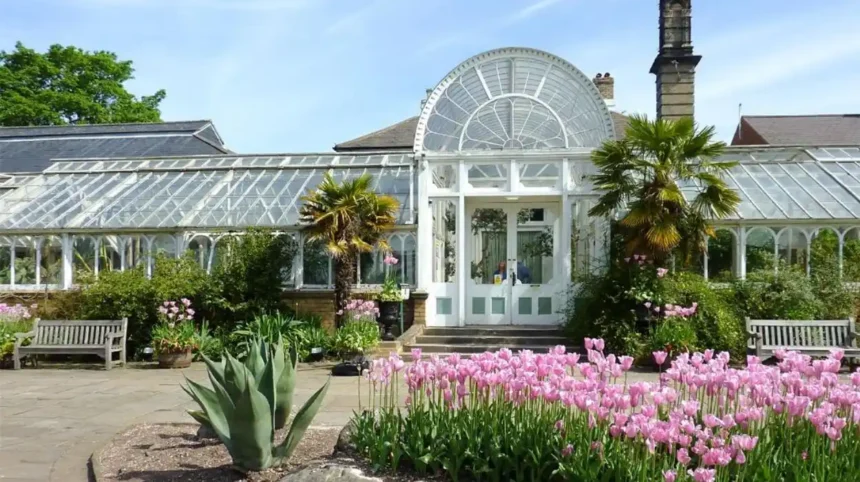
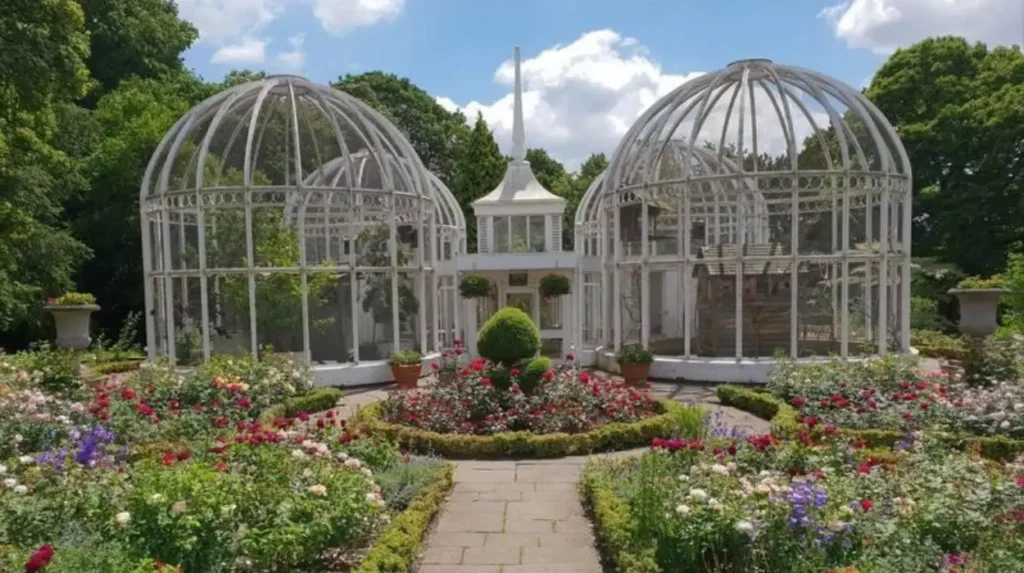
Birmingham Botanical Gardens demonstrates Victorian horticultural ambition. Established in 1832, the gardens preserve historic glasshouses, botanical collections, and landscaped grounds reflecting nineteenth-century scientific interest in global plant exploration. Spring flowering highlights thousands of cultivated species collected over nearly two centuries.
Public parks including Cannon Hill Park, Sutton Park, and Lickey Hills Country Park become particularly attractive during spring. Cannon Hill Park opened in 1873 following land donations by Louisa Ryland and illustrates Victorian beliefs that urban green spaces improved public health.
Sutton Park represents one of Europe’s largest urban parks, covering approximately 2,400 acres. Its woodlands, heathlands, wetlands, and grasslands support diverse wildlife while preserving landscapes shaped over hundreds of years. Spring provides excellent opportunities to observe seasonal biodiversity.
The city’s canals also become increasingly active during spring. Historic towpaths constructed for horse-drawn narrowboats now accommodate walkers and cyclists exploring Birmingham’s industrial heritage.
Spring weather also encourages architectural walking tours through Victoria Square, the Jewellery Quarter Conservation Area, and Colmore Row, where Victorian, Edwardian, and modern buildings illustrate Birmingham’s architectural evolution.
Educational institutions frequently organise heritage programmes during spring, making museums and historic properties particularly valuable for students studying British history, urban planning, and industrial archaeology.
Why is summer ideal for discovering Birmingham’s outdoor heritage?
Summer provides maximum daylight for exploring Birmingham’s canals, historic parks, conservation districts, open-air events, archaeological landscapes, and heritage trails while enhancing appreciation of the city’s industrial infrastructure and Victorian public spaces through extended outdoor accessibility.
Long summer days enable comprehensive exploration of Birmingham’s extensive outdoor heritage.
The Birmingham Canal Navigations extend for more than 100 miles within the metropolitan area, exceeding the canal mileage found in Venice. Constructed primarily between 1769 and the early nineteenth century, these waterways supported industrial expansion by transporting coal, iron, manufactured goods, and raw materials.
Walking alongside these canals reveals preserved locks, bridges, warehouses, and engineering features illustrating eighteenth- and nineteenth-century transport innovation.
The Jewellery Quarter remains one of Europe’s best-preserved industrial districts. More than 200 listed buildings survive within this historic neighbourhood, where jewellery manufacturing has continued since the eighteenth century. Summer allows visitors to appreciate architectural details while exploring workshops, museums, and independent businesses.
Historic cemeteries including Key Hill Cemetery and Warstone Lane Cemetery provide insights into Birmingham’s industrial elite, artists, inventors, religious leaders, and civic reformers. Their monuments also illustrate changing Victorian funerary architecture.
Summer also supports archaeological appreciation of landscapes such as Sarehole Mill, a working watermill with medieval origins. The existing mill largely dates from the eighteenth century and demonstrates pre-industrial manufacturing technologies powered by water.
Public festivals held during summer often celebrate Birmingham’s multicultural identity while using historic public spaces originally established during Victorian municipal expansion.
These activities demonstrate how preserved industrial and civic infrastructure continues serving educational and recreational purposes centuries after construction.
How does autumn highlight Birmingham’s historical character?
Autumn enhances Birmingham’s heritage through seasonal landscapes, museum exhibitions, historic libraries, conservation areas, and preserved industrial architecture while emphasising the city’s educational institutions, cultural collections, and centuries-old urban planning traditions.
Autumn creates ideal conditions for exploring Birmingham’s indoor cultural institutions alongside its historic landscapes.
The Birmingham Museum and Art Gallery preserves internationally significant collections documenting archaeology, fine art, industrial history, and local heritage. Its exhibitions explain Birmingham’s development from medieval settlement to global manufacturing centre.
The Library of Birmingham represents contemporary civic architecture while continuing a municipal commitment to public education established during the Victorian period. Earlier public libraries reflected Joseph Chamberlain’s educational reforms, and today’s institution maintains that legacy through archives, manuscripts, photographs, and local historical collections.
Autumn also enhances appreciation of Birmingham’s historic tree-lined parks. Mature oaks, beeches, chestnuts, and maples illustrate nineteenth-century landscape design principles that balanced recreation with environmental improvement.
Conservation areas including Digbeth reveal changing architectural styles spanning industrial warehouses, early factories, churches, and regenerated commercial buildings. Cooler weather supports extended walking tours through these historically significant neighbourhoods.
Autumn academic calendars also increase educational programming at museums, universities, and heritage organisations. Birmingham’s universities contribute substantially to archaeological research, industrial history, and heritage preservation.
Historic churches including St Martin in the Bull Ring illustrate centuries of religious continuity. Although rebuilt and restored multiple times, the church traces its origins to the medieval period and remains closely connected to Birmingham’s earliest marketplace.
These institutions collectively preserve documentary evidence, archaeological artefacts, architectural heritage, and cultural traditions essential for understanding Birmingham’s historical development.
What makes winter an important season for experiencing Birmingham’s cultural heritage?
Winter highlights Birmingham’s civic traditions through historic markets, theatres, museums, concert venues, illuminated public squares, and preserved Victorian shopping architecture while demonstrating how historic urban spaces continue supporting modern cultural and economic life.
Winter transforms Birmingham’s historic city centre into an active cultural landscape.
The Frankfurt Christmas Market, introduced during the late twentieth century through international partnerships, reflects Birmingham’s longstanding commercial identity while strengthening cultural relationships between Britain and Germany. It has become one of Europe’s largest authentic German Christmas markets outside Germany and Austria.
Victoria Square serves as the city’s principal civic gathering place throughout winter. Surrounded by important municipal buildings, it reflects Victorian urban planning that prioritised public engagement, government visibility, and civic pride.
The Birmingham Hippodrome continues theatrical traditions established during the nineteenth century. Modern productions occupy a site associated with more than a century of performing arts history.
Symphony Hall reinforces Birmingham’s reputation as a cultural centre. While modern in construction, it continues the city’s longstanding investment in public music, education, and artistic excellence.
Historic shopping arcades including the Great Western Arcade preserve Victorian commercial architecture. Their covered design originally protected shoppers from adverse weather while encouraging year-round economic activity.
Museums also experience increased visitation during winter because indoor exhibitions provide educational opportunities regardless of weather conditions. Permanent collections preserve industrial machinery, archaeological discoveries, artistic masterpieces, and documentary archives that explain Birmingham’s long-term historical significance.
Winter therefore demonstrates that heritage extends beyond monuments into continuing civic traditions, public celebrations, and cultural participation.
How have Birmingham’s parks and canals remained historically significant across every season?
Birmingham’s parks and canals preserve centuries of environmental planning, industrial engineering, and public health reform while continuing to support recreation, biodiversity, heritage education, and sustainable urban development throughout every season of the year.
The Birmingham Canal Navigations represent one of Britain’s greatest engineering achievements.
Originally designed to transport heavy industrial goods efficiently, the canals reduced transportation costs and accelerated economic growth across the Midlands. Their locks, aqueducts, tunnels, and reservoirs demonstrate sophisticated eighteenth-century civil engineering.
Modern conservation programmes preserve these structures while adapting towpaths for pedestrians, cyclists, and recreational boating. Historic warehouses increasingly accommodate museums, offices, housing, and hospitality businesses without erasing their industrial character.
Similarly, Birmingham’s parks originated from nineteenth-century public health reforms.
Industrial cities experienced overcrowding, pollution, and limited recreational opportunities during rapid urbanisation. Civic authorities responded by creating landscaped parks intended to improve physical health, social wellbeing, and environmental quality.
Today these green spaces support biodiversity conservation, educational activities, archaeological research, heritage interpretation, and community recreation.
Sutton Park additionally preserves nationally important habitats designated as a National Nature Reserve and Site of Special Scientific Interest. These environmental protections demonstrate how historic landscapes continue acquiring new significance through ecological conservation.
The combined preservation of canals and parks illustrates successful adaptive reuse, ensuring historical infrastructure remains relevant within contemporary urban life.
Why does Birmingham remain an important destination for cultural tourism throughout the year?
Birmingham attracts year-round cultural tourism because its preserved industrial heritage, historic architecture, educational institutions, museums, conservation programmes, festivals, and transport accessibility collectively present nearly one thousand years of continuously evolving British urban history.
Cultural tourism increasingly values authenticity, historical evidence, and educational experiences.
Birmingham satisfies these expectations through exceptionally diverse heritage assets.
Visitors encounter Anglo-Saxon origins, medieval commerce, Industrial Revolution engineering, Victorian municipal reform, twentieth-century reconstruction, and twenty-first-century regeneration within a relatively compact urban area.
The city’s museums preserve internationally important collections explaining industrial technology, decorative arts, archaeology, social history, and scientific innovation.
Its architecture illustrates changing construction techniques, planning philosophies, and economic priorities spanning multiple centuries.
Conservation organisations actively protect listed buildings, scheduled monuments, historic landscapes, archives, and industrial remains. These preservation efforts ensure future generations continue understanding Birmingham’s contribution to British and global history.
Educational partnerships between universities, museums, archives, and local authorities strengthen research while expanding public access to historical knowledge.
Improved railway connections, extensive public transport, accessible walking routes, and regenerated waterfront districts also encourage year-round visitation.
Rather than representing a single historical period, Birmingham presents continuous urban evolution. This chronological diversity distinguishes the city from destinations focused exclusively on medieval, Georgian, or Victorian heritage.
What is the lasting historical importance of experiencing Birmingham across every season?
Exploring Birmingham throughout the year reveals how historical infrastructure, preserved architecture, cultural institutions, public landscapes, and industrial heritage continue adapting to modern society while maintaining their educational, environmental, economic, and civic significance across successive generations.
Seasonal exploration offers more than changing scenery.
Each season highlights different dimensions of Birmingham’s historical identity.
Spring emphasises Victorian landscape design and botanical science.
Summer showcases canals, industrial districts, and outdoor heritage.
Autumn strengthens appreciation for museums, archives, libraries, and conservation landscapes.
Winter demonstrates the continuing importance of civic traditions, public culture, and historic commercial spaces.
Together these experiences illustrate the resilience of Birmingham’s historical development.
Nearly one thousand years after its earliest documented appearance, the city continues adapting without abandoning its heritage. Medieval marketplaces evolved into commercial districts. Industrial canals became recreational corridors. Victorian parks remain essential public assets. Museums preserve archaeological evidence while supporting contemporary education.
This continuity explains why Birmingham remains one of Britain’s most historically significant urban destinations throughout every month of the year. Its preserved heritage does not exist solely for observation. It continues shaping community identity, supporting tourism, advancing research, encouraging conservation, and demonstrating how historic cities successfully balance preservation with modern development.
Frequently Asked Question
What is the best time of year to visit Birmingham?
Birmingham is a year-round destination, with each season offering unique experiences. Spring is ideal for exploring botanical gardens and parks, summer is perfect for canal walks and outdoor festivals, autumn showcases colourful historic landscapes and museums, while winter features the famous Frankfurt Christmas Market, theatres, and festive city centre attractions.