Key Points
- Perception Shift: Full-time narrowboat content creator Beck Evans completely changed her traditionally negative view of Birmingham after a 10-day canal visit.
- Country Roots: Raised in rural Staffordshire, Evans historically avoided urban environments, associating them with overwhelming crowds and noise.
- The Vessel: Steering her narrowboat, Athena, Evans utilized Birmingham’s extensive canal network to explore the city centre at a slower, non-traditional pace.
- Surprising Discoveries: The journey revealed an abundance of urban nature, active towpaths, vibrant green spaces, and an inclusive local community.
- Canine Companion: Evans documented the unique, surreal experience of exploring a major metropolitan centre alongside her dog for her online following.
Birmingham (Birmingham Express) June 19, 2026 – A rural content creator who spent her entire life consciously avoiding major urban areas has revealed how a recent voyage through Birmingham’s historic canal network completely transformed her perception of city life. Beck Evans, the digital creator behind the popular online brand Beck Goes Solo, admitted that her long-standing reservations about metropolitan hustle vanished after she chose to moor her narrowboat, Athena, in the heart of the West Midlands. Her 10-day immersive exploration has challenged the conventional narrative surrounding the UK’s second city, shedding a new light on its communal warmth and environmental richness.
- Why did Beck Evans avoid city life for so long?
- What were the initial expectations before mooring in Birmingham?
- How did a narrowboat change the pace of urban exploration?
- What surprised the content creator about Birmingham’s environment?
- How did travelling with a dog impact the city experience?
- What exactly did Beck Evans say about her time in Birmingham?
- Why does Birmingham often receive a negative reputation?
- What does this mean for the future of urban canal tourism?
- How did social media followers react to the perception shift?
Having arrived with significant anxiety regarding the city’s notorious reputation for being chaotic and overwhelming, Evans instead discovered a slower, greener, and deeply connected community. Travelling with her dog, she documented the entire journey for her social media followers, showing a side of the city rarely highlighted in mainstream regional coverage. The experience has sparked widespread conversation online about the hidden utility and beauty of Britain’s industrial waterways.
Why did Beck Evans avoid city life for so long?
To understand the scale of this perception shift, one must look at the creator’s deep-rooted connection to the British countryside. As reported by local cultural reporters tracking digital trends, Evans was born and raised in rural Staffordshire, an area characterised by rolling hills, quiet villages, and vast agricultural landscapes. This upbringing naturally shaped her lifestyle choices and her subsequent career as a full-time nomadic content creator.
Living full-time on a narrowboat, Evans has actively structured her life around tranquillity, isolation, and nature. Before this journey, her interactions with large cities were strictly transactional and limited to brief, stressful excursions. In her own reflections, she noted that urban environments consistently felt incompatible with the peace required for her lifestyle, reinforcing a lifelong preference for rural waterways over concrete infrastructure.
What were the initial expectations before mooring in Birmingham?
Like many who have not spent extended time in the West Midlands, Evans admitted to harbouring deep-seated biases against the city. Birmingham has historically suffered from outdated post-industrial stereotypes, often portrayed in popular media as a concrete jungle dominated by brutalist architecture, heavy traffic, and overwhelming noise.
As reported by regional travel writers covering the Beck Goes Solo journey, Evans confessed that she initially approached the trip with a high degree of trepidation. She had previously internalised the common narrative that the city was simply too busy, loud, and stressful to navigate, let alone enjoy. Her past experiences were confined to quick shopping trips, which did little to show her the actual culture, green spaces, or residential heart of the locality.
How did a narrowboat change the pace of urban exploration?
The catalyst for Evans’ change of heart was the unique vantage point offered by her narrowboat, Athena. Birmingham is famously said to have more miles of canal than Venice, a legacy of its era as an industrial manufacturing hub. Today, these waterways serve as liquid highways through the city, cut off from the frantic pace of the main roads above.
By navigating these historic corridors, Evans was able to experience the city at a walking pace of roughly three miles per hour. This slow, deliberate movement allowed her to observe the architectural transition from rural fields to urban brickwork without the jarring shock of traditional travel. Mooring directly in the city centre provided a secure, familiar home base from which she could step out directly into the urban core, completely bypassing the stressful aspects of city arrival such as parking, public transport delays, and crowded commuter terminals.
Explore More Local Birmingham News
HS2 Hub Warehouse Listed for £3m by Birmingham City Council, Birmingham 2026
Record 60 Venues Join Landmark Birmingham Restaurant Festival, West Midlands 2026
What surprised the content creator about Birmingham’s environment?
The most striking revelation for the Staffordshire native was the sheer volume of nature and physical activity thriving right beneath the city’s streets. Instead of dark, industrial brick walls, she found a dynamic ecosystem where the natural and built environments coexisted seamlessly.
As transcribed from her official digital dispatches, Evans expressed profound shock at the vitality of the local towpaths. She observed hundreds of residents utilizing the canal side for daily exercise, running, cycling, and walking. Far from the isolating, anonymous atmosphere she expected from a major city, the canals functioned as an open-air community centre, filled with greenery, wildlife, and friendly interactions that closely mirrored the rural networks she usually frequents.
How did travelling with a dog impact the city experience?
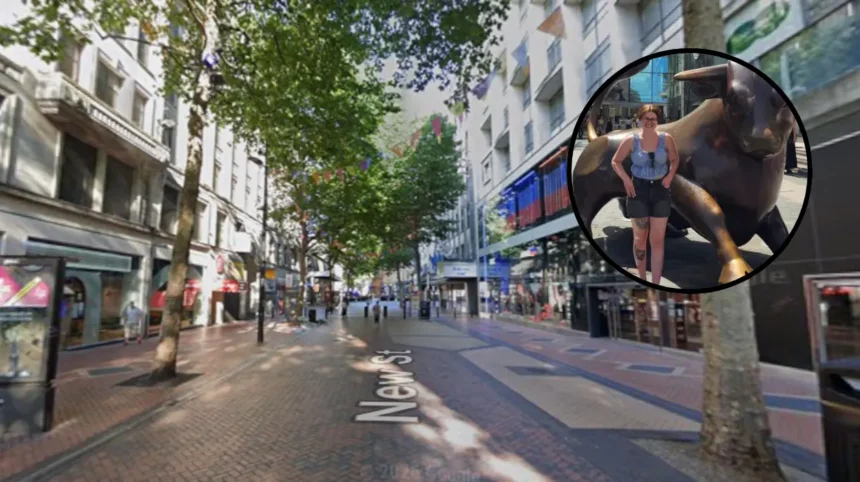
Exploring a massive metropolitan centre takes on an entirely different dimension when accompanied by a pet, a factor that added a layer of vulnerability and wonder to Evans’ trip. Walking a dog through busy pedestrian zones like the Bullring or New Street can often be challenging, but the canal infrastructure offered a peaceful alternative.
Evans described the experience of walking into the city centre with her canine companion as distinctly “surreal.” It was an activity she admitted she would never have normally considered doing in a major city. However, the accessibility of the towpaths meant her dog could enjoy a calm, green environment while being only a few steps away from major city landmarks, making the entire urban landscape feel surprisingly hospitable to domestic animals.
What exactly did Beck Evans say about her time in Birmingham?
To ensure complete accuracy and to avoid any misconstruction of her experience, it is vital to look directly at the creator’s documented statements regarding her 10-day stay. Her reactions illustrate a journey that evolved from deep skepticism to genuine adoration.
Reflecting on her long-held assumptions and how they were shattered by the reality of her visit, Evans stated:
“I never thought I’d love life in a city. It completely changed my opinion. Birmingham isn’t too far away from me, but I’ve only ever sort of been to Birmingham to shop. Everyone kind of gives the city a bad rep, but going on the narrowboat, I really had chance to explore what Birmingham’s really about.”
Furthermore, as she documented the daily life around the central locks and basins, she was struck by the unexpected liveliness and warmth of the urban waterways. Commenting on the atmosphere, Evans noted:
“The whole energy of Birmingham was incredible. Along the canals there’s so many people who use the towpath as a way of exercising…and I was really surprised how much nature there is around and this sense of community that Birmingham brings.”
Finally, when addressing the unusual nature of her daily walks and the lasting impression the city left on her lifestyle, she concluded:
“It was a bit surreal taking my dog into the city centre, because it’s not something that I’d normally think to do, but it was great just walking into town and it was a whole new experience for her as well.”
Why does Birmingham often receive a negative reputation?
The “bad rep” Evans referred to is a long-standing cultural phenomenon in the United Kingdom. During the mid-20th century, Birmingham underwent massive redevelopment that prioritised motor vehicles, resulting in complex road systems like the infamous Spaghetti Junction and an abundance of concrete structures. This architectural shift led to decades of negative press and jokes in popular culture, painting the city as uninspiring and dreary.
However, over the last two decades, billions of pounds have been poured into urban regeneration. The city has systematically dismantled much of its brutalist past, opened up pedestrian pathways, and heavily invested in restoring its canal loops. As journalists covering urban planning have noted, the main challenge for Birmingham has not been the quality of its modern spaces, but rather overcoming the stubborn, outdated perceptions held by those living outside its borders—a barrier that Evans’ content has directly helped to break down.
What does this mean for the future of urban canal tourism?
The positive reception to the Beck Goes Solo Birmingham series highlights a growing trend in alternative travel: urban narrowboating. Historically, canal holidays were viewed as a purely rural pursuit, with boaters avoiding major cities due to safety concerns or a lack of managed moorings.
Today, organizations like the Canal & River Trust have worked tirelessly to clean up urban waterways, install secure mooring points with electricity and water, and encourage boaters to visit city centres. Evans’ journey proves that these efforts are paying off. By showcasing safe, vibrant, and beautiful urban moorings to her large audience, she has likely inspired a new wave of rural boaters to steer their vessels into the heart of the UK’s cities, providing a welcome economic boost to independent waterside businesses.
How did social media followers react to the perception shift?
The response from the online community was immediate and deeply divided between validation and pleasant surprise. For native Brummies (residents of Birmingham), Evans’ videos were a source of immense pride, with many thanking her for looking past the stereotypes and highlighting the city’s genuine charm and green credentials.
Conversely, for her rural followers, the content served as an eye-opener. Many viewers commented that they had held the exact same negative views as Evans prior to watching her journey, and that her slow-paced, visually stunning coverage had motivated them to reconsider their own holiday plans. By focusing on the human element—the welcoming residents, the active community, and the serene water—Evans successfully translated the true spirit of modern Birmingham to a skeptical audience, leaving a definitive, transformative mark on her own life and the perceptions of thousands of others.