Key Points
- US Senator Tommy Tuberville released a new campaign ad for governor pledging to deploy the Alabama National Guard on his first day in office.
- The ad names three cities, calling Montgomery a “war zone” and describing Mobile and Birmingham as “dangerous.”
- Tuberville also promised to recruit more police officers, pass strict penalties for child abusers, and increase oversight of local judges and district attorneys.
- Mayors Spiro Cheriogotis of Mobile and Randall Woodfin of Birmingham, along with Montgomery leadership, rejected the plan and said military forces are not needed.
- The commercial formalises statements about deploying troops that Tuberville has made on conservative radio programs over the past year.
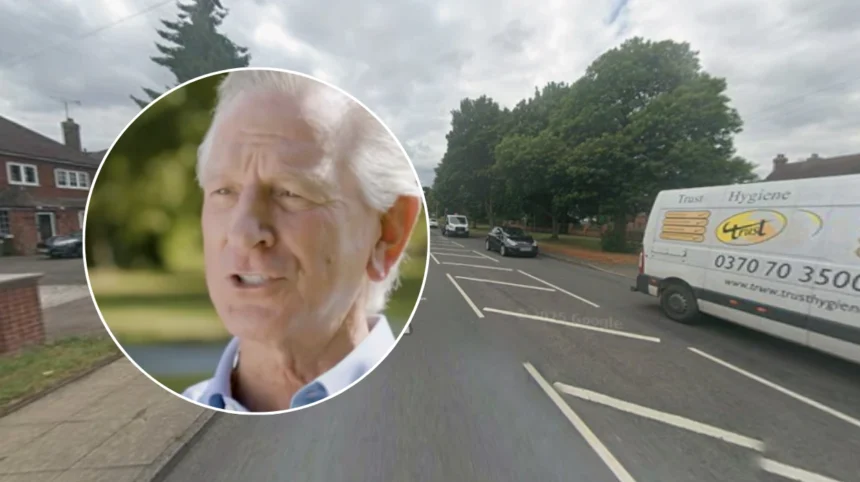
MONTGOMERY (Birmingham Express) October 1, 2026 — As reported by Caleb Taylor of 1819 News, United States Senator Tommy Tuberville (Republican, Auburn) released a new campaign advertisement this week for his gubernatorial run, stating, Don’t think I won’t send in the National Guard on Day 1.
- Key Points
- What Did Tommy Tuberville Promise in His Latest Campaign Advertisement?
- How Have Local Mayors and Officials Responded to the Announcement?
- What Context Preceded the National Guard Campaign Proposal?
- Background of the Particular Development
- Prediction: How This Development Can Affect the Particular Audience
The Republican nominee for Governor of Alabama unveiled the high-profile media campaign to highlight an aggressive public safety platform targeting the state’s major metropolitan centers.
The political spot, released across television and digital platforms across Alabama, explicitly singles out the municipalities of Montgomery, Mobile, and Birmingham. The commercial outlines a platform focused on executive intervention in local law enforcement, judicial oversight, and law enforcement recruitment.
What Did Tommy Tuberville Promise in His Latest Campaign Advertisement?
In the newly broadcast commercial, Tuberville outlines a broad vision for executive action focused heavily on public safety and military deployment.
As reported by Caleb Taylor of 1819 News, Tuberville stated in the commercial: “I’m going to make sure Alabama’s communities are safe. Montgomery, it’s a war zone. Mobile, Birmingham… dangerous. These criminals will pay the price for hurting our cities”.
Beyond the deployment of military personnel, the advertisement frames military intervention as part of a multi-pronged overhaul of the state’s criminal justice operations.
As noted by Caleb Taylor of 1819 News, Tuberville added: “As your governor, I’ll personally recruit a new generation of law enforcement officers, institute the nation’s harshest penalties for child abusers and bring accountability to judges and district attorneys. Don’t think I won’t send in the National Guard on Day 1”.
The advertisement underscores Tuberville’s intention to use gubernatorial authority over state law enforcement mechanisms and the Alabama National Guard directly on his first day in executive office.
How Have Local Mayors and Officials Responded to the Announcement?
Municipal leaders in the targeted cities have pushed back against the campaign ad, arguing that local police forces are equipped to handle municipal crime and that military units are ill-suited for urban policing.
As reported by Caleb Taylor of 1819 News, Mobile Mayor Spiro Cheriogotis rejected the necessity of troops, stating to local press on Wednesday that the National Guard was not needed in Mobile.
Municipal leaders in Birmingham have echoed similar sentiments regarding executive intervention in municipal policing. As documented by Caleb Taylor of 1819 News, Birmingham Mayor Randall Woodfin previously addressed Tuberville’s proposals by stating, “I’m not sure what the guard will be needed for”.
All three mayors representing Montgomery, Mobile, and Birmingham have consistently rejected external calls for National Guard deployments within their municipal jurisdictions.
What Context Preceded the National Guard Campaign Proposal?
As reported by Grayson Everett of Yellowhammer News, Tuberville’s ad represents the formalisation of rhetoric he has maintained across conservative broadcasts for more than a year. Tuberville previously characterized the state capital as a “war zone” following a high-profile downtown shootout in October that left two individuals dead and 12 injured.
As recorded by Grayson Everett of Yellowhammer News, when questioned in January on WVNN’s The Dale Jackson Show regarding whether he still intended to deploy troops to Alabama cities, Tuberville responded: “100% Dale, they’ve had two shootings the last two nights. They had somebody killed the night before and four people shot two nights ago. It’s a war zone, and what’s going on there?”
This proposal aligns with broader national conservative platform discussions regarding state executive authority over urban public safety. However, local leaders maintain that city-level policing strategies and judicial proceedings remain the appropriate mechanisms for managing crime rates.
Background of the Particular Development
The activation of state National Guard units for domestic law enforcement falls under the direct authority of state governors via Title 32 of the United States Code, or state-level emergency statutory powers. Historically, state executives have activated National Guard personnel for public safety purposes primarily during natural disasters, civil unrest, or temporary state-declared emergencies.
Using the Guard for routine urban law enforcement represents a significant shift from traditional deployment models, which typically reserve military personnel for secondary support—such as traffic management, perimeter security, or disaster relief—rather than active patrol or arrest duties.
In Alabama, urban crime rates in major metropolitan areas like Montgomery, Birmingham, and Mobile have remained central to political debates during state electoral cycles. Local administrations have generally advocated for community-oriented policing, increased police pay, and targeted violence-intervention programs.
Conversely, conservative state candidates have increasingly focused on state intervention, criticizing local district attorneys and municipal judges for pre-trial release policies and bond conditions. Tuberville’s advertisement brings this tension between municipal authority and state executive power into direct focus ahead of the upcoming gubernatorial election.
Prediction: How This Development Can Affect the Particular Audience
The implementation or continuation of this proposal primarily impacts three main audience segments across Alabama: municipal residents, law enforcement personnel, and local political leadership.
- Metropolitan Residents and Business Owners: For residents in Montgomery, Mobile, and Birmingham, the potential deployment of National Guard troops on “Day One” could lead to an increased uniformed military presence in commercial and residential districts. Proponents suggest this could act as an immediate visual deterrent to street crime and boost public confidence. Conversely, critics argue that military patrols could negatively impact local commerce, tourism, and community trust, creating an environment akin to martial law in urban centers.
- National Guard Personnel and Law Enforcement: Deploying National Guard forces to supplement urban police departments requires specific civil-disturbance and law-enforcement training. Guard members—who are largely traditional, part-time service members—could face extended deployments or shifts in operational duties, impacting their civilian careers and personal lives. Additionally, local police departments would need to establish joint command structures with military officers, creating potential logistical and jurisdictional complexities.
- Local Municipal Leaders and Judicial Officers: The platform’s emphasis on bringing accountability to judges and district attorneys signals heightened state oversight over municipal justice systems. If implemented, state executive policies could spark legal challenges regarding municipal autonomy, home-rule provisions, and the constitutional separation of powers between state executives and local judicial authorities.