Key Points
- Mohamed Gulraiz, 32, of Fleet Street in the Jewellery Quarter, faces charges of conspiracy to supply Class A drugs.
- West Midlands Police seized around £650,000 in cash and illegal drugs during a raid in the city centre.
- The raid was part of a wider police operation targeting organised crime groups and County Lines networks in Birmingham.
- Officers arrested Gulraiz at the scene, and he will appear at Birmingham Magistrates’ Court.
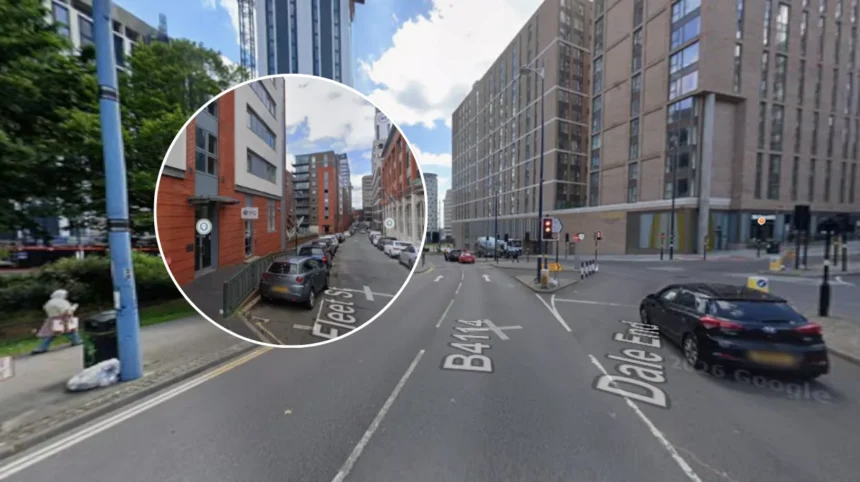
JEWELLERY QUARTER (Birmingham Express) September 18, 2026 — A 32-year-old Birmingham resident has been formally charged after law enforcement officers recovered more than £650,000 in cash and suspected Class A controlled substances during a targeted raid in the historic Jewellery Quarter. Mohamed Gulraiz, whose address was given as Fleet Street, was taken into custody by West Midlands Police officers following the execution of a search warrant at a residential property in the area. He faces counts relating to conspiracy to supply Class A drugs.
What Led to the Police Operation in the Jewellery Quarter?
According to reporting by news journalists at local media outlets, the high-value recovery was executed as part of an intelligence-led operation targeting suspected commercial-scale drug distribution within the city centre. Detectives and specialist entry units gained access to the Fleet Street premises, where searches yielded significant quantities of suspected illicit substances alongside substantial sums of bank notes totaling £650,000.
The seizure forms part of broader proactive policing strategies across the West Midlands aimed at curbing organized crime groups (OCGs) that utilise residential city-centre properties to store and distribute controlled drugs.
As detailed in statements released by West Midlands Police, officers secured the scene for forensic examinations immediately following the raid, leading to the preliminary charges brought against Gulraiz.
How Does This Seizure Align With Regional Crime Countermeasures?
As highlighted by West Midlands Police media releases, law enforcement agencies across the region have intensified searches, vehicle stops, and property raids aimed at dismantling distribution networks. Detective Inspector Mark Robinson of the County Lines Taskforce previously noted in regional crime briefings that police units remain focused on shutting down lines dealing heroin, cocaine, and cannabis, which generate substantial criminal revenue and inflict harm on local communities.
The recovery in the Jewellery Quarter mirrors several recent enforcement actions across Birmingham and surrounding boroughs, where multi-agency operations have targeted central transport hubs, residential properties, and commercial fronts used for suspected money laundering and drug distribution.
Background of the Particular Development
The Jewellery Quarter, traditionally renowned as a historic manufacturing and commercial district within Birmingham, has in recent years seen increased residential development, with modern apartment complexes built alongside historic workshops. Regional law enforcement data indicates that organized crime networks occasionally seek to exploit high-density urban residential locations—such as apartment blocks in central urban zones—due to the anonymity offered by large residential developments.
Over the past 24 months, West Midlands Police and the National Crime Agency (NCA) have repeatedly targeted organized crime groups operating across central Birmingham, Lozells, Handsworth, and adjacent areas. Previous long-term investigations, including operations targeting the high-volume ‘Smila’ Class A drugs line, resulted in the recovery of over £1.4 million in illegal substances and cash, culminating in custodial sentences for multiple gang members. The latest action on Fleet Street highlights a continuing pattern of targeted enforcement against high-value assets and stash houses within the city’s central ring road.
Prediction: How This Development Can Affect Local Residents and Businesses
The successful execution of a major drugs and cash recovery in the Jewellery Quarter is likely to have several tangible effects on local stakeholders:
- Impact on Local Residents: Residents living within Fleet Street and the broader Jewellery Quarter are likely to experience an increased, visible police presence as follow-up inquiries and community reassurance patrols continue. While the raid highlights criminal activity in the vicinity, successful enforcement actions generally contribute to enhanced public safety by disrupting localized criminal activity and removing illegal substances from circulation.
- Impact on Commercial Property and Businesses: Business owners and property landlords in the area may face stricter vetting procedures and enhanced scrutiny from local neighbourhood policing teams. Authorities frequently liaise with residential letting agencies and landlord associations following major residential raids to prevent properties from being let to individuals operating front accounts or illicit distribution hubs.
- Impact on Criminal Networks: The forfeiture of £650,000 in cash and illicit inventory represents a critical financial blow to the involved criminal enterprise. In line with comments from National Crime Agency operations managers during similar cash seizures, removing substantial liquid assets prevents organized crime groups from reinvesting profits into further trafficking operations, thereby temporarily destabilizing local supply chains.