Choosing between city centre and suburban living is a primary lifestyle decision that impacts personal finances, daily commutes, long term housing equity, and overall physical health. Urban and suburban areas represent two distinct real estate environments with contrasting population densities, infrastructure designs, and economic profiles.
- What Are the Key Differences Between City Centre and Suburban Living?
- How Do Housing Costs Compare Between City Centres and the Suburbs?
- What Are the Transportation and Commute Differences Between City and Suburbs?
- How Does Access to Amenities Differ in City Centres Versus Suburbs?
- Which Environment Offers Better Schooling and Family Development Options?
- How Do Property Values and Investment Returns Compare Between City and Suburbs?
- How Do Social Life and Community Dynamics Differ Between Urban and Suburban Areas?
- What Are the Health and Lifestyle Impacts of City Centre Versus Suburban Living?
- How Will Future Trends Shape the Choice Between City Centre and Suburban Living?
- Is it cheaper to live in the city without a car or in the suburbs with a car?
- Why are so many young families moving from city centers to the suburbs?
- How do you adapt to the noise and fast pace of city centre living?
- Will suburban property values drop as more people prefer walkable urban areas?
- Is living in the suburbs isolating for single professionals?
City centre living prioritizes proximity to business districts, cultural amenities, high speed public transportation, and dense commercial corridors. Suburban living offers lower residential density, larger home floor plans, direct access to private yard spaces, and localized public school systems.
Understanding the structural differences between city centre and suburban locations requires analyzing market data, spatial geography, and individual financial trajectories. This analysis examines cost differences, lifestyle outcomes, commuting requirements, property value retention, and long term health factors to guide your residential choice.
What Are the Key Differences Between City Centre and Suburban Living?
City centre living provides high population density, superior transit access, walkability, and smaller residential spaces, whereas suburban living offers lower housing density, larger single family homes, private land ownership, car dependent infrastructure, and lower average cost per square foot for real estate buyers.
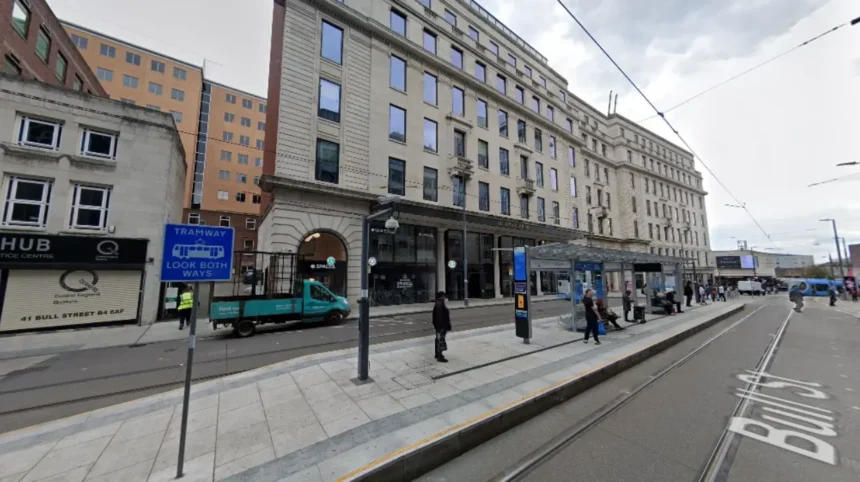
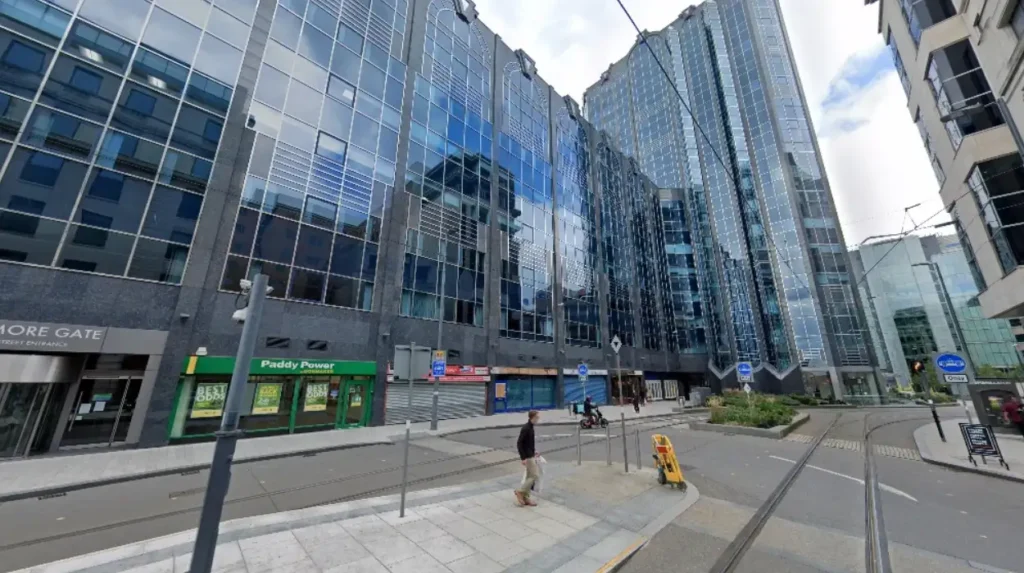
City centres, or central business districts, feature high rise multi family residential buildings integrated directly with commercial retail spaces and professional offices. Urban geography emphasizes vertical density, reducing physical distances between residential housing units, employment hubs, primary healthcare facilities, and recreational entertainment venues.
Cities rely on public transit infrastructure, including underground subway lines, light rail systems, municipal bus networks, and protected bicycle lanes. Urban residents frequently navigate daily routines without private motor vehicles, which reduces individual transportation expenses while placing a premium on square footage cost within residential apartment structures.
Suburbs consist of low density residential communities situated on the periphery of major municipal metropolitan boundaries. Suburban real estate emphasizes detached single family dwellings, multi car garages, private residential lawns, and master planned neighborhood developments featuring suburban shopping centres and localized parks.
Suburban infrastructure relies heavily on highway networks, personal automobile transport, and arterial roadway systems. Lower land acquisition costs allow developers to construct larger single family residences, offering families expanded indoor living space, multiple bedrooms, private storage options, and dedicated outdoor green spaces.
Urban and suburban areas display clear architectural, spatial, and socioeconomic distinctions across regional property markets. The choice between these two environments shapes daily routine, household budgets, structural maintenance responsibilities, and community interactions for property owners and renters alike.
How Do Housing Costs Compare Between City Centres and the Suburbs?
City centre real estate commands significantly higher acquisition costs per square foot due to land scarcity, whereas suburban properties offer substantially larger lot sizes, expanded home square footage, higher overall affordability ratios, and lower monthly rental rates across equivalent floor plans.
Urban real estate pricing is driven by commercial land scarcity and high demand for central location access. Buyers and renters in city centres pay a premium for absolute position, resulting in higher purchase prices and rent rates per unit of interior space.
City centre housing stock consists primarily of condominiums, co-op apartments, and rented flats. High utility efficiency in modern high rise buildings can reduce monthly energy bills, but homeownership association fees, condo fees, and parking space rental costs frequently offset these interior utility savings.
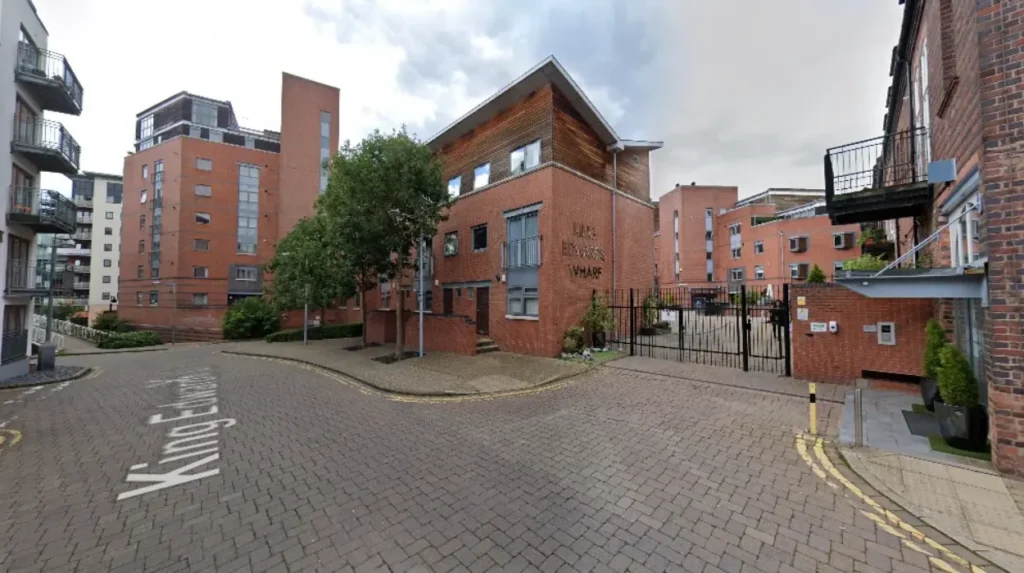
Suburban housing markets provide greater space efficiency for capital invested, yielding higher square footage per dollar. Suburban property buyers acquire larger interior floor plans along with private exterior lot acreage, driving lower average costs per square foot compared to core urban neighborhoods.
Suburban property ownership introduces higher recurring maintenance obligations, including roof repairs, private driveway upkeep, landscaping costs, and lawn care. Larger home sizes also lead to higher seasonal heating and cooling expenditures, which increases average household operational budgets over time.
Financial comparisons require evaluating raw property purchase prices, long term mortgage interest burdens, square footage needs, HOA fees, property taxes, and home maintenance obligations. Evaluating these distinct expense categories enables prospective buyers to determine true overall cost efficiency.
What Are the Transportation and Commute Differences Between City and Suburbs?
City centre residents utilize public transportation, cycling infrastructure, and walking networks for rapid daily travel, while suburban residents depend almost exclusively on private personal automobiles, encountering longer overall commute times, highway traffic, and vehicle ownership expenses.
Urban infrastructure prioritizes walkable city design, multi modal transport hubs, high frequency bus lines, and rapid transit rail. Residents living in central urban districts frequently eliminate personal automobile ownership entirely, removing car loans, auto insurance, fuel costs, and monthly parking expenses from their budgets.
Short travel distances in city centres allow residents to reach workplace locations, grocery stores, and medical care providers within brief walking or transit windows. Reduced dependence on private vehicle travel contributes to predictable daily commute schedules unaffected by major highway traffic jams.
Suburban living depends fundamentally on private motor vehicle transportation for daily errands, school drops, and workplace commutes. Suburban households often maintain multiple motor vehicles, resulting in ongoing auto loan payments, vehicle registration fees, fuel purchases, routine mechanical maintenance, and auto insurance costs.
Suburban commuters traveling into central business districts frequently experience major traffic congestion during peak rush hours, extending daily travel times. Long vehicle commutes increase wear and tear on private automobiles while adding stress and operational costs to daily household schedules.
Evaluating transportation costs requires comparing municipal transit passes against comprehensive motor vehicle ownership expenses. Factoring travel time, fuel consumption, parking availability, and maintenance costs reveals the total economic impact of each residential location’s transportation network.
How Does Access to Amenities Differ in City Centres Versus Suburbs?
City centres offer immediate walkable access to cultural institutions, diverse dining establishments, nightlife venues, and major employment centers, while suburbs feature large retail shopping complexes, private recreational facilities, community parks, and specialized youth athletic centers.
Urban neighborhoods place residents within walking distance of diverse culinary options, museum institutions, performing arts theaters, concert venues, and professional sports arenas. High commercial density ensures rapid access to specialty retail storefronts, boutique fitness studios, and healthcare specialists.
City access operates on high physical convenience, where essential daily services are situated within a short radius of residential property entryways. Micro mobility options, including electric scooters and rideshare fleets, further accelerate travel across urban commercial corridors.
Suburban environments organize amenities around centralized commercial strip malls, large suburban shopping centers, regional big box retailers, and corporate business parks. Reaching these services requires short driving trips along regional arterial roads rather than walking or riding local transit.
Suburban amenities cater extensively to family oriented activities, offering neighborhood community centers, public swimming pools, expansive sports fields, and public park systems. Suburban layouts accommodate large scale recreational complexes, youth sports leagues, and private athletic facilities that require substantial physical land area.
The choice between urban and suburban amenities depends on personal lifestyle preferences, daily routine priorities, and desired leisure activities. Urban living delivers immediate access to cultural diversity, while suburban living provides spacious recreational facilities tailored for families.
Which Environment Offers Better Schooling and Family Development Options?
Suburban communities generally offer higher ranked public school districts, lower crime rates, expansive public parks, and child friendly neighborhood layouts, whereas city centres provide direct exposure to diverse cultural institutions, specialized magnet programs, and varied educational options.
Suburban municipalities fund public school districts primarily through localized property taxes, often leading to modern campus facilities, lower student to teacher ratios, advanced academic coursework, and extensive athletic extracurricular programs. Suburban neighborhoods feature low vehicle traffic speeds, cul-de-sacs, and dedicated playground zones.
Suburban environments offer children easy access to personal private yards, quiet neighborhood streets, and community youth sports leagues. Lower physical crime rates and lower overall population density provide a predictable environment for young families raising children.
City centre living exposes children to diverse cultural environments, historical institutions, public libraries, science museums, and international art centers. Urban school options often include specialized public magnet schools, private preparatory academies, charter programs, and specialized arts education institutions.
Urban residential living requires families to adapt to smaller interior living spaces, shared common areas, elevated outdoor ambient noise levels, and higher pedestrian traffic. City parents frequently rely on public parks, city playgrounds, and community centers to substitute for private yard space.
Selecting the optimal environment for family development requires balancing public school performance metrics, safety considerations, interior living space, and exposure to rich cultural educational resources. Families must assess which structural setting best aligns with their long term parenting strategies.
How Do Property Values and Investment Returns Compare Between City and Suburbs?
City centre real estate historically demonstrates higher property value appreciation rates and elevated rental yield demand, whereas suburban real estate provides long term stability, consistent capital growth, and reliable equity accumulation across changing economic cycles.
Urban real estate appreciation is sustained by land constraints in primary economic centers. High tenant demand from young working professionals, corporate executives, and international buyers maintains strong rental income yields and capital growth for urban property investors.
City centre property values experience rapid appreciation during economic expansion periods due to intense commercial interest. Urban real estate markets can show price volatility during economic shifts, but core central business districts consistently maintain fundamental land value over extended time horizons.
Suburban property markets offer stability and consistent long term capital growth, supported by steady demand from expanding families and relocations. Suburban single family homes with private land ownership hold strong appeal for long term owner occupiers seeking financial stability.
Suburban real estate value is tied to school district quality, regional economic development, local crime statistics, and regional transportation access. While suburban property values may appreciate at a steady pace, land availability on peripheral urban edges can increase total housing supply, moderating rapid price growth.
Evaluating investment returns requires weighing urban rental income yields and capital appreciation against suburban equity stability, lower per square foot entry prices, and overall property market resiliency. Investors must align property selections with their specific portfolio goals and time horizons.
How Do Social Life and Community Dynamics Differ Between Urban and Suburban Areas?
City centres offer fast paced, high density social interactions with diverse populations and vibrant nightlife networks, whereas suburbs foster close knit, neighborhood oriented communities centered around schools, local clubs, and family social groups.
Urban social dynamics are characterized by broad diversity, casual spontaneous interactions, and active community engagement across mixed use spaces. High population density allows residents to connect with specialized interest clubs, international cultural associations, professional networking organizations, and social nightlife venues.
City residents frequently build social connections in third spaces, including neighborhood coffee shops, local dining spots, fitness studios, and public park corridors. Urban lifestyle arrangements favor independence, career networking, and continuous engagement with city culture.
Suburban social life revolves around organized community structures, neighborhood homeowners associations, youth sports leagues, and local public school events. Low density residential street layouts encourage planned social gatherings, private backyard barbecues, and localized community volunteering.
Suburban environments often foster familiar long term relationships among neighbors sharing similar family structures and stage of life goals. Community interaction is centered around residential streets, local park districts, and community recreational facilities.
Choosing between urban and suburban social dynamics depends on personal social preferences, life stage needs, and desired levels of neighborhood interaction. Urban living offers continuous variety and career networking, while suburban living provides structured, family focused community bonds.
What Are the Health and Lifestyle Impacts of City Centre Versus Suburban Living?
City centre living encourages routine physical activity through daily walking and cycling, but exposes residents to higher noise levels and air pollution, while suburban living offers lower ambient noise and private outdoor space, but increases sedentary driving habits.
Urban lifestyle design promotes daily cardiovascular movement, as residents regularly walk to transit stops, retail grocery shops, and professional offices. High walkability metrics correlate with increased daily step counts, supporting overall physical health and active daily routines.
City living introduces environmental stressors, including higher ambient traffic noise, elevated population density, and increased concentration of urban air pollutants. Urban dwellers must also adapt to elevated urban heat island effects and limited immediate access to private natural green space.
Suburban living provides quiet residential settings, reduced ambient noise pollution, private green space access, and lower population density, which can contribute to reduced stress levels and restful sleep. Easy access to personal backyards and regional parks encourages outdoor family recreation.
Suburban dependency on private motor vehicles increases daily sitting time and reduces incidental physical exercise. Long car commutes contribute to sedentary routines, requiring suburban residents to plan exercise activities at local gyms or private fitness facilities deliberately.
Assessing health impacts requires balancing urban walking habits against suburban environmental benefits like cleaner air, private outdoor spaces, and peaceful living conditions. Personal health priorities determine which environment best supports individual well-being goals.
How Will Future Trends Shape the Choice Between City Centre and Suburban Living?
Advances in remote workplace arrangements, electric vehicle infrastructure, smart city transit technology, and green urban planning are blurring the functional boundaries between city centre and suburban living environments.
Remote and hybrid work models have transformed traditional commuting dynamics, allowing professionals to live further from central business districts. Suburban communities are increasingly attracting remote workers who prioritize larger home office space without sacrificing regional job access.
Suburban areas are evolving to incorporate urban design elements, creating suburban town centers that combine high density apartment living, walkable shopping streets, and local dining options. These micro urban developments deliver urban conveniences within low density suburban regions.
City centres are investing in urban greening initiatives, expanded public park systems, pedestrian only street zones, and advanced noise reduction architecture. Micro mobility networks, including electric bicycles and automated public transit systems, are improving internal urban transport efficiency.
Environmental sustainability initiatives are transforming both urban and suburban infrastructure models. Electric vehicle charging networks are expanding across suburban garages, while urban buildings adopt green energy standards and vertical farming systems to reduce environmental impacts.
Future residential choices will depend less on strict geographic trade offs and more on personalized lifestyle preferences. Technological innovation and flexible work structures enable individuals to find living environments that blend city convenience with suburban space.
Is it cheaper to live in the city without a car or in the suburbs with a car?
Living in the city without a car can often equalize or lower overall monthly living expenses compared to suburban living with vehicle costs. Eliminating auto loans, car insurance, maintenance fees, and gas expenses frees up substantial budget space that can offset higher urban rent costs.
Why are so many young families moving from city centers to the suburbs?
Young families move to the suburbs primarily seeking larger interior living spaces, private yards, top rated public school districts, and lower crime rates. As children grow, the need for multiple bedrooms and safe outdoor play areas often outweighs the convenience of central city living.
How do you adapt to the noise and fast pace of city centre living?
Adapting to city noise involves investing in soundproofing solutions such as blackout noise reducing curtains, white noise machines, and high quality acoustic window inserts. Developing personal daily routines, utilizing local green parks, and setting quiet home hours help manage urban stress.
Will suburban property values drop as more people prefer walkable urban areas?
Suburban property values remain resilient because long term demand is anchored by expanding families, stable public schools, and private land ownership. Modern suburban developments are incorporating walkable town centers, which helps preserve land equity while meeting demand for walkable amenities.
Is living in the suburbs isolating for single professionals?
Suburban living can feel isolating for single professionals due to lower population density, car dependent infrastructure, and social structures centered around schools and families. Single adults in suburbs often need to make deliberate efforts to join regional sports leagues, clubs, or commuting networks to maintain an active social life.