NHS urgent care services in Birmingham provide immediate medical attention for non-life-threatening illnesses and injuries that require same-day assessment. Accessing these services requires navigating the NHS 111 triage process or attending designated Urgent Treatment Centres across the metropolitan district.
- What Are NHS Urgent Care Services in Birmingham?
- How Does NHS 111 Direct Patients to Urgent Care in Birmingham?
- Where Are the Key Urgent Treatment Centres Located in Birmingham?
- When Should You Visit Urgent Care Instead of A&E in Birmingham?
- What Medical Conditions Are Treated at Birmingham Urgent Care Facilities?
- Do you need an appointment to attend an NHS Urgent Treatment Centre in Birmingham?
- Are Birmingham NHS urgent care centres open 24 hours a day?
- Can tourists or non-registered residents use urgent care services in Birmingham?
- What should you bring when visiting a Birmingham urgent care centre?
- Is x-ray imaging available at all Birmingham urgent care locations?
National Health Service urgent care facilities across the United Kingdom were modernized under the General Medical Services contract reforms of 2004, which introduced dedicated walk-in centres to relieve pressure on accident and emergency departments.
In Birmingham, the local healthcare framework is managed by the NHS Birmingham and Solihull Integrated Care Board. This network oversees local primary care hubs, community health facilities, and hospital-based emergency units.
Urgent care infrastructure in Birmingham consists of three main operational tiers: NHS 111 telephone and online triage, Urgent Treatment Centres, and hospital Emergency Departments.
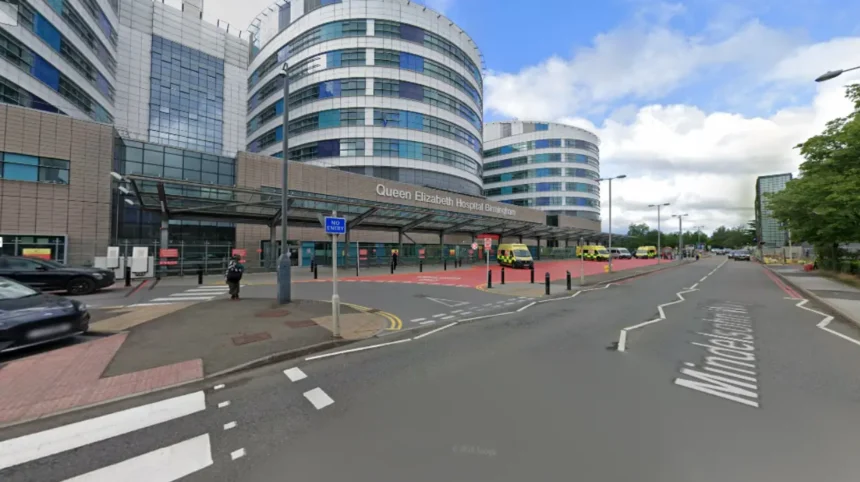
Urgent Treatment Centres cater to minor fractures, sprains, wound closure, minor burns, and sudden onset infections. Emergency Departments located at Queen Elizabeth Hospital, Heartlands Hospital, and City Hospital focus exclusively on severe trauma and life-threatening medical emergencies.
Accessing urgent care involves contacting NHS 111 online or by telephone for clinical evaluation and appointment scheduling. Patients evaluated through NHS 111 receive a designated arrival time at a nearby Urgent Treatment Centre, minimizing waiting times. Walk-in attendance without pre-booking remains available at select sites, though prioritized booking through NHS 111 ensures timely clinical consultation.
The integration of digital triage systems has transformed patient routing across the West Midlands urban region. Providing standardized urgent treatment options reduces overcrowding in acute hospital wards while ensuring appropriate clinical intervention for community residents. Future developments in regional healthcare emphasize enhanced digital screening and expanded diagnostic capacity within Urgent Treatment Centres.
What Are NHS Urgent Care Services in Birmingham?
NHS urgent care services in Birmingham are designated healthcare facilities designed to evaluate and treat non-life-threatening medical conditions requiring same-day clinical attention. These facilities bridge the operational gap between routine general practice surgeries and acute hospital emergency departments.
The National Health Service established walk-in centres across England starting in the year 2000 to provide accessible primary care without prior registration. Over subsequent decades, NHS England standardized these facilities into Urgent Treatment Centres equipped with diagnostic tools including digital X-ray capabilities and point-of-care blood testing.
The structural framework of Birmingham urgent care includes community-based primary care centres and hospital-adjacent treatment units. Key facilities in the region include Katie Road Urgent Treatment Centre in Selly Oak, Washwood Heath Urgent Treatment Centre, and Warren Farm Urgent Treatment Centre in Kingstanding. Each facility operates under strict clinical governance standards set by the Care Quality Commission.
Patients access these services through direct walk-in presentation or via referral from NHS 111 triage clinicians. Upon arrival, a triage nurse performs an initial assessment to categorize clinical urgency. Diagnostics such as physical examination, electrocardiograms, and basic imaging are performed on-site to determine whether to treat the patient immediately or transfer them to secondary care.
The presence of accessible urgent care facilities in high-density urban areas like Birmingham ensures equitable access to healthcare for non-registered residents, temporary visitors, and vulnerable populations.
These centres maintain consistent operational hours, typically running 12 to 14 hours per day throughout the year. As primary care demand increases, Urgent Treatment Centres serve a vital role in local healthcare sustainability.
How Does NHS 111 Direct Patients to Urgent Care in Birmingham?
NHS 111 directs patients to urgent care in Birmingham by evaluating reported symptoms through a standardized algorithmic assessment tool to assign appropriate medical care. This system schedules timed appointments at local Urgent Treatment Centres to streamline patient intake.
The NHS 111 service was introduced across England between 2011 and 2014, replacing the legacy NHS Direct phone line. The primary goal of this service was to centralize non-emergency medical contact into a single, free-to-call service operating 24 hours a day, 365 days a year.
The service infrastructure relies on trained health advisors and integrated clinical teams consisting of registered nurses, paramedics, and pharmacists. System algorithms query the caller regarding symptom onset, pain levels, and medical history. This process assigns a disposition code ranging from immediate emergency ambulance dispatch to self-care advice or same-day urgent treatment booking.
When an Urgent Treatment Centre disposition is selected, the NHS 111 platform accesses real-time booking schedules across Birmingham facilities. The system reserves an arrival slot at sites such as Erdington Urgent Treatment Centre or South Birmingham GP Urgent Treatment Centre. The patient receives confirmation detailing the location, time slot, and preliminary guidance regarding their visit.
This centralized directory system prevents excessive crowding at centralized emergency departments while directing patients to the nearest operational site. Integrating clinical triage into patient routing improves resource allocation across the NHS Birmingham and Solihull Integrated Care Board network. Continued enhancements to digital 111 platforms allow users to complete symptom assessments via online web portals and mobile applications.
Where Are the Key Urgent Treatment Centres Located in Birmingham?
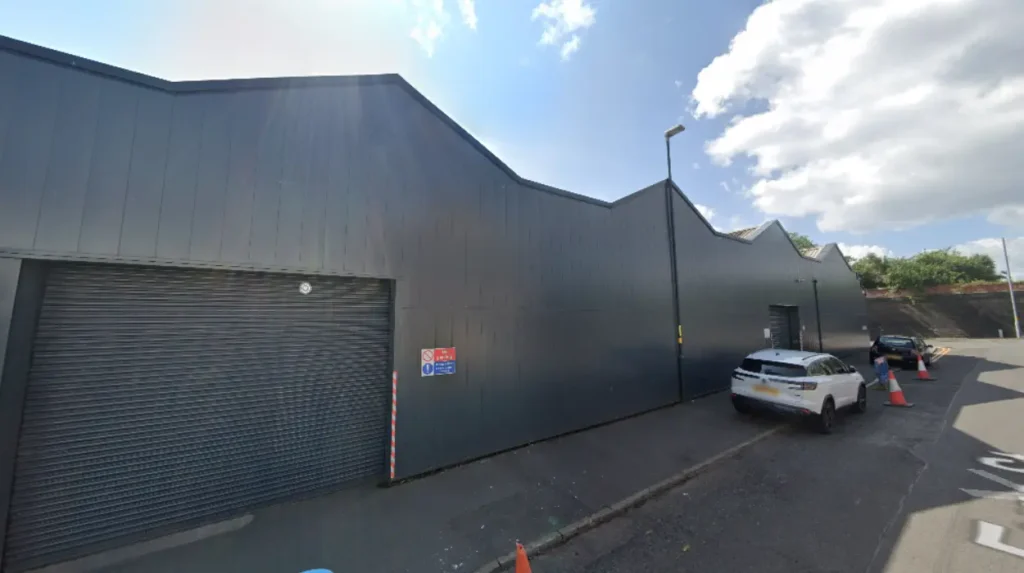
Key Urgent Treatment Centres in Birmingham are strategically distributed across major geographical sectors including Selly Oak, Washwood Heath, Erdington, and the city centre. These facilities provide geographically accessible medical coverage for the entire metropolitan area.
The geographic distribution of Birmingham medical facilities evolved alongside urban expansion during the 20th and 21st centuries. Infrastructure planners situated urgent care hubs near primary transport corridors to service densely populated residential communities across north, south, east, and central Birmingham.
The facility network includes South Birmingham Urgent Treatment Centre located at 15 Katie Road in Selly Oak, which serves the southern populace. In the eastern sector, Washwood Heath Urgent Treatment Centre operates from the Health and Wellbeing Centre on Clodeshall Road. The northern district is served by Warren Farm Urgent Treatment Centre in Kingstanding and Erdington Urgent Treatment Centre on Reservoir Road. The central area utilizes the NHS Urgent Treatment Centre situated on the lower ground floor of Boots on High Street.
Each location contains dedicated clinical consultation rooms, minor procedure suites, and diagnostic equipment. Patients arriving at these facilities undergo intake screening before seeing an advanced nurse practitioner or general practitioner. Diagnostic capabilities at primary facilities include limb radiography, urine analysis, and wound care equipment.
Distributing urgent care hubs across discrete municipal zones ensures fast access times for non-emergency conditions. Local access points minimize travel distance for patients without private transport, supporting public health outcomes across varied socioeconomic demographics. Ongoing capital investment ensures these centres maintain modern medical technology and structural compliance.
When Should You Visit Urgent Care Instead of A&E in Birmingham?
You should visit urgent care instead of A&E in Birmingham when experiencing minor injuries or sudden illnesses that require prompt evaluation but are not life-threatening. Reserve A&E departments strictly for severe trauma, severe chest pain, major bleeding, and loss of consciousness.
Emergency medical services in the United Kingdom were structured around acute hospital Accident and Emergency departments following the creation of the NHS in 1948. Modern healthcare policies enforce a clear separation between acute emergency care and minor injury management to optimize specialist resource availability.
Urgent care services treat minor illnesses such as earache, sore throat, skin rashes, high temperature, and minor abdominal pain. These centres also handle minor injuries including suspected fractures of the wrist, ankle, or shoulder, deep cuts requiring stitches, minor burns, sprains, and foreign bodies in the eye. Conversely, conditions like sudden stroke symptoms, severe breathing distress, major head trauma, or suspected heart attack require immediate attendance at an A&E department such as Queen Elizabeth Hospital.
Upon presentation, clinical staff assess patient suitability for urgent care treatment. If a patient presents with a severe underlying emergency condition, staff initiate emergency stabilization protocols and arrange immediate blue-light ambulance transfer to the nearest acute hospital. For minor ailments, clinicians perform necessary procedures, prescribe medications, and provide discharge summaries to the patient’s registered GP.
Differentiating between urgent care and emergency department conditions preserves critical care resources for life-threatening cases across Birmingham hospitals. Educating the public on appropriate service selection reduces wait times and improves clinical efficiency throughout the emergency network. Future health campaigns continue to emphasize selecting the correct care gateway.
What Medical Conditions Are Treated at Birmingham Urgent Care Facilities?
Birmingham urgent care facilities treat minor fractures, sprains, superficial cuts, minor burns, skin infections, respiratory symptoms, and uncomplicated urinary tract infections. Trained clinical practitioners administer targeted diagnostics and immediate primary care treatments on-site.
The scope of practice within Urgent Treatment Centres is governed by national clinical guidelines set by NHS England and the National Institute for Health and Care Excellence. Standardized protocols define the boundary of treatable primary conditions in community settings.
Treatable conditions encompass a broad range of minor injuries and illnesses. Fracture management includes immobilized plaster casting or splinting for uncomplicated bone breaks in limbs. Wound management includes minor surgical suturing, tissue adhesive application, and sterile dressing changes. Respiratory and systemic illnesses evaluated on-site include bronchitis, asthma exacerbation, throat infections, eye infections, and localized cellulitis.
Clinicians execute diagnostic tests such as limb X-rays, blood glucose monitoring, and rapid urine dipstick analysis. Medication administration includes analgesics, oral antibiotics, local anesthetics, and emergency contraception. Treatments requiring general anesthesia, major surgery, overnight observation, or intensive care monitoring are excluded from urgent care scopes and transferred to acute care.
Maintaining a broad scope of minor illness and injury treatment allows urgent care centres to resolve patient issues in a single visit. Community treatment options ensure patients receive fast medical relief without unnecessary hospital admissions. Comprehensive clinical documentation is forwarded to general practice registries to maintain continuum of care.
Do you need an appointment to attend an NHS Urgent Treatment Centre in Birmingham?
You can attend an Urgent Treatment Centre as a walk-in patient, but booking an appointment through NHS 111 is strongly recommended. Calling 111 or using NHS 111 online reserves a timed arrival slot, reducing your waiting time on-site. Walk-in patients are triaged based on clinical priority, which may result in longer wait times during peak hours.
Are Birmingham NHS urgent care centres open 24 hours a day?
Most Urgent Treatment Centres in Birmingham do not operate 24 hours a day. Facilities typically open between 8:00 AM and 9:00 AM and close between 7:00 PM and 10:00 PM, 365 days a year. If you require urgent medical care outside of these operating hours, contact NHS 111 for direct routing to out-of-hours GP services or emergency care.
Can tourists or non-registered residents use urgent care services in Birmingham?
NHS Urgent Treatment Centres provide care to anyone requiring urgent medical treatment regardless of GP registration status or residential background. Visitors from outside Birmingham or international travelers can access these facilities for acute minor injuries and sudden illnesses. Proof of local address or permanent NHS registration is not required to receive necessary urgent care.
What should you bring when visiting a Birmingham urgent care centre?
When visiting an urgent care centre, bring a list of your current prescription medications, details of any known medical allergies, and photo identification if available. If you booked your visit through NHS 111, bring your reference number or confirmation message. Having your NHS number available will help speed up the administrative registration process on arrival.
Is x-ray imaging available at all Birmingham urgent care locations?
X-ray facilities are available at major Urgent Treatment Centres in Birmingham, but operating hours for imaging departments may differ from general centre opening hours. X-rays are typically limited to assessing minor injuries of the limbs, hands, and feet. Complex diagnostic imaging such as CT or MRI scans is not performed at urgent care centres and requires hospital emergency referral.