Key Points
- The annual Magic City Classic football game between Alabama State University and Alabama A&M University generates an estimated $25 million in economic impact for Alabama and Birmingham.
- The multi-day festival draws approximately 200,000 total participants, with game attendance at Legion Field averaging over 60,000 spectators.
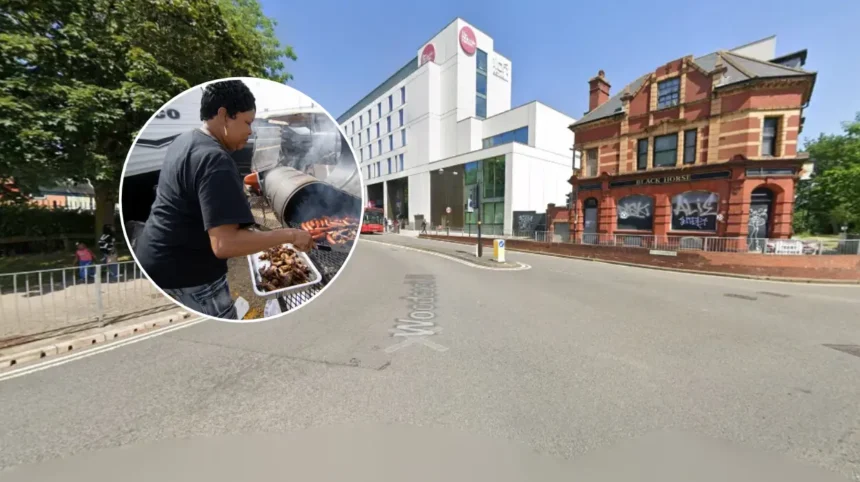
- Area hospitality providers, restaurants, and independent vendors operate at full capacity during event week.
- The schedule features corporate pitch competitions, civic parades, tailgate events, and a battle-of-the-bands showcase alongside the football game.
Birmingham (Birmingham Express) October 29, 2026 — As reported by Mary K. of 92.9 WTUG, officials confirm that “the showdown between Alabama State University and Alabama A&M University, two in-state rivals, brings out the crowds and an economic impact in the state of Alabama of $25 million”.
The annual gridiron fixture, celebrated as the largest Historically Black Colleges and Universities (HBCU) sporting event in the United States, attracts roughly 200,000 attendees to the metropolitan area over the course of the festivities.
As detailed by reporting from the Birmingham Times, the financial direct-injection from the football game contributes significantly to Jefferson County’s annual $2.6 billion tourism sector. Visitors arriving from across the Southeast fill local hotels, dining establishments, retail centres, and municipal transit systems.
“There is no tailgate party in the country like the Pregame Tailgate Party at the Magic City Classic presented by Coca-Cola. Enjoy sponsor activations, giveaways, entertainment and more.” — Official Magic City Classic Organisers
What Role Do Downtown Festivities Play in Local Revenue Generation?
As noted in regional event coverage by BlackTravelNow, “nearly $25 million flows into Birmingham’s hotels, restaurants, small businesses, and Black-owned vendors during Classic weekend — a direct, tangible example of Black cultural events fueling Black economic activity”.
The festivities encompass far more than the Saturday afternoon kickoff at Legion Field. Events commence midweek with corporate networking functions, youth engagement clinics, and vendor exhibitions scattered across the urban core.
As outlined by event directors for The Alabama Collective, “founders from HBCUs across Alabama spend the day pitching their businesses at Topgolf Birmingham… competing for a share of $20,000 in cash prizes” during the annual HBCU Business Pitch Competition.
How Are Local Hospitality and Transportation Sectors Affected?
As reported in travel analyses by BlackTravelNow, “Birmingham hotels sell out fast for Magic City Classic weekend — the entire city’s inventory gets pressure-tested”. Room rates across mid-range and luxury properties experience significant yield adjustments due to high demand.
Municipal shuttle services, ride-share operators, and parking management authorities coordinate extended hours to accommodate the influx of thousands of vehicles near Graymont Avenue West.
“The competition is just as fierce at halftime with the battle of the bands between A&M’s Marching Maroon & White and ASU’s Mighty Marching Hornets.” — Official Magic City Classic Organisers
Background of the Magic City Classic Development
The Magic City Classic was first contested on October 31, 1924, when Alabama State University defeated Alabama A&M University by a score of 30–0. The match became an uninterrupted annual fixture in 1945 and moved permanently to Birmingham’s historic Legion Field stadium in 1940.
Over the decades, the series has grown from a regional collegiate game into a massive cultural festival celebrating African American collegiate heritage, music, pageantry, and community achievement. Corporate sponsorships from major entities, including Coca-Cola and Amazon, have elevated the profile of the classic, ensuring sustained institutional funding and citywide visibility.
Prediction: How Will This Development Affect Local Business Owners and Tourism Stakeholders?
The ongoing expansion and strong financial output of the Magic City Classic will directly benefit local business owners, hoteliers, independent merchants, and city tax coffers in the coming years.
With sports tourism in Alabama contributing over $685 million annually to the state’s economy, the continued success of the classic ensures that municipal planners and commercial operators can confidently forecast late-October peak revenue periods.
Furthermore, increased visibility from national corporate sponsors is anticipated to attract broader investment to Birmingham’s West End district, creating long-term municipal infrastructure improvements for local residents.