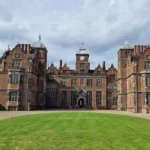
Selecting a family-friendly community across Birmingham and its surrounding regions requires evaluating school performance metrics, safety statistics, neighborhood infrastructure, and long-term housing market valuations.
- What Makes a Neighborhood Ideal for Families Moving to Birmingham?
- Why Is Mountain Brook Ranked Among the Top Residential Areas?
- How Does Vestavia Hills Combine Academic Excellence and Suburban Comfort?
- What Features Make Homewood a Highly Desirable Community for Young Families?
- Why Do Families Prefer Living in the Master-Planned City of Hoover?
- How Does Trussville Provide a Small-Town Atmosphere with Modern Amenities?
- What Advantages Do Surrounding Communities Like Oak Mountain and Pelham Offer?
- How Should Families Evaluate School Systems, Safety, and Real Estate Value Before Moving?
- Which Birmingham communities offer the best public school systems for children?
- Is living in inner-ring suburbs like Homewood more expensive than outer areas?
- What public recreational amenities are available for families across these communities?
- How do commute times to central business districts vary across these neighborhoods?
- What long-term housing appreciation trends exist in these suburban markets?
Family-friendly communities are residential municipalities structured with safe pathways, top educational institutions, green spaces, and active civic associations.
In the Birmingham region, these environments offer balanced socioeconomic ecosystems that support child development and long-term household wealth.
Historically, suburban expansion throughout the twentieth century transformed regional development patterns across the metropolitan area.
The establishment of dedicated municipal school districts accelerated the migration of households toward outer metropolitan corridors.
This historical shift created defined suburban centers with distinct municipal services, tax structures, and community identity markers.
The structural framework of a family community consists of residential zoning districts, educational facilities, park systems, and retail services.
Commercial developments are strategically placed near major thoroughfares to preserve low-density residential traffic patterns throughout the neighborhood.
Essential infrastructure includes sidewalks, street lighting, emergency response facilities, and municipal recreational centers for public use.
The process of maintaining community standards relies heavily on municipal planning commissions and local homeownership associations.
Local government boards enforce land-use regulations, manage public safety budgets, and maintain municipal civil infrastructure.
Educational boards manage academic curricula, campus expansions, and property-tax allocations to preserve regional educational quality.
Residential real estate in these corridors includes single-family detached homes, townhouses, and planned multi-family developments.
Key metrics such as median home valuation, school ratings, crime indices, and park acreage define the overall quality of life.
Regional market data indicates consistent demand for housing inventory situated within top-tier public school catchments.
Economic investments in public infrastructure and commercial revitalizations continue to strengthen regional property values over time.
Modern demographic shifts show increased demand for walkable suburban villages and integrated municipal park networks.
Families evaluating communities analyze localized tax rates, daily commute times, and municipal service performance for stability.
What Makes a Neighborhood Ideal for Families Moving to Birmingham?
Ideal family neighborhoods in Birmingham provide high-ranking public schools, low property crime rates, extensive public parks, and stable residential real estate values that support multi-generational living.
Parental decision-making prioritizes academic excellence when evaluating metropolitan housing options across the Birmingham area.
High-performing public school systems directly correlate with sustained residential demand and property value resilience.
Families evaluate standardized test performance, student ratios, placement course offerings, and athletic facilities when choosing target school districts.
Safety indices remain a foundational requirement for family settlement patterns throughout suburban residential corridors.
Municipalities with dedicated law enforcement agencies and active neighborhood watch programs record lower rates of crime.
Well-lit thoroughfares, traffic-calming street design, and organized emergency services build strong municipal security frameworks.
Access to municipal parks and community recreational facilities enhances daily life for growing suburban households.
Public green spaces, sports complexes, hiking trails, and municipal swimming pools offer options for physical health and social interaction.
Communities prioritizing park maintenance and youth athletic leagues retain residents across various domestic life stages.
Commercial convenience and transit accessibility round out the core physical requirements for long-term residential satisfaction.
Proximity to healthcare centers, grocery retailers, childcare providers, and major highway arteries reduces daily transit burdens.
A well-designed family neighborhood integrates these commercial nodes while maintaining quiet residential side streets.
Why Is Mountain Brook Ranked Among the Top Residential Areas?
Mountain Brook offers unmatched public academic institutions, historic residential architecture, scenic park networks, and highly secure municipal surroundings within minutes of regional commercial hubs.
Established in 1929 as a planned residential community, Mountain Brook features historic architectural designs spread across rolling topography.
The city enforces strict land-use regulations that preserve mature tree canopies, estate lot sizes, and distinctive stone architecture.
Its long-standing urban plan maintains five village centers that serve as local commercial districts for nearby residents.
The Mountain Brook City School System ranks among the premier public academic districts across the state of Alabama.
Institutions like Mountain Brook High School consistently achieve top academic benchmarks, high graduation rates, and college placements.
Educational investment remains a core priority, funded through strong local municipal support and property tax allocations.
Commercial life centers around five pedestrian-friendly villages: Crestline Village, Mountain Brook Village, English Village, Overton Park, and Cahaba Village.
These commercial hubs feature local boutiques, professional offices, dining establishments, and public libraries for residents.
Residents access essential everyday services without relying on heavy commercial corridor traffic or long travel distances.
Safety and municipal services operate at high efficiency levels across every neighborhood sector within city boundaries.
The dedicated municipal police and fire departments maintain exceptionally low response times across all residential sectors.
Abundant park spaces, including Jemison Park and Shades Creek Greenway, provide miles of paved walking trails and natural preserves.
How Does Vestavia Hills Combine Academic Excellence and Suburban Comfort?
Vestavia Hills delivers top-ranked public schools, expanding park networks, modern commercial developments, and diverse single-family housing options across a ridge-top topography.
Incorporated in 1950, Vestavia Hills developed along the scenic expanse of Shades Mountain directly south of downtown.
The city has grown through planned annexations, establishing distinct residential areas connected by major transit arteries like Highway 31 and Interstate 65.
The local landmark Vestavia Temple and Gazebo reflects the rich historical heritage of this growing municipality.
The Vestavia Hills City School System operates highly regarded academic campuses, including Vestavia Hills High School and Liberty Park Middle School.
These schools provide strong STEM programs, fine arts opportunities, and competitive youth athletic programs.
Educational consistency across elementary, middle, and high school levels attracts families seeking complete K-12 academic paths.
Housing infrastructure ranges from established mid-century brick ranch homes to newly constructed multi-story family residences.
Planned communities like Liberty Park offer master-planned layouts featuring private amenities, golf courses, and neighborhood elementary schools.
Average property values reflect strong market stability and consistent buyer demand across all economic conditions.
Recreational assets include the Wald Park complex, featuring a modern aquatic center, civic center, walking track, and youth sports fields.
The city regularly updates public park facilities to accommodate growing youth sports participation across all ages.
Commercial developments along the primary transit corridors offer convenient access to regional retail centers and medical facilities.
What Features Make Homewood a Highly Desirable Community for Young Families?
Homewood provides exceptional neighborhood walkability, top-tiered public schools, historic mid-century housing, and immediate proximity to major employment and medical districts.
Incorporated in 1926, Homewood occupies a central valley location bordered by Red Mountain and Shades Mountain.
The community developed as a classic inner-ring suburb, resulting in a dense grid street pattern that encourages pedestrian movement.
Historic neighborhoods feature varied architectural styles including Tudor revival homes, craftsman bungalows, and updated cottages.
Homewood City Schools maintain a reputation for academic quality, community involvement, and comprehensive student development.
Schools such as Homewood High School and Edgewood Elementary School serve as central focal points for neighborhood activities.
Families value the ability of students to walk or bike to neighborhood campuses safely throughout the school week.
The walkable commercial districts of Downtown Homewood and Edgewood feature locally owned bakeries, retail shops, restaurants, and service providers.
Central green spaces such as Homewood Central Park offer playground equipment, public pools, and outdoor event venues.
The city hosts seasonal community events that bring residents together to foster strong local relationships and civic pride.
Proximity to major regional employment centers, including university healthcare complexes and downtown financial firms, minimizes commute times.
Short commute durations allow parents to spend more time engaging in household routines and local extracurricular activities.
The combination of historical character, school quality, and central positioning keeps housing demand strong year after year.
Why Do Families Prefer Living in the Master-Planned City of Hoover?
Hoover supplies extensive housing options, top-performing public school systems, expansive commercial centers, and regional outdoor recreational facilities like Oak Mountain State Park.
Incorporated in 1967, Hoover expanded from a small residential enclave into one of the largest suburban municipalities in the region.
Strategic municipal planning accommodated suburban residential subdivisions alongside major commercial shopping centers.
The city spans two counties, providing vast regional housing capacity and extensive municipal service networks for its residents.
The Hoover City School System serves a diverse student population through multiple high schools, middle schools, and elementary campuses.
Institutions like Hoover High School and Spain Park High School offer comprehensive academic, athletic, and career-technical programs.
Extensive educational funding supports modern facilities and advanced technological resources across every campus.
Housing inventory in Hoover covers diverse price points, from entry-level single-family homes to custom luxury estates.
Neighborhoods like Ross Bridge feature golf courses, community pools, resort amenities, and historic town center designs.
Greystone provides gated estate living surrounded by private golf course facilities and secure entrance points.
Recreational opportunities are anchored by the Hoover Metropolitan Complex, which features baseball stadiums, indoor courts, splash pads, and RV park facilities.
Nearby Oak Mountain State Park provides over 9,000 acres of hiking, mountain biking, camping, and lake activities.
Extensive retail centers along Highway 150 provide comprehensive shopping conveniences for all daily needs.
How Does Trussville Provide a Small-Town Atmosphere with Modern Amenities?
Trussville delivers a growing downtown entertainment district, strong public academic options, expanding municipal parks, and accessible suburban housing options along the eastern metro corridor.
Trussville boasts a rich history, including the 1930s Cahaba Project, a federally planned housing initiative that established historic tree-lined streets and stone homes.
The municipality incorporated to preserve its distinct community atmosphere while expanding its administrative boundaries.
Today, it acts as a primary suburban anchor for the northeastern sector of the Birmingham metropolitan area.
The Trussville City School System operates modern academic campuses, including Hewitt-Trussville High School and Hewitt-Trussville Middle School.
The school district consistently earns high statewide academic performance marks and maintains strong community financial support.
Modern campus infrastructure offers specialized classrooms, athletic complexes, and performing arts centers for students.
The Downtown Entertainment District features pedestrian plazas, local eateries, breweries, and outdoor music venues for families.
This ongoing downtown revitalization balances historical preservation with modern family entertainment options and retail growth.
Municipal investment in public plazas created a centralized gathering place for community events and seasonal festivals.
Park networks include the Trussville Sports Complex, the Mall historic park area, and scenic greenways along the Cahaba River.
Families access baseball fields, soccer pitches, tennis courts, and walking trails throughout the calendar year.
Housing developments offer expansive lot sizes, modern single-family constructions, and peaceful residential layouts.
What Advantages Do Surrounding Communities Like Oak Mountain and Pelham Offer?
Pelham and the Oak Mountain area deliver affordable single-family housing, direct access to state park facilities, quality public educational options, and growing municipal recreational developments.
Situated south along the Interstate 65 corridor, Pelham offers a practical balance of affordability, geographic space, and community amenities.
The area expanded rapidly as families sought larger lot sizes and newer housing construction within commuting distance of major commercial centers.
Municipal investment continuously improves local infrastructure and public parks to serve the growing population.
Pelham City Schools operate as an independent municipal district focused on STEM education, career readiness, and athletic development.
Schools such as Pelham High School provide modern academic facilities and small class sizes for personalized instruction.
The municipal investment in education strengthens local community cohesion, property values, and municipal pride.
Oak Mountain State Park serves as the central recreational attraction for the municipality, offering hiking trails, fishing lakes, cable waterskiing, and equestrian facilities.
Municipal facilities include the Pelham Civic Complex and Ice Arena, providing public ice skating, hockey leagues, and community events.
Ballantrae Golf Club offers public access to championship-quality golf within a scenic residential setting.
Housing options across Pelham include traditional suburban neighborhoods, golf course communities, and wooded single-family homes.
The median home price remains competitive compared to inner-ring suburbs, making it an attractive option for growing households.
Convenient access to retail corridors ensures quick trips for everyday necessities and healthcare services.
How Should Families Evaluate School Systems, Safety, and Real Estate Value Before Moving?
Evaluating prospective communities requires analyzing objective school district ratings, official law enforcement crime statistics, property appraisal trends, and long-term municipal infrastructure planning.
Evaluating school districts involves reviewing objective metrics far beyond standardized test scores reported in news articles.
Parents should research graduation rates, college matriculation figures, advanced placement offerings, and student-to-teacher ratios through state education databases.
Evaluating local property tax support reveals the long-term financial health and resource allocation of a school system.
Safety assessments require examining official crime data published by municipal law enforcement agencies and state registries.
Reviewing property crime trends, violent crime statistics, and neighborhood response times paints an accurate picture of community safety.
Visiting prospective neighborhoods during day and night hours helps verify traffic patterns and overall street lighting.
Real estate value analysis depends on studying median sales prices, average days on market, and historical appreciation rates.
Working with licensed real estate professionals provides access to detailed market reports and localized sales trends.
Properties located within top-rated school districts generally retain higher resale values during broader market adjustments.
Municipal infrastructure reviews should include plans for highway expansions, public park investments, and commercial zoning updates.
Reviewing municipal planning commission minutes reveals upcoming capital improvement projects and potential zoning changes.
Understanding local property tax rates and utility structures ensures an accurate long-term household budget.
Which Birmingham communities offer the best public school systems for children?
Mountain Brook, Vestavia Hills, Homewood, and Hoover consistently operate top-ranked public school systems. These independent municipal school districts feature high graduation rates, comprehensive advanced placement coursework, and extensive athletic and fine arts programs funded through strong local community support.
Is living in inner-ring suburbs like Homewood more expensive than outer areas?
Inner-ring suburbs like Homewood and Mountain Brook feature higher price-per-square-foot real estate costs due to their prime central locations and walkable historic neighborhoods. Outer suburbs such as Hoover, Pelham, and Trussville often offer larger square footage and lot sizes at more competitive price points.
What public recreational amenities are available for families across these communities?
Families access extensive park systems including Oak Mountain State Park in Pelham, the Hoover Metropolitan Complex, Wald Park in Vestavia Hills, and the Cahaba River trails in Trussville. These sites offer sports fields, swimming facilities, walking paths, and outdoor recreation.
How do commute times to central business districts vary across these neighborhoods?
Commute times vary based on proximity to major highway arteries like Interstate 65, Highway 280, and Interstate 59. Inner suburbs like Homewood and Mountain Brook offer 10-to-15-minute commutes, while outer communities like Pelham and Trussville require 25 to 40 minutes during peak hours.
What long-term housing appreciation trends exist in these suburban markets?
Suburban housing markets served by top-rated municipal school districts demonstrate strong long-term property appreciation and inventory stability. High buyer demand for well-maintained single-family homes in safe neighborhoods helps maintain property values through varied economic cycles.