Key Points
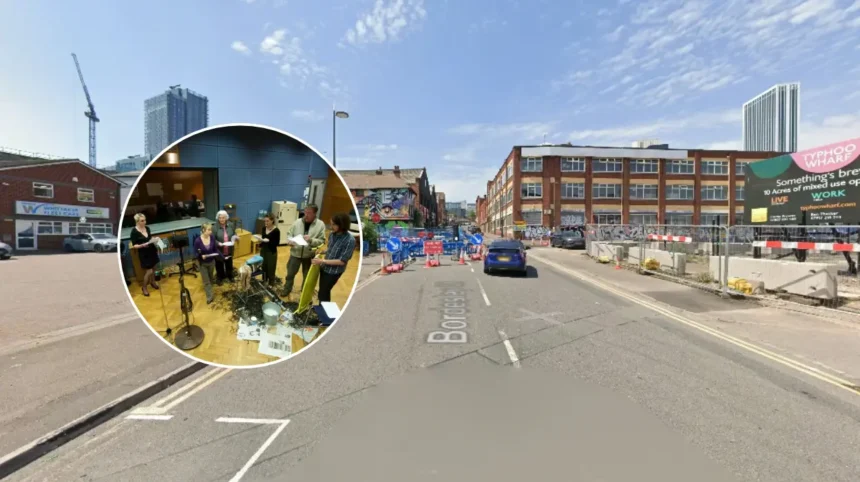
- The BBC dropped plans for a £1.5 million dedicated recording studio for The Archers at its new Digbeth Tea Factory site in Birmingham.
- The decision comes as the BBC cuts £160 million in immediate costs towards a overall £500 million savings target by 2028/29, alongside about 2,000 job reductions.
- Actors including Dame Judi Dench, Adjoa Andoh, Felicity Jones, and Ben Norris, together with the union Equity, opposed the plan and called it a “great betrayal”.
- West Midlands Mayor Richard Parker met with BBC Director-General Matt Brittin to challenge the move and ask for alternative options in the area.
- The decision leaves the 75-year history of producing the radio drama in Birmingham in doubt.
Birmingham (Birmingham Express) October 19, 2026 – The decision to abandon the purpose-built audio drama facility at the Digbeth Tea Factory comes as the broadcaster seeks to meet stringent internal financial targets.
Under plans announced earlier this year, the corporation is pursuing £160 million in savings across its news, nations, and content divisions, contributing to an overall savings goal of £500 million by 2028/29.
A spokesperson for the broadcaster confirmed that building a brand-new, dedicated facility for the radio drama was no longer financially viable.
As reported by Charlotte Higgins of The Guardian, the corporation stated that it is currently evaluating existing studio real estate across the UK alongside potential third-party sites to secure a more cost-effective production framework.
“We are currently assessing the BBC’s existing studio facilities around the UK as well as other external studio options in the West Midlands to find a more cost-effective solution which will deliver significant savings whilst also maintaining The Archers‘ high production standards.”
How Have Cast Members and Industry Figures Reacted to the Announcement?
The move has generated widespread condemnation from creative professionals, actors, and industry unions. A joint letter sent directly to BBC Director-General Matt Brittin was signed by high-profile cast members and former contributors, including Dame Judi Dench, Adjoa Andoh, Felicity Jones, Mark Bonnar, Hugh Dennis, and Kellie Bright.
As reported by the PA News Agency, the signatories cautioned that severing the ties between the production team and the region represents a direct risk to the show’s artistic integrity. They argued that moving production away from the Midlands would separate cast and crew, threatening the sustainability of the drama.
“We believe it’s a great betrayal of the people of Birmingham, its creative industries and its local businesses, all of whom benefit from The Archers‘ presence in the city. Removing the recording of The Archers from the Midlands and divorcing the production team from the cast will have a tangible impact on the quality of the programme and represents an existential threat to its future.”
Actor Ben Norris, who plays Ben Archer in the series, expressed further concerns regarding the practical consequences for local talent. As reported by The Guardian, Norris highlighted that day-player roles—such as midwives or mechanics—have historically provided vital entry-level opportunities for actors based in the West Midlands.
What Stance Have Regional Leaders and Unions Taken?
Political representatives and trade union officials have organized resistance against the proposed relocation. The performing arts union Equity formally declared its opposition to the decision, warning that removing the drama from its historic base undermines regional economic strategy.
Mayor of the West Midlands Richard Parker held a direct meeting with BBC Director-General Matt Brittin to challenge the cancellation.
As reported by ITV News, Parker stated that moving one of the region’s most established media properties sends the wrong signal to local creative industries, noting that the Midlands possesses both the talent and the requisite infrastructure to support ongoing production.
For its part, the BBC maintained that its commitment to the West Midlands remains intact. The broadcaster pointed to an increase in overall regional production spending from £24 million to £40 million, alongside formal partnerships with Birmingham City University to foster local talent development.
Background of the Particular Development
Birmingham’s history as a major broadcasting hub for audio drama dates back to the early decades of the BBC. The Archers, created by Godfrey Baseley, was first broadcast nationally in January 1951.
It was designed initially as a educational and entertaining radio serial to aid post-war British farmers in boosting food production. Over the subsequent decades, the fictional village of Ambridge became a fixture of British cultural life, recording over 20,000 episodes and attracting millions of daily listeners on BBC Radio 4.
Throughout the late 20th century, Birmingham served as the primary nerve centre for BBC Midlands radio and television production, headquartered at the iconic Pebble Mill studios. Following the closure and eventual demolition of Pebble Mill in the mid-2000s, BBC operations in the city were consolidated at The Mailbox in central Birmingham. However, as part of the corporation’s “Across the UK” strategy, plans were drawn up to move regional operations to a new, state-of-the-art hub at the Tea Factory in the Digbeth creative quarter by 2028.
The decision to exclude a dedicated Archers studio from the Digbeth migration plans stems directly from severe budgetary pressures facing the BBC. Frozen license fee revenues, rising inflation in production costs, and shifting audience habits have forced the broadcaster to identify £500 million in structural savings across its national network.
Prediction: How This Development Can Affect the Particular Audience
The prospective relocation of The Archers studio facility is expected to impact several distinct groups, ranging from the immediate production ecosystem to the broader listening public:
- Local Actors and Creative Professionals: Freelance actors, voice artists, sound engineers, and entry-level production staff residing in the West Midlands face a direct reduction in local employment opportunities. If recording sessions are relocated to facilities in London, Salford, or Bristol, local performers may be priced out of day-player roles due to travel constraints, diminishing the region’s creative talent pipeline.
- Dedicated Radio 4 Listeners: Dedicated fans of the programme may eventually perceive a subtle shift in the show’s authentic regional voice and tone. Cast members have warned that splitting the physical location of writers, directors, and actors risks compromising the unique chemistry and organic pacing that has defined the Midlands-based serial for 75 years.
- The West Midlands Creative Economy: The regional creative sector risks losing an anchor institution that generates reliable, year-round economic activity. The departure of such a prominent production signals a potential setback for Birmingham’s broader ambitions to position Digbeth as a premier UK media hub.