Living in Birmingham provides access to lower housing costs, expanding career opportunities, and rich cultural developments, alongside trade-offs like localized transit gaps, varying tax obligations, and distinct neighborhood weather patterns that every prospective resident must carefully evaluate.
- What Is the Overview and History of Living in Birmingham?
- What Are the Financial Advantages and Housing Costs in Birmingham?
- What Employment and Economic Opportunities Exist in Birmingham?
- What Are the Transportation Systems and Commute Times in Birmingham?
- What Is the Climate and Weather Pattern in Birmingham?
- What Are the Cultural, Culinary, and Recreational Amenities in Birmingham?
- What Are the Potential Drawbacks and Challenges of Living in Birmingham?
- What Should You Know Before Moving to Birmingham?
- What is the average cost of living in Birmingham for new residents?
- Is a personal car necessary for daily commuting in Birmingham?
- How do public school systems perform across Birmingham neighborhoods?
- What are the main employment industries driving the Birmingham economy?
- What seasonal weather patterns should incoming residents expect in Birmingham?
Birmingham represents a major economic and cultural engine within its region, offering an urban environment that balances affordability with historical growth.
Prospective residents often compare regional metropolitan markets to determine if relocations align with long-term financial and personal goals. Understanding the balance between economic benefits and structural drawbacks provides a clear foundation for smooth transitions.
Analyzing municipal infrastructure and housing markets reveals clear economic patterns. Regional urban centers deliver lower land costs and diverse property options, enabling higher living standards compared to higher-cost tier-one markets.
Prospective relocators must examine neighborhood demographics, commuting corridors, and property assessment trends to make well-informed housing investments.
Career prospects remain tied to key local industries, including health services, higher education, commercial banking, and manufacturing sectors. Modern economic diversification efforts continue attracting technology start-ups and administrative corporate divisions to urban commercial districts.
Evaluating corporate investments and employment statistics helps incoming job seekers measure overall market stability and professional growth potential.
Cultural ecosystems, culinary destinations, and municipal park networks add substantial quality of life value across city quarters. Residents access historically preserved theater districts, extensive greenway networks, and renowned regional dining markets within walking distance of residential areas.
Integrating into localized social networks requires balancing these lifestyle perks with realistic adjustments to municipal taxes, local utility charges, and regional weather changes.
What Is the Overview and History of Living in Birmingham?
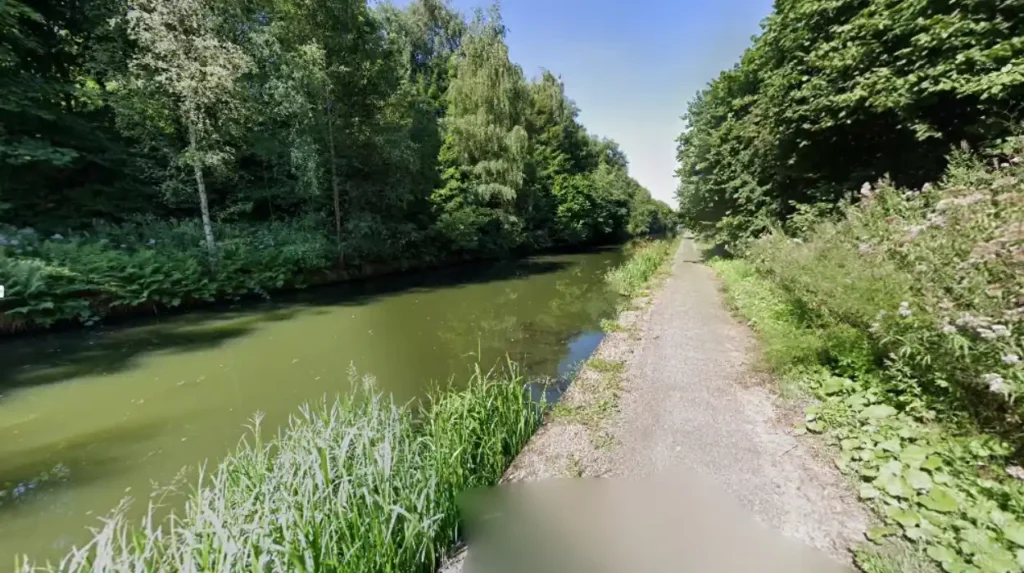
Birmingham developed rapidly as an industrial powerhouse before evolving into a modern regional service center, creating an urban footprint characterized by distinct historic neighborhoods, expanded municipal boundaries, and dynamic cultural assets that define contemporary residential life.
Established as a major industrial center, the city historically centered its economy on primary metal manufacturing, rail transport, and heavy manufacturing.
Early architectural growth produced vast residential districts designed around industrial rail lines and central commercial avenues. This foundational layout continues shaping city growth, neighborhood divisions, and local road networks.
Mid-century economic shifts caused significant structural transitions across industrial sectors toward specialized service industries. Municipal leaders directed urban renewal funds into higher education facilities, regional medical complexes, and specialized administrative hubs.
These strategic investments converted legacy industrial zones into modern commercial research parks and contemporary residential loft developments.
Contemporary municipal demographics highlight a diverse, multi-generational population base distributed across distinct suburban and urban sectors. City zoning divisions maintain active historical preservation guidelines while encouraging high-density residential housing near major employment centers.
Understanding this historical foundation explains modern neighborhood layouts, community investments, and regional governance policies.
Long-term city planning initiatives focus heavily on downtown revitalization, adaptive reuse of commercial structures, and public park preservation.
Municipal authorities partner with private developers to upgrade historic buildings into active retail hubs and residential complexes. These continuous efforts preserve structural heritage while offering high-density, walkable housing options for incoming workers and families.
What Are the Financial Advantages and Housing Costs in Birmingham?
Birmingham offers property prices and rental rates significantly below national metropolitan averages, allowing new residents to purchase larger homes, lower monthly housing expenditures, and build real estate equity much faster.
Housing affordability stands out as a primary financial benefit for individuals relocating from high-cost coastal or tier-one cities. Median home prices across residential neighborhoods remain twenty to thirty percent lower than broader national housing benchmarks.
Lower entry costs allow first-time homebuyers to secure single-family detached homes or urban condominiums without excessive debt.
Rental markets present diverse residential options ranging from suburban apartment complexes to converted downtown industrial lofts.
Average monthly rents for standard one-bedroom and two-bedroom units consistently remain lower than comparable metropolitan markets. Lower housing costs reduce overall household financial stress, freeing up discretionary income for savings, investments, and personal spending.
Property tax rates and municipal assessment policies vary across local county borders and municipal tax districts. Certain suburban municipalities impose distinct local sales and property surcharges to fund localized public services and neighborhood public schools.
New residents must calculate total effective tax rates alongside primary mortgage or rental commitments to forecast monthly budgets accurately.
Utility costs, home insurance premiums, and municipal service fees follow regional pricing structures. Modern energy grid infrastructure provides consistent electrical and natural gas service, though seasonal cooling demands raise utility expenses during summer months. Reviewing historical energy costs and structural insulation quality helps incoming buyers control total household overhead.
What Employment and Economic Opportunities Exist in Birmingham?
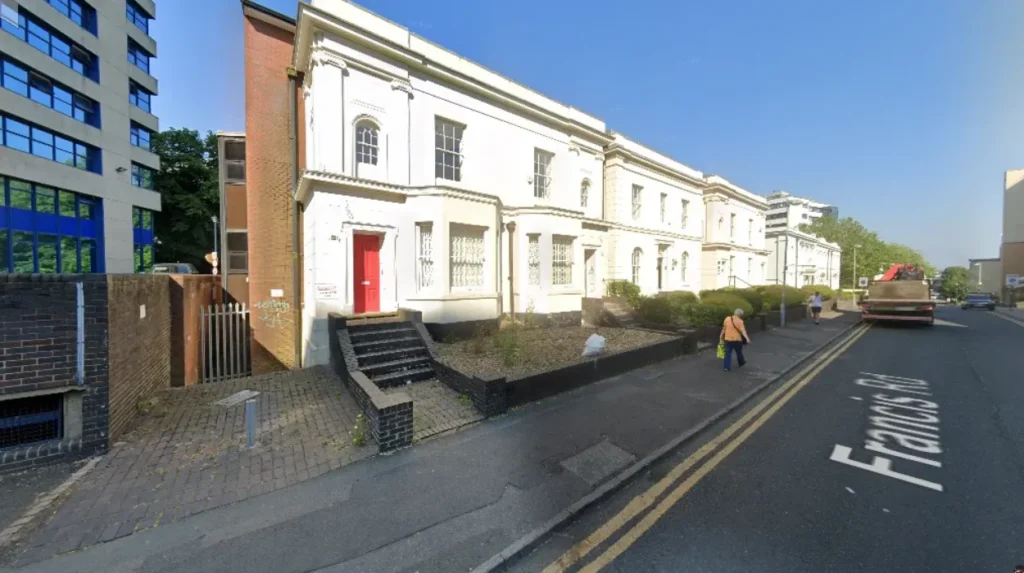
Birmingham maintains a diverse economic environment led by healthcare institutions, financial corporations, higher education centers, and advanced manufacturing sectors, offering new residents stable professional job growth across varied industries.
Regional healthcare complexes serve as dominant primary employers, operating world-class research hospitals and specialized medical centers. Healthcare networks employ thousands of medical practitioners, administrative staff, laboratory researchers, and support personnel. Strategic investments in biomedical technology continue generating technical opportunities and corporate spin-off ventures throughout the area.
Financial services and commercial banking institutions maintain massive administrative hubs and corporate headquarters within downtown commercial sectors. Industry professionals access positions in commercial lending, risk compliance, investment management, and corporate technology services. Consistent capital investments from banking firms stabilize local commercial real estate and support corporate job growth.
Higher education institutions contribute substantially to academic research output, student employment, and workforce training programs. Major research universities operate extensive facilities, supporting technological innovation, engineering developments, and public policy research initiatives. Collaboration between university systems and private corporations accelerates local start-up incubation and specialized workforce placement.
Manufacturing and automotive assembly sectors maintain strong logistics networks throughout surrounding industrial zones. Global manufacturing firms operate modern production facilities, creating direct manufacturing jobs and supporting regional supply chains. Advanced logistics operations leverage central rail and interstate connections to supply major national distribution networks efficiently.
What Are the Transportation Systems and Commute Times in Birmingham?
Birmingham relies predominantly on personal automobile transit supported by major interstate highways, while public transit systems remain largely concentrated within central urban zones and specific bus transit corridors.
Automobile travel serves as the primary mode of transportation for most working residents across the metropolitan zone. Intersecting interstate highways and primary arterial bypass routes connect suburban residential communities directly to central business districts. Average commute times range between twenty and thirty minutes, which is faster than commute times recorded in major coastal cities.
Public transportation infrastructure operates through regional municipal bus systems and targeted urban bus rapid transit networks. Scheduled routes connect major residential areas to downtown employment centers, university campuses, and medical districts. Service frequencies and route coverage decrease in outer suburban zones, requiring suburban residents to maintain personal vehicles for daily errands.
Bicycle infrastructure and pedestrian walkways continue expanding through dedicated urban greenway initiatives and protected bike lanes. Municipal planners regularly integrate pedestrian paths into downtown corridor upgrades and urban park expansions. Active transportation corridors encourage non-motorized commuting within central arts, business, and entertainment districts.
Regional connectivity benefits from accessible commercial aviation facilities and national rail passenger service links. An international airport provides direct commercial flights to major domestic transportation hubs and corporate destinations. Strategic highway connections ensure efficient freight transport and straightforward travel to regional industrial centers.
What Is the Climate and Weather Pattern in Birmingham?
Birmingham features a humid subtropical climate characterized by hot humid summers, mild transitional winters, and frequent seasonal precipitation that influences daily lifestyle patterns and household energy usage.
Summer seasons feature sustained high temperatures often exceeding ninety degrees Fahrenheit paired with elevated relative humidity levels. Extended heat waves require continuous residential air conditioning and increase seasonal municipal water consumption. Heavy afternoon thunderstorms frequently occur during peak summer months, providing temporary relief from elevated daytime heat.
Winter conditions bring mild daytime temperatures ranging from the mid-forties to upper fifties in degrees Fahrenheit. Sub-freezing temperatures occur occasionally during overnight hours, but prolonged freezing conditions and major snow accumulations remain rare. Mild winter weather lowers annual space heating bills compared to northern geographic regions.
Spring and autumn seasons offer moderate temperatures, lower humidity levels, and favorable conditions for outdoor recreation. Springtime weather patterns bring increased rainfall and periodic severe weather risks, including localized convective storms and high winds. Local emergency management agencies recommend maintaining updated weather alert systems and household emergency kits.
Annual precipitation levels remain high, driving regional greenery, agricultural production, and municipal water supply reservoirs. Proper property drainage, gutter maintenance, and roof inspection procedures help homeowners protect property foundations against heavy seasonal rain run-off. Understanding seasonal weather patterns helps incoming residents prepare home maintenance schedules and choose suitable clothing.
What Are the Cultural, Culinary, and Recreational Amenities in Birmingham?
Birmingham boasts an exceptional culinary scene, historic performing arts venues, expansive city park networks, and rich cultural museums that deliver diverse lifestyle amenities for residents of all ages.
Culinary arts form a major highlight of local community life, featuring nationally recognized restaurants, classic barbecue venues, and farm-to-table dining establishments. Top chefs combine regional culinary traditions with global dining influences across urban dining districts. Local farmers markets offer fresh regional produce, artisanal goods, and community gathering spaces throughout spring and summer months.
Cultural venues include historic theaters, art museums, civil rights monuments, and science education centers. Downtown arts districts host regular symphony performances, theatrical productions, and independent film festivals. Renowned civil rights historic sites preserve critical national history, attracting international tourists, student researchers, and community historians.
Outdoor recreation opportunities center on extensive city parks, mountain ridge preserves, and regional state park systems. Public greenways provide miles of paved tracks for running, road cycling, and family walking outings. Nearby state parks offer scenic hiking trails, mountain biking courses, camping facilities, and freshwater lake access for weekend trips.
Sports and community events offer year-round entertainment, including collegiate athletics, professional minor league baseball, and international motorsport races. Renovated urban stadium complexes host major concerts, athletic tournaments, and public community festivals. Comprehensive recreational offerings ensure active lifestyle choices for young professionals, growing families, and retirees alike.
What Are the Potential Drawbacks and Challenges of Living in Birmingham?
New residents face specific challenges including limited regional public transit options, localized crime variability across specific neighborhoods, elevated summer humidity, and separate municipal tax assessments.
Public transportation limitations represent a primary consideration for incoming residents accustomed to comprehensive transit systems. Comprehensive bus coverage remains restricted primarily to central urban corridors, making personal automobile ownership essential for suburban commutes and daily shopping. Traffic congestion can assemble along major interstate interchanges during peak morning and evening travel hours.
Neighborhood safety and crime rates vary significantly across different municipal zip codes and ward boundaries. Property crime and violent crime statistics concentrate within specific urban areas, while suburban districts register crime rates well below national averages. Thorough neighborhood research, local police precinct reports, and personal site visits help prospective buyers identify secure residential streets.
Tax structures can present administrative complexity due to overlapping county, city, and special district tax obligations. Certain municipal areas assess local occupational taxes on income earned within city limits alongside standard state income taxes. Combining state, county, and local sales taxes results in elevated point-of-sale tax rates on retail purchases and groceries.
Public school performance exhibits noticeable variations between municipal school systems and independent suburban school districts. While select suburban public school systems consistently achieve top regional academic rankings, certain urban schools face resource constraints and operational challenges. Families often evaluate private education options or research specific school attendance zones before completing home purchases.
What Should You Know Before Moving to Birmingham?
Relocating to Birmingham requires analyzing neighborhood boundaries, budgeting for car ownership expenses, evaluating localized public school districts, and selecting appropriate property insurance coverage.
Selecting the right neighborhood requires balancing workplace proximity, housing styles, and personal lifestyle preferences. Urban lofts offer walkable access to downtown dining and corporate offices, while suburban subdivisions provide larger yards and established community centers. Renting initial living quarters for six months allows newcomers to explore distinct community cultures firsthand before purchasing property.
Factoring total motor vehicle expenses into household financial plans ensures accurate monthly budgeting. Alabama state law requires personal vehicle registration, annual tag renewals, and minimum liability insurance coverage upon establishing permanent residency. Standard vehicle costs include fuel, routine maintenance, localized parking fees, and county ad valorem vehicle property taxes.
Evaluating educational environments involves reviewing state academic performance scores, student-teacher ratios, and extracurricular program offerings. Independent suburban school systems and magnet school programs deliver strong college preparatory curricula. Parents should contact school district enrollment offices directly to verify attendance boundaries and application deadlines for specialized programs.
Home insurance considerations include evaluating policy coverage for severe weather events, wind damage, and localized surface flooding. Standard home policies may require separate deductibles or specialized endorsements for convective storm wind damage. Consulting licensed local insurance agents helps property owners secure tailored insurance policies matching specific structural risks.
What is the average cost of living in Birmingham for new residents?
The overall cost of living in Birmingham remains lower than national metropolitan benchmarks, driven primarily by affordable housing markets and low median property prices. Routine expenses like groceries, healthcare, and services align closely with regional averages, while personal utility costs peak during warm summer months.
Is a personal car necessary for daily commuting in Birmingham?
A personal automobile is essential for most residents, as municipal public transit options are concentrated primarily within central urban corridors. Driving provides efficient travel across intersecting interstate highways, connecting suburban residential neighborhoods to commercial districts, regional shopping centers, and medical facilities.
How do public school systems perform across Birmingham neighborhoods?
Public school performance varies significantly depending on specific municipal boundaries and independent suburban school districts. Several suburban school systems earn high academic ratings, while urban district schools offer specialized magnet programs alongside standard community learning centers.
What are the main employment industries driving the Birmingham economy?
The local economy relies heavily on healthcare services, commercial banking, higher education, research institutions, and advanced manufacturing. Major hospital networks, corporate financial headquarters, and university systems provide stable employment across specialized technical and administrative fields.
What seasonal weather patterns should incoming residents expect in Birmingham?
Residents experience hot, humid summers with regular afternoon thunderstorms alongside mild, short winters where freezing temperatures remain infrequent. Spring and autumn bring pleasant transitional weather, though spring rain storms require active attention to local emergency weather alerts.