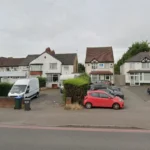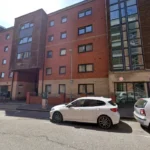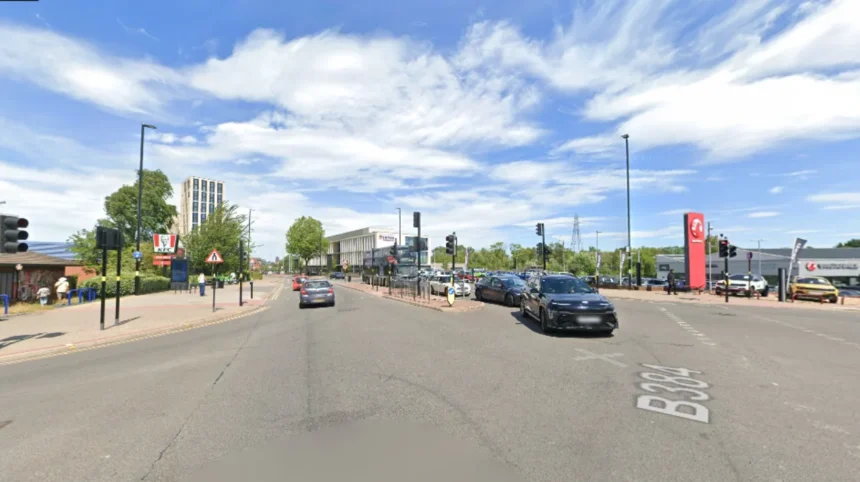
Selecting the ideal Birmingham neighbourhood requires balancing proximity to university campuses or business districts, monthly rental costs, transport connectivity, and lifestyle amenities. Selly Oak, Edgbaston, Digbeth, Jewellery Quarter, and City Centre offer distinct advantages tailored to various lifestyle priorities.
- What is the safest area for students living in Birmingham?
- How much is the average monthly rent for students in Birmingham?
- Is Selly Oak or Edgbaston better for University of Birmingham students?
- Can young professionals live comfortably in Digbeth without a car?
- Which Birmingham neighbourhood is best for BCU and Aston University students?
Birmingham stands as the UK’s second largest city, boasting five major universities and over 100,000 higher education students alongside a booming corporate ecosystem. Understanding local property sectors helps incoming residents identify housing options aligned with their daily schedules, career paths, and personal budgets.
Historically, Birmingham grew from an industrial manufacturing town into a global commercial hub. This evolution transformed former factory districts into thriving residential and creative hubs equipped with modern infrastructure.
Key components of top Birmingham neighbourhoods include public transport networks like the West Midlands Metro and Cross-City Rail line, affordable housing options, diverse dining districts, and active corporate or academic institutions.
The selection process involves analyzing commute times to major employers or lecture halls, evaluating neighborhood safety metrics, comparing council tax rates, and reviewing local leisure infrastructure.
For example, a student attending the University of Birmingham often selects Selly Oak for quick campus access. Conversely, a finance professional working at Paradise Birmingham might choose a city center flat near Grand Central Station.
Statistical data indicates that local housing demand remains high due to major multinational employers like HSBC UK, PwC, and Goldman Sachs expanding regional headquarters across central business zones.
Future urban regeneration projects, including the High Speed 2 rail line at Curzon Street and ongoing Eastside developments, continue to increase long-term residential appeal across all adjacent central sectors.
Why Is Selly Oak the Primary Choice for Students?
Selly Oak is the premier student neighborhood in Birmingham due to its immediate physical adjacency to the University of Birmingham campus, highly affordable shared terrace housing, abundant student-focused amenities, and direct train links via the Cross-City line.
Selly Oak forms the traditional academic heartland of South Birmingham, operating primarily as a dedicated university enclave. It provides a dedicated living environment tailored to student schedules and social activities.
Originally a small 19th-century industrial village, Selly Oak transformed into an academic suburb following the expansion of the nearby university throughout the 20th century.
The neighborhood structure consists of Victorian terraced housing stock, purpose-built student accommodation blocks, retail parks along Bristol Road, and direct rail infrastructure.
Living in Selly Oak functions around short pedestrian commutes, with thousands of students walking or cycling across the canal paths directly onto campus grounds every morning.
For example, residents along Hubert Road or Dawlish Road live within a ten-minute walk of lecture halls, sports centers, and the main university library.
Data shows that average weekly rent for shared student housing in Selly Oak ranges between £80 and £130, representing significant savings compared to central options.
This price advantage and proximity ensure that Selly Oak remains a key district for undergraduate accommodation year after year.
How Does Edgbaston Appeal to Postgraduates and Young Professionals?
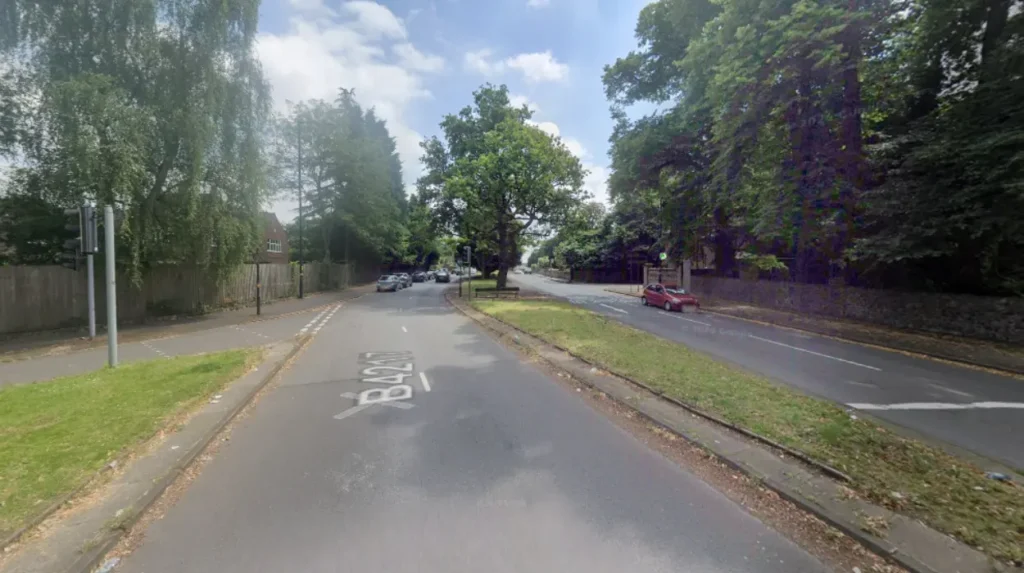
Edgbaston offers a quiet, green, and upscale living environment featuring large Victorian properties, quiet residential roads, proximity to Queen Elizabeth Hospital, and swift transport connections to both central campuses and business districts.
Edgbaston is an affluent suburban district located immediately northwest of the University of Birmingham campus and south of the city core. It attracts residents seeking a peaceful living setting.
Historically managed as a private estate by the Calthorpe family, Edgbaston preserved strict urban planning regulations that protected its historic architecture, broad avenues, and extensive parklands.
Key structural elements include historic period houses, private gardens, medical facilities like the Queen Elizabeth Hospital, and high-end residential apartments.
The daily process of living in Edgbaston involves commuting via dedicated cycle paths, frequent bus routes along Hagley Road, or short walks toward university facilities.
For example, medical postgraduates and junior doctors frequently rent accommodation in Pebble Mill or Calthorpe Estate due to immediate hospital access.
Research indicates that crime rates in Edgbaston remain consistently below the metropolitan average, making it one of the safest residential sectors in the region.
The ongoing development of modern apartment blocks along key transport corridors continues to draw corporate employees and research scholars into Edgbaston.
What Makes Digbeth Ideal for Creative Professionals and Students?
Digbeth provides an energetic urban environment characterized by converted industrial warehouses, street art, independent music venues, and close pedestrian access to Birmingham City University and Birmingham New Street railway station.
Digbeth represents the primary creative quarter of Birmingham, located immediately east of the main city center and the Bullring shopping complex. It serves artistically inclined populations.
Historically the center of Birmingham’s manufacturing output during the Industrial Revolution, Digbeth contains numerous 19th-century brick factories, metal works, and canal transport basins.
The physical structure features converted industrial spaces, the Custard Factory cultural hub, modern build-to-rent complexes, independent food halls, and local live performance spaces.
Daily life in Digbeth focuses on walkable urban routines, with residents accessing independent coffee shops, co-working spaces, and evening entertainment without relying on personal motor vehicles.
For example, creative media students and digital designers often inhabit converted loft apartments near the Custard Factory, walking ten minutes to classes or office spaces.
Statistical reports show substantial private investment in Digbeth, driven by major infrastructure developments including the future High Speed 2 terminal at Curzon Street.
These capital improvements confirm Digbeth’s position as a top regeneration zone for long-term property growth and modern inner-city living.
Why Is the Jewellery Quarter Popular Among Young Corporate Workers?
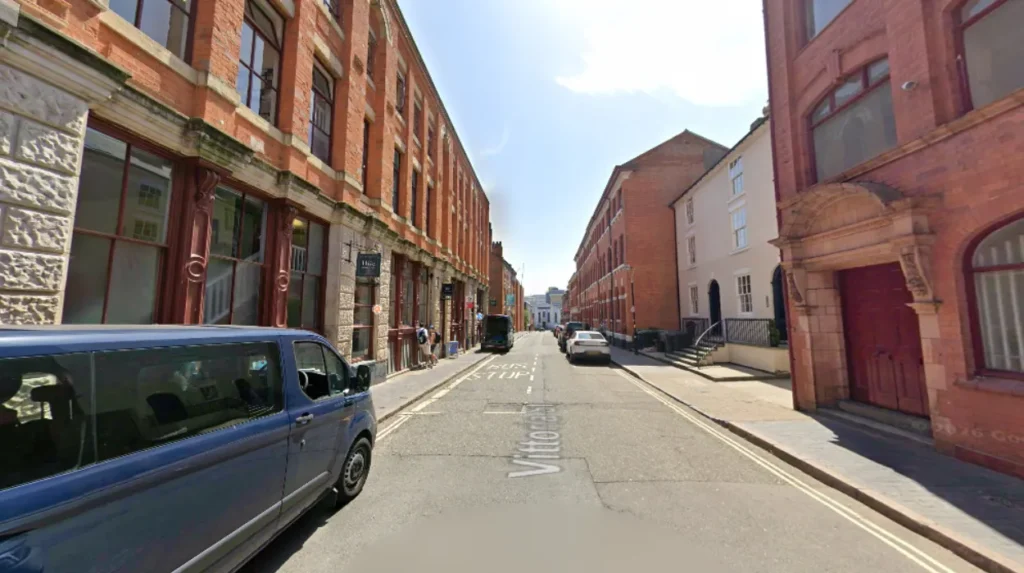
The Jewellery Quarter combines rich industrial history with modern apartment living, featuring over two hundred listed buildings, independent dining establishments, safe streets, and direct light rail transit connections to the central financial district.
The Jewellery Quarter is a conservation area located in the northwestern section of central Birmingham. It attracts early-career corporate workers and mature university students.
Historically producing forty percent of all jewellery manufactured in the United Kingdom, the district retains its historical urban layout and unique architectural heritage.
Key components include Georgian residential squares like St Paul’s Square, restored Victorian workshops, modern residential developments, and two light rail stations.
Living in the Jewellery Quarter involves easy daily commutes via the West Midlands Metro line or short walks directly into Colmore Row’s business center.
For example, a corporate lawyer or financial consultant can walk from St Paul’s Square into the primary banking sector in less than fifteen minutes.
Market data reflects average weekly apartment rents ranging between £180 and £320, reflecting high residential demand among young working professionals.
The neighborhood’s blend of historic character, security, and proximity to major employers ensures sustained interest from corporate tenants and property investors alike.
How Does Birmingham City Centre Serve Academic and Professional Needs?
Birmingham City Centre provides unmatched transport access, world-class retail centers, modern high-rise apartments, and direct walkability to major university campuses like Aston University and Birmingham City University.
Birmingham City Centre constitutes the commercial, retail, and academic heart of the West Midlands region. It serves individuals prioritizing maximum central convenience.
Following extensive multi-billion-pound redevelopment campaigns over the past two decades, the central zone transformed from a road-dominated district into a walkable urban core.
The structural landscape includes high-density apartment towers, major transit interchanges like New Street Station, corporate plazas, and the iconic Bullring shopping center.
Residents navigate the city center using broad pedestrianized streets, light rail networks, and extensive canal path routes connecting major commercial and educational zones.
For example, students attending Aston University or BCU Eastside campus can reach their lecture theatres on foot within five to ten minutes from central accommodation blocks.
Data shows that corporate expansions by major firms have generated thousands of professional roles, driving build-to-rent occupancy rates in the central zone above ninety-five percent.
The continuous delivery of high-density housing ensures that the city center remains a dominant housing destination for incoming international and UK talent.
What is the safest area for students living in Birmingham?
Edgbaston and the Jewellery Quarter consistently rank among the safest residential areas in Birmingham due to lower local crime stats, well-lit pedestrian routes, and established residential communities. Both districts offer peace of mind while remaining well-connected to campus facilities.
How much is the average monthly rent for students in Birmingham?
Average monthly rent varies by location, ranging from £350 to £550 per month for shared housing in Selly Oak, up to £700 to £1,200 per month for private studios in the City Centre. Utility costs and transport expenses should also be factored into total living budgets.
Is Selly Oak or Edgbaston better for University of Birmingham students?
Selly Oak offers a lively, student-dominated atmosphere with cheap food and immediate proximity to main campus gates. Edgbaston provides a quieter, greener environment that is ideal for postgraduates, medical students, and those preferring extra personal space.
Can young professionals live comfortably in Digbeth without a car?
Yes, Digbeth is exceptionally walkable and sits within a 10-to-15-minute walk of Birmingham New Street and Moor Street railway stations. West Midlands Metro connections and bus routes provide seamless access across the broader city without requiring personal vehicle ownership.
Which Birmingham neighbourhood is best for BCU and Aston University students?
The City Centre, Eastside, and Digbeth are best for BCU and Aston University students due to short walking distances to main campus sites. These areas minimize daily travel time and offer immediate access to central shopping, dining, and transit networks.