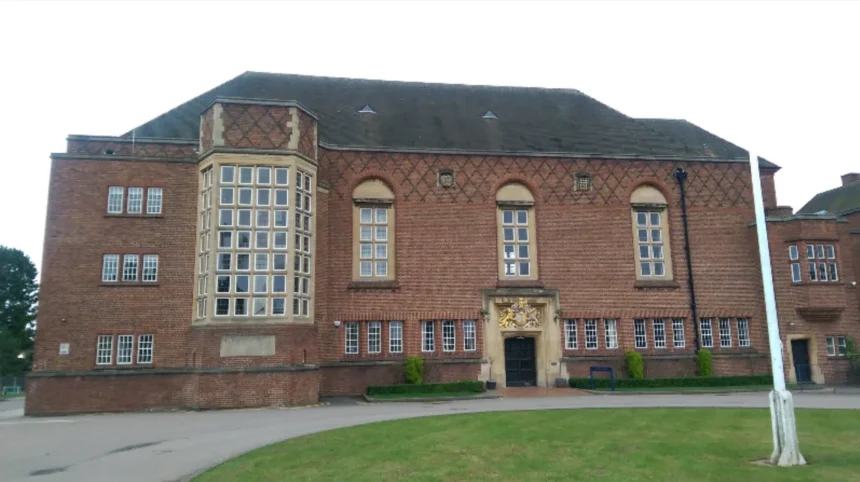
Birmingham City Council acts as the single administrative authority providing municipal functions to over 1.1 million citizens.
- How Does Waste and Recycling Collection Work in Birmingham?
- How Do Residents Manage Council Tax Payments and Exemptions?
- What Housing Services Are Provided by Birmingham City Council?
- How Do Residents Apply for School Places and Educational Support?
- How Are Local Highways, Transport, and Parking Managed?
- What Adult Social Care and Child Protection Services Are Available?
- How Does Planning Permission and Building Control Work in Birmingham?
- How Are Births, Deaths, and Marriages Registered in the City?
- What Environmental Health and Street Cleansing Services Exist?
The local authority oversees statutory obligations across waste management, social care, housing provision, educational allocation, and highway infrastructure maintenance.
Residents interact with municipal services daily to uphold environmental sanitation, legal property compliance, personal welfare, and civic registration across the West Midlands metropolitan county.
Historical development of local governance in Birmingham expanded significantly following the Municipal Corporations Act 1835 and the creation of the City Corporation. Municipal administrative structures expanded across the 20th century, culminating in the reorganization under the Local Government Act 1972, which established modern administrative responsibilities.
Understanding municipal operations enables citizens to access statutory entitlements, resolve neighborhood issues, and comply with UK local government regulations.
How Does Waste and Recycling Collection Work in Birmingham?
Birmingham City Council provides scheduled kerbside collections for household refuse, dry mixed recycling, and optional garden waste. Residents receive designated wheelie bins or sacks, with schedules structured on alternating weekly cycles to ensure consistent urban sanitation and waste diversion from landfills.
Kerbside collection services process residual non-recyclable domestic waste alongside sorted recyclables, including paper, card, plastic bottles, food tins, and glass jars. Residents access five Household Recycling Centres located across the city, including sites at Tyseley, Lifford Lane, Norris Way, Castle Bromwich, and Perry Barr.
Bulky waste collection services allow householders to arrange scheduled disposal for large household items like mattresses, furniture, and major white goods directly from property boundaries.
Proper segregation of recyclable materials remains legally enforced to optimize materials recovery facilities across the West Midlands.
Contaminated bins are left uncollected, requiring residents to rectify sorting errors before the next scheduled collection date. The local government provides specialized clinical waste collections and seasonal garden waste subscriptions to maintain public health standards throughout urban neighborhoods.
How Do Residents Manage Council Tax Payments and Exemptions?
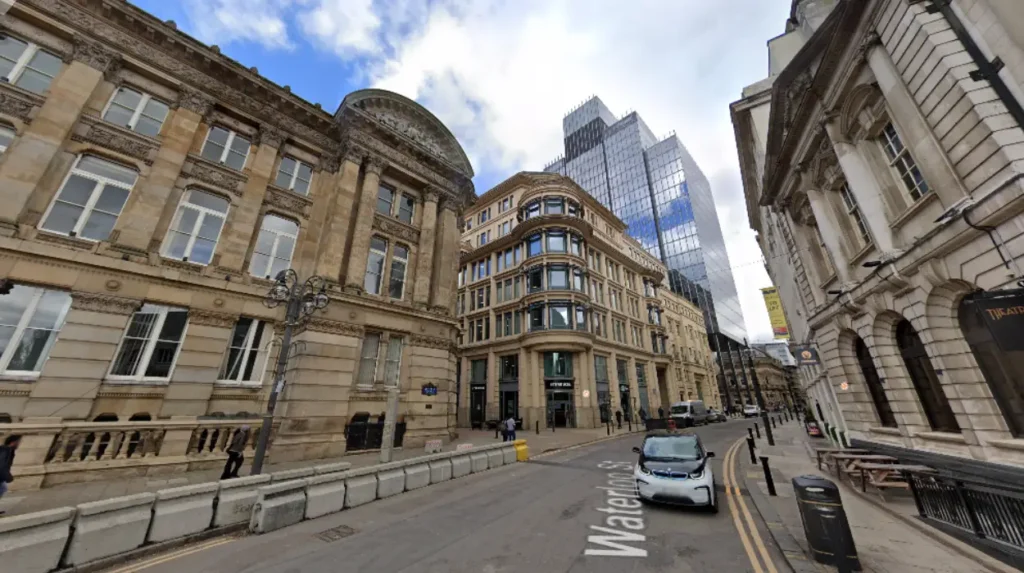
Council Tax is a local property-based tax levied on domestic residences to fund essential municipal operations, public protection, and infrastructure services. Every residential property in Birmingham is placed into one of eight valuation bands ranging from Band A to Band H based on historical valuation figures.
Occupiers manage payments through the central digital council portal or structured monthly direct debit plans spread across ten or twelve billing months. Single adult householders receive a statutory 25 percent discount on their annual demand.
Full property exemptions apply to households occupied exclusively by full-time students, unfurnished properties owned by registered charities, or residences vacated by individuals moving permanently into care facilities.
Financial hardship support is administered through the Council Tax Support scheme, which reduces bill liabilities for eligible low-income householders, elderly citizens, and individuals claiming universal credit.
Unpaid bills trigger statutory recovery procedures under the Local Government Finance Act 1992, beginning with formal reminder notices, court liability orders, and potential enforcement agent referrals.
What Housing Services Are Provided by Birmingham City Council?
Birmingham City Council manages local authority housing stock, social housing allocation, homelessness prevention, and private sector property licensing. The council maintains direct control over tens of thousands of local homes while regulating standards across private rented sectors.
Social housing allocations operate via the Birmingham Choice scheme, a choice-based lettings platform where registered applicants bid for available council and housing association properties based on assessed housing need categories.
The council provides dedicated repairs services for local tenants, covering emergency plumbing, structural maintenance, electrical safety inspections, and heating system overhauls. Statutory homelessness assessments offer emergency accommodation and long-term rehousing assistance to eligible individuals under the Homelessness Reduction Act 2017.
Mandatory licensing governs Houses in Multiple Occupation to ensure private tenants live in safe, well-managed accommodations. Enforcement teams inspect rented homes to rectify serious hazards like dampness, structural instability, inadequate fire safety escape routes, and severe pest infestations.
How Do Residents Apply for School Places and Educational Support?
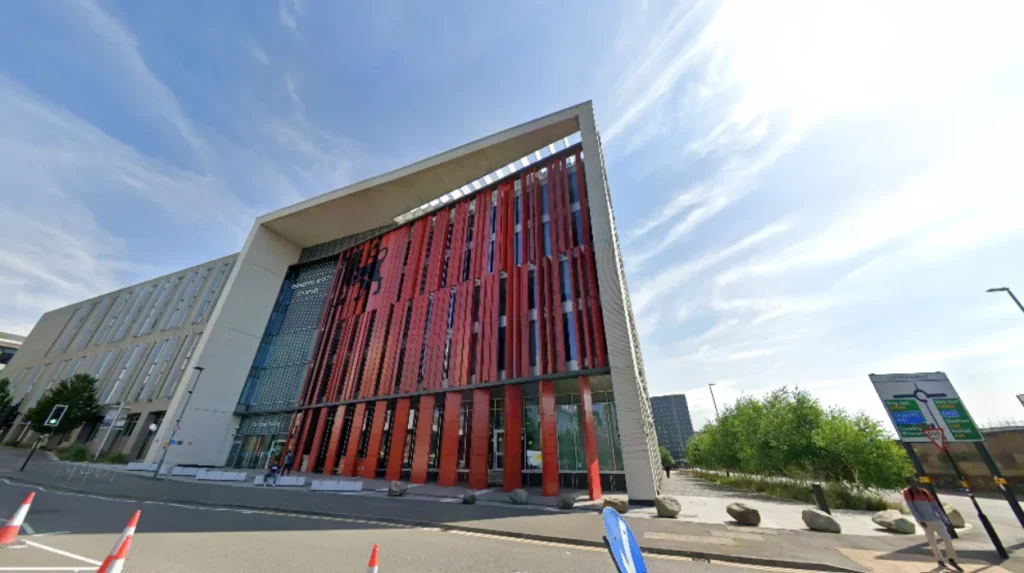
The local government coordinates primary and secondary school admissions across hundreds of state-maintained schools, academies, and voluntary-aided educational institutions. Families submit standardized applications specifying preferred school choices ahead of annual national statutory deadlines.
School place allocations follow strict statutory criteria, prioritizing looked-after children, siblings of existing pupils, and geographic distance from the applicant’s primary home address.
Educational support services extend to managing Special Educational Needs and Disabilities assessments, leading to Education, Health and Care Plans for pupils requiring tailored learning assistance. The council coordinates school transport provision for eligible disabled children or students living beyond statutory walking distances.
Free school meal eligibility is processed through municipal administrative services for families receiving specific income-related state benefits. Local education authority officers enforce mandatory school attendance rules, issuing penalty notices or initiating legal proceedings against parents in cases of persistent, unauthorized absences.
How Are Local Highways, Transport, and Parking Managed?
Birmingham City Council oversees public highway maintenance, street lighting, road safety schemes, parking enforcement, and traffic control across the city. The local authority manages thousands of miles of public carriageways, footways, and integrated cycle routes.
Residents report street faults like potholes, broken paving slabs, faulty street lights, obscured road signs, and damaged bollards through digital reporting channels.
Parking management involves issuing residential parking permits, operating public pay-and-display car parks, and enforcing contraventions via Civil Enforcement Officers to maintain traffic flow and urban access.
The council administers Penalty Charge Notices for parking violations, bus lane infringements, and unauthorized vehicle movements inside restricted zones.
The Clean Air Zone operates as a core transport initiative, imposing daily charges on non-compliant high-polluting vehicles entering the central A4540 Middleway ring road. Revenue generated from public transport enforcement is reinvested into sustainable transport infrastructure, pedestrian safety enhancements, and citywide traffic calming installations.
What Adult Social Care and Child Protection Services Are Available?
Adult Social Care and Children’s Services provide essential social welfare infrastructure, supporting vulnerable residents, elderly citizens, and children at risk of harm. The local authority acts under statutory obligations defined within the Care Act 2014 and the Children Act 1989.
Adult Social Care services conduct detailed needs assessments to determine eligibility for domiciliary care, residential care placement, day centre access, and respite services for informal carers.
Financial assessments calculate personal contributions toward social care costs based on national capital threshold limits. Safeguarding adults teams investigate allegations of neglect, financial exploitation, physical abuse, or institutional harm involving vulnerable adults.
Child Protection Services operate dedicated multi-agency safeguarding hubs to process referrals regarding child neglect, emotional distress, or physical danger.
Social workers coordinate early help interventions, foster care placements, adoption services, and formal care proceedings to protect minors across all city districts.
How Does Planning Permission and Building Control Work in Birmingham?
Planning and Building Control services regulate physical construction, land development, structural safety, and heritage conservation across the municipality. Property owners must secure formal regulatory approvals before undertaking significant structural additions, commercial redevelopments, or change-of-use projects.
Planning applications are evaluated against the Birmingham Development Plan, national planning policy frameworks, and localized neighborhood development agendas. Standard applications undergo formal public consultation phases, allowing adjacent property owners and community stakeholders to submit comments.
Minor domestic developments may proceed under Permitted Development Rights without requiring full planning permission, subject to specific architectural criteria.
Building Control surveyors inspect active construction sites to ensure full compliance with mandatory UK Building Regulations.
Independent inspections verify structural integrity, fire compartmentation, thermal insulation standards, drainage layouts, and accessible entry provisions across domestic and commercial projects.
How Are Births, Deaths, and Marriages Registered in the City?
The Birmingham Register Office provides statutory registration services for significant life events occurring within the city boundary. Legal documentation created by the registrar establishes civil identity and official legal records required by government departments.
By law, births must be registered within 42 days at the central Register Office or approved local service hubs. Parents receive formal birth certificates required for child benefit claims, passport applications, and educational enrollments.
Deaths occurring within the municipal boundary must be registered within five days, enabling the issuance of official death certificates and disposal certificates necessary for funeral arrangements.
The civil registration service coordinates civil marriage ceremonies, civil partnerships, citizenship ceremonies, and official name changes. Approved venues across the city conduct legally binding civil ceremonies supervised by authorized municipal registrars.
What Environmental Health and Street Cleansing Services Exist?
Environmental Health services enforce public health legislation, food safety standards, animal welfare regulations, and noise pollution controls across the metropolitan area.
Officers inspect commercial food premises, assign hygiene ratings, and issue formal improvement notices to non-compliant businesses.
Street cleansing teams maintain environmental cleanliness through scheduled mechanical sweeping, manual litter picking, public bin emptying, and fly-tipping clearance. Illegal dumping of commercial or domestic waste on public land triggers investigation by environmental enforcement officers, leading to fixed penalty notices or criminal prosecution.
The council processes reports regarding residential noise nuisances, industrial emissions, pest infestations, and commercial light pollution.
Licensing teams manage statutory permits for street trading, taxi drivers, entertainment venues, late-night refreshment outlets, and scrap metal dealers. Strict compliance monitoring ensures commercial operators meet legal standards regarding public safety, order, and environmental protection.
How do I check my waste collection day in Birmingham?
Residents can check scheduled kerbside collection days by entering their postcode into the official Birmingham City Council website waste portal. The portal provides personalized collection calendars for general waste, dry recycling, and garden waste. Automated updates notify householders of service alterations during bank holidays.
Who qualifies for a Council Tax discount in Birmingham?
Single adult occupiers receive a standard 25 percent reduction on their annual Council Tax bill. Full exemptions apply to properties occupied solely by full-time students. Reductions are also available for low-income residents via the Council Tax Support scheme.
How do I report a pothole or street fault in Birmingham?
Street faults, dangerous potholes, and broken street lights should be reported directly via the local authority’s online reporting tool. Users submit exact location details alongside photographic evidence to assist highways maintenance teams. Urgent road hazards blocking traffic flow can be reported via telephone.
What is the Clean Air Zone charge in Birmingham?
Non-compliant, high-polluting vehicles entering the Clean Air Zone inside the A4540 Middleway ring road pay a daily charge. Drivers can verify vehicle eligibility and pay fees via the UK government online portal. Exemptions exist for specific local residents and emergency vehicles.
How do I apply for a primary or secondary school place in Birmingham?
School applications are completed online using the Birmingham City Council admissions portal during statutory application windows. Parents select preferred schools in order of priority before national deadlines. Allocations are confirmed on official national offer days.