Key Points
- West Midlands Police have been granted special legal powers, including dispersal orders, for the upcoming derby between Wolverhampton Wanderers and West Bromwich Albion.
- The dispersal order takes effect at 8:00am on Sunday, 20 September 2026, allowing officers to direct individuals or groups to leave the area for up to 24 hours.
- This match is the first time in several years that the two teams are playing at Molineux with fans present in the stadium.
- Wolverhampton Wanderers and West Bromwich Albion issued a joint statement asking supporters to focus on the match, pointing to the legal penalties given to fans after disorder at their previous meeting.
- Mounted units, drones, British Transport Police, Transport for West Midlands, and West Midlands Metro will form part of the security operation on public transport and around the ground.
- Visiting West Bromwich Albion supporters must leave Molineux via Camp Street after the match, while home fans will face movement restrictions around the Steve Bull Stand.
Wolverhampton (Birmingham Express) September 19, 2026 – Police have been granted enhanced emergency powers across Wolverhampton city centre as authorities prepare for the long-awaited Black Country derby between Wolverhampton Wanderers and West Bromwich Albion.
- Key Points
- Why Have Police Been Granted Special Powers for the Black Country Derby?
- How Will Security and Public Transport Be Managed Across Wolverhampton?
- What Have Wolverhampton Wanderers and West Bromwich Albion Stated Jointly?
- Background of the Black Country Derby Rivalry
- Prediction: How This Development Will Impact Fans, Local Businesses, and the Community
Officers will operate under temporary dispersal powers designed to curb potential violence, anti-social behaviour, and public disruption surrounding the high-stakes match. With over 30,000 supporters expected at Molineux on Sunday, 20 September, West Midlands Police and local transport networks have coordinated an extensive security operation to ensure matchday safety.
Why Have Police Been Granted Special Powers for the Black Country Derby?
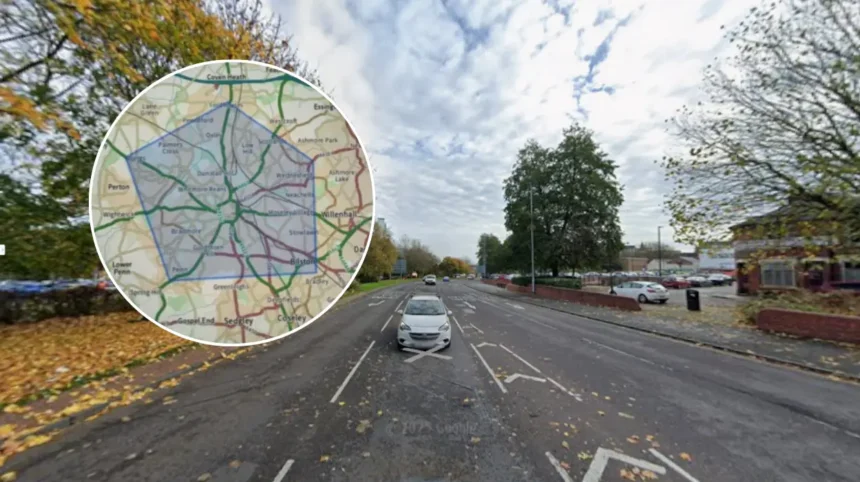
As reported by police reporting staff at Hello Rayo and detailed by official statements from West Midlands Police, special dispersal orders under police legislation have been authorized across key operational zones in Wolverhampton. Effective from 8:00am on 20 September 2026, these measures grant uniformed officers the immediate authority to order any person or group to leave a specified area for up to 24 hours if their presence or behaviour is deemed likely to contribute to harassment, alarm, distress, or criminal activity.
As detailed by Superintendent Tim Robinson of West Midlands Police, who is overseeing the entire security operation, the measures are preventative rather than punitive for legitimate supporters. Superintendent Robinson stated that “the Black Country derby is an historic and iconic fixture in English football,” noting that this marks the first time in a considerable period that both clubs are meeting at Molineux with supporters present in the stands. He added that officers “won’t tolerate any behaviour which causes fear, harm or threatens to tarnish the reputations of other fans who can be passionate, but remain law-abiding, in proudly getting behind their team”.
The operational command confirmed that anyone refusing to comply with a police direction under the dispersal order faces immediate arrest, criminal prosecution, and the potential imposition of formal Football Banning Orders.
How Will Security and Public Transport Be Managed Across Wolverhampton?
As reported by Planet Sport and regional transport correspondents, the policing footprint will extend well beyond the stadium perimeter into the surrounding transit corridors and commercial districts. Due to expected heavy congestion across rail and light-rail networks, West Midlands Police are operating in direct conjunction with the British Transport Police, Transport for West Midlands, and West Midlands Metro.
In addition to foot patrols, security forces will deploy mounted police units, overhead surveillance drones, and specialized public order officers across key transport hubs including Wolverhampton railway station and nearby bus interchanges.
To further minimize friction between rival fanbases, both clubs and police have mandated strict post-match crowd control measures. As highlighted in official joint club guidance, all visiting West Bromwich Albion supporters will be required to leave Molineux exclusively via Camp Street following the final whistle. Concurrently, home supporters will be restricted from accessing areas directly behind the Steve Bull Stand to prevent overlapping pedestrian movement.
What Have Wolverhampton Wanderers and West Bromwich Albion Stated Jointly?
As reported in official media releases published simultaneously by both Wolverhampton Wanderers and West Bromwich Albion, both organisations issued a comprehensive joint statement appealing directly to their respective supporter bases.
Both clubs emphasized the centuries-old legacy of the fixture, stating that matches between the two sides “have been played with immense passion, creating unforgettable occasions for players and supporters alike”.
Crucially, the joint statement reminded supporters of the strict legal and judicial fallout from previous derby encounters. Highlighting the precedent set following crowd disorder at their 2024 meeting, the clubs revealed that police investigations resulted in:
- 43 Total Arrests: Executed by West Midlands Police during and after the match.
- 12 Formal Charges: Successfully prosecuted through the Magistrates and Crown courts.
- Legal and Club Banning Orders: Issuance of judicial Football Banning Orders along with five permanent, life-long stadium bans administered directly by the clubs.
Both clubs stressed that ticket restrictions, stadium access controls, and enhanced security searches will be rigidly maintained throughout matchday, warning that anyone entering pitchside areas, throwing objects, or possessing pyrotechnics will face immediate prosecution and permanent exclusion.
Background of the Black Country Derby Rivalry
The Black Country derby stands as one of the oldest and most intensely contested rivalries in world football, dating back to their first competitive meeting in 1886. Named after the industrial heartland of the West Midlands, the fixture pits Wolverhampton Wanderers against West Bromwich Albion—two founding members of the Football League in 1888. Over the decades, the close geographic proximity of the two grounds, separated by just under 12 miles, has fostered an uncompromising sporting feud.
In recent years, competitive meetings between the clubs have been relatively sporadic due to their presence in different tiers of the English football pyramid. However, tension between fanbases reached a critical boiling point in January 2024, when the two teams met at The Hawthorns in the FA Cup Fourth Round—their first encounter with attending fans since 2012.
During that 2024 fixture, serious fan violence erupted in the stands as Wolves took a 2–0 lead, forcing the referee to suspend play for nearly 40 minutes as supporters spilled onto the pitch and clashed with security personnel and police forces.
That incident prompted extensive police investigations, dozens of criminal charges, and widespread condemnation from football authorities. The current 2026 security framework implemented by West Midlands Police reflects a direct effort to prevent any repetition of those events at Molineux.
Prediction: How This Development Will Impact Fans, Local Businesses, and the Community
The implementation of temporary dispersal powers and heightened security protocols will directly impact several key stakeholder groups across Wolverhampton and the broader West Midlands region:
- Impact on Matchday Supporters: Genuine football supporters attending the fixture will experience noticeably tighter entry procedures, including mandatory bag searches, potential ticket-matching spot checks, and defined transit routes to and from Molineux. While these measures may slightly increase travel times, they significantly lower the risk of unpredictable violent flashpoints, creating a safer environment for families and general matchgoers.
- Impact on Local Public Transport Users: Regular commuters and non-matchday travelers using rail, bus, and Metro routes between Birmingham, West Bromwich, and Wolverhampton will encounter heavy police presence, potential overcrowding, and strict queuing systems throughout Sunday. Transport authorities are likely to recommend allowing extra travel time or avoiding main derby transit corridors during peak pre-match and post-match hours.
- Impact on Local Businesses and Hospitality: Licensed premises, pubs, and retail establishments in Wolverhampton city centre are expected to operate under strict conditions set in consultation with licensing officers. While food and beverage vendors will benefit from high customer footfall, landlords may enforce door security measures, plastic drinkware rules, or temporary early closures to align with police dispersal orders and maintain public order.