Key Points
- Twin brothers Vinh Van Nguyen and Quang Van Nguyen, both 31 and living in Coventry, were jailed alongside three accomplices for running a Vietnamese people-smuggling and money-laundering network.
- A judge handed the five gang members combined prison sentences totaling nearly 40 years following a National Crime Agency investigation.
- Phone taps captured during the investigation showed the ringleaders referred to migrants as “chickens” while planning their transport across Europe into the UK.
- The gang forced migrants into debt bondage and laundered over £1.6 million using front businesses, including a Wrexham nail bar and a Wigan Post Office.
- Police, border officials, and international agencies built the case by tracking transport logistics, social media ads, and financial receipts.
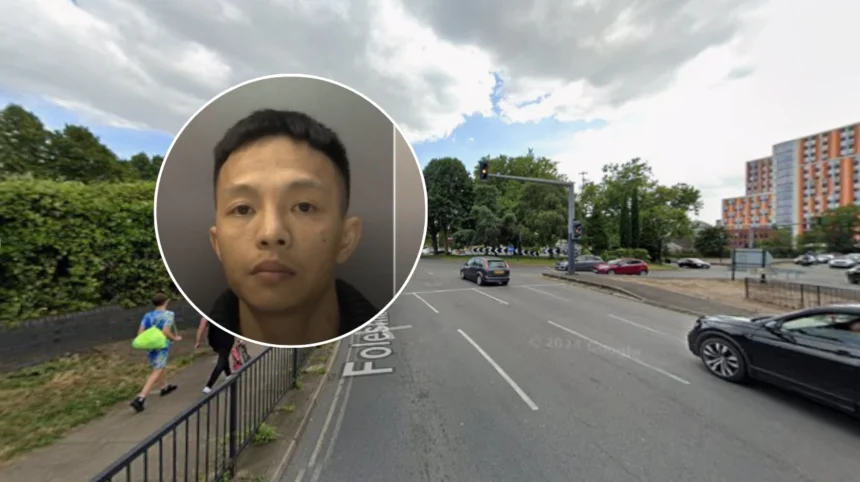
Coventry (Birmingham Express) September 18, 2026 – Five members of an organised crime group responsible for smuggling Vietnamese migrants into the UK and placing them into severe debt bondage have been jailed for a combined total of nearly 40 years. As reported by prosecution officials and law enforcement authorities following proceedings at court, twin brothers Vinh Van Nguyen and Quang Van Nguyen, both 31 and resident in Coventry, served as the primary coordinators of the illicit transport and money-laundering empire.
How Was the Coventry People-Smuggling Ring Uncovered and Operated?
As reported by law enforcement correspondents covering the National Crime Agency statement, the illicit enterprise advertised illegal transit routes from Viet Nam through Continental Europe directly to Britain. Ringleader Vinh Van Nguyen utilised social media platforms, including Facebook, to market illicit transport services to potential migrants, offering journeys hidden inside heavy goods vehicles (HGVs) and lorries.
During wiretaps and digital forensic analysis conducted by NCA investigators, officers discovered that the co-conspirators systematically referred to the migrants as “chickens” in coded messages detailing pickup coordinates and logistics. Migrants were charged exorbitant sums for passage, which frequently left them trapped in conditions of debt bondage upon arrival in the United Kingdom, where they were coerced into working off their fees in hand-car washes, nail bars, and illicit agricultural setups.
What Roles Did the Co-Defendants Play in the £1.6 Million Money-Laundering Scheme?
As detailed by court reports and local news coverage of the trial, the crime network utilised legitimate commercial facades across North Wales, the North West, and Yorkshire to wash over £1.6 million in cash.
- Vinh Van Nguyen and Quang Van Nguyen (Coventry): The 31-year-old twin brothers coordinated the overall logistics, liaised with continental smugglers, managed payment schedules, and directed the distribution of migrants once on British soil.
- Associated Gang Members: Co-defendants located in Rotherham, Wrexham, and surrounding areas assisted in laundering physical cash receipts. Investigators tied physical evidence—including cash dropped off in blue bags at a North Wales nail salon and receipts recovered from a Wigan Post Office—directly to the ringleaders.
According to statements provided by the Crown Prosecution Service (CPS) and NCA senior investigating officers, the group operated a systematic financial network that deposited cash amounts into multiple bank accounts to obscure the origins of the funds before transferring proceeds internationally.
What Sentences Were Handed Down to the Convicted Smugglers?
As confirmed in official court judgments, the five defendants received custodial sentences reflecting the scale and severity of their illegal facilitation and financial misconduct.
- Vinh Van Nguyen: Sentenced to a primary custodial term for conspiracy to facilitate illegal immigration and money laundering offenses.
- Quang Van Nguyen: Jailed alongside his twin brother with a similar substantial term for his executive role in the smuggling and laundering operation.
- Three Co-Conspirators: Received varying prison sentences based on their individual roles in collecting illicit funds, transporting migrants, and maintaining cash drop-off points.
The sentencing judge noted that the gang demonstrated a total disregard for human safety and dignity, treating individuals as mere commercial commodities to be exploited for personal enrichment.
Background of the Particular Development
The conviction and sentencing of the Coventry-based Nguyen brothers come amidst a broader, intensified campaign by UK law enforcement agencies and international partners to disrupt organized immigration crime groups (OICGs). Over the past decade, organized smuggling networks operating out of South East Asia—particularly Viet Nam—have targeted vulnerable individuals seeking economic opportunities in Western Europe.
Prior multi-agency enforcement actions have highlighted the dangerous tactics employed by these groups, including the use of refrigerated lorries, unventilated freight containers, and cross-Channel small craft to bypass traditional port security.
Furthermore, international focus on the connection between migrant smuggling, human trafficking, and modern slavery has led to closer cooperation between the National Crime Agency, Border Force, European police forces, and the Crown Prosecution Service. This conviction represents one of the most comprehensive legal outcomes against a UK-based Vietnamese smuggling network that combined human transit logistics with localized money laundering networks.
Potential Impact and Future Outlook
This legal development is likely to have significant implications across several key areas:
- For Law Enforcement and Regulatory Bodies: The successful prosecution provides a blueprint for targeting organized crime through combined financial tracking and digital forensics. Law enforcement agencies are expected to increase scrutiny on cash-intensive businesses—such as nail salons, car washes, and local courier outlets—that may serve as money-laundering vehicles for trafficking networks.
- For Vulnerable Migrant Communities: The court outcome sends a strong deterrence signal to organized groups exploiting vulnerable individuals through debt bondage. However, policy experts note that without continued community outreach and support systems for victims of modern slavery, vulnerable individuals remain at risk of exploitation by remaining or replacement illicit networks.
- For the Local Community and Public: The conclusion of this case highlights the role of localized vigilance in identifying suspicious activities tied to organized crime networks. Increased public awareness regarding debt bondage and human trafficking signs is expected to assist authorities in identifying front operations and reporting illicit activity.