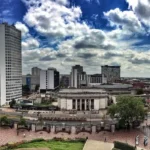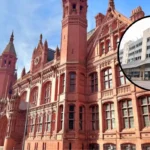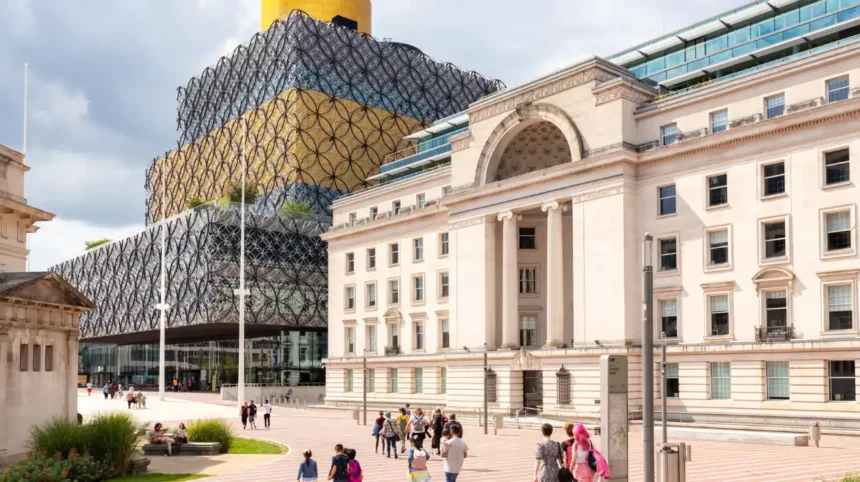
Birmingham Express presents this comprehensive guide to the best student-friendly things to do around Birmingham City Centre. Birmingham is the United Kingdom’s second-largest city, with a population exceeding 1.1 million within the city and approximately 4.3 million across the West Midlands metropolitan area. The city centre combines higher education institutions, industrial heritage, public museums, cultural venues, libraries, canals, shopping districts, and green spaces within a compact and walkable area. This concentration of attractions makes Birmingham one of Britain’s most accessible destinations for students seeking affordable educational, cultural, and recreational experiences.
- Why is Birmingham City Centre one of the best destinations for students?
- Which museums can students visit for free in Birmingham City Centre?
- What historic libraries should students explore?
- Why are Birmingham’s canals popular with students?
- Which public parks and green spaces are worth visiting?
- What cultural venues offer affordable entertainment?
- Why is the Jewellery Quarter important for students?
- Which shopping areas combine history with affordable experiences?
- How does Birmingham’s industrial heritage remain visible today?
- What student-friendly food destinations are available?
- Why does Birmingham remain an outstanding educational city?
Why is Birmingham City Centre one of the best destinations for students?
Birmingham City Centre combines internationally recognised universities, free public museums, extensive canal networks, historic landmarks, affordable entertainment, major libraries, cultural institutions, and efficient public transport within a compact urban core. This creates year-round educational, recreational, and social opportunities for students on varied budgets.
Birmingham has served as a centre of innovation since the eighteenth century. During the Industrial Revolution, the city developed into Britain’s leading manufacturing centre through metalworking, engineering, jewellery production, and scientific innovation. That industrial foundation continues to influence today’s visitor experience through preserved historic buildings, museums, canals, and educational institutions.
The city centre sits within easy walking distance of several major universities. The University of Birmingham, Aston University, Birmingham City University, and University College Birmingham collectively educate more than 80,000 students each academic year. This large student population supports affordable cafés, cultural events, public exhibitions, independent businesses, and discounted entertainment.
Students benefit from excellent transport links through Birmingham New Street Station, Moor Street Station, Snow Hill Station, and an expanding tram network. Most major attractions lie within a 20-minute walk of New Street Station, reducing transport costs while encouraging exploration of the city’s historic districts.
The combination of free attractions and low-cost activities ensures Birmingham remains accessible throughout the academic year.
Which museums can students visit for free in Birmingham City Centre?
Birmingham City Centre contains several free museums that preserve industrial, artistic, archaeological, and social history. These institutions provide students with accessible educational resources, permanent collections, temporary exhibitions, and research opportunities throughout the year without charging admission for their main galleries.
Birmingham Museum and Art Gallery
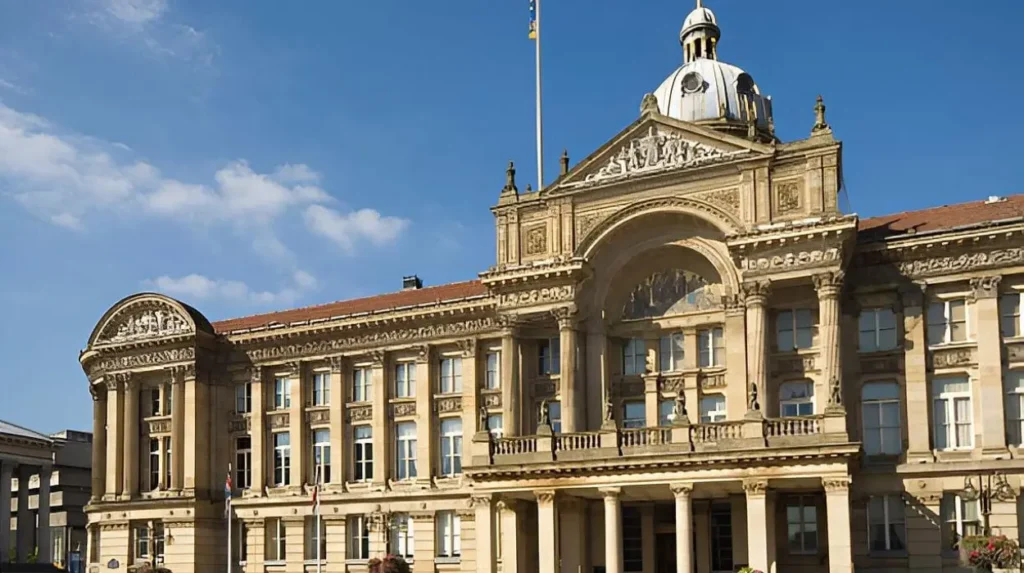
Established in 1885, Birmingham Museum and Art Gallery occupies a Grade II* listed civic building near Victoria Square. The museum houses internationally significant collections covering archaeology, local history, decorative arts, natural history, and fine art.
Its Pre-Raphaelite collection ranks among the largest public collections in the world. Artists including Dante Gabriel Rossetti, Edward Burne-Jones, William Holman Hunt, and John Everett Millais feature prominently.
Students studying history, architecture, literature, religion, and fine arts benefit from regularly updated exhibitions alongside permanent displays documenting Birmingham’s industrial development.
Thinktank, Birmingham Science Museum
Although Thinktank charges admission, students frequently receive discounted entry through university partnerships or seasonal promotions.
The museum explores engineering, medicine, transport, astronomy, and manufacturing through interactive exhibits. Historic steam engines, aircraft, locomotives, and scientific instruments demonstrate Birmingham’s contribution to Britain’s technological advancement.
Museum Collection Centre
The Museum Collection Centre preserves hundreds of thousands of historical objects not currently displayed in public galleries. Special open days allow visitors to observe conservation work and museum storage techniques rarely accessible elsewhere.
These **3 collections—industrial machinery, archaeological artefacts, and fine art—**illustrate Birmingham’s diverse historical development.
What historic libraries should students explore?
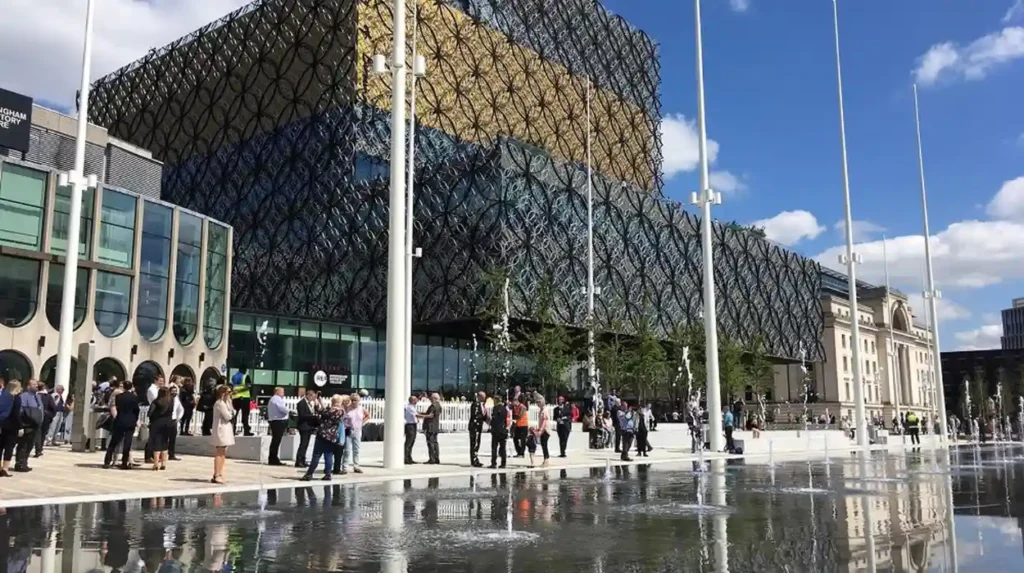
Birmingham City Centre contains one of Europe’s largest public libraries alongside historic specialist collections supporting academic research, genealogy, literature, architecture, and local history. These institutions combine modern learning facilities with significant archival preservation responsibilities serving both residents and international researchers.
Library of Birmingham
Opened in 2013, the Library of Birmingham replaced the former Central Library and became one of Europe’s largest public libraries.
The building contains over one million printed volumes alongside archives, manuscripts, photography collections, historic maps, and digital research facilities.
The Shakespeare Memorial Room, originally constructed in 1882, was carefully relocated into the modern building. It remains one of the world’s most important Shakespeare memorial libraries.
Students regularly use quiet study areas, rooftop gardens, exhibition spaces, and digital archives throughout the academic year.
Archives and Heritage Collections
The library preserves municipal records documenting Birmingham’s political, commercial, industrial, and social development over several centuries.
These **4 archive categories—electoral registers, business records, photographs, and newspapers—**support historical research and genealogical investigations.
Why are Birmingham’s canals popular with students?
Birmingham’s historic canal network provides affordable recreation, industrial heritage, walking routes, cycling infrastructure, wildlife habitats, and waterside cafés. The restored waterways preserve eighteenth-century engineering while supporting contemporary leisure activities across the city centre and surrounding districts.
Birmingham contains approximately 35 miles of navigable canals, exceeding the canal mileage within Venice.
Most canals were constructed during the late eighteenth and early nineteenth centuries to transport coal, iron, manufactured goods, and raw materials supporting industrial expansion.
Today the canals connect Brindleyplace, Gas Street Basin, the Jewellery Quarter, and other historic districts through attractive pedestrian routes.
Students frequently walk between university buildings, accommodation, cafés, museums, and entertainment venues using canal towpaths rather than busy roads.
Historic canal warehouses have been converted into restaurants, apartments, offices, galleries, and cultural venues while preserving Victorian industrial architecture.
To experience these historic waterways in person today, consult our comprehensive [How to Make the Most of Student Life in Birmingham] for itineraries and visiting parameters.
Which public parks and green spaces are worth visiting?
Birmingham City Centre includes landscaped public squares, historic gardens, urban parks, and restored civic spaces offering students accessible environments for relaxation, outdoor study, photography, exercise, and community events throughout every season.
Eastside City Park
Opened in 2012, Eastside City Park became Birmingham’s first new city-centre park in more than 130 years.
The park includes open lawns, water features, walking paths, outdoor seating, and public art installations.
Students regularly use the park for revision sessions, informal meetings, and university events.
Centenary Square
Centenary Square serves as Birmingham’s principal civic gathering space.
Redeveloped extensively during the twenty-first century, it hosts seasonal markets, festivals, public ceremonies, concerts, and cultural celebrations.
Nearby landmarks include Symphony Hall, the Library of Birmingham, and the International Convention Centre.
Cathedral Square
Surrounding St Philip’s Cathedral, Cathedral Square provides quieter green space within Birmingham’s commercial district.
Its mature trees, lawns, and historic setting create an attractive environment for reading and outdoor study.
These **3 green spaces—Eastside City Park, Centenary Square, and Cathedral Square—**demonstrate Birmingham’s investment in public urban environments.
What cultural venues offer affordable entertainment?
Birmingham City Centre supports an extensive cultural sector including concert halls, theatres, independent cinemas, galleries, music venues, and festivals. Student discounts, free exhibitions, and public performances ensure affordable access to nationally significant artistic experiences.
Symphony Hall
Opened in 1991, Symphony Hall consistently ranks among the world’s finest concert venues due to its internationally acclaimed acoustics.
The venue hosts classical music, jazz, world music, film concerts, lectures, and educational performances.
Many student tickets are available at reduced prices.
Birmingham Hippodrome
The Birmingham Hippodrome welcomes more than 500,000 visitors annually.
Productions include musicals, ballet, opera, contemporary dance, drama, and family performances.
Student discount schemes operate throughout much of the performance calendar.
Midlands Arts Centre
Located beside Cannon Hill Park, the Midlands Arts Centre supports theatre, cinema, exhibitions, workshops, creative education, and community engagement.
Its affordable ticket pricing makes cultural participation accessible to students.
These **4 cultural experiences—concerts, theatre, exhibitions, and cinema—**strengthen Birmingham’s reputation as a leading creative city.
Why is the Jewellery Quarter important for students?
The Jewellery Quarter preserves one of Europe’s best surviving industrial districts through historic workshops, museums, independent businesses, heritage buildings, and specialist manufacturers. Students gain direct insight into Birmingham’s internationally significant metalworking and jewellery-making traditions.
The Jewellery Quarter developed rapidly after the late eighteenth century.
By the early twentieth century, the district produced approximately 40 percent of Britain’s jewellery.
Thousands of skilled craftspeople manufactured gold, silver, watches, medals, and precision metal components.
The Museum of the Jewellery Quarter occupies a preserved factory where original equipment remains in place.
Walking through the district reveals Victorian workshops, historic cemeteries, Georgian streets, converted factories, and independent cafés.
These **5 heritage features—workshops, museums, factories, cemeteries, and historic streets—**illustrate Birmingham’s manufacturing legacy.
Which shopping areas combine history with affordable experiences?
Birmingham City Centre integrates historic markets, Victorian shopping arcades, modern retail centres, independent businesses, and multicultural food districts. Students benefit from competitive pricing alongside opportunities to explore the city’s commercial history through preserved architectural landmarks.
The Bullring has served as Birmingham’s commercial centre since the Middle Ages.
Modern redevelopment retains the historic market tradition while introducing contemporary retail facilities.
The Bull Ring Indoor Market and Outdoor Market continue centuries-old trading practices through local food, clothing, household goods, and specialist retailers.
The Great Western Arcade, completed in 1876, preserves Victorian shopping architecture while housing independent businesses.
The historic Piccadilly Arcade similarly demonstrates Edwardian commercial design.
These **4 shopping districts—Bullring, Great Western Arcade, Piccadilly Arcade, and Bull Ring Markets—**reflect Birmingham’s commercial evolution.
How does Birmingham’s industrial heritage remain visible today?
Birmingham preserves extensive evidence of Britain’s Industrial Revolution through canals, factories, warehouses, civic buildings, engineering landmarks, museums, and restored manufacturing districts. These surviving structures document technological innovation that transformed both Britain and global industrial development.
Matthew Boulton established the Soho Manufactory during the eighteenth century, introducing new approaches to industrial production.
Working alongside James Watt, Boulton helped commercialise improved steam engine technology.
Industrial innovation expanded rapidly across Birmingham through engineering, metallurgy, firearms manufacturing, button production, pen making, and jewellery manufacture.
Historic warehouses along the canals demonstrate the logistics infrastructure supporting national commerce.
Victorian civic architecture reflects wealth generated through industrial expansion.
These **6 industries—engineering, jewellery, pen making, firearms, metalworking, and steam engineering—**shaped Birmingham’s historical identity.
What student-friendly food destinations are available?
Birmingham City Centre offers affordable dining through historic markets, international restaurants, independent cafés, food halls, and multicultural neighbourhoods. Strong competition created by the city’s large student population supports varied pricing across every major cuisine.
The Bull Ring Markets remain among Birmingham’s oldest trading institutions.
Fresh produce, baked goods, street food, and international ingredients attract students seeking economical meals.
Chinese Quarter restaurants provide authentic East Asian cuisine reflecting Birmingham’s multicultural population.
Independent cafés throughout Digbeth, Brindleyplace, and the city centre frequently provide student discounts.
Food halls encourage local entrepreneurs while offering diverse dining choices.
These **5 food options—markets, cafés, restaurants, food halls, and bakeries—**serve different budgets and dietary preferences.
Why does Birmingham remain an outstanding educational city?
Birmingham combines internationally recognised universities, preserved industrial heritage, accessible public collections, cultural diversity, architectural conservation, affordable attractions, and extensive learning resources. The city continues supporting academic excellence while preserving nationally significant historical landscapes for future generations.
Education has remained central to Birmingham’s development for more than two centuries.
The University of Birmingham, founded by Royal Charter in 1900, became England’s first civic university to receive independent university status.
Aston University traces its origins to the Birmingham Municipal Technical School established in 1895.
Birmingham City University developed from nineteenth-century educational institutions serving industry and professional training.
University College Birmingham specialises in hospitality, culinary arts, tourism, education, and business.
The concentration of universities encourages collaboration between museums, archives, theatres, libraries, and research institutions.
Students gain practical access to historical collections while participating in one of Britain’s largest urban knowledge economies.
These **4 universities—University of Birmingham, Aston University, Birmingham City University, and University College Birmingham—**continue attracting students from more than 150 countries.
Birmingham City Centre remains an exceptional destination because it successfully preserves its industrial, architectural, educational, and cultural heritage while supporting contemporary student life. Free museums, historic canals, public libraries, green spaces, affordable entertainment, and accessible transport create an environment where education extends beyond university classrooms. This enduring combination ensures Birmingham continues serving as both a living historical landscape and one of the United Kingdom’s most student-friendly city centres.
What are the best free things for students to do in Birmingham City Centre?
Students can visit Birmingham Museum and Art Gallery, the Library of Birmingham, Cathedral Square, Centenary Square, Eastside City Park, and enjoy walks along Birmingham’s historic canals without paying an entrance fee.