Key Points
- National Assessment: The 2026 GP Patient Survey, conducted by Ipsos on behalf of NHS England, has released its latest data regarding patient experiences with healthcare services.
- Widespread Coverage: The survey, which saw responses from approximately 654,000 adults across England between 2 January and 13 April 2026, assesses access to GP practices, quality of care, and overall patient satisfaction.
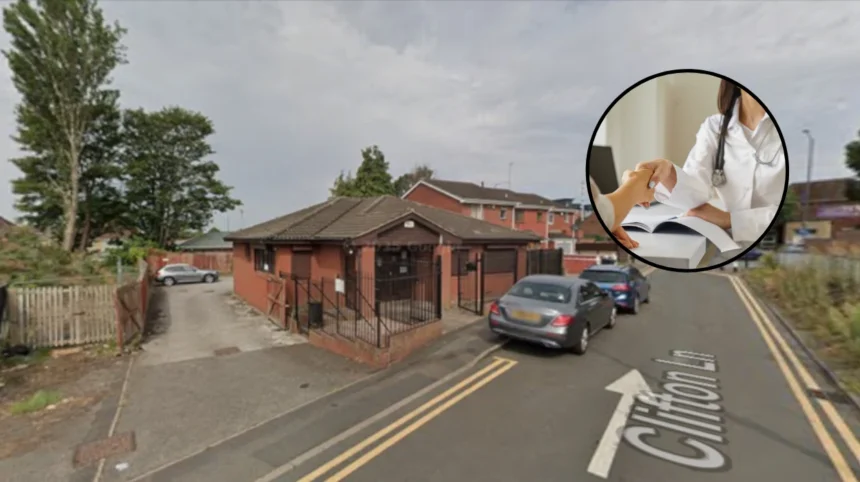
- Local Concern: Clifton Medical Centre in Stone Cross, West Bromwich, has been identified by patients as having one of the lowest ratings in the country.
- Survey Methodology: Patients were asked to categorize their overall experience with their practice as either “very good,” “good,” “poor,” or “very poor.”
- Context of Results: These findings follow the publication of national statistics on 9 July 2026, which provide a granular view of how individual practices are performing at a local level.
West Bromwich (Birmingham Express) July 20, 2026 – A GP surgery in the Black Country has been ranked among the worst in England, according to the latest data from the 2026 GP Patient Survey.
Clifton Medical Centre, located in the Stone Cross area of West Bromwich, has received one of the lowest ratings in the country following feedback from its local patient population. The results, which were officially published on 9 July 2026 by NHS England, offer a sobering look at patient satisfaction levels within the practice.
The GP Patient Survey, an annual initiative managed by independent polling specialists Ipsos, serves as a comprehensive barometer for the quality of primary care. By asking patients to rate their experiences as “very good,” “good,” “poor,” or “very poor,” the survey aims to drive accountability and highlight areas where healthcare services may be failing to meet public expectations.
What is the GP Patient Survey 2026?
According to the official statistics published by NHS England, the 2026 survey is designed to assess a wide array of healthcare touchpoints. This includes the ease of contacting a practice, the quality of care provided by healthcare professionals, experiences during periods when the practice is closed, and patient interactions with pharmacy and NHS dental services.
The findings are intended to be used by commissioners to inform improvements within Integrated Care Systems (ICS) and Primary Care Networks (PCN). Data is currently available at a national, regional, and practice-specific level, allowing for a detailed comparison of how different surgeries are managing the demands of their patient lists.
Explore More UK News
National Lottery Retail Fraud Regulated by Sandwell Council in Tipton
England’s World Cup Dream Ends After Argentina Defeat
How do patients rate their GP services nationally?
While the situation at Clifton Medical Centre has drawn specific attention, the national picture presents a more complex narrative. As reported by Healthwatch, the national patient watchdog, findings from the 650,000 respondents suggest some progress in digital access but continuing challenges regarding traditional care pathways.
Healthwatch highlighted that “over half (58%) of people said it was easy to use their GP practice’s website to get in touch, up from 51% the previous year”. Furthermore, 54% of patients found it easy to contact their practice via the NHS App. There have also been marginal improvements in the “8am phone rush,” with 57% of patients reporting success in reaching their practice by phone, compared to 53% in 2025.
However, the report also identified significant gaps in patient choice. According to Healthwatch,
“In a new question, only three in ten (31%) people referred by their GP for specialist care said they had been offered a choice of hospital”.
Additionally, 13% of patients with accessibility needs—such as those finding it difficult to see, hear, or speak—stated they never or almost never received the support required to communicate effectively with their practice.
Why are patient ratings critical for local surgeries?
For many practices, these survey results serve as a direct prompt for service redesign. As seen in other regions, many surgeries use these results to implement new triage systems, online booking portals, or updated phone lines to address recurring complaints about access.
For instance, some practices have reported that by introducing online triage, they have significantly reduced waiting times for routine appointments. However, the inclusion of Clifton Medical Centre in the list of the “worst” rated practices suggests that such operational improvements have not yet reached all corners of the primary care network.
What are the next steps for patients dissatisfied with their care?
The publication of these results is intended to empower patients to see how their specific surgery compares to local and national averages. Data tools and interactive dashboards provided by the NHS allow for granular analysis, where patients can see how their practice performs against key metrics such as “needs met,” “trust in healthcare professional,” and “helpfulness of the administrative team”.
As of the current reporting, the negative feedback surrounding the Clifton Medical Centre highlights the ongoing struggle to balance administrative efficiency with the high standards of care expected by the public. Patients at the practice or those looking to register are encouraged to review the full dataset via the official GP Patient Survey website to understand the context of these rankings and the specific areas in which the surgery may be underperforming compared to national benchmarks.
With the 2026 data now public, all eyes are on how individual practices, including those in the Black Country, will respond to this feedback to ensure that patient outcomes and satisfaction begin to trend upward in the coming year.