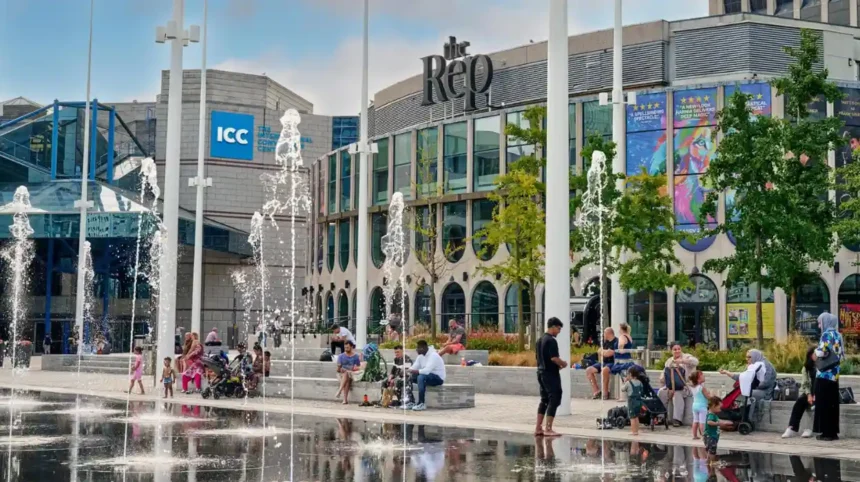
Birmingham is England’s second-largest city and one of the United Kingdom’s leading family destinations. Its industrial heritage, scientific achievements, public parks, museums, wildlife attractions, canals, and educational institutions provide children with opportunities to learn while enjoying school holidays. Families can explore centuries of history alongside modern interactive attractions, making Birmingham suitable for both educational visits and recreational outings.
- Why is Birmingham one of England’s best cities for family holidays with children?
- Which historic museums provide the best educational experiences for children?
- How do Birmingham’s wildlife attractions help children understand conservation?
- Which parks and outdoor spaces offer the most family-friendly holiday activities?
- Why are Birmingham’s canals an important family attraction?
- Which historic buildings introduce children to Birmingham’s past?
- How does Birmingham celebrate science, engineering, and industrial innovation?
- What cultural activities can families enjoy during Birmingham school holidays?
- How can families combine history, recreation, and education into one Birmingham holiday?
- Why does Birmingham remain an outstanding educational destination for children?
- Frequently Asked Question
The city’s transformation from a medieval market town into the “Workshop of the World” during the Industrial Revolution created a rich collection of museums, preserved historic buildings, engineering landmarks, and cultural institutions. Today, these heritage assets sit alongside contemporary attractions designed specifically for younger audiences.
School holidays often provide enough time for families to combine outdoor adventures, historical exploration, science education, wildlife experiences, and cultural activities into a balanced itinerary. Birmingham’s extensive public transport network, pedestrian-friendly city centre, and large number of free museums also make it accessible for visitors with different budgets.
Why is Birmingham one of England’s best cities for family holidays with children?
Birmingham combines nationally important museums, historic landmarks, interactive science centres, wildlife attractions, extensive parks, canals, theatres, and educational experiences within a compact urban area. This variety allows families to balance entertainment, learning, outdoor recreation, and cultural discovery during school holidays throughout the year.
Unlike many historic British cities that concentrate primarily on medieval heritage, Birmingham reflects several major periods of British history. Children encounter medieval churches, Georgian civic buildings, Victorian engineering, Industrial Revolution manufacturing, twentieth-century innovation, and modern architecture during a single visit.
The city’s central location also contributed to its historical development. Birmingham became Britain’s manufacturing powerhouse during the eighteenth and nineteenth centuries because of its skilled workforce, canal network, and expanding railway connections. These developments shaped many attractions that remain open today.
Museums increasingly present history through interactive exhibitions rather than static displays. This educational approach supports the National Curriculum by introducing engineering, natural history, archaeology, geography, transport, and social history in accessible formats.
Large green spaces provide additional opportunities for recreation between museum visits. Victorian planners intentionally created public parks to improve health and living conditions for Birmingham’s rapidly growing industrial population. Many remain among the city’s most popular family destinations.
Which historic museums provide the best educational experiences for children?
Birmingham’s museums preserve industrial innovation, natural history, archaeology, fine art, transport, and scientific discovery through interactive exhibitions. These institutions explain Britain’s manufacturing heritage while encouraging children to explore engineering, technology, history, and environmental science through hands-on learning experiences.
Museums form the foundation of Birmingham’s educational tourism. Many collections originated during the Victorian era when civic leaders believed public education strengthened industrial society.
Thinktank Birmingham Science Museum
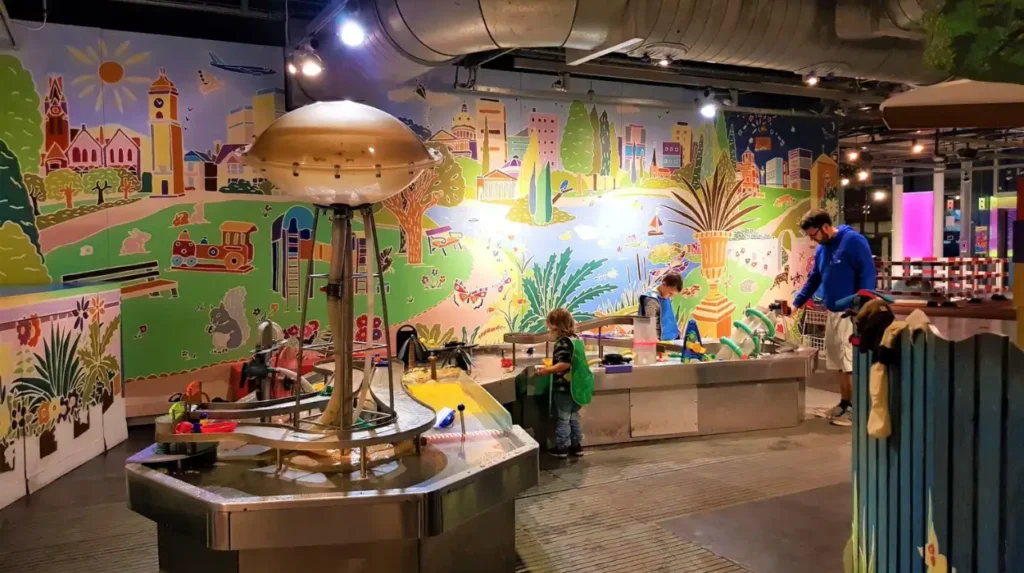
Thinktank introduces engineering, robotics, medicine, astronomy, and transport through practical demonstrations. The museum occupies part of Millennium Point, continuing Birmingham’s long association with scientific innovation.
Interactive galleries explain steam power, electricity, aviation, digital technology, and environmental science. Children engage directly with exhibits rather than simply observing artefacts.
Historic objects include steam engines, early motor vehicles, industrial machinery, and scientific instruments illustrating Britain’s technological development from the eighteenth century onward.
Birmingham Museum and Art Gallery
Originally opened in 1885, Birmingham Museum and Art Gallery reflects Victorian ambitions to make education accessible to the public.
Collections include Ancient Egypt, Roman Britain, archaeology, decorative arts, local history, and internationally recognised Pre-Raphaelite paintings.
Family activities frequently encourage younger visitors to interpret historical artefacts through observation, drawing, and storytelling while learning about Birmingham’s cultural development.
Museum of the Jewellery Quarter
The Jewellery Quarter produced around 40 percent of Britain’s jewellery during the early twentieth century.
Children discover traditional manufacturing methods inside a preserved jewellery workshop where original machinery, workbenches, and tools demonstrate skilled craftsmanship.
The museum explains how generations of specialist artisans contributed to Birmingham’s international reputation for precision manufacturing.
How do Birmingham’s wildlife attractions help children understand conservation?
Wildlife attractions combine recreation with environmental education by introducing biodiversity, endangered species, ecosystems, animal behaviour, and conservation programmes. These experiences encourage children to understand global environmental challenges while supporting scientific learning outside traditional classroom settings throughout holiday periods.
Conservation education has become central to modern zoological institutions. Birmingham’s wildlife attractions increasingly focus on habitat protection rather than simple animal exhibition.
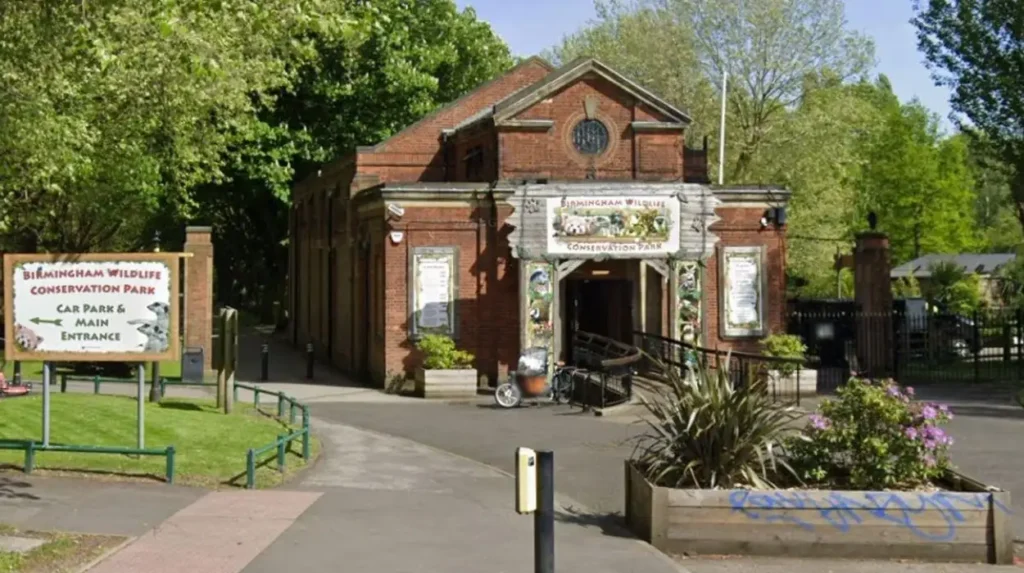
Birmingham Wildlife Conservation Park
Located beside Cannon Hill Park, Birmingham Wildlife Conservation Park specialises in smaller endangered species rather than large safari animals.
Children observe lemurs, red pandas, reptiles, birds, amphibians, primates, and mammals while learning about habitat destruction and conservation breeding programmes.
Educational talks explain food chains, adaptation, ecosystems, and international wildlife protection initiatives.
Nature reserves and green habitats
Several local nature reserves introduce woodland ecology, wetlands, insects, birds, and native British wildlife.
Seasonal guided activities help children recognise trees, flowers, butterflies, and migratory birds while developing observation skills.
These outdoor experiences complement classroom science by connecting environmental theory with real ecosystems.
Which parks and outdoor spaces offer the most family-friendly holiday activities?
Birmingham’s historic parks combine recreation, heritage landscapes, sports facilities, lakes, playgrounds, gardens, walking routes, and seasonal events. Many originated during Victorian urban planning programmes that promoted healthier living conditions for rapidly expanding industrial communities and remain valuable public spaces today.
Public parks became essential components of nineteenth-century city planning.
Industrial expansion increased population density, encouraging civic authorities to establish green spaces where families could exercise and escape pollution.
Cannon Hill Park
Opened in 1873, Cannon Hill Park covers approximately 250 acres.
Its lakes, woodland, gardens, miniature golf, boating facilities, sports areas, and extensive playgrounds provide activities for different age groups.
The park frequently hosts outdoor festivals, educational programmes, and seasonal family events during school holidays.
Sutton Park
Sutton Park represents one of Europe’s largest urban parks.
Its heathland, woodland, wetlands, ancient wood pasture, lakes, and archaeological features create opportunities for walking, cycling, wildlife observation, and outdoor learning.
The park also preserves evidence of earlier human settlement, illustrating centuries of landscape evolution.
Lickey Hills Country Park
Lickey Hills provides panoramic views across the West Midlands alongside woodland trails suitable for families.
Geological formations reveal millions of years of natural history, supporting educational discussions about rocks, landscapes, and environmental change.
Why are Birmingham’s canals an important family attraction?
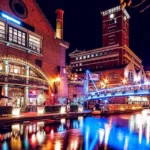
Birmingham’s canals explain Britain’s Industrial Revolution by demonstrating how goods moved before modern railways and motorways. Walking, cycling, and boat trips introduce children to engineering, transport history, urban regeneration, and the city’s manufacturing economy in accessible surroundings.
Many visitors associate canals primarily with leisure, yet they originally formed industrial infrastructure.
By the late eighteenth century, Birmingham developed one of Britain’s largest canal networks.
These waterways transported coal, iron, glass, ceramics, manufactured goods, and raw materials between factories and regional markets.
Children can observe locks, bridges, towpaths, warehouses, and restored industrial buildings while understanding historical transport systems.
Modern canal-side regeneration transformed former industrial districts into public spaces featuring restaurants, cultural venues, pedestrian routes, and green corridors.
Boat tours explain lock operation, canal engineering, and urban history through guided interpretation.
To experience Birmingham’s historic waterways alongside other major attractions today, consult our comprehensive [How to Keep Children Entertained During Birmingham School Holidays] for itineraries and visiting parameters.
Which historic buildings introduce children to Birmingham’s past?
Historic buildings preserve Birmingham’s architectural development from the medieval period through Victorian expansion. Churches, civic buildings, libraries, and restored public institutions introduce children to religion, government, education, architecture, and urban development across several centuries of local history.
Historic architecture provides visible evidence of changing social priorities.
Birmingham Cathedral
Originally completed in 1715 as St Philip’s Church, Birmingham Cathedral represents English Baroque architecture.
Its stained-glass windows designed by Edward Burne-Jones connect local artistic achievement with international artistic movements.
Children also learn how churches functioned as community centres before modern civic institutions expanded.
Library of Birmingham
Although modern in appearance, the Library celebrates Birmingham’s literary and educational traditions.
Collections preserve manuscripts, photographs, maps, archives, and historical records documenting local history.
Public exhibitions regularly introduce younger audiences to genealogy, historical research, and cultural heritage.
Victoria Square and Council House
Victoria Square developed as Birmingham’s civic centre during the nineteenth century.
The Council House reflects Victorian confidence in municipal government and public investment.
Public sculptures commemorate important historical figures connected with Birmingham’s industrial, political, and cultural development.
How does Birmingham celebrate science, engineering, and industrial innovation?
Birmingham became a global manufacturing centre through engineering, metallurgy, transport innovation, and scientific research. Museums, preserved factories, engineering collections, and educational exhibitions demonstrate how inventors and skilled workers transformed Britain’s economy during the Industrial Revolution and beyond.
Few British cities influenced industrial development as significantly as Birmingham.
Matthew Boulton established the Soho Manufactory during the eighteenth century.
Working with James Watt, he improved steam engine production, accelerating industrialisation across Britain and internationally.
The Lunar Society of Birmingham brought together scientists, industrialists, physicians, and inventors who exchanged ideas that influenced engineering, chemistry, astronomy, and manufacturing.
Modern exhibitions explain these achievements through interactive demonstrations suitable for younger visitors.
Engineering displays show how gears, engines, bridges, machinery, and manufacturing processes operate using practical examples.
Children also discover Birmingham’s contribution to transport industries, including bicycles, motor vehicles, railway equipment, and aviation components.
What cultural activities can families enjoy during Birmingham school holidays?
Birmingham offers theatre performances, music programmes, festivals, storytelling sessions, workshops, public art, libraries, and seasonal celebrations designed for younger audiences. These cultural experiences encourage creativity while introducing children to literature, performing arts, and local traditions throughout the holiday calendar.
The city’s cultural institutions increasingly combine entertainment with educational objectives.
The Birmingham Hippodrome regularly stages family productions during school holidays, introducing younger audiences to theatre.
Libraries organise reading programmes, storytelling sessions, and creative workshops encouraging literacy development.
Public festivals celebrate Birmingham’s multicultural population through music, dance, crafts, food, and community participation.
Art galleries often provide practical activities where children create artwork inspired by historical collections.
These experiences demonstrate how cultural participation contributes to lifelong education beyond formal schooling.
How can families combine history, recreation, and education into one Birmingham holiday?
Successful family holidays balance museum visits, outdoor recreation, wildlife experiences, historical exploration, cultural activities, and rest periods. Birmingham’s compact city centre, efficient transport, and diverse attractions enable flexible itineraries that accommodate different ages, interests, and learning styles throughout extended school breaks.
Families often benefit from alternating indoor and outdoor activities.
Morning museum visits allow children to engage with educational exhibitions while energy levels remain high.
Afternoons in parks or along canal routes provide opportunities for physical activity and informal exploration.
Historic neighbourhoods such as the Jewellery Quarter combine architecture, museums, independent shops, and cafés within walkable distances.
Seasonal programming also changes throughout the year.
Spring introduces nature activities and outdoor festivals.
Summer expands open-air performances, boating, and park events.
Autumn features heritage programmes and educational workshops.
Winter includes festive markets, museum exhibitions, and indoor cultural performances.
This variety ensures Birmingham remains an attractive family destination regardless of school holiday timing.
Why does Birmingham remain an outstanding educational destination for children?
Birmingham preserves centuries of British industrial, scientific, architectural, and cultural history while presenting it through modern museums, parks, wildlife attractions, canals, and educational programmes. Families experience learning beyond classrooms by exploring authentic heritage sites that continue serving contemporary communities.
The city’s historical significance extends well beyond its famous Industrial Revolution legacy.
Medieval churches demonstrate early urban development.
Georgian architecture reflects commercial expansion.
Victorian museums preserve public education ideals.
Industrial heritage explains Britain’s manufacturing leadership.
Modern science centres connect historical innovation with future technology.
Equally important is Birmingham’s continuing investment in heritage preservation. Historic buildings receive ongoing conservation, museums expand educational programming, and regenerated industrial districts demonstrate how historic infrastructure adapts to contemporary urban life.
For children, these experiences transform history from textbook knowledge into tangible places, objects, and stories. Museums display original machinery that powered factories, canals reveal how goods travelled before railways, wildlife parks encourage environmental responsibility, and historic civic buildings illustrate changing ideas about government and public services.
This combination of authentic heritage, accessible education, interactive learning, extensive green spaces, and family-focused attractions explains why Birmingham continues to rank among England’s strongest destinations for school holiday visits. Whether exploring scientific discoveries, observing wildlife, walking through historic neighbourhoods, or discovering Britain’s industrial achievements, families encounter an educational landscape that connects the past directly with the present while encouraging curiosity about the future.
Frequently Asked Question
What are the best free things to do in Birmingham with kids during school holidays?
Many of Birmingham’s top family attractions are free, including Birmingham Museum & Art Gallery, the Library of Birmingham, Sutton Park, Cannon Hill Park, and walks along the city’s historic canal network. These attractions offer educational exhibits, playgrounds, green spaces, and heritage experiences, making them ideal for families looking for affordable school holiday activities.