Key Points
- Proposed Closures: Five Urgent Treatment Centres (UTCs) across Birmingham face potential closure or major restructuring under a new NHS modernization plan.
- The Inconsistency Issue: An internal review by NHS Birmingham and Solihull Integrated Care Board (ICB) revealed that current centres operate inconsistently and fail to meet national standards.
- Two Reform Pathways: A public consultation introduces two core options, both resulting in the shutdown of existing walk-in facilities in favor of centralized hubs.
- The Referral Shift: Under certain proposed models, open walk-in access would be eliminated, forcing patients to secure a professional referral first.
- Digital-First GP Care: Out-of-hours GP services across Birmingham and Solihull are slated to shift primarily to virtual consultations, restricting face-to-face visits to strictly necessary cases.
Birmingham (Birmingham Express) June 23, 2026 – A major overhaul of frontline healthcare across Birmingham and Solihull could see the closure of multiple Urgent Treatment Centres (UTCs) after an official review deemed the current network inconsistent and non-compliant with national guidelines. NHS Birmingham and Solihull has launched a comprehensive public consultation detailing two distinct restructuring options, both of which threaten the survival of existing community walk-in facilities. Currently, five UTCs operate across the region—located in Sutton Coldfield, Erdington, Washwood Heath, Selly Oak, and Summerfield—providing critical care for urgent, non-life-threatening illnesses and injuries. Healthcare leaders argue the shake-up is necessary to standardize care and streamline strained resources, while local communities face the prospect of losing immediate, unreferred access to medical attention.
- Why Is NHS Birmingham and Solihull Restructuring Urgent Care?
- What Happens Under Option One of the Consultation?
- Which Facilities Would Remain Open and Upgraded?
- How Would Summerfield and Washwood Heath Be Affected?
- What Happens Under Option Two of the Consultation?
- How Will Out-of-Hours GP Services Change Across the Region?
- What Could Be the Impact of These Changes on Patients?
- Will Hospital A&E Departments Face Higher Demand?
- How Will the Loss of Walk-In Access Affect Vulnerable Populations?
- How Can the Public Participate in the NHS Consultation?
Why Is NHS Birmingham and Solihull Restructuring Urgent Care?
The driving force behind the controversial proposals is a formal evaluation conducted by health commissioners, which highlighted significant disparities in how the city’s urgent care facilities operate. According to official consultation documents published by NHS Birmingham and Solihull, the five existing UTCs lack operational uniformity, leading to varied patient experiences and inefficient resource allocation across the metropolitan area.
As reported by health reporters analyzing the consultation framework, the review explicitly concluded that the current facilities “do not all operate consistently or fully meet national guidance.” Under national NHS mandates, UTCs are expected to offer a highly standardized set of diagnostic and treatment capabilities, including consistent opening hours, access to X-ray facilities, and seamless integration with broader emergency networks. The ICB argues that maintaining the status quo prevents the region from achieving a cohesive, modern care system capable of easing the burden on heavily congested Emergency Departments (A&E) at major hospitals like Queen Elizabeth and Heartlands.
What Happens Under Option One of the Consultation?
The first pathway presented to the public focuses on a partial consolidation of the existing UTC network, upgrading select sites while converting others into specialized, referral-only hubs.
Which Facilities Would Remain Open and Upgraded?
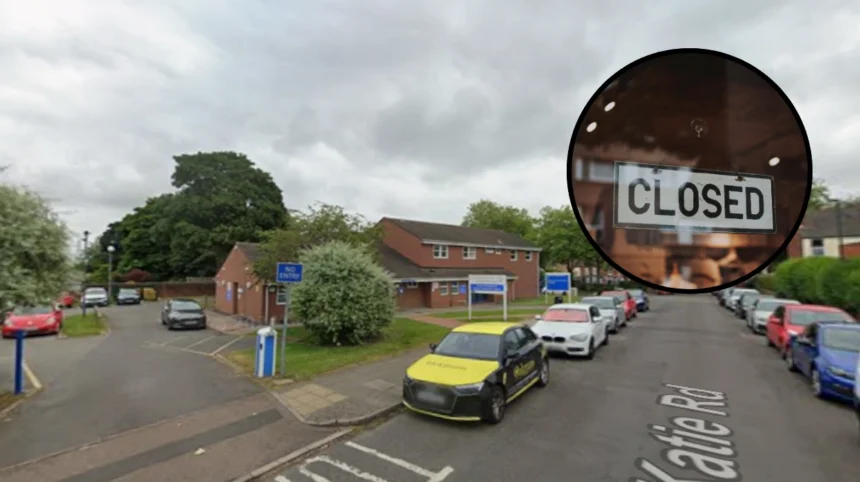
Under Option One, the NHS would retain two primary Urgent Treatment Centres. The facility in Erdington and the South Birmingham UTC, located on Katie Road in Selly Oak, would remain open. Both sites would receive significant investments to upgrade their infrastructure, diagnostic equipment, and staffing levels, ensuring they fully align with national clinical standards. These upgraded sites would continue to provide walk-in services for minor injuries and illnesses.
How Would Summerfield and Washwood Heath Be Affected?
Conversely, the UTCs at Summerfield and Washwood Heath would be permanently closed in their current forms. As reported by the editorial staff at BBC News, these locations would see their walk-in urgent care models completely dismantled. In their place, the NHS plans to introduce “specialist urgent care services based at local health hubs” within the same geographic areas.
These localized health hubs would pivot toward targeted clinical disciplines, focusing heavily on what planners describe as “specific local needs such as frailty, respiratory care, heart care or wound care.” However, this model introduces a structural barrier for patients: unlike the current walk-in system, individuals would require a formal referral from a healthcare professional—such as a GP, NHS 111 advisor, or ambulance crew—to access care at these redesigned hubs.
Explore More Local Birmingham News
Council Saves Crumbling Methodist Central Hall Landmark: Birmingham 2026
Top Birmingham Schools Named in England’s Top 100 League Table: Birmingham 2026
What Happens Under Option Two of the Consultation?
The second proposed option outlines a more radical reorganization, liquidating the traditional UTC model almost entirely in favor of a decentralized network of Community Urgent Care Centres.
Which Major Urgent Treatment Centres Would Shut Down?
Option Two expands the closure list significantly. Under this framework, the Summerfield, Washwood Heath, and Erdington UTCs would all close. Furthermore, the high-volume South Birmingham UTC in Selly Oak would also shut its doors entirely, marking a total departure from the current regional footprint.
What Are Community Urgent Care Centres?
To fill the void left by these widespread closures, the NHS proposes opening two new Community Urgent Care Centres at Moseley Hall and West Heath, alongside community-level replacements on the former Summerfield, Washwood Heath, and Erdington sites.
These re-engineered centres would feature a fundamentally altered clinical scope. They are designed to treat patients presenting strictly with low-acuity minor illnesses and injuries. Crucially, these sites would be tailored for patients “who are unlikely to need X-rays or stitches.” While walk-in access and NHS 111 booked appointments would remain available, the loss of on-site diagnostic tools like X-rays means individuals with suspected fractures would face redirection to centralized hospitals.
How Will Out-of-Hours GP Services Change Across the Region?
Parallel to the physical closure of physical treatment centres, the consultation outlines a profound transformation in how out-of-hours primary care is delivered to millions of residents across Birmingham and Solihull.
Will Digital Consultations Become the Standard?
Both Option One and Option Two seek to unify out-of-hours GP care into a single, centralized service spanning the entire Birmingham and Solihull footprint. This consolidated service will adopt a digital-first framework. The NHS intends to route the vast majority of evening, weekend, and holiday inquiries through virtual consultations, utilizing phone and video assessments as the primary triage and treatment mechanism.
When Will Face-to-Face Appointments Be Allowed?
While the operational priority shifts heavily toward virtual care, the NHS maintains that physical medicine will not be entirely abandoned. Face-to-face appointments and home visits will remain integrated into the service architecture, but they will be strictly reserved for complex cases where a clinical outcome cannot be safely achieved online or over the phone. Under Option Two, these physical out-of-hours appointments would be directly anchored within the newly established local health hubs, forcing a tighter integration between community clinics and nocturnal medical services.
What Could Be the Impact of These Changes on Patients?
The publication of these options has ignited immediate debate among healthcare advocates, local politicians, and residents regarding the accessibility and safety of emergency care in the West Midlands.
Will Hospital A&E Departments Face Higher Demand?
A primary concern raised by community representatives is the potential knock-on effect on the city’s already overstretched accident and emergency departments. Opponents of the closures argue that stripping neighborhoods of walk-in services—or removing essential capabilities like X-rays and stitches from local hubs—will inevitably push anxious patients toward major hospitals. If a parent cannot take a child with a suspected broken bone to a local UTC, the default alternative becomes the nearest hospital emergency room, potentially exacerbating waiting times for life-threatening traumas.
How Will the Loss of Walk-In Access Affect Vulnerable Populations?
The transition from an open walk-in model to a referral-only or digital-first system introduces significant navigation hurdles for vulnerable demographics. Eldery patients, individuals experiencing homelessness, and those without reliable internet or smartphone access may find a virtual-first out-of-hours GP service or a referral-mandatory health hub difficult to navigate. Health inequality advocates warn that erecting logistical barriers to immediate care frequently leads to delayed treatment, resulting in worse clinical outcomes for chronic conditions like respiratory and heart disease.
How Can the Public Participate in the NHS Consultation?
As the proposed changes represent a substantial shift in statutory service delivery, NHS Birmingham and Solihull Integrated Care Board is legally required to undergo an extensive period of public scrutiny before executing either option.
Where Can Residents Review the Full Proposals?
The complete consultation documentation, detailing the clinical justifications, geographic shifting of services, and financial projections, has been made accessible via the official NHS Birmingham and Solihull engagement portals. The board is distributing physical summaries to local libraries, community hubs, and GP surgeries to maximize visibility among residents who may be directly impacted by the dissolution of their local UTCs.
How Can Feedback Be Submitted to Healthcare Decision-Makers?
The ICB is actively inviting feedback from residents, patients, and healthcare staff through a variety of channels. Members of the public can complete an online evaluation questionnaire, attend scheduled town hall meetings, or submit formal written feedback via post. The responses gathered during this consultation window will be analyzed by an independent oversight body before being presented to the NHS executive board, which will make the final determination on whether Option One, Option Two, or a modified compromise will dictate the future of urgent care in Birmingham.