Birmingham is England’s second-largest city and one of the United Kingdom’s most historically significant urban centres. Located in the West Midlands, Birmingham developed from a medieval market town into a global manufacturing powerhouse during the Industrial Revolution. Today, the city combines industrial heritage, cultural institutions, green spaces, educational attractions, and family-oriented entertainment, making it an ideal destination for a weekend visit.
- Why is Birmingham a suitable destination for a family-friendly weekend?
- What historical background should families understand before visiting Birmingham?
- How can families structure a two-day Birmingham itinerary?
- Which historic areas should families explore during a Birmingham weekend?
- What museums provide the best educational experiences for families?
- How did Birmingham’s canal system influence the city’s development?
- What outdoor spaces offer educational and recreational opportunities?
- Which cultural attractions enrich a family visit to Birmingham?
- How does Birmingham preserve its industrial heritage today?
- What can families learn from Birmingham’s historical evolution?
- Why does Birmingham remain an important destination for heritage-focused family travel?
Families visiting Birmingham benefit from a dense concentration of museums, historic landmarks, canals, parks, and interactive learning environments. The city’s historical evolution remains visible through preserved architecture, restored industrial infrastructure, and nationally significant heritage sites. Understanding Birmingham’s historical development helps visitors create a meaningful itinerary that balances education, recreation, and cultural exploration.
Why is Birmingham a suitable destination for a family-friendly weekend?
Birmingham combines industrial heritage, educational attractions, extensive parkland, cultural institutions, and accessible transport networks. Families can explore museums, historic districts, wildlife attractions, and recreational spaces within a compact urban area, creating a balanced weekend itinerary that accommodates different age groups and interests.
Birmingham occupies a central position within England and serves as a major transportation hub. The city contains more than 570 parks and open spaces, including examples such as Sutton Park, Cannon Hill Park, and Lickey Hills Country Park. This extensive green infrastructure complements its museums, galleries, and historic landmarks.
The city’s history stretches back over 1,000 years. First recorded in the Domesday Book of 1086, Birmingham expanded rapidly during the eighteenth and nineteenth centuries. By the Victorian era, it had become a leading centre for metalworking, engineering, and manufacturing.
Modern Birmingham retains significant remnants of this industrial legacy. Historic canal networks, preserved factories, and restored public buildings provide educational opportunities for children while offering historical context for adults.
Families benefit from a concentration of attractions within relatively short travel distances. Public transportation, pedestrian-friendly districts, and integrated cultural quarters simplify weekend planning.
What historical background should families understand before visiting Birmingham?
Birmingham evolved from a medieval settlement into a major industrial city. Its growth during the Industrial Revolution shaped modern Britain and left a lasting legacy of canals, manufacturing innovation, public institutions, and cultural landmarks that remain visible throughout the city today.
The earliest known settlement developed around a market charter granted in 1166. This charter established Birmingham as a commercial centre and encouraged economic expansion throughout the medieval period.
During the seventeenth century, Birmingham became known for metalworking trades. Skilled artisans produced tools, weapons, buttons, buckles, and household goods. These industries created foundations for later industrial expansion.
The Industrial Revolution transformed Birmingham dramatically. Between 1700 and 1900, population growth accelerated as factories and workshops attracted workers from across Britain. Engineering firms, scientific innovators, and entrepreneurs established Birmingham as one of Europe’s leading industrial centres.
Notable historical figures influenced this development. Examples include Matthew Boulton, whose Soho Manufactory pioneered industrial production methods, and James Watt, whose steam engine innovations advanced manufacturing efficiency.
The city’s Victorian leaders invested heavily in public infrastructure. Libraries, museums, schools, and civic buildings expanded educational access and improved urban living conditions.
Today, these developments remain visible through preserved districts, museums, and public monuments that families can explore during a weekend visit.
How can families structure a two-day Birmingham itinerary?
A successful family weekend combines heritage attractions, educational museums, outdoor recreation, and cultural experiences. One day should focus on Birmingham’s historical core and museums, while the second day should emphasize green spaces, wildlife attractions, and interactive learning experiences.
A two-day itinerary benefits from balancing indoor and outdoor activities.
The first day should focus on Birmingham city centre. Families can begin at the historic canal district before visiting museums that explain the city’s industrial development. Walking through central Birmingham introduces visitors to Victorian architecture, civic institutions, and commercial districts.
The second day can emphasize recreational and educational attractions located beyond the central core. Parks, wildlife centres, and family-oriented museums provide opportunities for longer visits and outdoor exploration.
This structure ensures exposure to Birmingham’s history while maintaining variety for younger visitors.
To experience the city’s historic landmarks in person today, consult our comprehensive [Best Family-Friendly Things to Do in Birmingham This Weekend] for itineraries and visiting parameters.
Which historic areas should families explore during a Birmingham weekend?
Several historic districts preserve Birmingham’s industrial and cultural heritage. Areas including the Jewellery Quarter, the Canal Network, and the Civic Centre contain significant architecture, museums, and public spaces that illustrate the city’s transformation across multiple centuries.
The Jewellery Quarter represents one of Europe’s most important jewellery manufacturing centres. More than 200 listed buildings survive within this district. Historic workshops, cemeteries, and museums document centuries of craftsmanship.
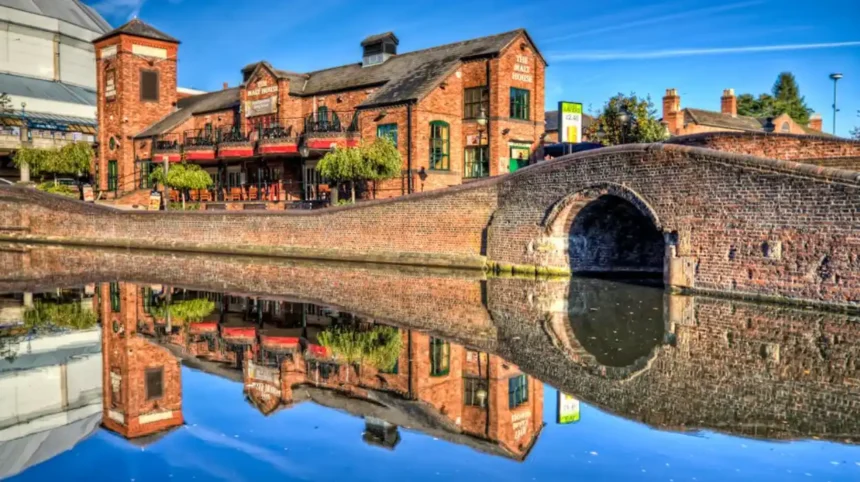
The canal network forms another major historical asset. Birmingham contains more miles of canals than Venice. During the eighteenth and nineteenth centuries, these waterways transported coal, iron, and manufactured goods throughout Britain.
The city’s Civic Centre contains notable Victorian architecture. Buildings constructed during the nineteenth century reflect Birmingham’s prosperity and commitment to public education and governance.
Walking tours through these districts reveal how industrial expansion influenced urban planning, architecture, and economic development.
Families gain historical context while enjoying safe and accessible public environments.
What museums provide the best educational experiences for families?
Birmingham’s museums combine historical interpretation, scientific education, and interactive learning. Institutions covering industrial history, archaeology, transportation, and art enable children and adults to understand the city’s development through engaging exhibits and preserved artefacts.
Birmingham Museum and Art Gallery houses extensive collections spanning archaeology, fine art, local history, and decorative arts.
The museum preserves artefacts that illustrate Birmingham’s evolution from medieval settlement to industrial city. Educational programmes support family learning and historical understanding.
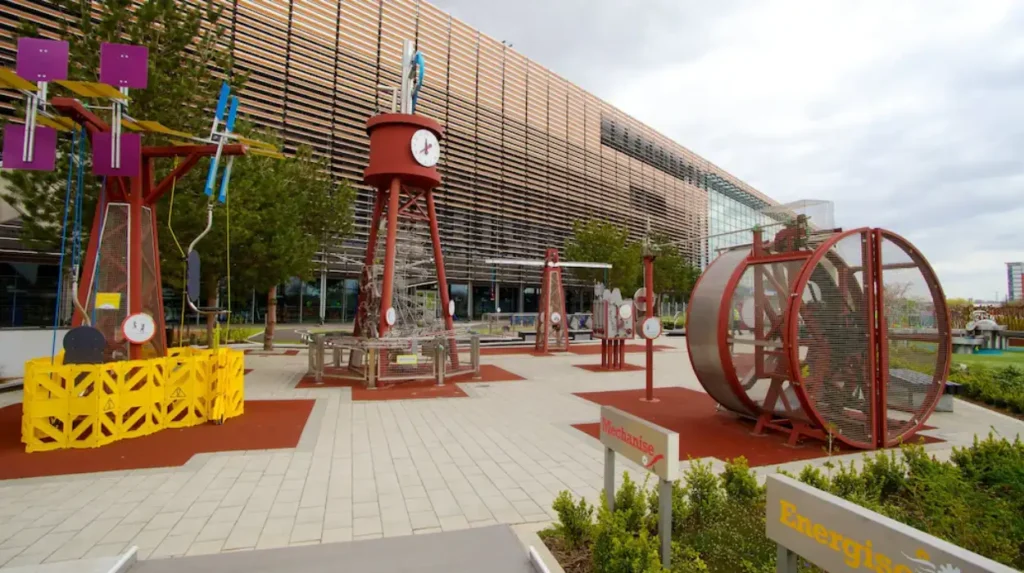
Thinktank Birmingham Science Museum offers interactive exhibits focused on engineering, technology, and scientific innovation. Historical machinery demonstrates Birmingham’s manufacturing legacy.
Families interested in industrial history often visit Museum of the Jewellery Quarter. Preserved workshops provide insight into manufacturing techniques used throughout the nineteenth and twentieth centuries.
These institutions transform historical concepts into accessible educational experiences for younger audiences.
How did Birmingham’s canal system influence the city’s development?
Birmingham’s canals enabled industrial expansion by transporting raw materials and manufactured goods efficiently. Constructed primarily during the eighteenth and nineteenth centuries, the waterways connected factories to national markets and contributed significantly to Britain’s industrial growth.
Canal construction accelerated during the late eighteenth century. Engineers developed networks that linked Birmingham to regional and national transport routes.
Coal transported via canals powered factories and workshops. Iron, steel, and manufactured products moved efficiently between production centres and commercial markets.
The waterways reduced transportation costs and improved supply reliability. These advantages encouraged industrial investment and population growth.
Modern canal restoration projects preserve this heritage. Families can walk along towpaths, observe historic infrastructure, and learn how transportation technology influenced economic development.
The canal network also supports biodiversity and recreational activities, demonstrating how historical infrastructure can serve contemporary urban needs.
What outdoor spaces offer educational and recreational opportunities?
Birmingham’s parks preserve natural habitats while providing opportunities to understand landscape history, urban planning, and conservation. Large green spaces support recreation, environmental education, and family activities throughout the year.
Sutton Park covers approximately 2,400 acres and ranks among Europe’s largest urban parks.
The park contains heathland, woodland, wetlands, and lakes. These ecosystems support diverse wildlife populations and provide opportunities for environmental education.
Cannon Hill Park reflects Victorian approaches to urban planning. Municipal leaders created public parks to improve health and quality of life during rapid industrialisation.
Families can observe how urban green spaces evolved alongside industrial expansion.
These environments complement museum visits by demonstrating relationships between human development and natural landscapes.
Which cultural attractions enrich a family visit to Birmingham?
Birmingham’s cultural institutions preserve artistic, musical, and theatrical traditions while providing educational experiences. These attractions demonstrate how cultural development accompanied industrial growth and contributed to the city’s national significance.
The city has a long tradition of artistic innovation. Public investment in museums, libraries, and concert venues expanded during the nineteenth century.
The Library of Birmingham represents one of Europe’s largest public libraries. Its collections support historical research, genealogy, and educational exploration.
Performance venues contribute to Birmingham’s cultural identity. Music, theatre, and public events illustrate the city’s role in national cultural development.
Families gain broader perspectives on Birmingham’s history by exploring institutions that preserve both industrial and cultural achievements.
How does Birmingham preserve its industrial heritage today?
Birmingham preserves industrial heritage through conservation projects, listed buildings, museums, archives, and educational programmes. These initiatives protect historically significant structures while ensuring future generations understand the city’s role in Britain’s industrial development.
Historic preservation efforts involve government agencies, local authorities, universities, and heritage organisations.
Many industrial buildings receive legal protection through listing systems. Restoration projects maintain architectural integrity while adapting structures for modern use.
Archives preserve manufacturing records, engineering drawings, and municipal documents. Researchers use these collections to study industrial development and social history.
Museums interpret industrial processes through exhibitions, demonstrations, and educational programmes.
These preservation efforts ensure Birmingham’s historical significance remains accessible to residents, students, educators, and visitors.
What can families learn from Birmingham’s historical evolution?
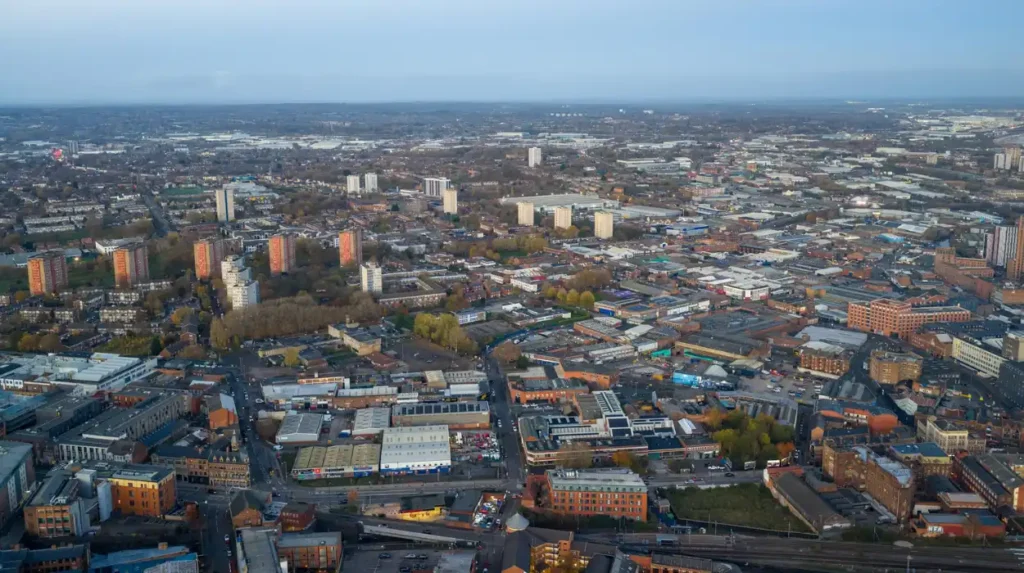
Birmingham demonstrates how innovation, industry, education, and public investment transformed a medieval market town into a globally influential city. Families can observe the lasting effects of technological advancement, urban planning, and cultural development through preserved historical environments.
The city illustrates key themes in British history.
Industrialisation reshaped economic systems and urban populations. Examples include manufacturing expansion, transportation networks, and engineering innovation.
Public institutions improved education and civic engagement. Examples include libraries, museums, and municipal governance structures.
Conservation initiatives demonstrate modern approaches to preserving historical resources. Examples include restored canals, protected workshops, and heritage districts.
These lessons remain relevant because cities worldwide continue addressing challenges involving economic development, environmental sustainability, and heritage preservation.
A family weekend in Birmingham therefore offers more than entertainment. It provides direct engagement with historical processes that influenced Britain, Europe, and the wider industrial world.
Why does Birmingham remain an important destination for heritage-focused family travel?
Birmingham remains important because it preserves significant evidence of Britain’s industrial, cultural, and urban development. Families can access museums, historic districts, public institutions, and green spaces that collectively explain centuries of social, technological, and economic transformation.
The city’s historical resources remain unusually diverse. Medieval origins, industrial infrastructure, Victorian architecture, and contemporary cultural institutions coexist within a connected urban landscape.
Educational attractions support multiple audiences, including children, teachers, researchers, genealogists, and heritage enthusiasts.
Preserved landmarks demonstrate how technological innovation influenced society. Public museums provide access to historical evidence. Green spaces reveal changing approaches to urban planning and environmental management.
This combination of accessibility, historical depth, and educational value makes Birmingham one of England’s strongest destinations for family-oriented heritage tourism.
Families who spend a weekend exploring Birmingham gain a deeper understanding of industrial history, civic development, cultural achievement, and urban transformation. These themes continue shaping modern cities and ensure Birmingham’s historical relevance remains enduring for future generations.
What are the best family attractions in Birmingham?
Top attractions include Thinktank Birmingham Science Museum, Birmingham Museum & Art Gallery, Cannon Hill Park, and the Jewellery Quarter.