Key Points
- The Home Office launched its ‘No Place For Knives’ campaign across designated knife crime hotspots in Birmingham on 2 November 2026.
- Police operations under the campaign combine increased foot patrols, live facial recognition technology, rapid-response e-bike units, and targeted metal detection arches.
- Public advertisements and educational materials are being rolled out across public transport hubs, social media channels, and high-footfall urban locations.
- The initiative sits within a broader UK government strategy aiming to cut knife crime in half over ten years through targeted enforcement and early intervention.
- Campaigners and community representatives supported the decision to involve young people in shaping the initiative’s anti-violence messaging.
Birmingham (Birmingham Express) November 2, 2026 – The Home Office has launched its nationwide ‘No Place For Knives’ campaign in Birmingham to tackle knife violence through intensified police operations and community-focused prevention. The strategy introduces enhanced foot patrols, live facial recognition technology, and mobile metal detection across key retail and transport zones.
What Is the ‘No Place For Knives’ Campaign and Where Is It Being Deployed?
As reported by Emmanuel Eze of Arbiterz, the UK Home Office has rolled out the ‘No Place For Knives’ campaign to combat knife-related violence across selected high-density urban areas, including Birmingham city centre. The initiative combines targeted law enforcement with public awareness materials to deter individuals from carrying weapons.
In Birmingham, key focal areas include busy thoroughfares and transport interchanges such as New Street station, the Bullring shopping district, and Digbeth. Adverts designed to challenge misconceptions about weapon carrying are set to appear on digital billboards, bus stops, and popular social media platforms.
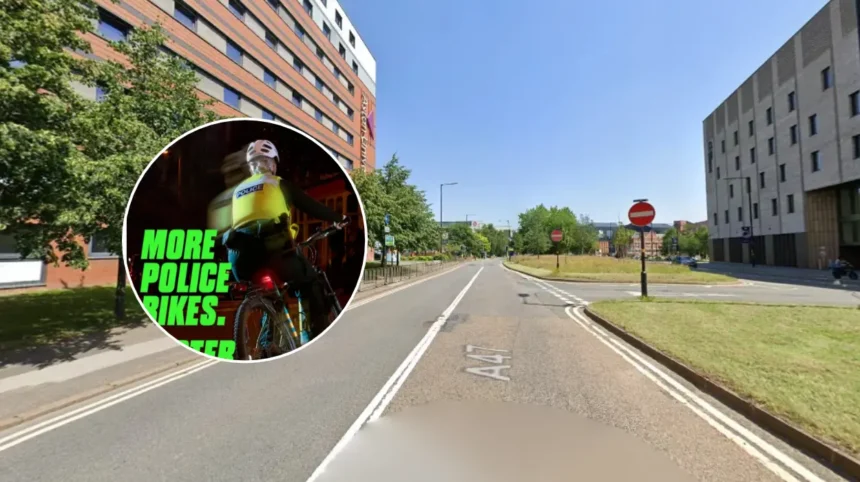
The physical deployment includes rapid-response electric bike patrols and live facial recognition systems aimed at identifying individuals wanted for violent offences. Targeted metal detection arches are also being positioned in high-footfall locations alongside joint operations involving West Midlands Police and the British Transport Police.
How Are Government Officials and Community Leaders Responding?
The initiative is part of a broader government pledge to reduce knife-enabled crime by 50 per cent over the next ten years through combined enforcement and early intervention.
As reported by Fattyma Ibrahim of The Daily Circular, Patrick Green, Chief Executive of the Ben Kinsella Trust, stated that “By listening to young people and reflecting their experiences in the campaign, the Home Office has created a stronger and more authentic platform for encouraging safer choices and preventing violence”.
“By listening to young people and reflecting their experiences in the campaign, the Home Office has created a stronger and more authentic platform for encouraging safer choices and preventing violence.”
— Patrick Green, Chief Executive of the Ben Kinsella Trust
Local authority leaders in Birmingham have highlighted complementary public safety actions currently underway in the region.
As detailed by official council statements, Councillor Jamie Tennant, Cabinet Member for Social Justice, Community Safety and Equalities at Birmingham City Council, stated that “Birmingham is a vibrant and welcoming city… That’s why we’ve introduced bold measures—PSPOs, hostile vehicle mitigation, knife arches, better lighting, and our nationally recognised enforcement work—to strengthen visible policing and reassure visitors”.
“Birmingham is a vibrant and welcoming city, especially during the festive season. We know that safety is key to people enjoying our shops, cultural venues, and Christmas markets. That’s why we’ve introduced bold measures—PSPOs, hostile vehicle mitigation, knife arches, better lighting, and our nationally recognised enforcement work—to strengthen visible policing and reassure visitors.”
— Councillor Jamie Tennant, Birmingham City Council
Background of the Particular Development
Knife crime has remained a central focus for public safety policy across major West Midlands urban areas over recent years. Previous data released by the Home Office indicated that targeted intervention schemes deployed across priority police force areas successfully contributed to reductions in knife-enabled robberies.
In Birmingham, local anti-violence strategies have previously incorporated Public Space Protection Orders (PSPOs), street lighting upgrades, and dedicated youth engagement programmes to address environmental and social factors contributing to knife carrying. The integration of advanced surveillance technology, such as live facial recognition, follows operational pilots evaluated in major metropolitan centers.
Prediction: How This Development Can Affect Residents, Businesses, and Young People in Birmingham
The implementation of the ‘No Place For Knives’ initiative is anticipated to bring noticeable shifts in daily public life across Birmingham city centre.
- For City Centre Visitors and Shoppers: The heightened presence of visible police patrols, e-bike units, and knife detection arches in locations like New Street and the Bullring is likely to provide increased public reassurance, particularly during peak shopping periods.
- For Local Businesses: Enhanced security measures around commercial hubs may deter opportunist crime and violent incidents, fostering a safer environment for retail and hospitality trade.
- For Young People: The extensive educational and digital advertising push across social media channels aims to reshape peer perceptions around knife carrying. However, the increased use of screening technology and live facial recognition may lead to heightened scrutiny in public spaces, prompting ongoing public debate regarding civil liberties and police engagement techniques.