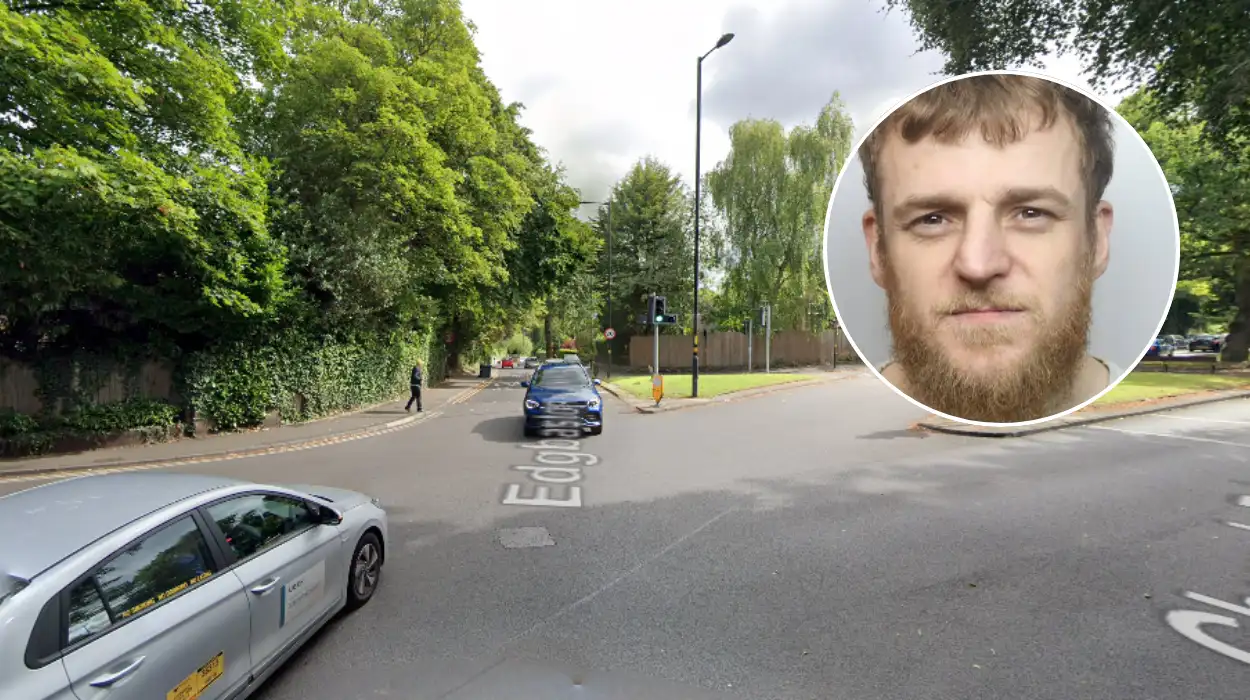
Key Points
- Jerome Blackburn, 33, from Ridgeway, Edgbaston in Birmingham, has been jailed for seven years for raping a boy more than 20 years ago.
- The assaults occurred around 2008, with the victim reporting the allegations to West Midlands Police in 2020.
- An investigation by West Midlands Police confirmed that Blackburn carried out a series of assaults on the boy.
- Police praised the victim’s bravery in coming forward after such a long time.
- West Midlands Police emphasised that they take every report of sexual assault and rape seriously, regardless of how much time has passed.
- Support resources highlighted include The Survivors Trust helpline (08088 010 818), the Rape and Sexual Violence Project (RSVP) for Birmingham and Solihull (helpline 0121 643 4136 or info@rsvporg.co.uk), and West Midlands Police reporting options.
- The story was initially reported by Birmingham Mail, focusing on the sentencing and police response.
Birmingham (Birmingham Express) January 26, 2026 – Jerome Blackburn, 33, from Ridgeway in Edgbaston, has been sentenced to seven years in prison for raping a boy more than 20 years ago, following a report made to West Midlands Police in 2020. The victim bravely came forward with allegations dating back to 2008, prompting an investigation that uncovered a series of assaults by Blackburn. Officers have commended the victim’s courage, underscoring their commitment to supporting survivors no matter how much time has elapsed.
- Key Points
- Who is Jerome Blackburn and what did he do?
- When and how did the victim report the crime?
- What was the police investigation like?
- How have police responded to the sentencing?
- Why is the victim’s bravery being praised?
- What support is available for victims of sexual offences?
- Where did the assaults take place and what is known about Edgbaston?
- What does this case mean for historical sexual abuse reports?
- How can victims report sexual offences today?
Who is Jerome Blackburn and what did he do?
Jerome Blackburn, aged 33 and residing on Ridgeway in the Edgbaston area of Birmingham, was convicted of raping a boy in a series of assaults that took place around 2008. As detailed in the primary coverage by the Birmingham Mail, the victim contacted West Midlands Police in 2020 to report the historical allegations against Blackburn. The subsequent police investigation substantiated the claims, leading to Blackburn’s arrest and trial.
The offences involved multiple assaults on the young victim, highlighting the prolonged impact of such crimes. Blackburn, originally from Edgbaston, faced justice after the victim’s determination to speak out, resulting in a seven-year custodial sentence. This case exemplifies how historical sexual abuse can be prosecuted effectively when victims come forward.
West Midlands Police played a pivotal role, conducting a thorough inquiry that built a robust case. The sentencing reflects the severity of the crimes and the court’s recognition of the harm inflicted.
When and how did the victim report the crime?
The victim first approached West Midlands Police in 2020, more than 12 years after the assaults occurred in 2008. According to the Birmingham Mail’s reporting, this courageous step initiated the investigation process. Despite the significant time lapse, authorities acted decisively, gathering evidence to corroborate the victim’s account.
The delay in reporting is not uncommon in cases of child sexual abuse, where trauma can prevent disclosure for years. West Midlands Police’s handling of the case demonstrates their capability to investigate cold cases effectively. The victim’s report in 2020 marked a turning point, leading to Blackburn’s conviction and imprisonment.
This timeline—from the 2008 offences to the 2020 report, investigation, trial, and recent sentencing—illustrates the persistence required in pursuing justice for historical crimes.
What was the police investigation like?
West Midlands Police launched a comprehensive investigation following the victim’s 2020 report. As covered by the Birmingham Mail, officers meticulously examined the allegations, confirming that Blackburn had perpetrated a series of assaults on the boy. The probe involved interviewing the victim, collecting historical evidence, and building a case strong enough for prosecution.
The force’s approach aligned with their policy of treating every report seriously, irrespective of its age. Detectives worked to centre the victim’s wishes throughout the process, ensuring sensitivity in a deeply personal matter. This investigation culminated in Blackburn’s conviction, with the seven-year sentence handed down recently.
No further details on specific investigative techniques were disclosed in available reports, but the outcome underscores the efficacy of modern policing in historical abuse cases.
How have police responded to the sentencing?
West Midlands Police issued a strong statement praising the victim’s bravery. As quoted directly in the Birmingham Mail article, the police said:
“We take every report of sexual assault and rape seriously, no matter how much time has passed. We understand how difficult it can be to speak out, but we are always here for you and ready to listen – and we will put your wishes at the centre of what we do.”
This message, attributed to West Midlands Police via the Birmingham Mail, emphasises their victim-focused ethos. Officers highlighted the courage required to report such crimes after so many years, positioning the case as an encouragement for others. The force’s response also reinforces their ongoing commitment to justice in sexual offence matters.
Why is the victim’s bravery being praised?
The victim’s decision to contact police in 2020, over a decade after the 2008 assaults, has been lauded by West Midlands Police as exceptionally brave. Reporting historical child rape involves reliving trauma, facing scrutiny, and navigating a lengthy legal process—challenges that many survivors never overcome. As noted in the Birmingham Mail coverage, this bravery not only led to Blackburn’s seven-year sentence but also serves as a beacon for others.
Police statements, as relayed by the Birmingham Mail, acknowledge the difficulty of speaking out. By centring the victim’s wishes, authorities ensured a supportive journey from report to conviction. This praise aims to empower potential reporters, affirming that time is no barrier to justice.
Such commendations are standard in sensitive cases, aiming to reduce stigma and encourage disclosures that might otherwise remain hidden.
What support is available for victims of sexual offences?
Several organisations provide crucial assistance for survivors of sexual violence, as outlined in the Birmingham Mail’s report alongside the story.
The Survivors Trust, the UK’s largest umbrella agency for specialist rape and sexual abuse services, supports victims and survivors of all ages, genders, and forms of sexual violence, including partners and family members. Their free helpline is 08088 010 818.
The Rape and Sexual Violence Project (RSVP), serving Birmingham and Solihull, offers comprehensive services, including specialised support for male survivors and children and young people. Contact them via helpline 0121 643 4136 or email info@rsvporg.co.uk.
West Midlands Police also directs individuals to their sexual assault reporting page, urging reports regardless of when the offence occurred. In emergencies, dial 999.
These resources, highlighted in the Birmingham Mail article, ensure survivors have access to compassionate, professional help tailored to their needs.
Where did the assaults take place and what is known about Edgbaston?
The assaults occurred in the Edgbaston area of Birmingham, where Blackburn resided on Ridgeway. Edgbaston, a well-known suburb, is referenced throughout the Birmingham Mail’s coverage as the perpetrator’s home locale. While specific locations of the crimes were not detailed publicly—likely to protect the victim—the connection to this Birmingham neighbourhood places the events locally.
Edgbaston is a diverse, residential area with a mix of housing and community facilities. The case’s local ties amplify its impact on the community, prompting police reassurances about safety and reporting.
No additional media reports from other outlets were identified in initial coverage, with the Birmingham Mail providing the primary account.
What does this case mean for historical sexual abuse reports?
This sentencing reinforces that historical sexual abuse allegations are prosecutable, even after 20 years. West Midlands Police’s success in convicting Blackburn validates their “no time limit” stance on such reports. As per their statement in the Birmingham Mail, every disclosure is taken seriously, with victim needs prioritised.
The case may encourage other survivors in Birmingham and beyond to come forward, knowing justice is possible. It also highlights the importance of specialist support services in facilitating reports and recovery.
Broader implications include strengthened public trust in police handling of cold cases, potentially leading to more disclosures.
How can victims report sexual offences today?
West Midlands Police provides clear pathways for reporting, as linked in the Birmingham Mail story. Their dedicated sexual assault page offers information on the process, applicable to offences from any time period. Reports can be made online, by phone, or in person, with assurances of confidentiality and support.
For immediate danger, the emergency number is 999. Non-emergency reports are encouraged via standard channels, ensuring professional response.
The force’s victim-centred approach, as quoted, promises listening and action tailored to individual circumstances.