
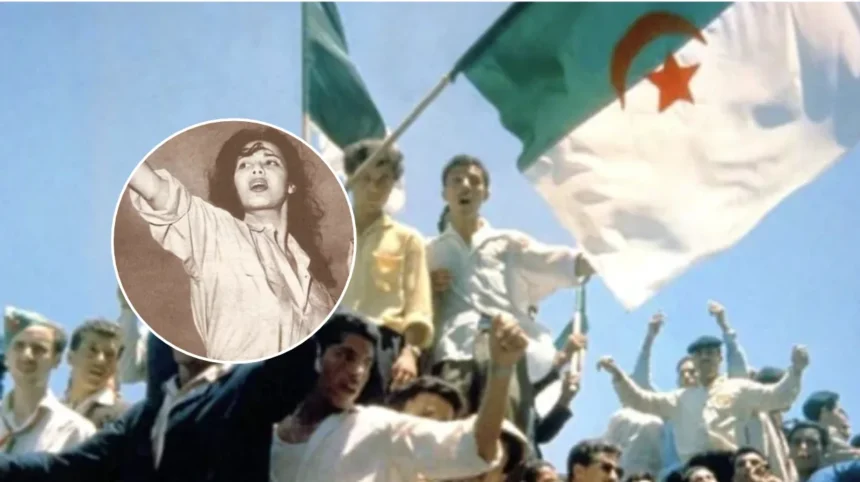
Seventy-two years ago today, a revolution began that would change Algeria forever.
On 1 November 1954, Algeria woke up to the start of a revolt against 124 years of French colonial rule. In the early hours of the morning, coordinated attacks across the country marked the beginning of what would become an eight-year war for independence.
Called ‘La Toussaint Rouge’ (Red All Saints’ Day), this revolt was the culmination of a history of struggle from Emir Abdelkader and Lalla Fatma N’Soumer to the rise of nationalism in the twentieth century. For a people subjected to dispossession, discrimination, and political exclusion, independence was no longer a dream but a demand.
The revolution was organised by the National Liberation Front (FLN) and brought the struggle for independence to the forefront of international attention. What followed was a bloody struggle, characterised by torture, massacres, forced displacements and suffering. Yet the determination to achieve independence endured and on 5 July 1962, Algeria finally declared its independence.
For Algerians, 1 November is therefore more than just a day of commemoration. It is a reminder of what generations before them have sacrificed for the right to govern themselves, preserve their identity and determine their own future in whatever way they see fit.
But perhaps the most important question to ask on this anniversary is what freedom means in a world where so many people are still fighting for it.
More than seven decades after Algeria’s independence, the language of liberation remains painfully relevant. In Palestine, generations continue to live under occupation, displacement and restrictions on their right to self-determination. In Western Sahara, a territory that has remained on the United Nations’ list of Non-Self-Governing Territories since 1963, the question of self-determination is far from resolved. Across the world, communities continue to challenge colonial legacies, foreign domination and systems that deny them political agency.
All of these struggles have their own unique histories and contexts, but they share a common question: who gets to decide the future of a people?
Since 1945, more than 80 colonies became independent. However, there are still 17 territories listed as non-Self-Governing by the United Nations. The process of decolonisation is far from over.
Algeria’s history shows us that independence was not handed down as a gift. It was achieved by decades of resistance, political organising, and immense sacrifice. Remembering that struggle should mean more than just celebrating a victory in the past; it should also mean recognising those who are still denied that same freedom today.
So today, we remember those who fought for an independent Algeria, but also the principle at the heart of the struggle. No people should have to surrender their identity, land or right to determine their future.
Independence is not simply the end of colonial rule, it is about the freedom of living freely, with dignity, without being exploited, politically repressed and occupied.
Tahia El Djazaïr!