Key Points
- Groups of youths fired pyrotechnics at shoppers, shops, and emergency vehicles in Birmingham city centre on Halloween night.
- West Midlands Police arrested seven people aged 15 to 26 over the violence.
- Officers made the arrests around Stephenson Street and Corporation Street on suspicion of assault, carrying fireworks, and possessing offensive weapons.
- Police enforced a Section 60 order across the city centre, giving officers temporary powers to search people without reasonable suspicion.
- Spectators described widespread panic as fireworks went off next to crowds and police vehicles.
Birmingham (Birmingham Express) November 2, 2026 – West Midlands Police officers were forced to deploy emergency stop-and-search powers after gangs of youths aimed live pyrotechnics at members of the public, retail shopfronts, and responding police vehicles across Birmingham city centre on Saturday, 31 October 2026. The disorder broke out during peak Halloween celebrations, causing widespread panic among evening shoppers and visitors in the central retail district.
As reported by Eleanor Lawrence of Birmingham Now, West Midlands Police confirmed that officers arrested seven individuals aged between 15 and 26 following the breakout of dangerous anti-social behavior. The suspect group was taken into custody on suspicion of multiple criminal offenses, including assault, unlawful possession of fireworks, and possession of an offensive weapon.
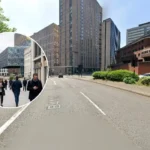
The public safety operation focused heavily on busy pedestrian corridors. Police officers made key detentions in the vicinity of Stephenson Street and Corporation Street after pyrotechnics were repeatedly directed into public gatherings and toward police vans.
How Did Emergency Services Respond to the Fireworks Attacks?
Senior police leaders implemented special legislative powers to regain control of the streets during the height of the disorder. A Section 60 order was authorized across Birmingham city centre, granting officers the legal authority to stop and search any individual suspected of carrying weapons or fireworks without requiring standard reasonable grounds.
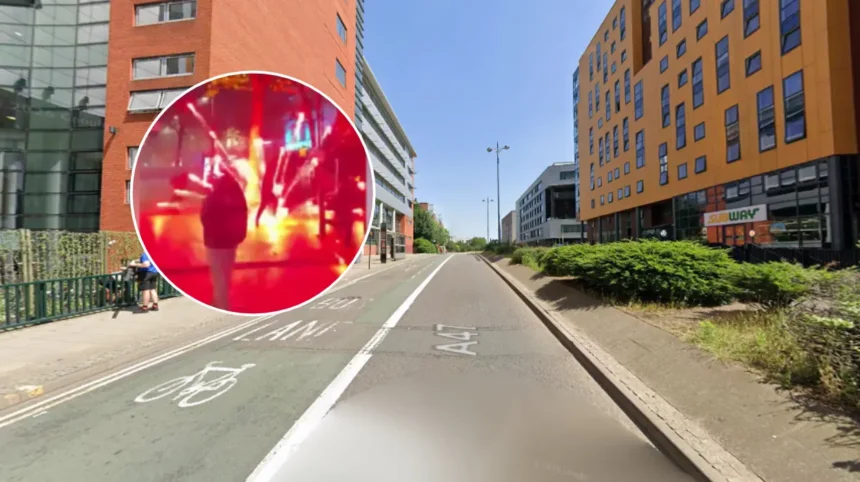
As reported by Tom McGhie of the Daily Star, video footage captured from the scene showed multiple police officers pursuing fleeing groups of youths through the high street while large pyrotechnics exploded near vehicles and crowds. Bystanders were forced to flee to safety as sparks and explosive charges rained down on crowded footpaths.
As reported by Eleanor Lawrence of Birmingham Now, Chief Superintendent Tom Joyce of Birmingham Police stated that “We have had a robust plan in place for this weekend to deal with any disorder including section 60 powers which allows us to stop and search people without the need to have reasonable grounds”.
Chief Superintendent Joyce further stated that “The safety of our communities is paramount, and we’ll do all we can to ensure this. Misusing fireworks is not only dangerous: it’s illegal and can lead to fines, arrest and criminal charges”.
What Did Eyewitnesses Observe During the City Centre Disorder?
Members of the public present in the city centre described scenes of sudden escalation as groups of youths began firing pyrotechnics horizontally down active shopping streets. Sparks bounced off surrounding building facades and pavement areas, forcing pedestrians to seek cover inside nearby commercial establishments.
As reported by Tom McGhie of the Daily Star, one onlooker stated that “It was like a warzone. People were just letting off fireworks at each other like it was just a bit of harmless fun”.
The same witness added that “I didn’t see anyone getting hurt but I would be amazed if nobody was injured during that as fireworks were exploding next to people in the street. It was mayhem”.
Background of Public Fireworks Misuse and Urban Disorder
The misuse of commercial fireworks as anti-social weapons during autumn celebrations has become an escalating concern for urban police forces across the West Midlands. Similar violent pyrotechnic outbreaks occurred in Birmingham city centre during previous Halloween and Bonfire Night periods, prompting emergency service leaders to continuously review operational policing strategies.
Under current United Kingdom legislation, it is illegal for anyone under the age of 18 to possess adult fireworks in public places, while carrying weapons or firing pyrotechnics into public highways carries severe penalties under the Explosives Act and the Public Order Act. Despite statutory regulations restricting the sale of category F2 and F3 fireworks to licensed windows surrounding major cultural events, unauthorized secondary distribution among youth groups continues to challenge municipal authorities.
West Midlands Police have repeatedly utilized Section 60 order provisions during high-density calendar events to curb youth violence and confiscate illegal items before major injuries occur. Municipal councils and regional fire services have simultaneously expanded public awareness campaigns to warn against the physical dangers of handling high-powered pyrotechnics in urban areas.
Prediction: How This Development Will Affect Local Residents and City Centre Visitors
The ongoing recurrence of violent Halloween disorder is expected to trigger stricter operational protocols from West Midlands Police and local government authorities ahead of upcoming Bonfire Night and seasonal winter events.
For local residents and city centre visitors, these developments will likely result in a heightened, highly visible police presence across key retail areas such as Corporation Street, New Street, and Stephenson Street. Members of the public can anticipate more frequent use of preventive Section 60 stop-and-search zones, potentially leading to increased security checkpoints and minor pedestrian delays during major public holiday evenings.
For local businesses and retail operators, persistent anti-social behavior during major trading evenings poses a risk of diminished footfall, potential property damage, and increased private security costs. Regional police forces are expected to partner more closely with business improvement districts (BIDs) to implement tighter CCTV monitoring, early dispersal orders, and coordinated emergency response routes to ensure public safety remains uncompromised.